Marine scientists this week have announced a remarkable discovery: a “necropolis” of whales in the southeastern Indian Ocean that’s helped support deep sea life for millions of years.
Researchers in China, Italy, and New Zealand detailed their find in a Nature paper published Wednesday. The enormous burial site contains both recently deceased whales and fossils dating back at least 5.3 million years ago. It’s the largest, deepest, and oldest whale fall recorded so far and one that will likely lead to even more discoveries, including extinct whales and living creatures completely new to science.
“These findings reshape the understanding of the limits and biogeography of whale-fall ecosystems,” the authors wrote in their paper.
The whale necropolis
Whale falls are what happens when a whale corpse sinks down to the deep ocean floor.
A whale’s enormous body creates a sudden burst of resources in the area where it falls, and the cold temperatures and high pressure of the ocean depths typically allow the whale to stay intact far longer than it would have if it had died elsewhere. At every stage of decomposition, the whale provides subsistence to various forms of life, and even its completely depleted mineral skeleton at the very end acts as a scaffold for coral and other suspension feeders to build on.
Though whale falls occur regularly through the oceans, with around 70 documented sites today, there’s still so little we really know about the unique ecosystems they create, and we know even less about the really deep ones. Until now, the deepest natural whale fall ever recorded (in 2016) was found 13,792 feet (4,204 meters) down in the southwest Atlantic Ocean, but it only involved a single whale. This newest discovery trumps that in both scale and depth.
The researchers came across the site during a 2023 expedition to the Diamantina Zone, a rift valley formed by the breaking apart of Australia and Antarctica roughly 50 million years ago. They were actually looking for something else in the deepest depths of the ocean (known as the hadal zone), though.
“The expedition to the Diamantina Zone had multiple primary objectives, as we had a multidisciplinary team on board, including geologists, geophysicists, biologists, and environmental researchers,” lead author Xiaotong Peng, a professor at the Institute of Deep-Sea Science and Engineering (IDSSE), told Gizmodo. “One of our major targets was to search for fluid activities in the hadal zone. So, finding this massive whale graveyard came as a complete surprise.”
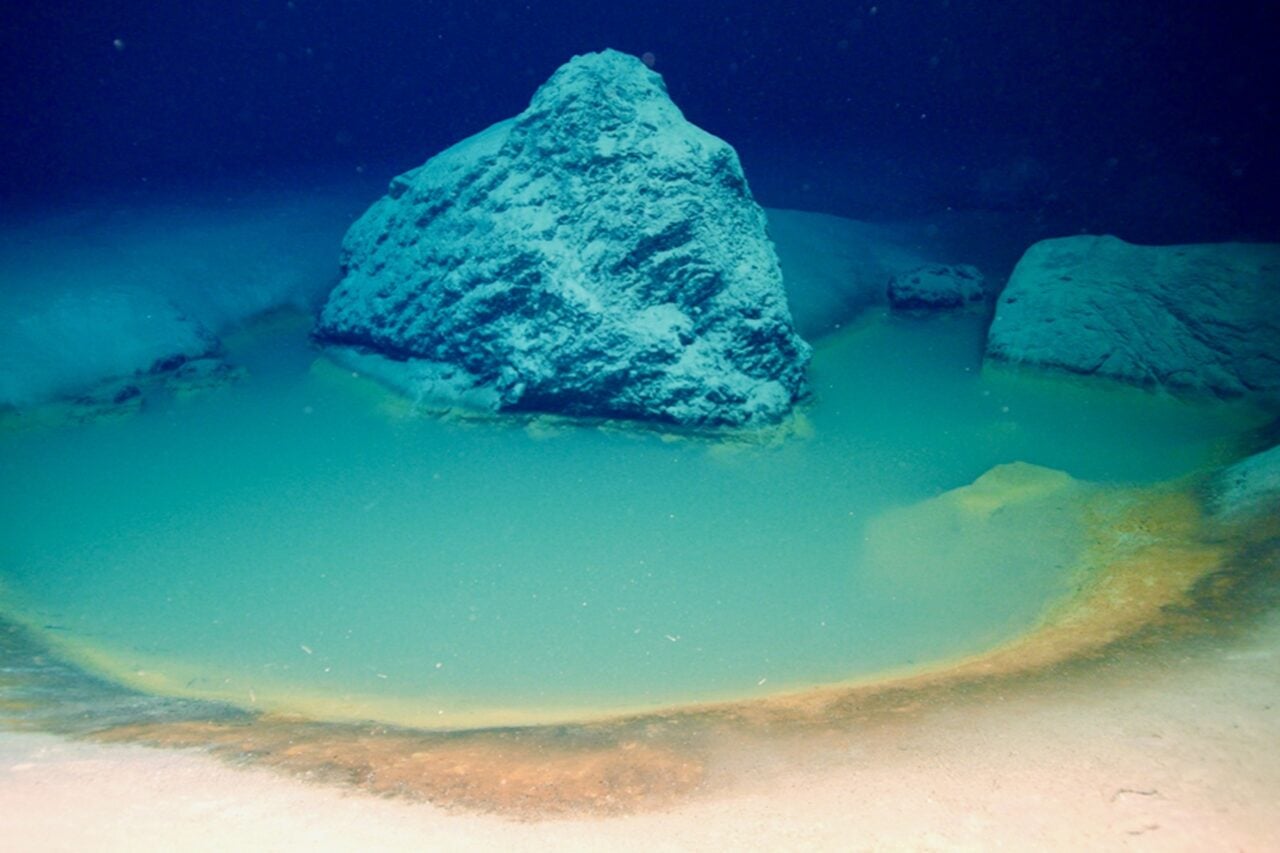
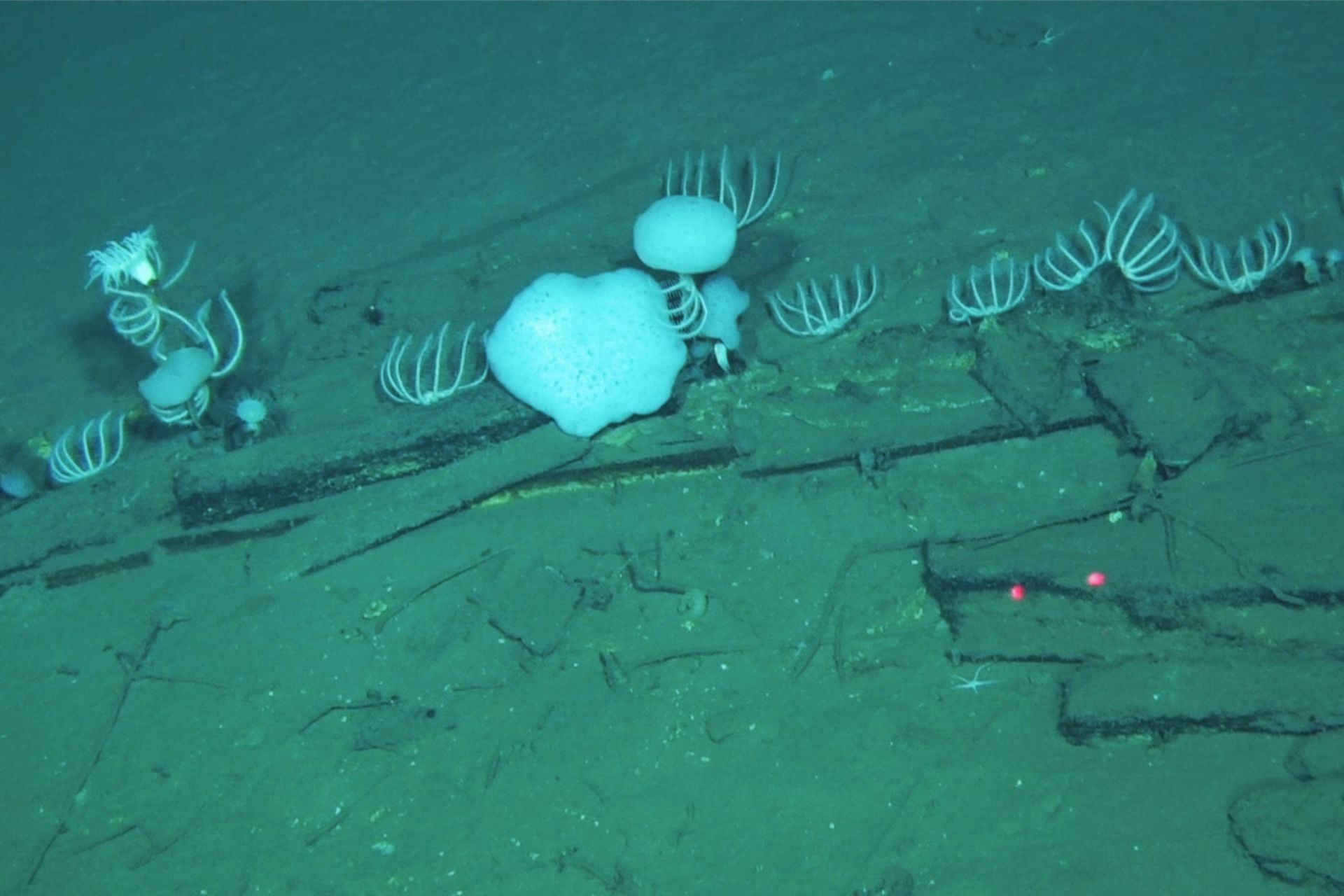
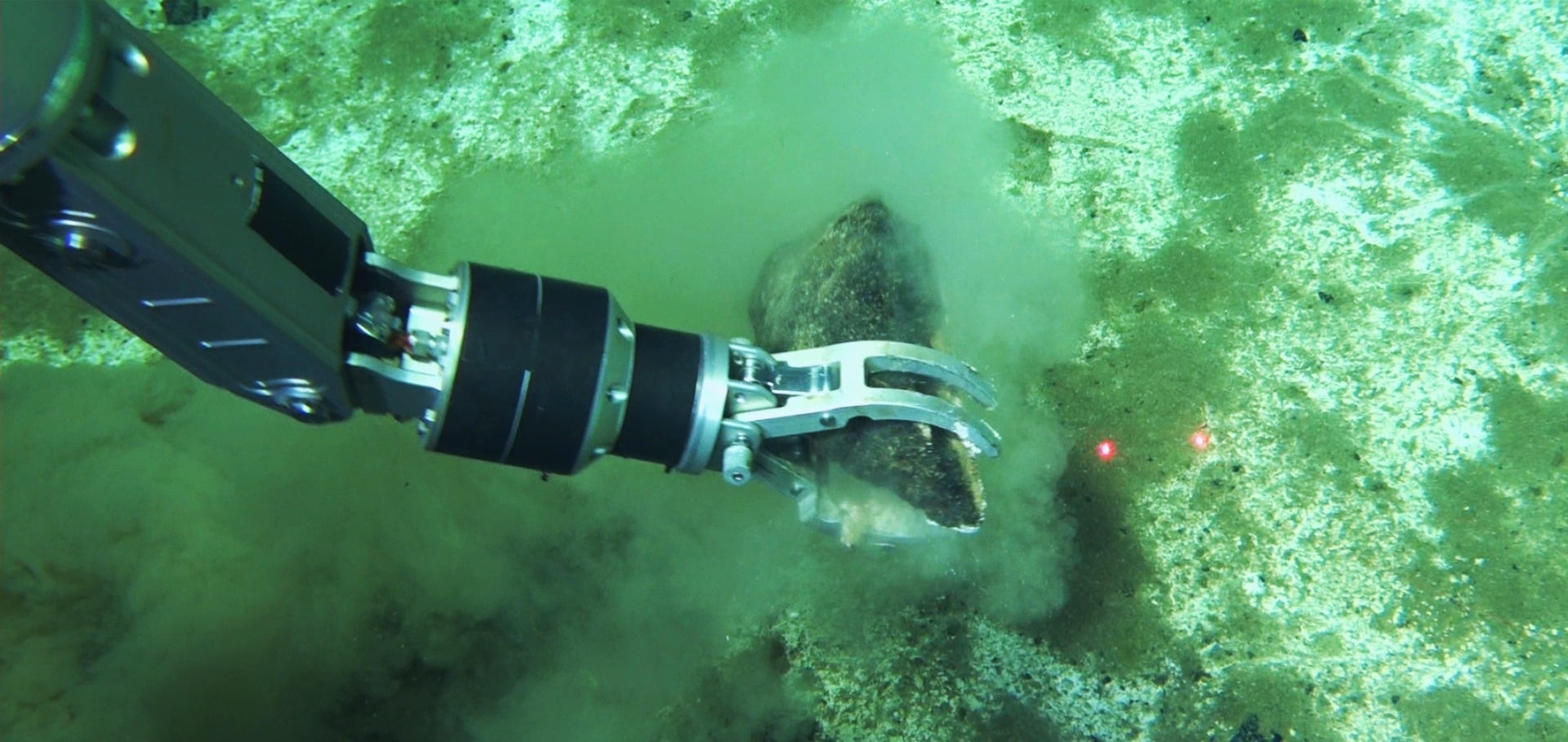
During one dive, they found whale fossils roughly 23,000 feet (7,000 meters) deep. Over the course of 32 dives following this initial find, they mapped out an extensive ecosystem of life fueled by dead whales.
“It’s a strip mall of whale falls,” Stephen Godfrey, the curator of paleontology at the Calvert Marine Museum in Maryland, who is not affiliated with the research, told Gizmodo.
All told, the graveyard extends 745 miles (1,200 kilometers) along the sea floor. The researchers found at least five active whale falls, all in the sulfophilic stage (the third stage of decomposition, which can last for decades), with the deepest one being 22,273 feet (6,789 meters). They also documented 476 fossilized whales, and of the 25 collected samples that could be dated, the most ancient was about 5.3 million years old. That suggests that whales have fostered this unique deep-sea ecosystem for at least that long.
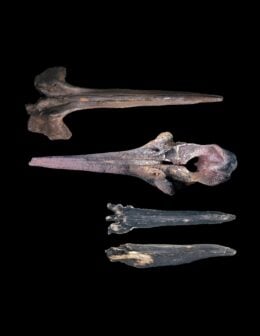
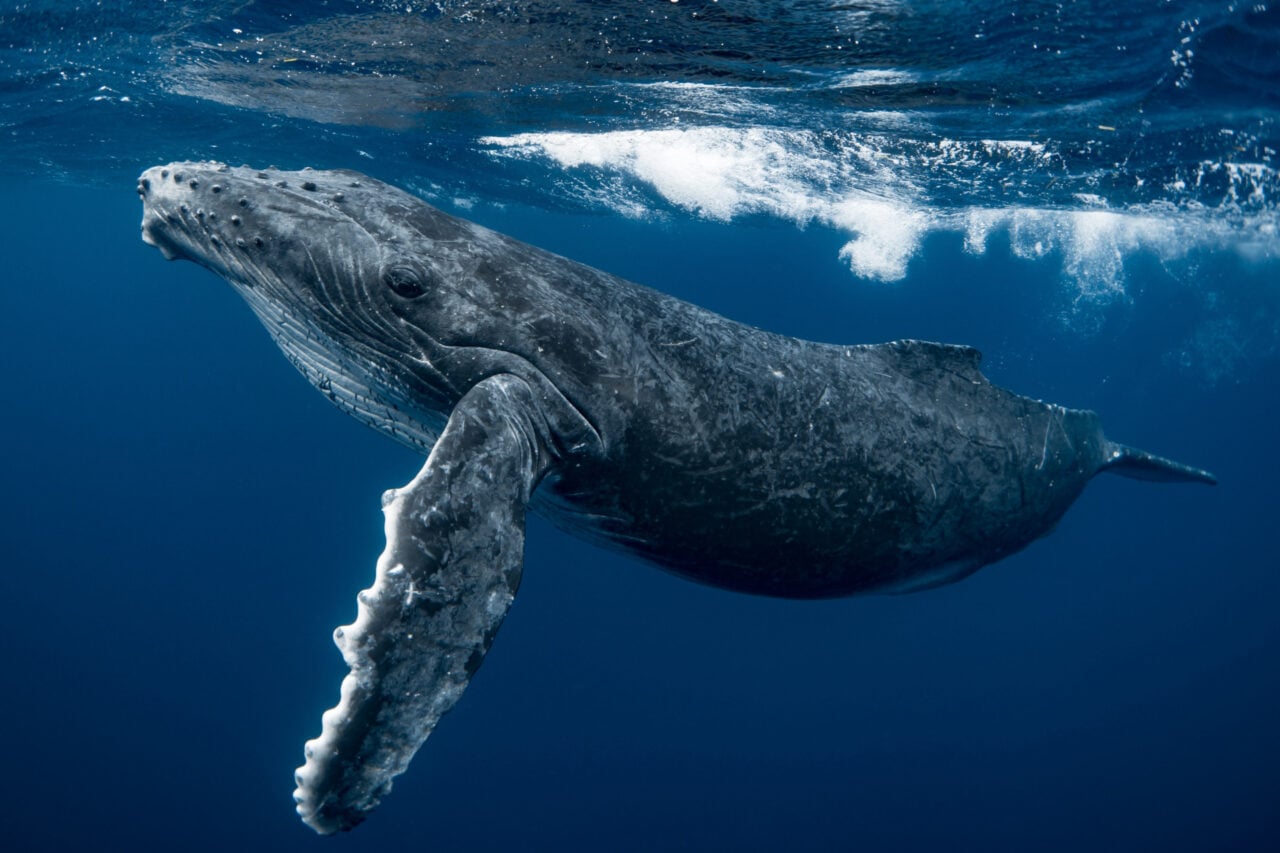
Most of the remains, recently deceased and ancient, belong to deep-diving beaked whales, creatures that are still plenty mysterious today. It’s likely their especially dense skull bones allowed them to stay intact as long as they have on the ocean floor. The researchers further point out these bones were often coated with ferromanganese oxides, which formed a protective layer that isolated them from seawater. And sediment reaches the deep sea at an incredibly slow rate, meaning the bones could largely stay unburied for millions of years.
“Ironically, in life beaked whales are seemingly rare and elusive,” Godfrey said. “Here in death, they are relatively abundant because the skulls of male beaked whales are very densely ossified and consequently survive biological and chemical degradation.”
Godfrey notes that scientists have unearthed plenty of fossil mass graveyards throughout the world, sites that are sometimes called Lagerstätten (German for “storage place” or “mother lode”). What makes this place all the more extraordinary is that living whales are still being added to it. In his accompanying editorial for Nature, Godfrey has coined the discovery as the first known “Wachsend-Lagerstätten”—a growing fossil deposit.
Things left to discover
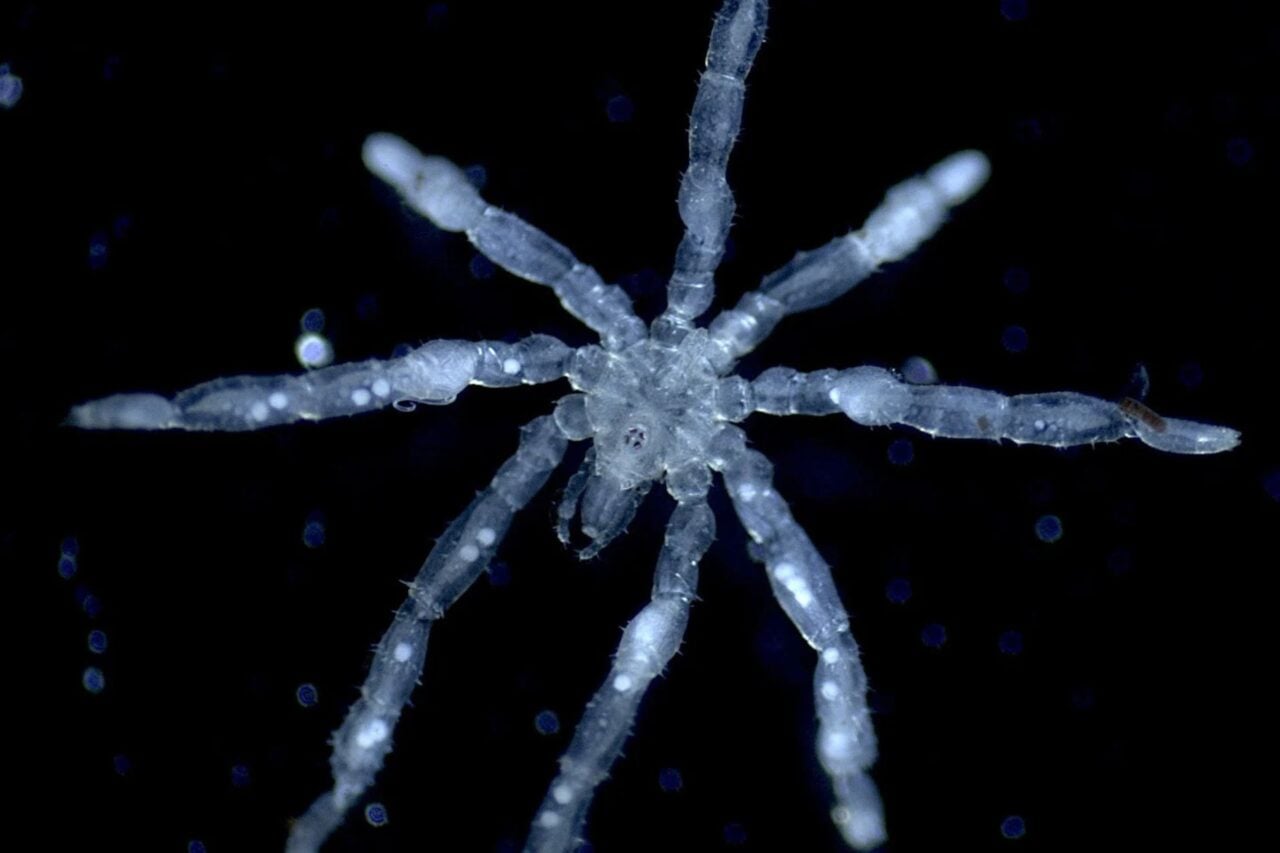
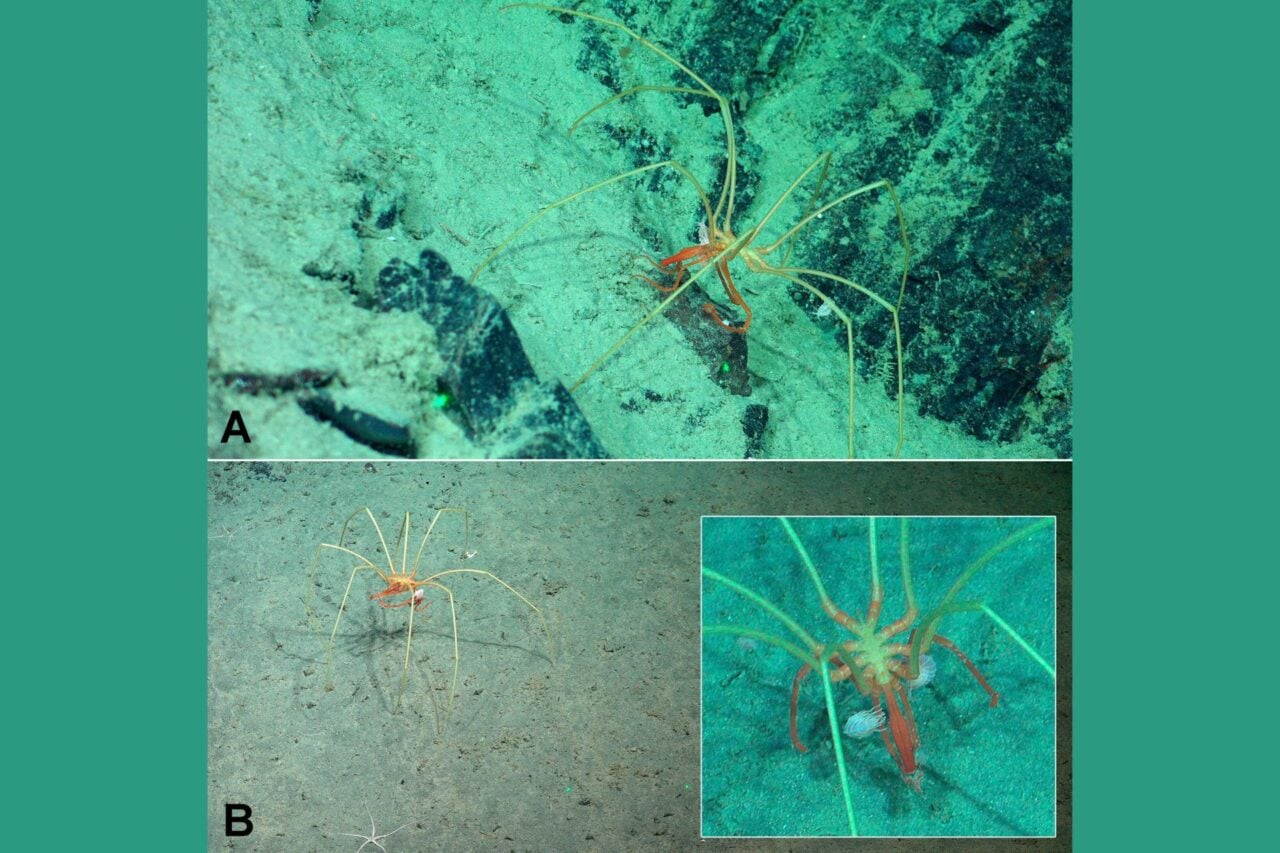
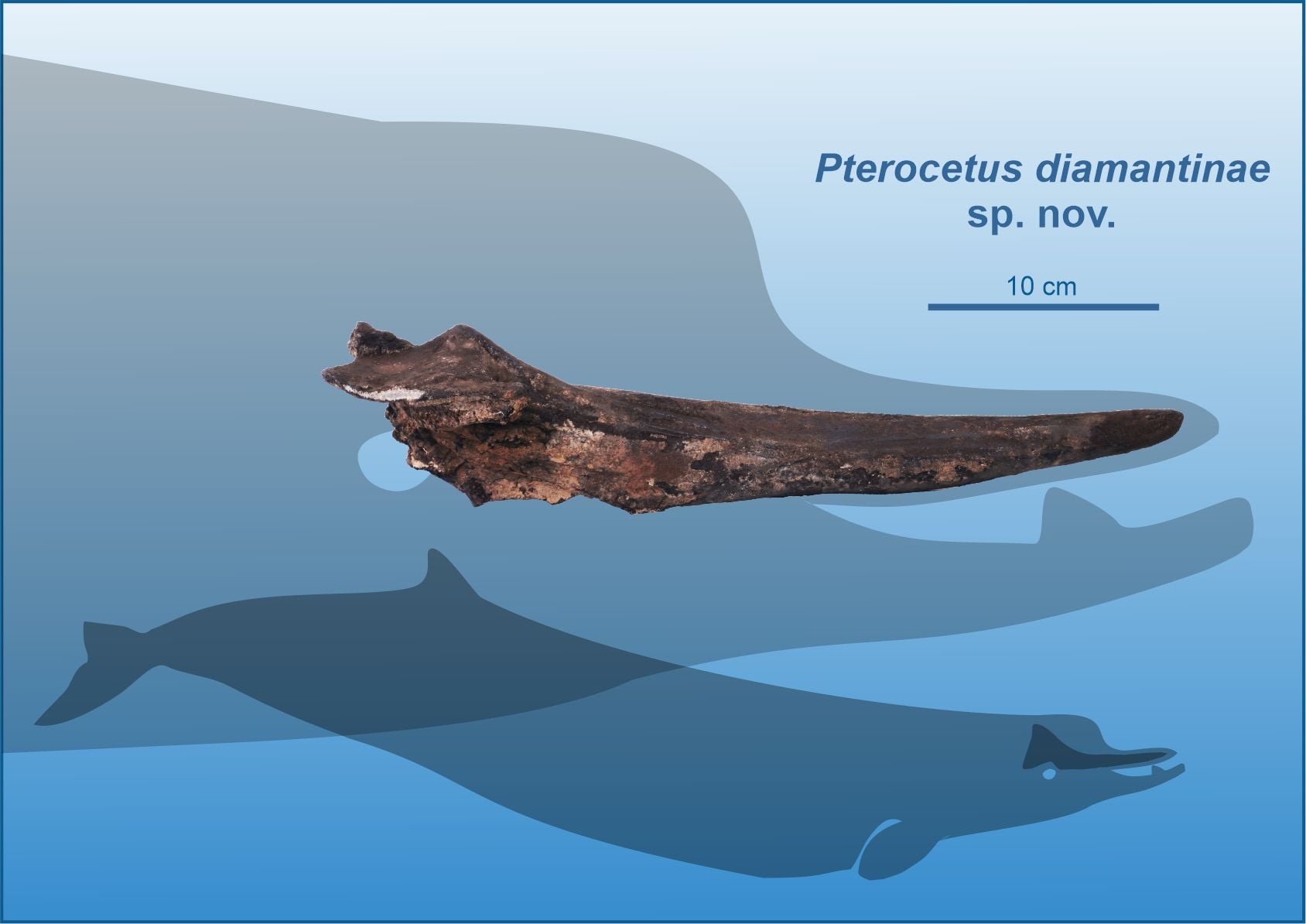
The researchers also documented 35 broad groups of life, or taxa, surrounding the whale falls. Most of the species within these taxa likely haven’t been classified yet by scientists. The team has also discovered and named at least one newly identified extinct species of whale, Pterocetus diamantinae. And we’ve probably barely scratched the surface of what’s down there.
“Given the length of this fracture zone, there are likely thousands upon thousands of fossil whale skulls preserved therein,” Godfrey said. “Given that possibility, other new kinds of extinct beaked whales might be found. And in theory, one could document the diversity, abundance, and evolutionary history of local beaked whales through time.”
This is also unlikely to be the only whale necropolis in the world, the researchers say.
“Similar whale necropolises probably exist in other core beaked-whale habitats, such as South Africa, the Iberian Peninsula and off the Crozet and Kerguelen islands, as indicated by the recovery of abundant fossils by trawling, indicating that comparable hidden archives may be widespread in the global deep oceans,” co-author Xikun Song, an associate professor at the Institute of Deep-Sea Science and Engineering, told Gizmodo.
The researchers plan to continue studying the samples they brought back from their expedition. And there are many more questions left to answer about these necropolises, including exactly how they first start to form. So the lessons we learn from this and other Wachsend-Lagerstätten in the ocean will deepen our knowledge of both beaked whales and the communities of life that spring from their deaths.