The deceptively bland name for the world’s ocean “midwaters” hides a dark, high-pressure, alien world just below the sea’s sunlit layer, starting over 13,000 feet (roughly 4,000 meters) below the surface. It’s the largest ecosystem on planet Earth—but its many denizens simply aren’t equipped for a journey up to the sea’s low-pressure regions or really anywhere near where scientists could study them up close.
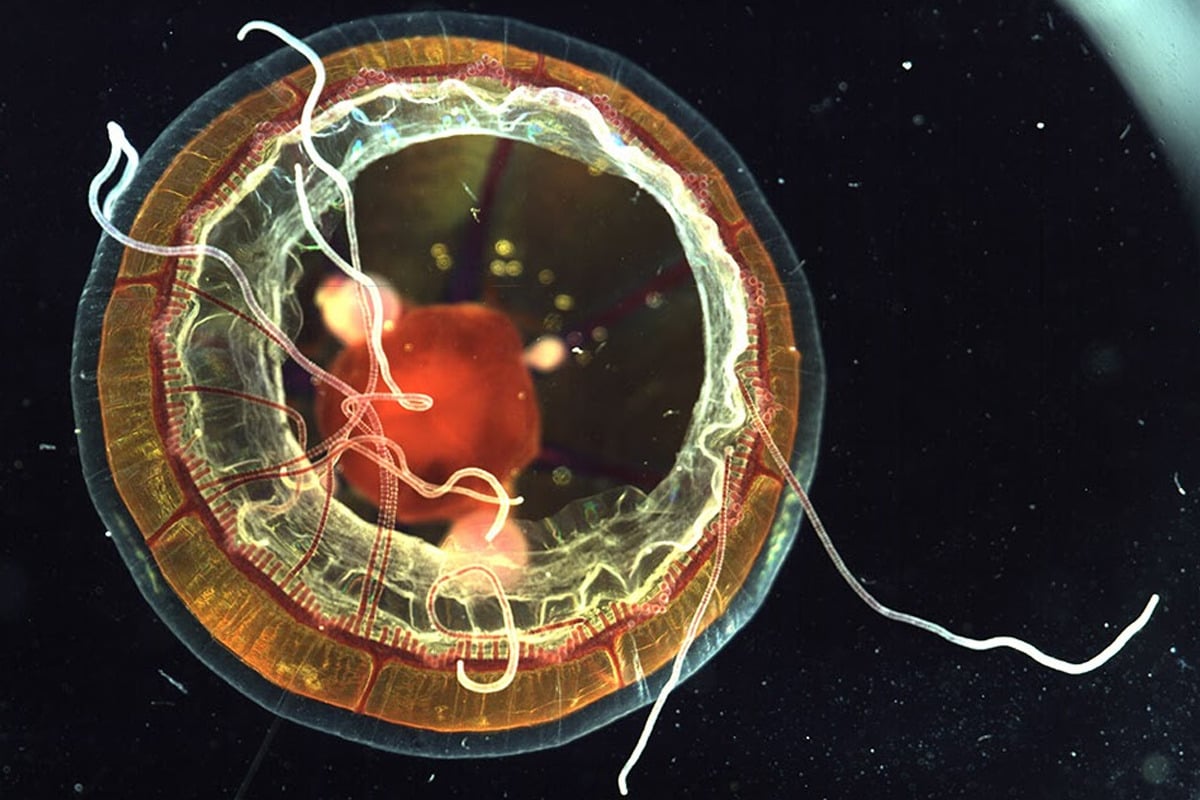
Fortunately, a team of marine scientists on the Schmidt Ocean Institute’s research vessel (R/V) Falkor (too) has come to them, discovering a potential record of 31 new species in just two weeks via a new suite of microscopes, deep-sea imagers, and onboard genetic sequencing. According to the institute, the expedition’s researchers managed the first-ever 3D imaging of the internal cellular structures of an organism at sea: documenting how a protist’s microbial architecture leverages its glass skeleton. Among the new species, the team has brought to light a new type of amphipod cousin to crabs and lobsters, an unusually fast-swimming gossamer worm, nine new species of jellyfish, and two gigantic single-celled organisms called rhizarians that can be seen with the naked eye.
“The ocean never let up with surprises in every pocket of water that we explored,” as one of the Falkor (too) crew’s lead scientists, molecular biologist John Burns of the Bigelow Laboratory for Ocean Sciences in Maine, said in a statement.
Pairing two dozen scientists and engineers from the U.S., Australia, Brazil, and Japan all on one vessel has supercharged their ability to “rapidly build digital specimens,” Burns noted, clearing a new path for the “fast sharing and identification of new species across the oceans and beyond.”
The Squid microscope
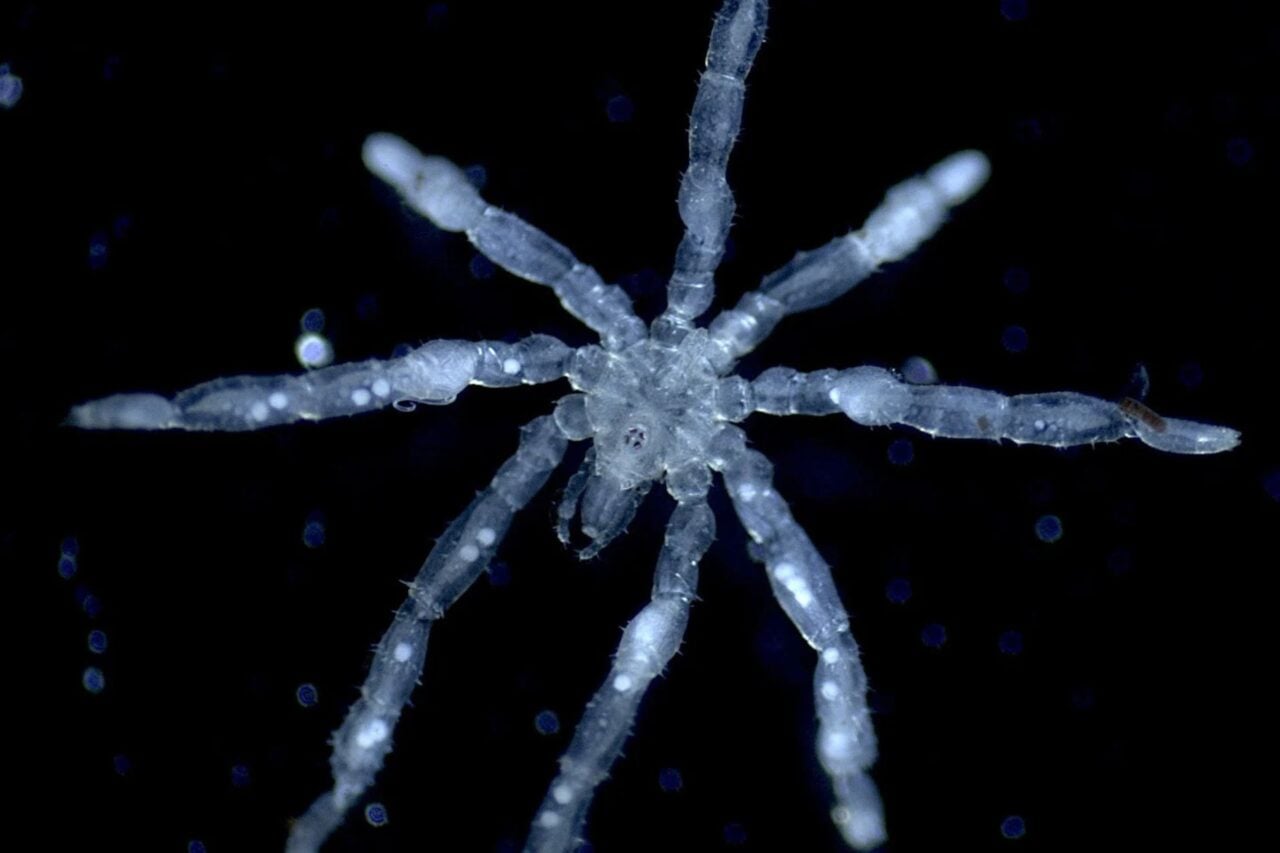
The expedition’s novel spinning-wheel confocal microscope, a device developed at Stanford called the Squid, brings lab-grade imaging equipment into the field, offering 3D laser scans and multicolor fluorescent illumination, among other scanning techniques.
“That opens up a whole new world of exploring,” marine zoologist Karen Osborn, the expedition’s chief scientist, told The Guardian. “We could see cells interacting with each other, exchanging material and building skeletons. And we could do that live on the ship, when usually it takes a couple of weeks of staining and mounting to see anything.”
Genetic specialists onboard the R/V Falkor (too), led by Burns and Tohoku University marine biologist Cheryl Ames, sequenced genomes from the collected specimens onboard the ship, adding to the speed with which new species can now be rapidly identified from the midwaters.
The “gravity machine” and an ROV
Marine scientists have long grappled with the unusual problem of studying midwater ocean species that have largely evolved into soft, permeable, and practically amorphous bodies capable of gliding through water pressures over 400 times greater than atmospheric pressure at sea level. The Schmidt Institute’s team has tackled this problem in a few ways, including a deep-sea remotely operated vehicle (ROV), SuBastian, kitted out with an array of non-invasive measurement tools and a “gravity machine” microscope that simulates the species’ habitat.
“We can now witness live internal processes within these extreme organisms adapted to withstand immense pressure and darkness,” expedition team member Manu Prakash, who developed the gravity machine at Stanford, said in a statement.
The device, effectively a tabletop wheel-shaped aquarium, simulates an infinite vertical distance of ocean water similar to the midwater depths these species often flow up through to feed and then return down through to rest.
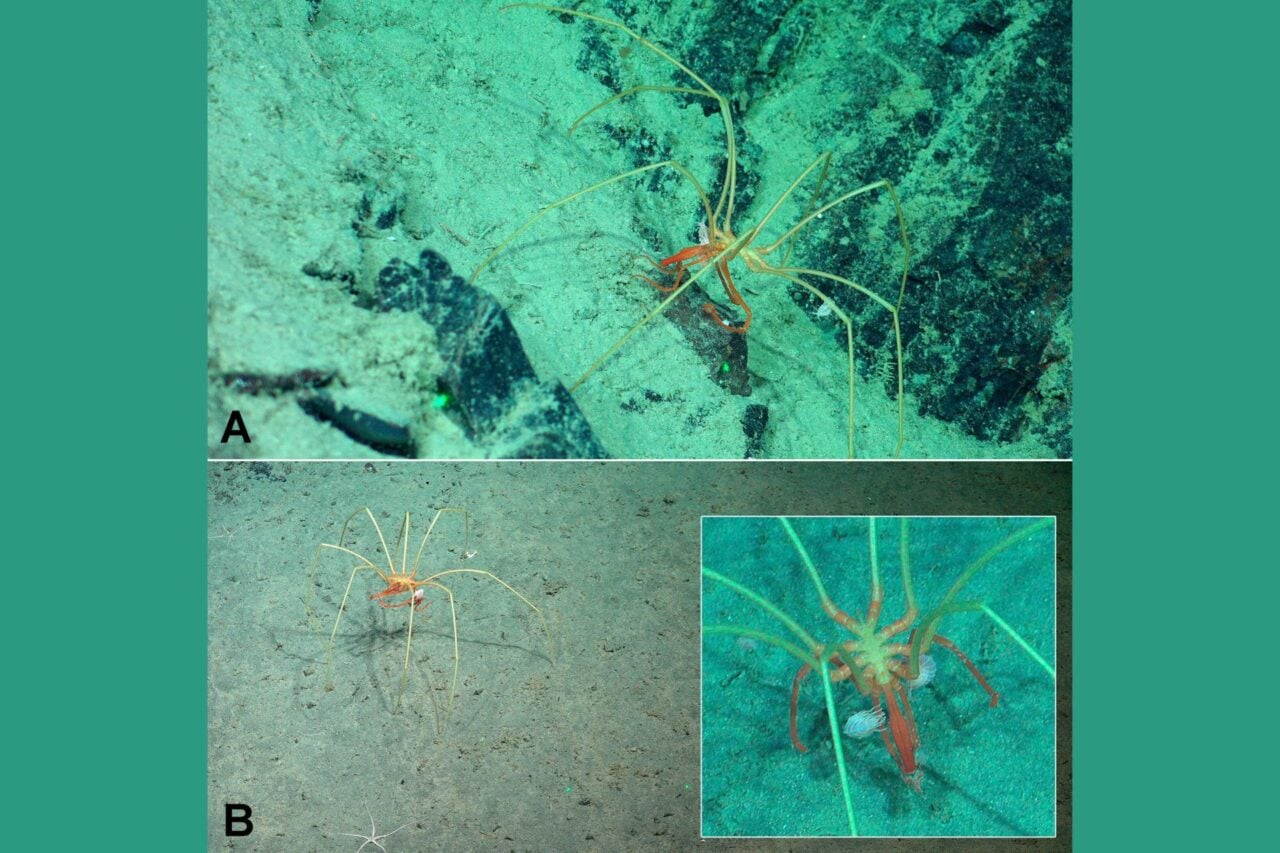
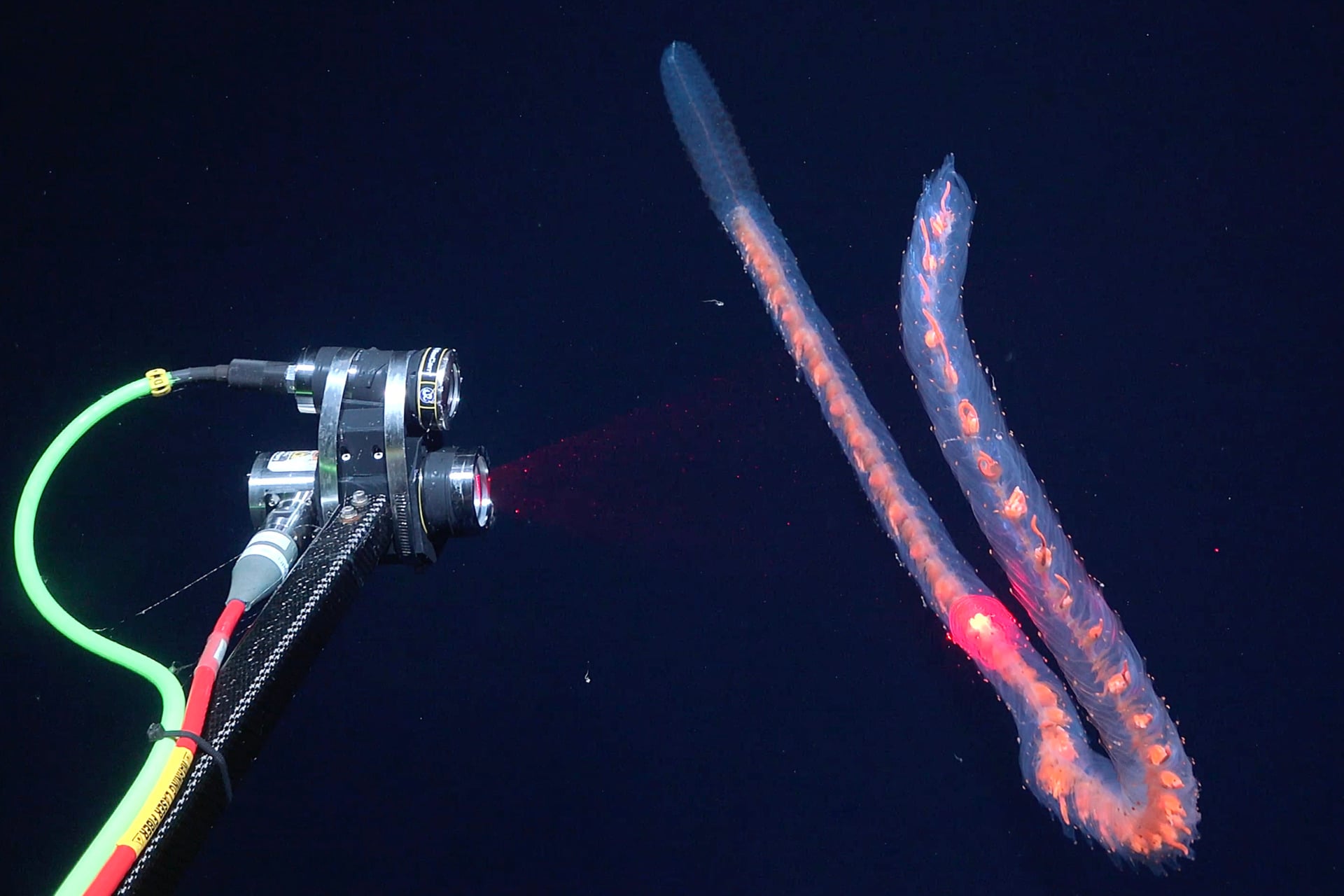
Down in those actual depths, the SuBastian employs a “particle image velocimetry” tool called DeepPIV to measure the speed of undersea creatures and the fluid around them, alongside remote imaging systems developed by researchers in Japan and the U.S.
“[This] was our third cruise in collaboration with this team of scientists and engineers to test and further develop this innovative midwater equipment,” Schmidt Ocean Institute’s executive director, Jyotika Virmani, said—adding it was “a glimpse into the future of marine biological science.”