Health and Human Services (HHS) Secretary Robert F. Kennedy Jr.’s latest cause, outside of losing fights to snakes, is centered around Lyme disease and ticks.
In late May, RFK Jr. and HHS announced a “sweeping” plan to tackle Lyme and other tickborne illnesses. Though the plan does have some solid aspects, such as increased research funding, others are based on conspiratorial and unsupported beliefs about the disease—namely the idea that Lyme is routinely causing chronic infections that can’t be treated with conventional antibiotics and are being ignored by most doctors.
“Tickborne infections, including Lyme, are a real and growing public health problem, so some might view this move by HHS as a step in the right direction even if they disagree with Kennedy on other issues. But it’s the exact opposite—it is yet another love letter to medical pseudoscience and conspiracism from RFK Jr.,” Adam Gaffney, a critical care and pulmonary physician as well as a former president of the Physicians for a National Health Program, told Gizmodo.
Why ‘chronic Lyme’ is on shaky ground
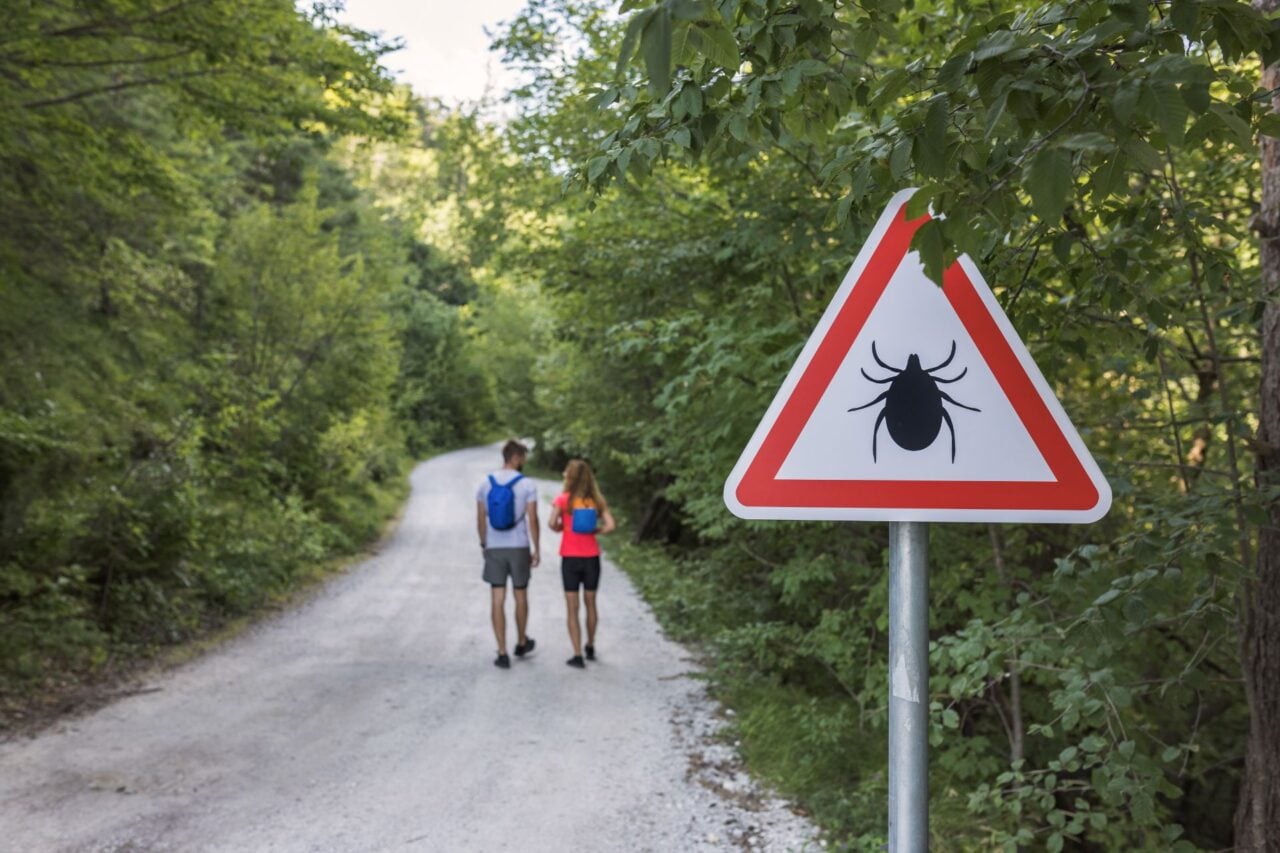
Lyme disease is caused by certain Borrelia bacteria, which are transmitted by various species of tick. In the U.S., Lyme is usually caused by B. burgdorferi and is typically transmitted through the bites of female blacklegged, or deer, ticks (Ixodes scapularis).
In most cases, a simple 2- to 4-week course of oral antibiotics can clear a Lyme infection, especially the earlier it’s caught. Infections that go unnoticed for too long can cause more severe illness but are still curable with prolonged antibiotic therapy. That said, a small percentage of people with Lyme, perhaps around 10%, will develop lingering fatigue and other symptoms that can last months after treatment.
This condition is formally known as post-treatment Lyme disease syndrome. Its cause isn’t entirely clear, but it might be linked to immune dysfunction sparked by the infection or an immune response to inert remnants of the bacteria. Some people, however, strongly believe these cases are actually the result of a persistent infection that never went away, a.k.a. chronic Lyme disease.
The symptoms that people with PTLDS experience are certainly real, but there isn’t strong evidence that its root cause is usually a chronic infection. Several trials have failed to find that a lengthy course of antibiotics (up to three months) can improve symptoms of PTLDS or people’s quality of life relative to a placebo, for instance. Some research has also found that a majority of people with long-term symptoms attributed to Lyme have no sign of an active infection and that many people’s symptoms could be better explained by other known conditions.
Of course, chronic Lyme advocates have soundly rejected this evidence and constructed elaborate rationales to justify their belief. These advocates include “Lyme-literate” doctors and alternative medicine practitioners who might ignore a patient’s negative results on standard tests or use unproven tests to detect supposedly hidden infections; they also prescribe long-term antibiotics or other unconventional treatments for the condition.
RFK Jr. is no stranger to supporting all sorts of dubious beliefs, such as the notion that Lyme disease was created as a military bioweapon (it wasn’t), and his new plan certainly appears intended to boost the chronic Lyme community.
RFK Jr., the Lyme warrior
Last December, for instance, Kennedy claimed that former top government officials denied the existence of Lyme—a jab that wouldn’t make much sense unless it was about chronic Lyme. At a New Hampshire event in late May touting the new initiative, he similarly claimed that doctors routinely tell patients that there’s “no such thing as Lyme disease.” And when asked by members of the media about the skepticism many in the medical community have about chronic Lyme, he responded that this perception will soon change.
“The idea that the government has been ‘denying’ the existence of Lyme is baseless conspiracism that has been around for decades,” Gaffney said. “Kennedy is not talking about Lyme disease—he is talking about so-called ‘chronic Lyme’—and accepting a long-standing perspective of the infection rejected by mainstream medicine but embraced by some activist communities.”
These comments aside, some of the ticket items in RFK’s plan are perfectly unobjectionable. HHS and the Centers for Disease Control and Prevention are launching a multimillion-dollar pilot program to find ways to reduce ticks in the wild before they can reach people, for example. HHS is also planning to devote more resources to alpha-gal syndrome, a tickborne condition that causes people to effectively develop an allergy to red meat.
One particular aspect of the new Lyme agenda is plenty concerning, though: a “public-private collaboration to help patients connect with experienced providers.”
HHS is specifically partnering with the International Lyme and Associated Diseases Society (ILADS). The ILADS is an organization that has long endorsed the validity of chronic Lyme, and via its search tool, people can find Lyme-literate medical providers who have signed up for ILADS membership. People can now access that same tool directly through the HHS’ Lyme page.
Chronic Lyme isn’t just a harmless belief. It can lead people to fruitless, even dangerous interventions. Numerous Lyme-literate providers, including ILADS members and officers, have been sanctioned by state medical boards for providing inappropriate treatments to their chronic Lyme patients; some have been prosecuted as a result. A 2017 report from CDC researchers and others detailed at least five cases of people who developed severe bacterial infections and other complications linked to their chronic Lyme care, including one woman who ultimately died of septic shock.
“Studies have shown that many ‘diagnosed’ with chronic Lyme have no evidence of ever having had a Lyme infection, and such patients are often victimized by unscrupulous practitioners pushing unproven therapies,” Gaffney noted.
The care people deserve
RFK Jr. is right about one thing: Lyme disease is a serious and growing public health threat, one that affects roughly half a million Americans every year. And we urgently need new tools to help combat it and other tickborne illnesses.
“The administration’s increased interest in Lyme diagnosis and treatment, and the greater public awareness it is building with this initiative, are welcome developments. Patients and ID physicians have long faced challenges in diagnosing and treating Lyme disease and other tickborne illnesses,” Jeanne Marrazzo, CEO at the Infectious Diseases Society of America (IDSA), told Gizmodo.
At the same time, the IDSA has repeatedly criticized the Trump administration and Kennedy’s job performance, even calling for his resignation last fall following his dismantling of the CDC’s senior leadership. And Marrazzo states that any interventions for Lyme that might emerge from this initiative should be backed by strong data.
“The treatment for any infectious disease must be evidence-based. Public-private partnerships can be an extremely effective tool for public health, but the administration has a responsibility to emphasize those that value and promulgate evidence-based guidance,” she said.
Tellingly, Kennedy has given practically zero attention to one such crucial tool that could be used against Lyme: vaccines. There are several Lyme vaccine candidates in development that have reached clinical trials, not that you would know that from browsing through the HHS’ reformulated Lyme website. The only mention at all on the front page references how experts in “vaccine injury” will help build new guidelines for managing Lyme “infection-associated chronic conditions and illnesses.” RFK Jr., of course, has a long history of spreading misinformation about the safety of vaccines and countless other health-related topics. That said, Kennedy has stated his support for reauthorizing the Kay-Hagan Tick Act, legislation that would help boost vaccine development.
Similarly, even if chronic Lyme isn’t a well-supported diagnosis, the people who claim to have it are still suffering. It is important to study the underpinnings of PTLDS and other post-infectious conditions. We may yet learn new things about how these infections can trigger lingering health issues even after they’re gone, at least in a subset of people, and, from there, potential new treatments.
Given Kennedy’s track record leading HHS so far, though, I’d be skeptical of the answers that this Lyme initiative will claim to find, at least barring an endorsement from outside experts. And ultimately, people with Lyme and PTLDS deserve a better champion than RFK Jr.