The increasingly powerful AI lobby poured millions of dollars into a campaign against a congressional candidate running in the Democratic primaries in New York. On Tuesday, they got what they paid for.
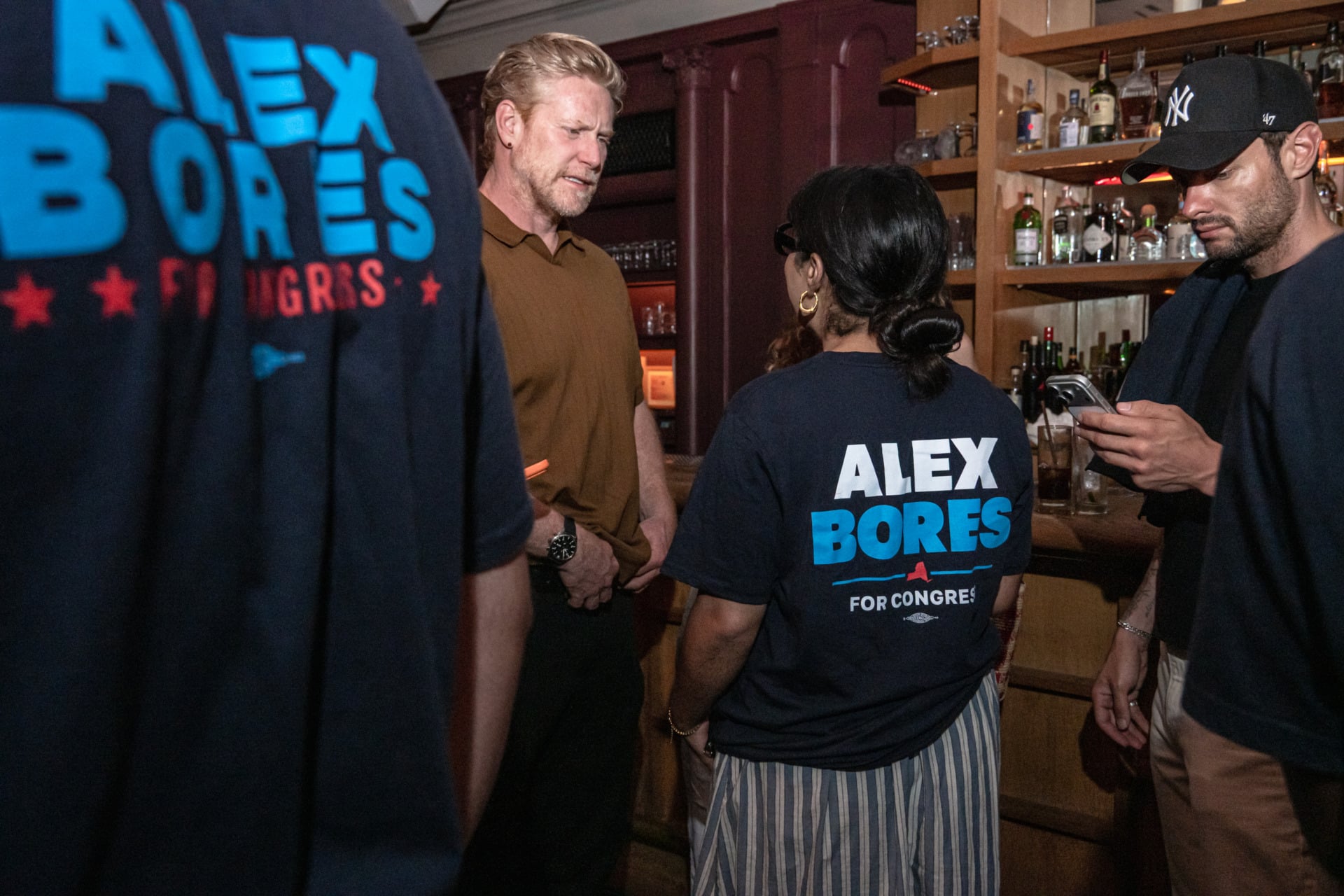
Outside groups spent more than $40 million on the race to replace retiring Rep. Jerry Nadler’s seat in the 12th congressional district in Manhattan. Among the eight candidates running, most of that money was spent on assemblymember Alex Bores, a divisive figure for Silicon Valley who has become the poster child for tougher AI regulation.
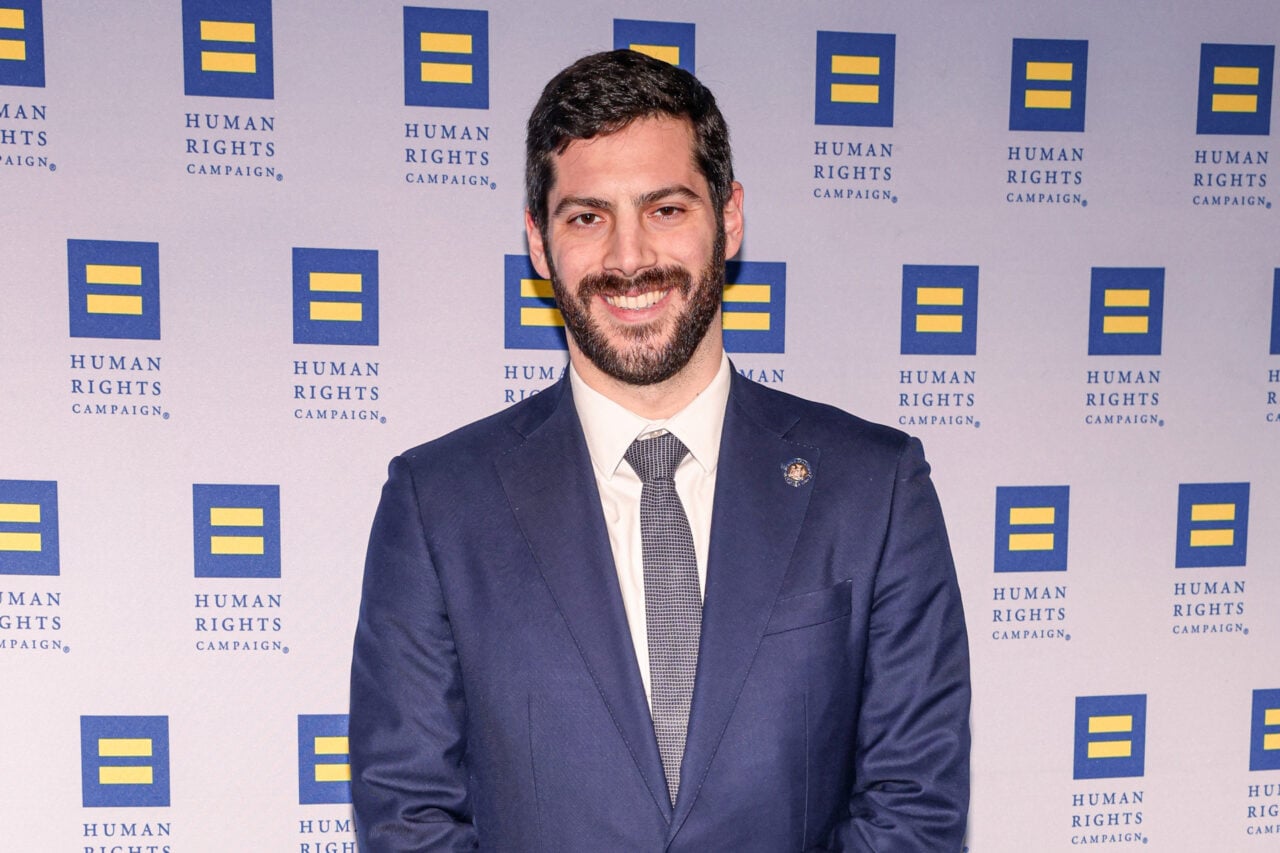
Bores lost the Democratic primary to fellow assemblymember Micah Lasher, with whom it seemed like he was in a head-to-head race in prior polls.
Bores ran on the platform of keeping big tech accountable by gunning for federal-level AI regulation, including through an AI Dividend program that would pay Americans who fall victim to AI-driven job displacement. What first put him on the tech industry’s radar was the RAISE Act, a landmark AI safety bill he sponsored in the New York State Assembly that would require leading AI companies to develop, publish, and adhere to formal safety protocols.
Shortly after he announced his candidacy, Bores found himself at the center of attacks from Leading the Future, a super PAC backed by the venture capital firm Andreessen Horowitz, OpenAI president Greg Brockman, Palantir co-founder Joe Lonsdale, and AI search engine company Perplexity. Leading the Future spent $8 million to make sure Bores did not win the primaries.
But for all in the tech world that fought against Bores’ candidacy, there was also sizable support for him. A combination of super PACs and AI safety groups spent roughly $20 million to support Bores, with the bulk of that money coming from an organization backed by Anthropic. Other major PACs that supported Bores were Dream NYC, backed by Anthropic AI safety researcher Daniel Ziegler, and You Can Push Back, backed by crypto billionaire Chris Larsen.
Suddenly, the race was at the epicenter of an industry-wide civil war. On one side, supporters of stricter federal AI regulation claimed the industry was underestimating or underselling the dangers of underregulated AI development in pursuit of wider profit margins. On the other side, critics claimed strict regulation would hinder innovation, causing the U.S. to lose a global AI race to China, while labeling the opposing view as fearmongering that conceals an attempt at regulatory capture.
Public sentiment against AI and the unprecedented data center buildout has been souring rapidly over the past year as the negative impacts of the technology, from AI psychosis to the strain AI data centers put on the power grid, gain more recognition. The NY-12 race was widely viewed as the first major political litmus test on AI.
“Though we’ve come up short tonight, the example set here was not the one AI oligarchs intended,” Bores said in a statement following the defeat. “They set out to make people afraid to stand up to them. Instead, they learned just how ready people are to push back.”
Bores’s loss does not necessarily mean that more support for stricter federal AI regulation in Congress is off the table. Though Leading the Future campaigned against Bores, it did not explicitly endorse any other candidate in the race. The candidate who did end up winning the primary and is heavily favored to win the seat in November, New York state assemblymember Micah Lasher, was also a co-sponsor of Bores’ RAISE Act, the same bill that disturbed the AI industry and brought Bores into the national spotlight.
“I have some news for the two big AI companies that have taken such an unusual interest in who won this congressional seat,” Lasher said following his win last night. “I won’t be taking my cues from either of you when it comes to protecting our kids, our jobs, and our environment.