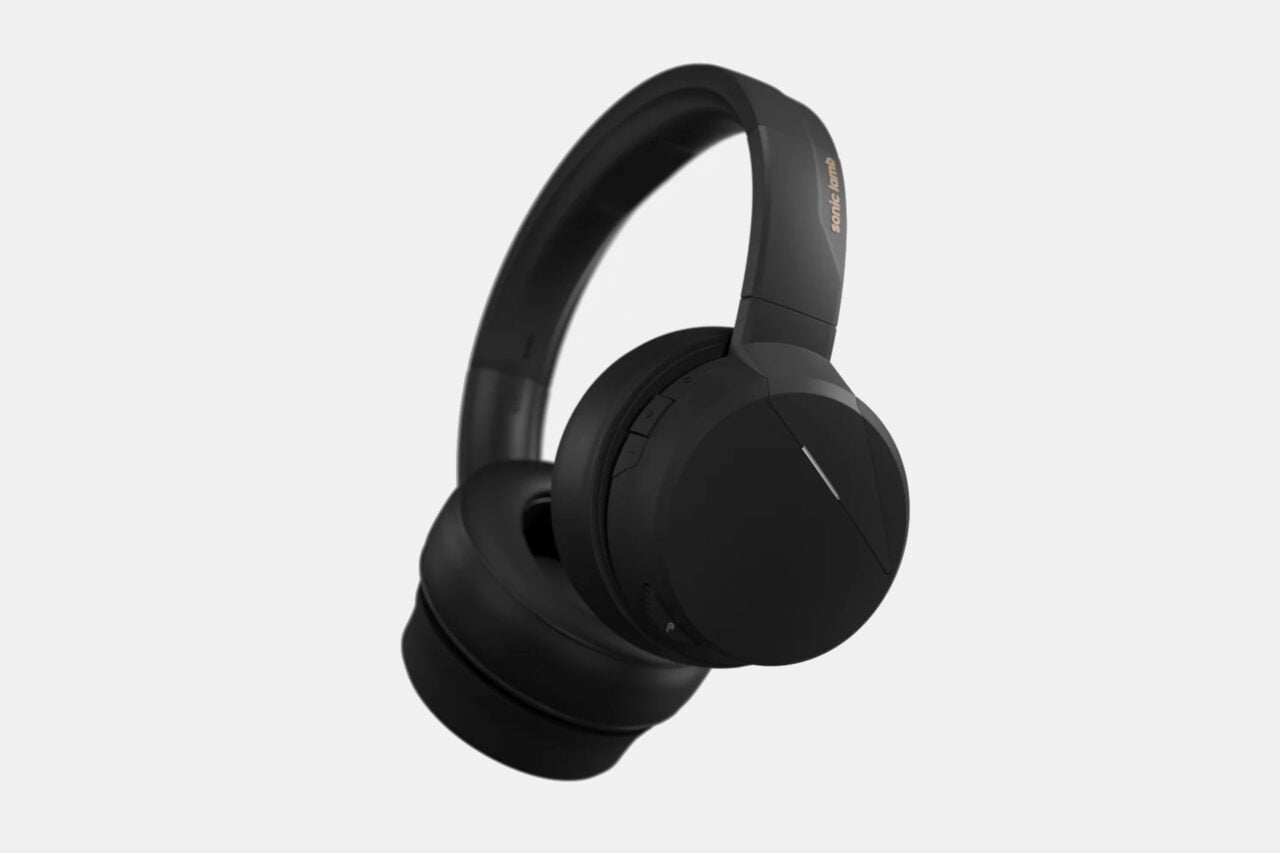
Old dogs can learn new tricks, and apparently so can old guitar companies. Just ask Fender, which has been making a splash lately in the non-music audio world. Earlier this year, it released its first-ever pair of over-ear headphones, the Fender Mix, which are a surprisingly thoughtful debut. They sound good, they’re modular and repairable, and they even have a dongle for 2.4GHz low-latency, lossless audio. In the crowded world of wireless headphones, they make their presence known.
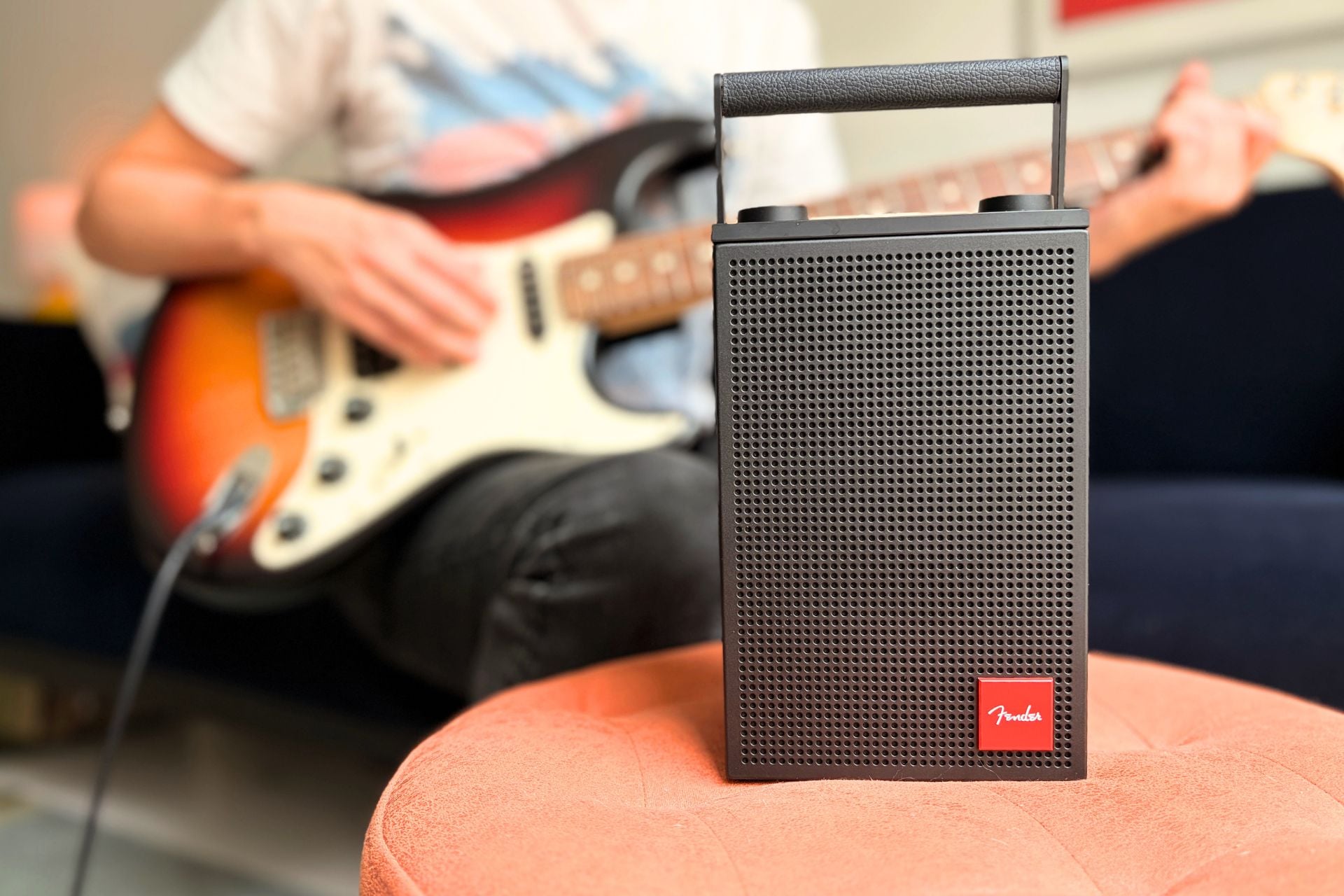
Wireless headphones aren’t the only territory Fender wants a piece of, though; it’s also launched the $299 Elie 6, a Bluetooth speaker that doubles as a guitar amp. I got a chance to test out the Elie 6, and like the Mix, there’s a lot to love—but it’s one missing piece away from being great.
Fender Elie 6
The Fender Elie 6 is a good Bluetooth speaker, but its guitar amp capabilities need work.
Pros
- Sounds balanced and clear
- There's a subwoofer
- Plenty of ports
- Sleek look
Cons
- No app for EQ or anything else
- No built-in effects
- Relatively quiet compared to competition
- Outmatched in sound quality/volume by the Sonos Play
Great Bluetooth speaker, okay amp
When discussing the sound quality of the Elie 6, you have to approach it in two ways. First, there’s Elie 6, the Bluetooth speaker. As a way of playing music, I kind of love the Elie 6. The audio quality is top-notch, thanks to a three-driver configuration: a dedicated tweeter, a full-range driver, and an integrated subwoofer. It’s that last part, the woofer, that gives the Elie 6 an edge over lots of other Bluetooth speakers. I love the bass in the Elie 6—it sounds present, organic, and well-rounded, which is more than I can say for most competitors this size.
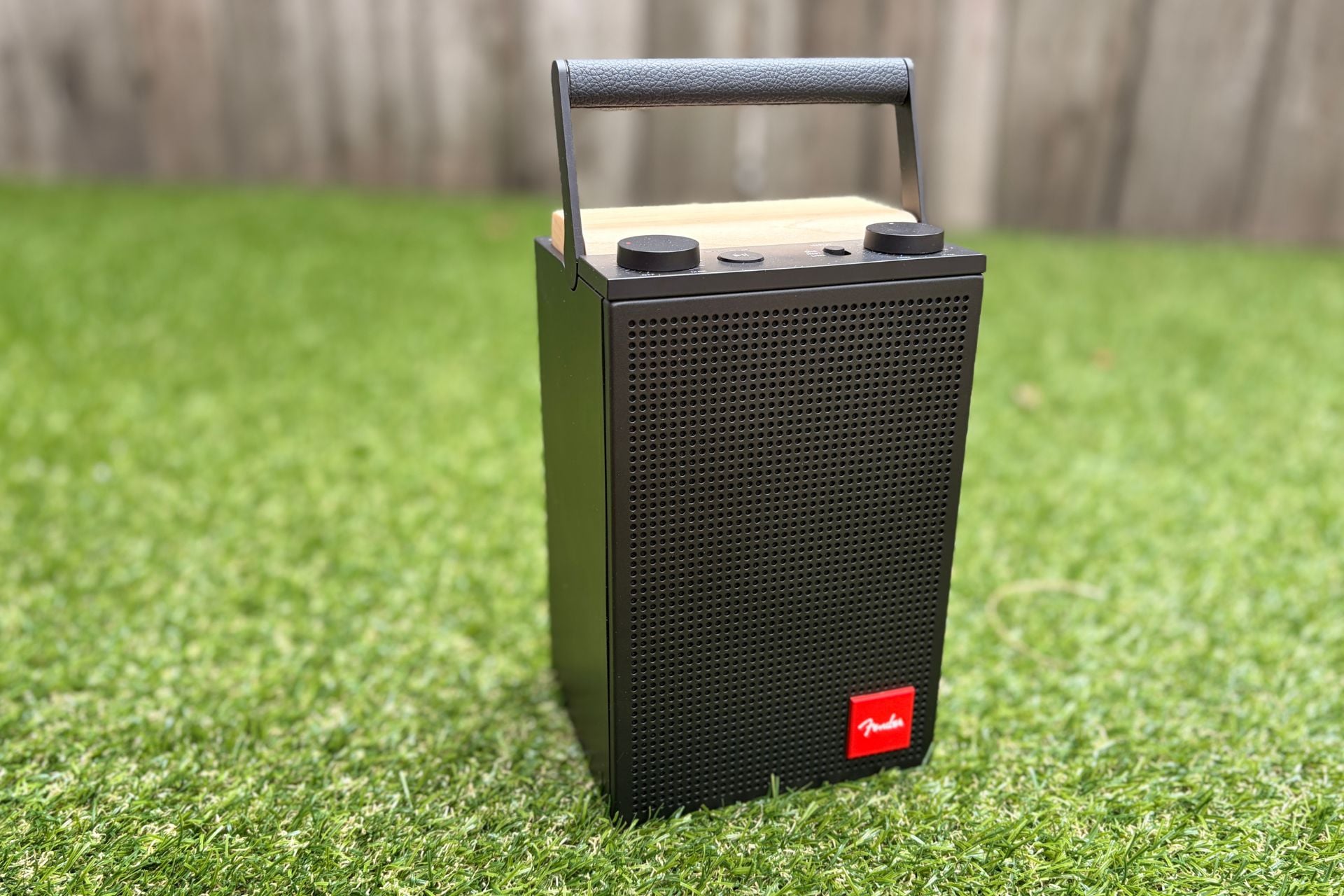
It’s not just the lower octaves that sound great. The Elie 6 performs well across both frequencies and genres. Rock songs like Steely Dan’s “Any Major Dude Will Tell You” sounded nuanced and well-balanced. I could easily hear keys, guitars, and vocals, with bass tastefully forward in the mix. I loved the grit of the bass in more production-heavy pop/rock songs like Mk.gee’s “Alesis,” and the high-frequency snap of the snare didn’t feel tinny or sharp.
The Elie 6 really shows off its range in mellower songs, rendering slow, plodding bass and ethereal synth swirls with ease in Mk.gee’s “Breakthespell” and delivering texture in Squarepusher’s acoustic track “Andrei.”
I love the tuning on the Elie 6 and wouldn’t hesitate to use this as my all-the-time speaker. I like it a lot more than I expected to, and a part of me actually prefers it to similarly priced Bluetooth speakers like the SoundLink Plus from Bose, a company that has been in the speaker game for much longer than Fender. The $299 Sonos Play beats Fender in sound quality, but the Elie isn’t that far behind.
If there’s one thing I can knock Fender for here, it’s that the Elie 6 feels pretty quiet. I tested it at maxed-out volume, back-to-back, against the Sonos Play (also at max), and the smaller, more portable Sonos device blew the Elie 6 out of the water. Fender’s speaker will likely provide more than enough volume for most occasions, but it may not be the right choice if you want something that can really crank.
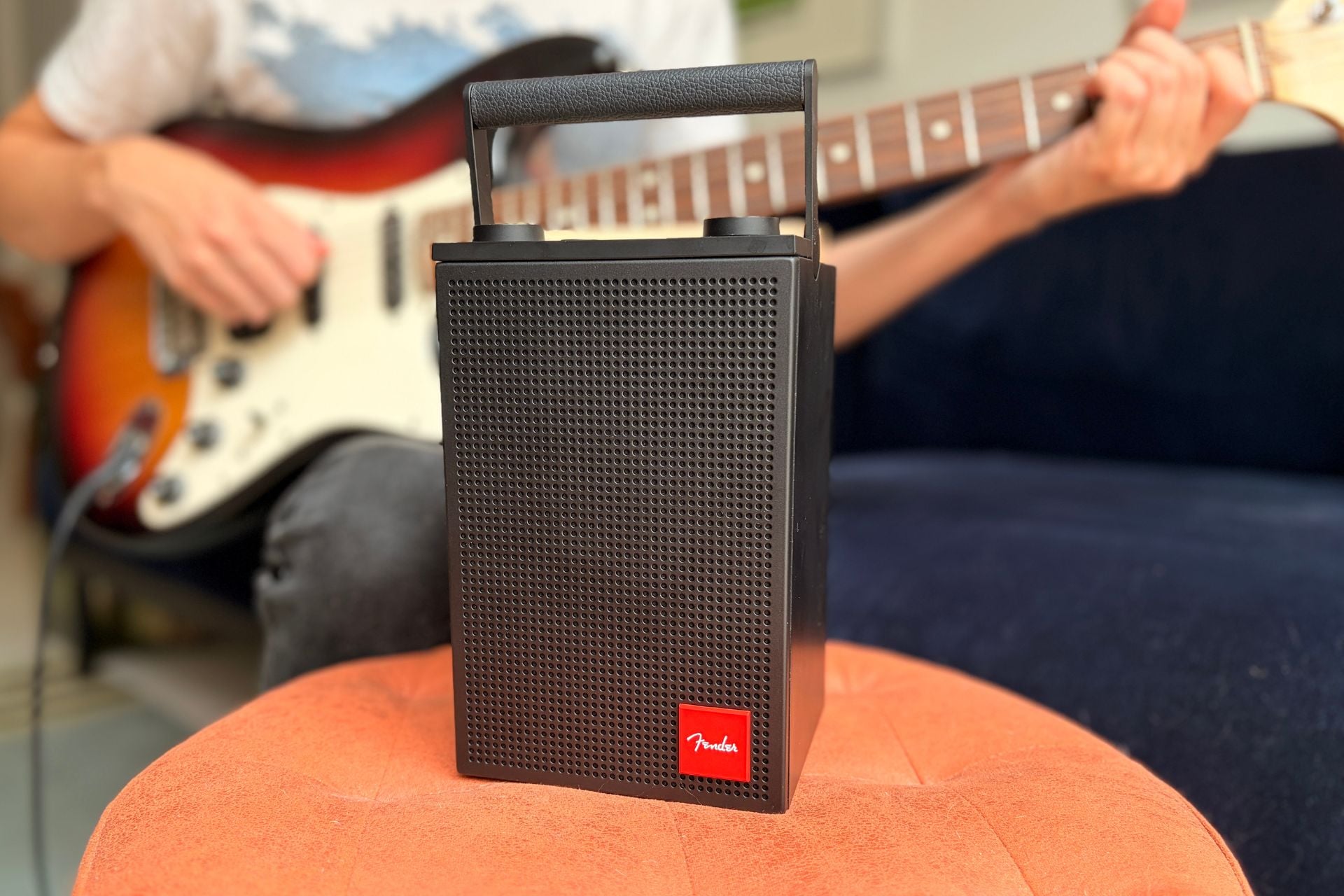
As much as I enjoy the Elie 6 as a Bluetooth speaker, I like it a bit less as a guitar amp. Don’t get me wrong: guitar sounds through the Elie 6 are fine. I plugged in my Fender Stratocaster (fitting, I know) and the tone was clean and audible, despite my crappy quarter-inch cable that likes to cut out. I could easily play along with some jazz tracks I like. But I still found the overall experience disappointing. There are no built-in effects, so if you don’t have a pedal or pedalboard, you can only play clean tones. Compounding the issue is that there is no app, meaning you can’t change the tone digitally.
Compare that to one of my favorite music gadgets of this year, JBL’s $250 Bandbox Solo, and the Elie 6 feels extra lacking. Though the Elie 6 sounds better than the Bandbox Solo as a Bluetooth speaker, the ability to use JBL’s app to create all sorts of digital effects and load them onto the device makes the latter feel much more versatile. Given that Fender is primarily a guitar company first, I would have loved to see a bit more of its DNA in the Elie 6.
For folks who have their own pedalboards, this all won’t matter too much. But the broader point still stands: the Elie 6 is mostly a Bluetooth speaker, with a bit of guitar amp sprinkled in.
The look, though
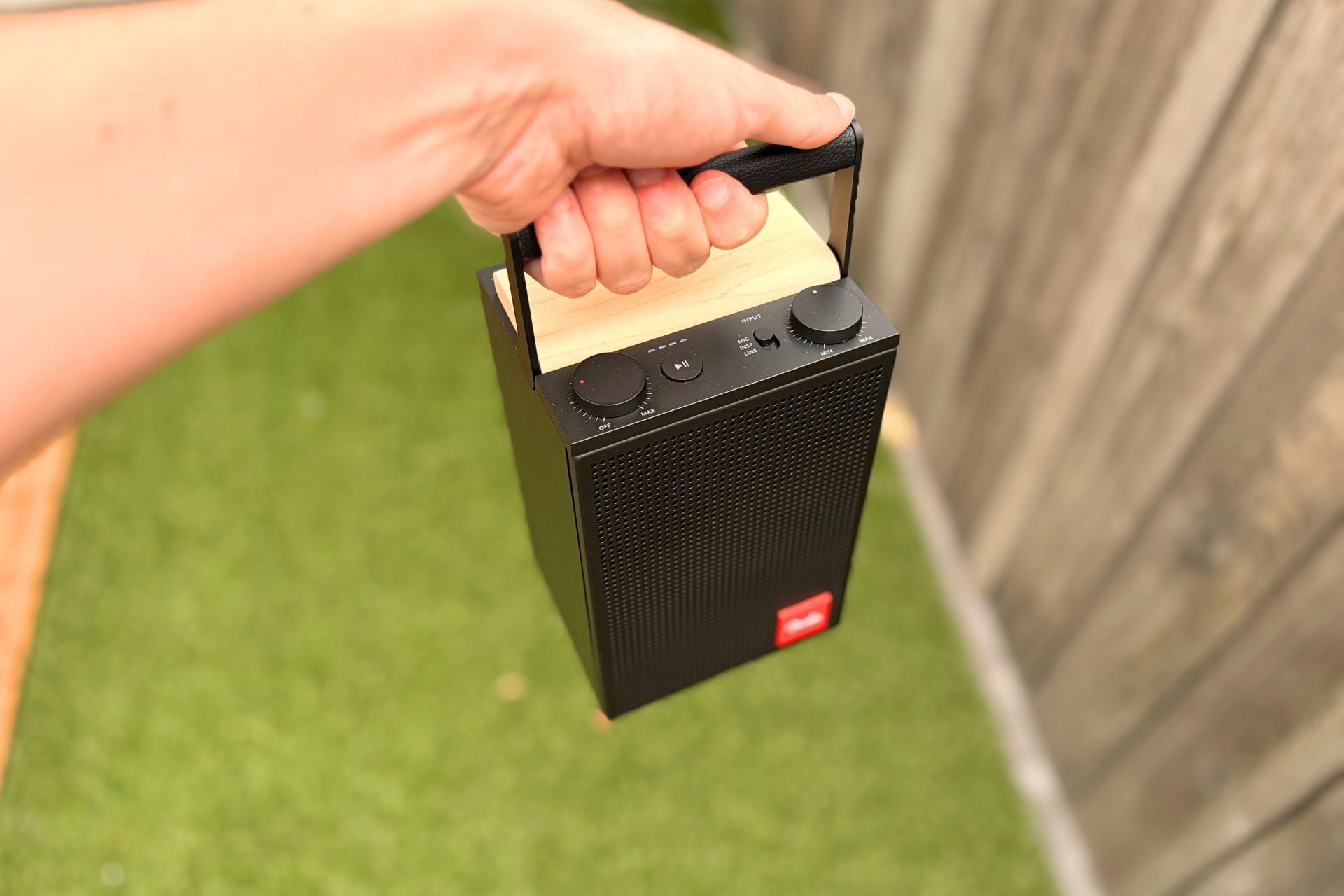
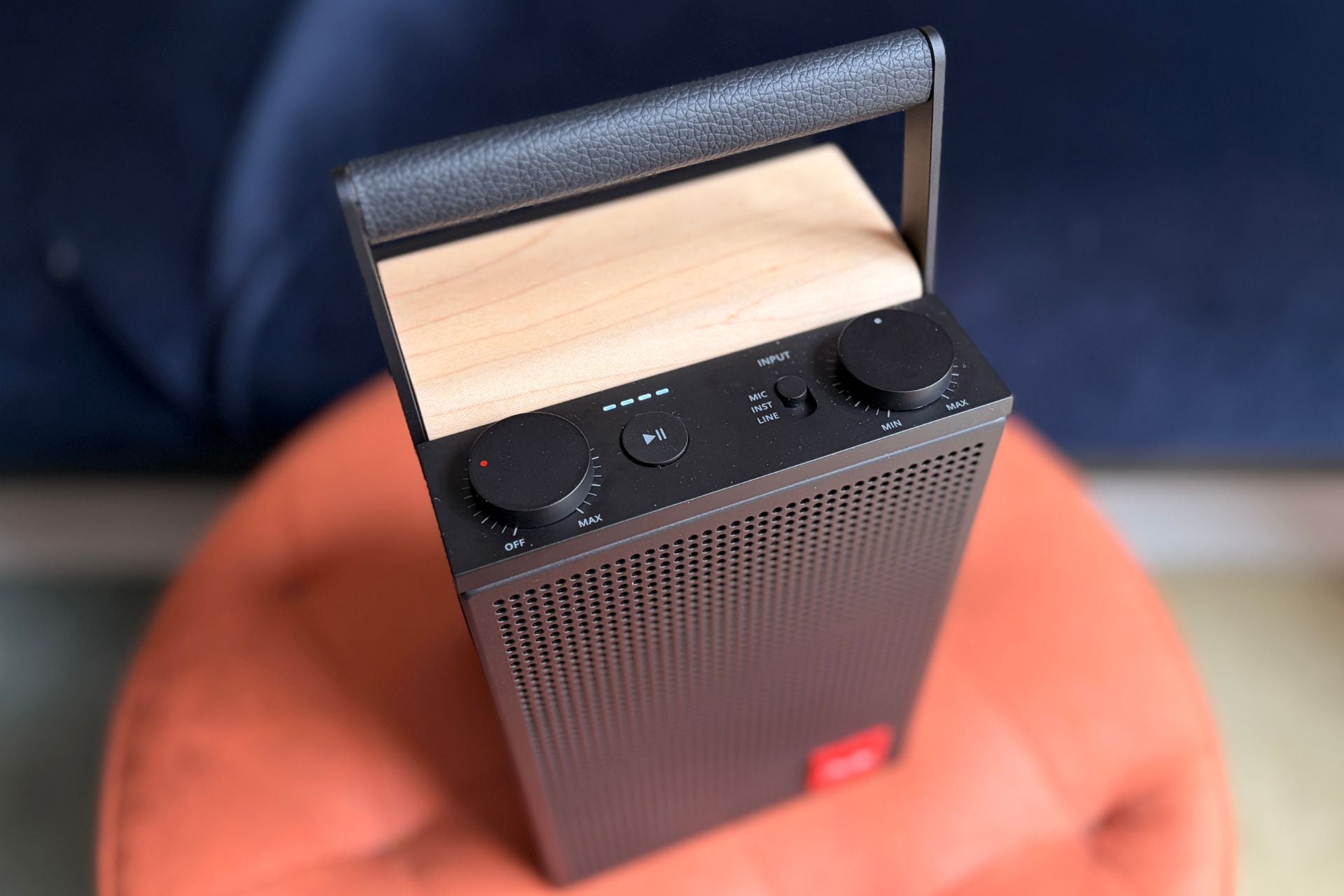
Fender’s Elie 6 might fall short in the guitar amp department, but when it comes to looks, things are a different story. I love the design of the Elie 6, right down to the unnecessary piece of wood on the top. I love its rectangular shape and its little Lunchox handle. I’m also a big fan of the physical volume knobs on top, which are smooth and feel nice to turn. The knob on the left controls the Bluetooth audio volume, while the one on the right controls your input volume, in case you were wondering.
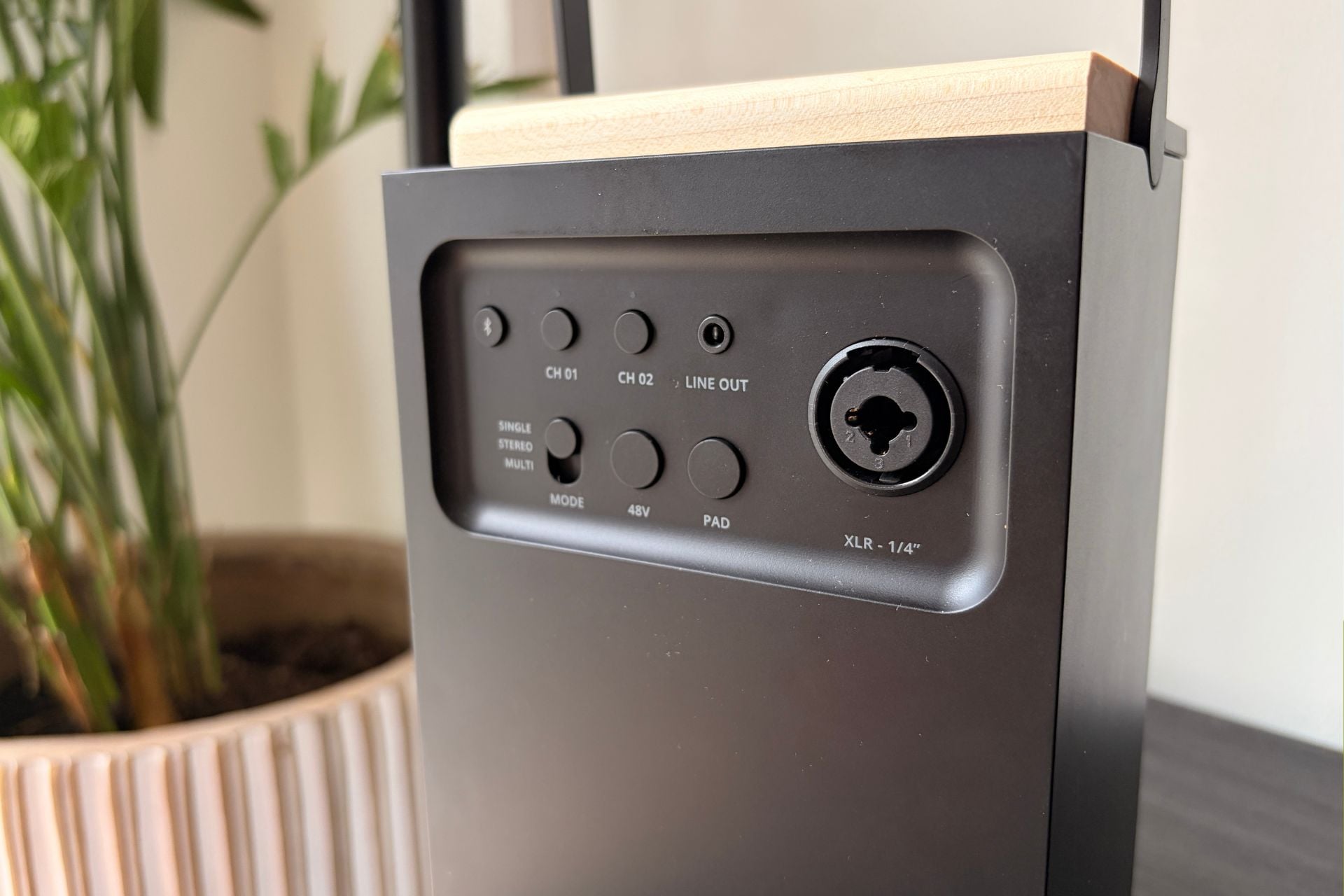
This Bluetooth speaker also has all the ports you’d want, including a 3.5mm line-out and a combo 1/4-inch/XLR input so you can hook in a guitar or mic. There are more nice flourishes here, too, including a 48V button you can press to enable phantom power on a microphone. There’s also a PAD button that lowers the aux input signal, which can come in handy if whatever you wired in is too hot and clipping. On top of all that, there are channel buttons that allow you to pair a wireless accessory. To pair, just hold the button to link stuff like a low-latency microphone—or two, even!
I didn’t have the proper gear to test all of the above, but knowing it’s there, I am going to give the Elie 6 hypothetical points, since these aren’t things you can find on any old Bluetooth speaker. It’s clear that Fender put a lot of thought into the connectivity here—which, I’ll admit, does make the Elie 6 feel like a proper guitar amp, even if it lacks the EQ and effects of most modern amps.
Battery life is also quite good. Fender says the speaker is rated for 18 hours on a single charge, and that tracked in my testing. After 1 hour of use, iOS reports that the Elie 6 dropped from 100% to 95% while playing at 50% volume. After two hours, it was down to 91%. Obviously, this all depends on the volume you’re listening at—the louder you go, the less battery you’ll get—but it’s still pretty solid.
Hot rod or Fender bender?
If you want a guitar amp, buy a guitar amp. If you want a speaker you can sometimes use as a guitar amp, the Elie 6 is a decent option. I would have loved to see Fender do more here with app support, or at least include some kind of built-in effects, but if you have your own gear at home, that omission won’t matter as much.
Still, part of the appeal of gadgets like this is that they’re all-in-one. JBL’s Bandbox Solo, for example, can do basically everything you need—simulate amps, program drums, make stems out of Bluetooth audio tracks. It’s a much more capable machine for a lower price. Sure, the Elie 6 has better sound than the BandBox Solo, but I’m not sure that it’s a big enough difference to warrant choosing Fender here.
More than anything, the Elie 6 is a good Bluetooth speaker with glimmers of greatness. The lack of app support is disappointing, but I’m still looking forward to where Fender brings this stylish, good-sounding speaker next.
Correction: A previous version of this article stated the Fender Elie 6 has a 3.5mm line-in port. We’ve corrected it to line-out port.