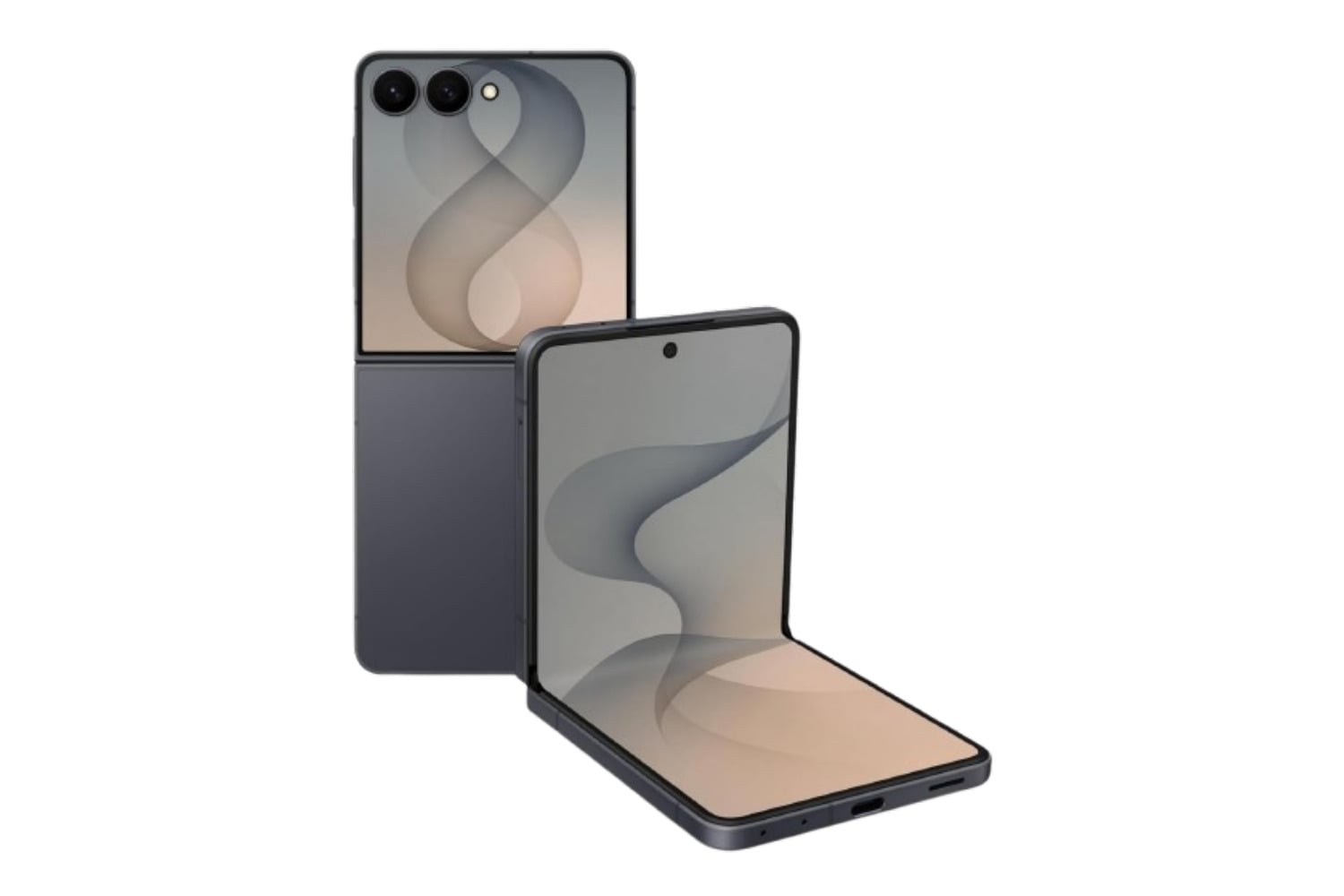
When Samsung unveiled the Galaxy Z Flip8 in July, the headline was an unwelcome one: the phone cost $100 more than the Flip7, with the company pointing to rising memory prices across the industry. Four months later, that increase is more than gone, as the unlocked Galaxy Z Flip8 with 256 GB of storage drops from $1,199 to $999 on Amazon. That puts Samsung’s newest flip phone below the $1,099 the Flip7 cost at launch a year earlier.
The Flip8 is a refinement rather than a reinvention, and Samsung has focused on the two things flip-phone buyers care about most: how small it is in a pocket and how much you can do without opening it. At 180 grams and 6.1 mm thick when unfolded, it is the lightest and thinnest Flip Samsung has made, 8 grams lighter than the Flip7, and it folds down to 13.1 mm. Open, the 6.9-inch Dynamic AMOLED 2X display refreshes at up to 120Hz, which makes it feel like any full-size flagship.
A Cover Screen That Does More of the Work
The 4.1-inch FlexWindow on the outside is where most of the changes are. With One UI 9, it gives access to an apps tray, customizable widgets, notifications, music controls and Samsung’s Now Brief summaries, plus Galaxy AI tasks, all without unfolding the phone. That is the real appeal of a Flip for me: checking a message or the next train while the phone stays closed, rather than opening a big screen and getting pulled into an endless scroll.
The camera setup pairs a 50 MP main sensor with a 12 MP ultra-wide, and the folding design remains its best trick. Half-open on a table, the phone becomes its own tripod for hands-free group photos or video calls, and the FlexWindow lets you frame a selfie with the main camera rather than the 10 MP inner one. Samsung has added Photo Assist, AI-powered bokeh and Super Steady video with horizon detection for shooting on the move.
Inside, the Flip8 has 12 GB of RAM and 256 GB of storage, along with a 4,300 mAh battery that supports 25W wired and 15W wireless charging. Samsung also built in a digital wallet for payment cards, boarding passes and IDs, and it has made switching from an iPhone easier, with tools to bring over photos, contacts, alarms and passwords.
The compromises are the familiar ones for this format. The battery capacity hasn’t changed from the Flip7, so a heavy day of use can still end with a charger, and 25W charging is slow next to many Android rivals. The cameras are also the same hardware as last year, with improvements coming from processing rather than new sensors. And while the FlexWindow does more than ever, not every Android app runs on it, so some tasks still require opening the phone.