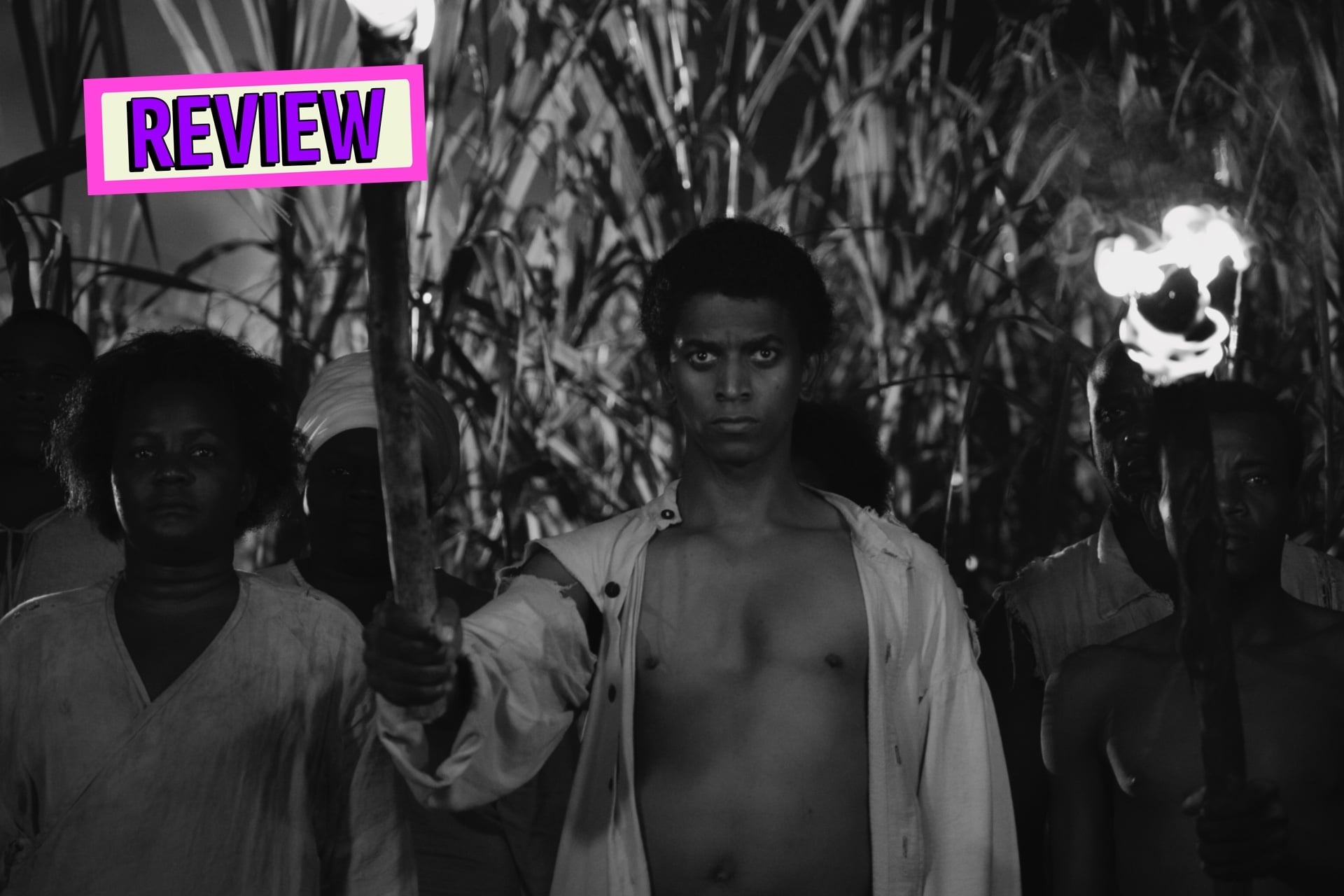
Zombies are inescapably everywhere in pop culture. The Walking Dead is still shuffling along with its spin-offs. Zach Cregger’s Resident Evil movie is arriving later this month, and another 28 Years Later entry is gobbling brains on the horizon. And that’s just new releases; now that Halloween is creeping closer, scary-movie fans will plan re-watches of George A. Romero’s classics and all the tales of undead flesh-eaters that followed in his wake.
The idea of human beings, especially loved ones, returning from the grave in a gruesomely altered and terribly hungry state is an effective source of horror. But the frights go much deeper than that, as the excellent new documentary Black Zombie explores. Maya Annik Bedward’s film excavates the real-world origins of the zombie, bringing new and essential context to one of the genre’s most enduring monsters.
In doing that, Black Zombie also explores the misunderstood religion of Haitian Vodou, both in its origins as a tool of colonial resistance and its continuing existence as a deeply spiritual practice. Among Bedward’s interview subjects is a Vodou priest who’s clearly been burned by past projects in a similar vein, telling the director he wants to believe that her film won’t just be another exploitative text, but he’s not sure if he can trust her.
Watching the finished film, it’s clear Bedward’s intentions were to educate and illuminate, which she does through a raft of interviews, film clips, reenactments, documentary footage, and clever moments of animation. That Black Zombie is also quite entertaining—and is able to admire, for instance, Dawn of the Dead’s innovative splatter even as it probes the problematic framework that brought zombies to prominence in Hollywood—is a noteworthy accomplishment.
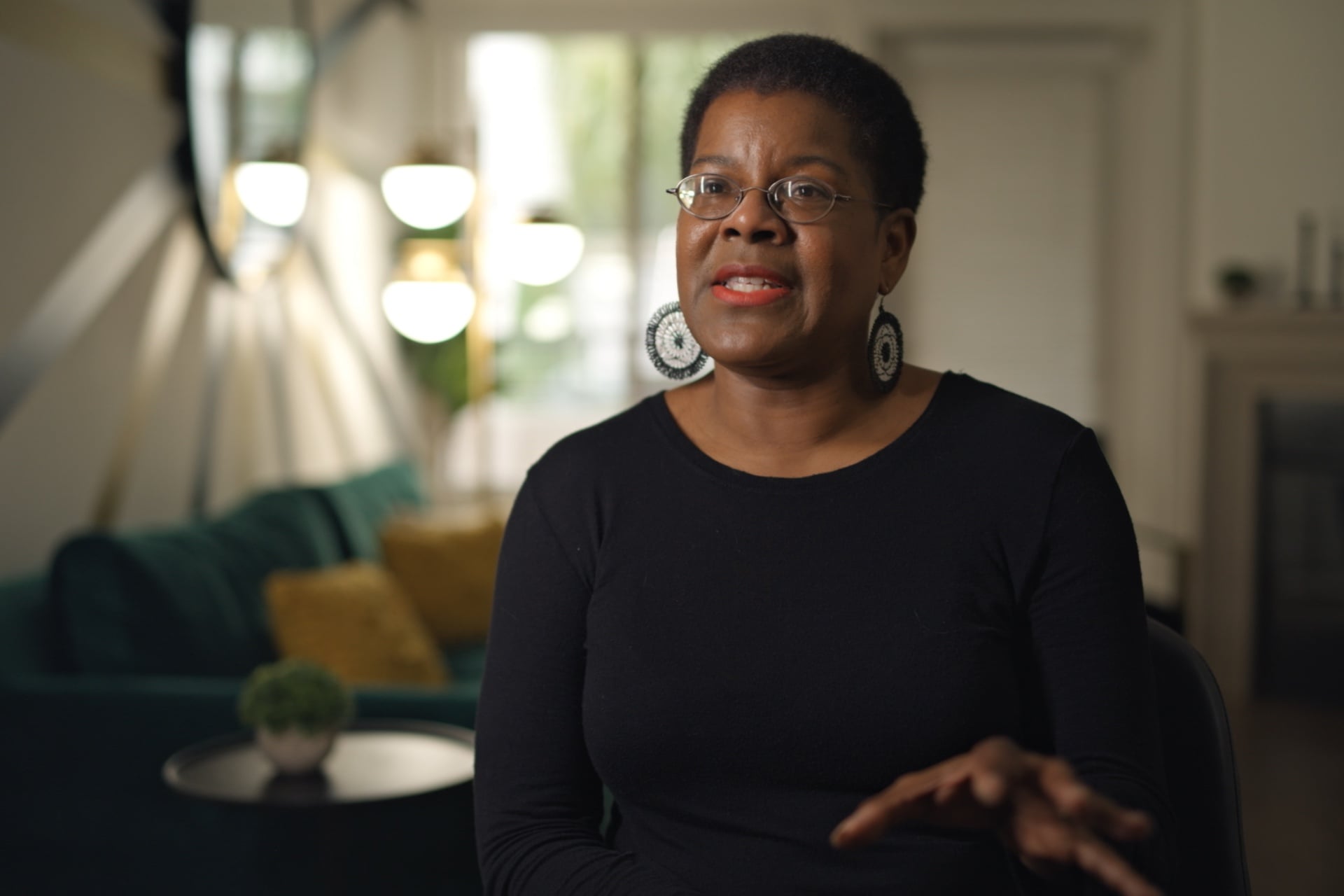
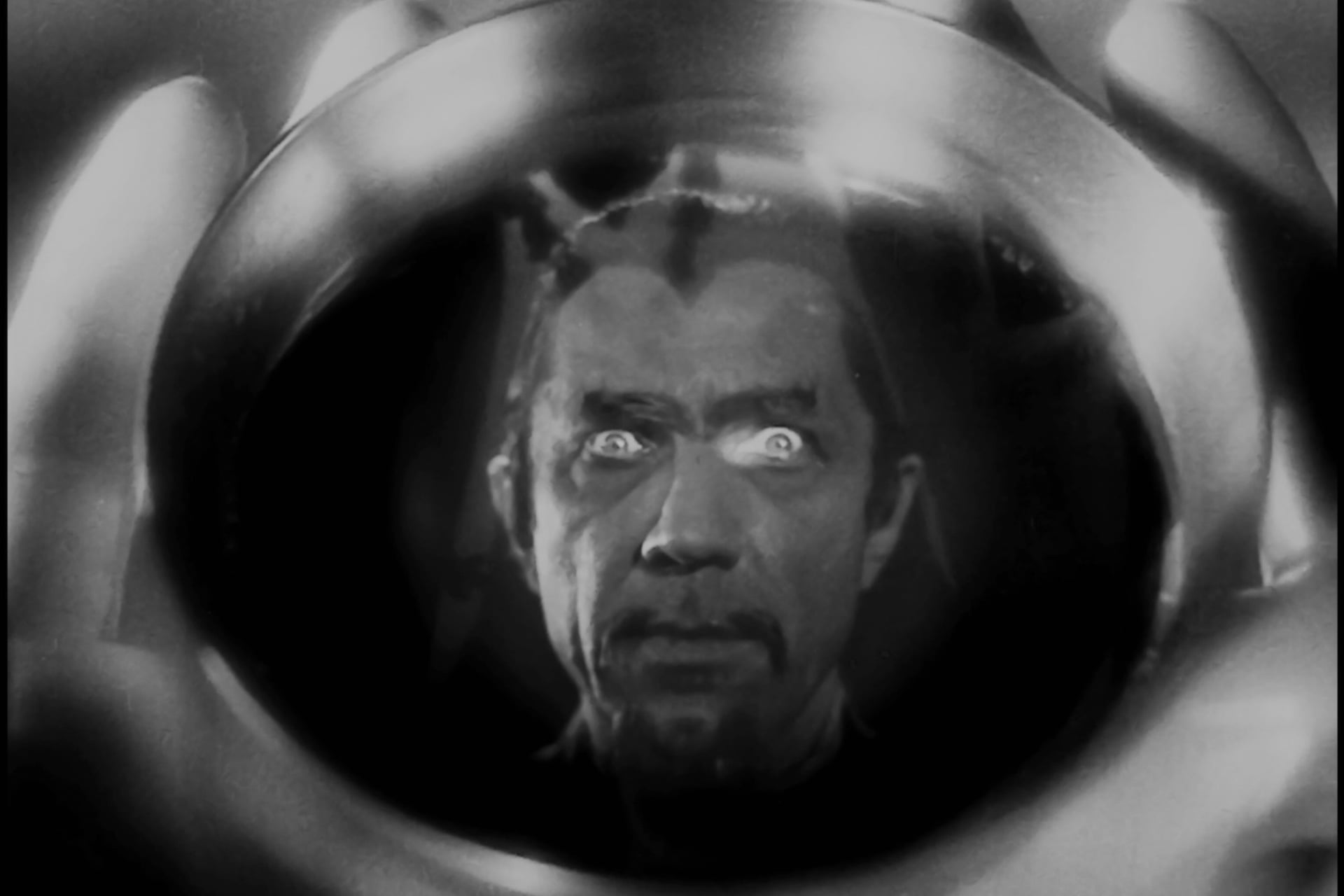
Black Zombie is loosely organized into chapters, starting with “The Crossing,” which takes us back to 1790s Saint-Domingue, as Haiti was known during its time as a French colony that amassed great wealth on the backs of enslaved people. We also learn about William Seabrook, an eccentric, self-styled American explorer whose popular 1929 book The Magic Island introduced zombies to the West—and subsequently Hollywood, which adapted it into the 1932 Bela Lugosi film White Zombie.
As you might guess, The Magic Island leaned into racist stereotypes and cultivated a sinister mystique around Vodou, as well as formulating an enmeshment of Vodou and zombies that pop culture is still invested in. Black Zombie’s commentators, including horror author and scholar Tananarive Due, point out that White Zombie and other movies of its ilk perpetuated the idea that Black religion could lead to monstrous places, building on the “fear of natives” mindset that was mined for nightmare fodder in less culturally sensitive times.
As we move into “Dawn of the Flesh Eaters,” Black Zombie brings in legendary special effects make-up artist Tom Savini and Night of the Living Dead co-writer John Russo to talk about Romero’s legacy and impact on the genre. In his films and those that followed in their shambling footsteps, there was a shift away from the creature’s “exotic” origins, even with that historical subtext still lingering.
And as Black Zombie also examines, even post-Living Dead films couldn’t resist returning to Haiti, with the nonfiction book The Serpent and the Rainbow and the subsequent Wes Craven film adaptation getting a particular spotlight. Author Wade Davis proves a particularly fascinating presence; he knows the movie made from his best-seller is problematic, but he enjoyed its financial rewards, and he also views his time in Haiti as just one chapter of his career. “I simply moved on” after he was done with his research there, he says. Meanwhile, the reality that the material he put out into the world is still making an impact on perceptions of Haitian Vodou nearly 40 years later hangs in the air, unavoidably.
“The Uprising” then takes us into the Haitian Revolution, which famously commenced with a Vodou ceremony, and digs into Haiti’s subsequently rocky history as a country unable to break free of a colonial system that used financial power to repress it for generations. As Black Zombie finds, demonizing Haitian people and their religious beliefs has long been used to justify treating them as othered and less than, and that’s something that has persevered. There’s an awful archival clip of televangelist Pat Robertson insisting that the 2010 earthquake that devastated the island was payback for a “pact with the devil” made by Haiti’s 18th-century enslaved population.
Black Zombie is the rare film that will appeal to both horror fans and history buffs. It challenges its audience to reconsider clichés and heighten their awareness about where zombies come from. But it also fully understands why zombies just won’t die—and invites you to enjoy them with this new perspective in mind.
Black Zombie opens September 11 in New York and Los Angeles, with a national expansion to follow.
Want more io9 news? Check out the best movies and TV shows to stream this month and all the upcoming sci-fi, fantasy, and horror books that should be on your radar.