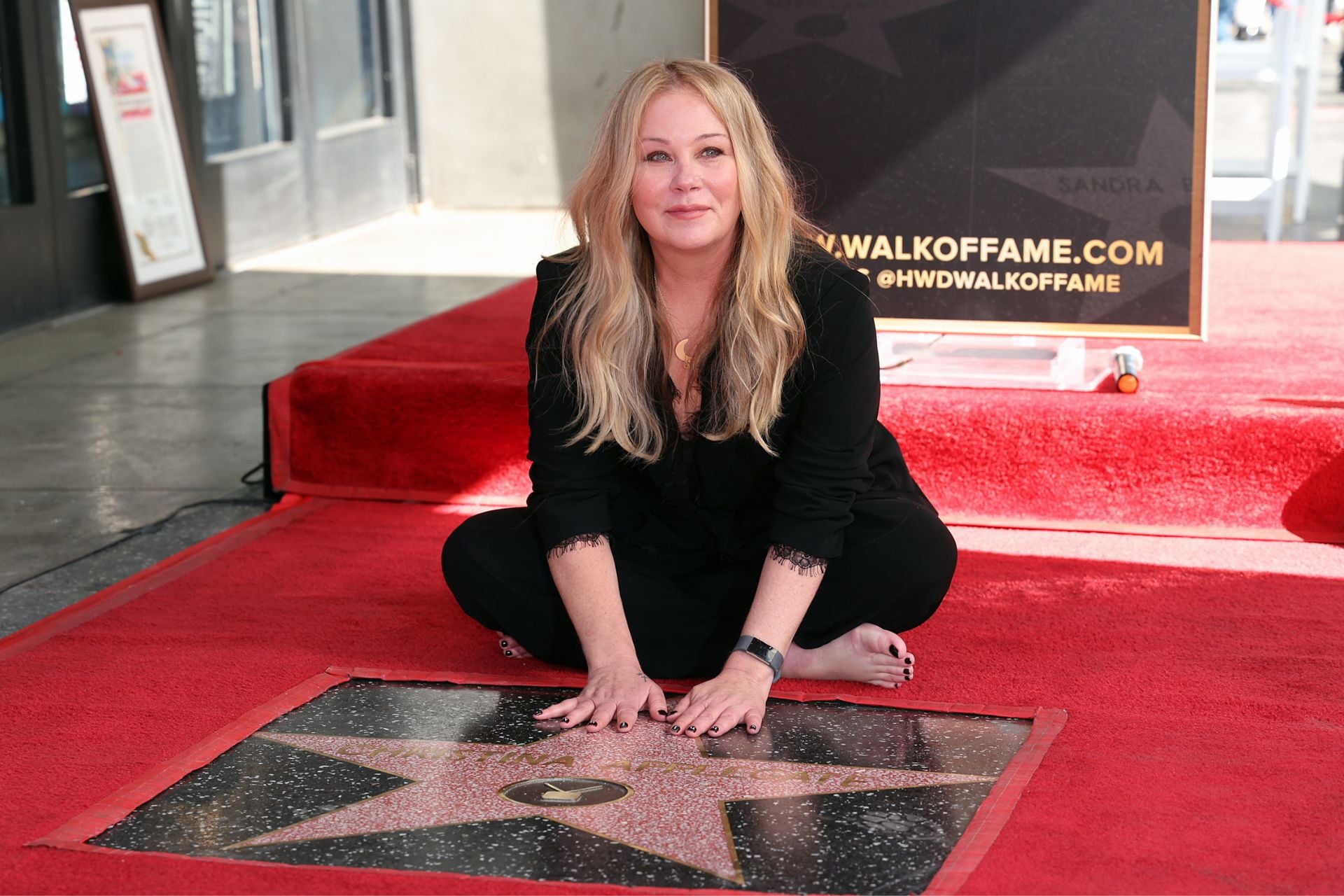
For several years now, long-time TV and film actor Christina Applegate has allowed the public to tag along on her journey of living with multiple sclerosis. Earlier today, however, she announced that MS doesn’t appear to be the cause of her chronic health issues.
On Tuesday, Applegate returned to the MeSsy podcast that she founded with fellow actor Jamie-Lynn Sigler, who also has MS, after a months-long absence, in which she explained the turn of events. Unfortunately, such misdiagnoses are fairly common due to the perplexing nature of MS. At this point, Applegate’s doctors are still trying to figure out the exact source of her ongoing symptoms.
“I haven’t gotten better, Jamie! If anything, I’ve gotten worse. So I’m back at square one, where I don’t know what’s going on with me,” Applegate said in the first half of the two-part episode released Tuesday.
Applegate’s history with MS
Multiple sclerosis is an autoimmune condition that damages a person’s myelin sheath, the protective layer that covers our nerves. People with MS experience many neurological symptoms, including numbness, muscle weakness, pain, and difficulty walking. Often these symptoms will first show up as momentary episodes of illness, but many patients eventually experience steadily worsening issues and declining quality of life. Though MS is likely caused by a combination of factors, scientists in recent years have strongly linked its emergence to certain germs such as the Epstein-Barr virus.
Applegate first disclosed her MS diagnosis in August 2021, while filming the last season of the TV show Dead to Me. Earlier in the year, she began to experience symptoms like tingling limbs, but by that summer, she had enough trouble walking that she required the use of a wheelchair at times. Though Applegate did complete her work on the show, she subsequently retired from on-screen acting. In March 2024, Applegate started the MeSsy podcast with Sigler, best known for her role on The Sopranos, featuring conversations with guests about living with MS and other chronic diseases.
In March of this year, they announced the podcast would go on a brief hiatus for several weeks due to the pair focusing on their respective book launches. In late March, Applegate was hospitalized, though the cause of her stay was not disclosed. When the podcast came back in April, only Sigler returned, hosting episodes on her own for the next six months. Upon returning this week, Applegate revealed that she had taken time off the podcast partly to process learning earlier in the year that she had been misdiagnosed.
“[My doctor] came into my room and said, ‘Congratulations, you don’t have MS,'” Applegate said in the episode. “I was, like, not happy at all. Everybody else was so happy.”
The trouble with MS diagnosis
In the second half of their return, Applegate and Sigler brought on Marwa Kaisey, an associate professor with the Cedars-Sinai Medical Center department of neurology, to discuss the common phenomenon of MS misdiagnosis.
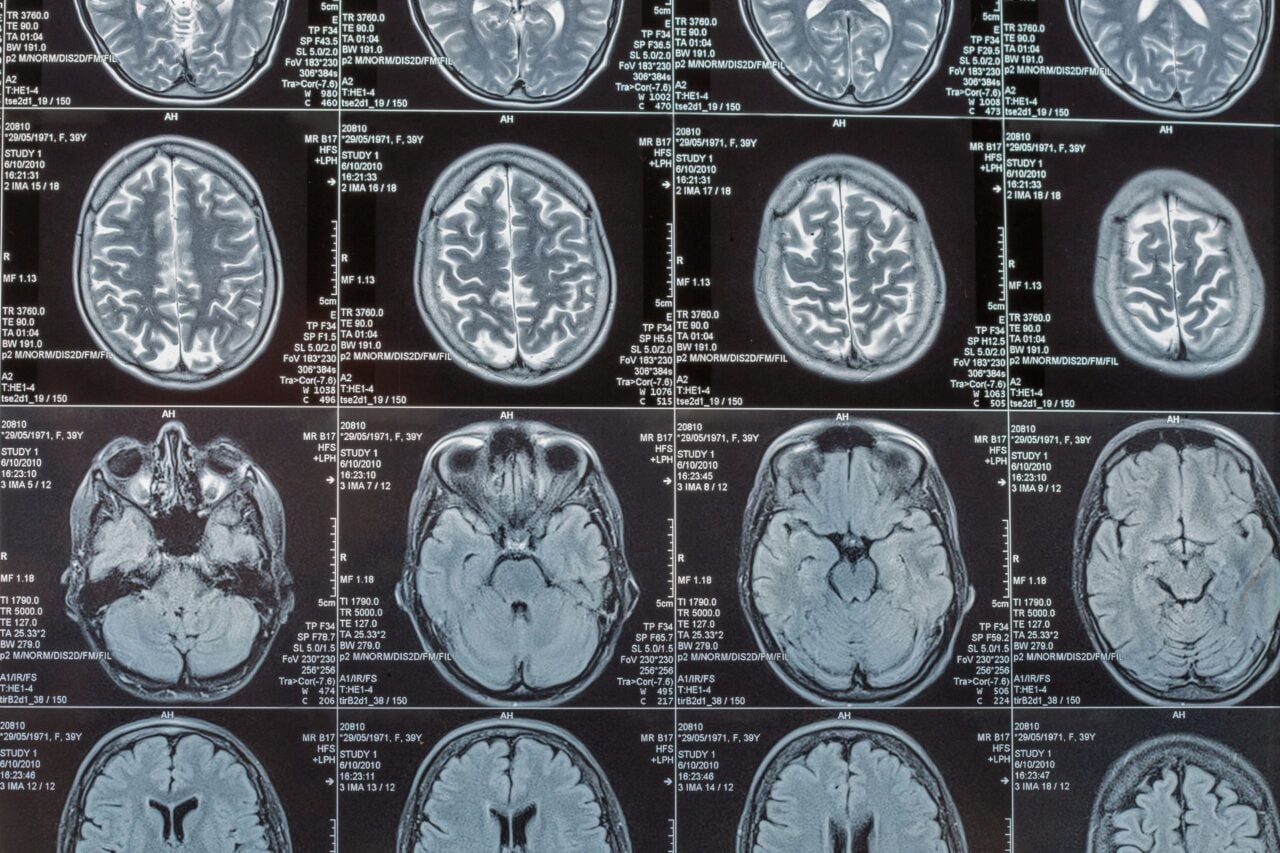
MS is typically confirmed through a list of criteria, which includes scarring or lesions along the central nervous system detectable on MRI scans. However, there is still no single definitive test for MS, and other conditions can mimic some of the same symptoms of MS or produce similar findings on MRI scans or other tests used to diagnose it. Kaisey referenced her own research, published in 2019, showing that at least some people initially diagnosed with MS are later found to not have it at all. Her study found that roughly 18% of new MS patients admitted to two specialist clinics were ultimately misdiagnosed. Often, these patients had already started therapies intended to slow MS progression. Among patients given an alternative diagnosis, the most common were migraine (16%), radiologically isolated syndrome (9%), spondylopathy (7%), and neuropathy (7%).
Unfortunately, Applegate’s doctors still don’t seem to have a clear explanation for her symptoms and what’s going on with her body. And learning that she doesn’t have MS hasn’t really brought her any relief.
“I still have to use wheelchairs when I go to the doctor’s office. I can’t walk from the car to the room. I’m still in this,” she explained. “Nothing magical happened when she said, ‘You don’t have MS.’ Nothing magical happened.” For now, Applegate still sees her life living with chronic disease as “the same game with a different name.”
It’s estimated that nearly one million Americans have been diagnosed with MS, according to the National MS Society, while roughly 3 million people worldwide are estimated to have it.