Threatened on multiple fronts
We’re currently in a bad era for life on Earth, what with the sixth mass extinction and all that. Climate change, habitat destruction, pollution, and other human activities are imperiling (most) biodiversity.
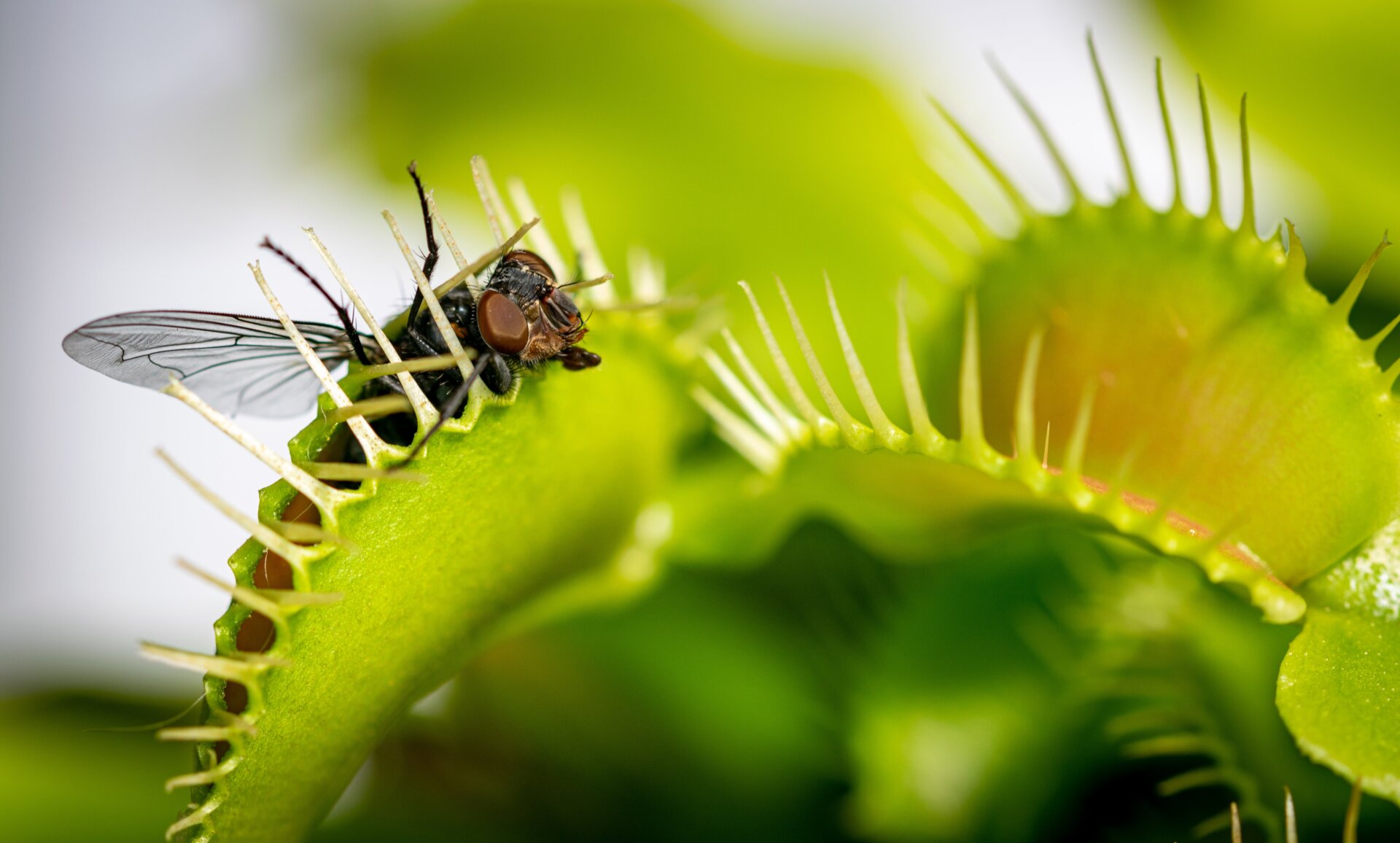
Unfortunately for carnivorous plants, things are even worse. “These plants are the canaries in the coalmine,” said Rice. They’re highly sensitive to pollution, because pollution usually means things like nitrogen and phosphorous. When a formerly nutrient-poor bog gets an influx of nutrients, “the ecosystem starts to malfunction,” and carnivorous plants are forced out.
Climate change is extra-bad news, too, because carnivorous plants are so fragmented across the landscape, said Ellison. They’re found in small pockets where the habitat conditions are just right. Unlike other plants that grow more continuously over large areas, carnivorous plants can’t easily spread north or up in elevation to stay in their ideal climate zone.
Plus, in some ways, the weirdness of pitcher plants, flytraps, and sundews is contributing to their vulnerability. There’s a large community of interested collectors, which can lead to poaching. “One person, in one afternoon, could wipe out a local population without any problem,” said Ellison.
The botanists I visited the sundews with in California were clear: Don’t reveal the plants’ exact location online. Plant poaching has become an increasingly big issue in the state.