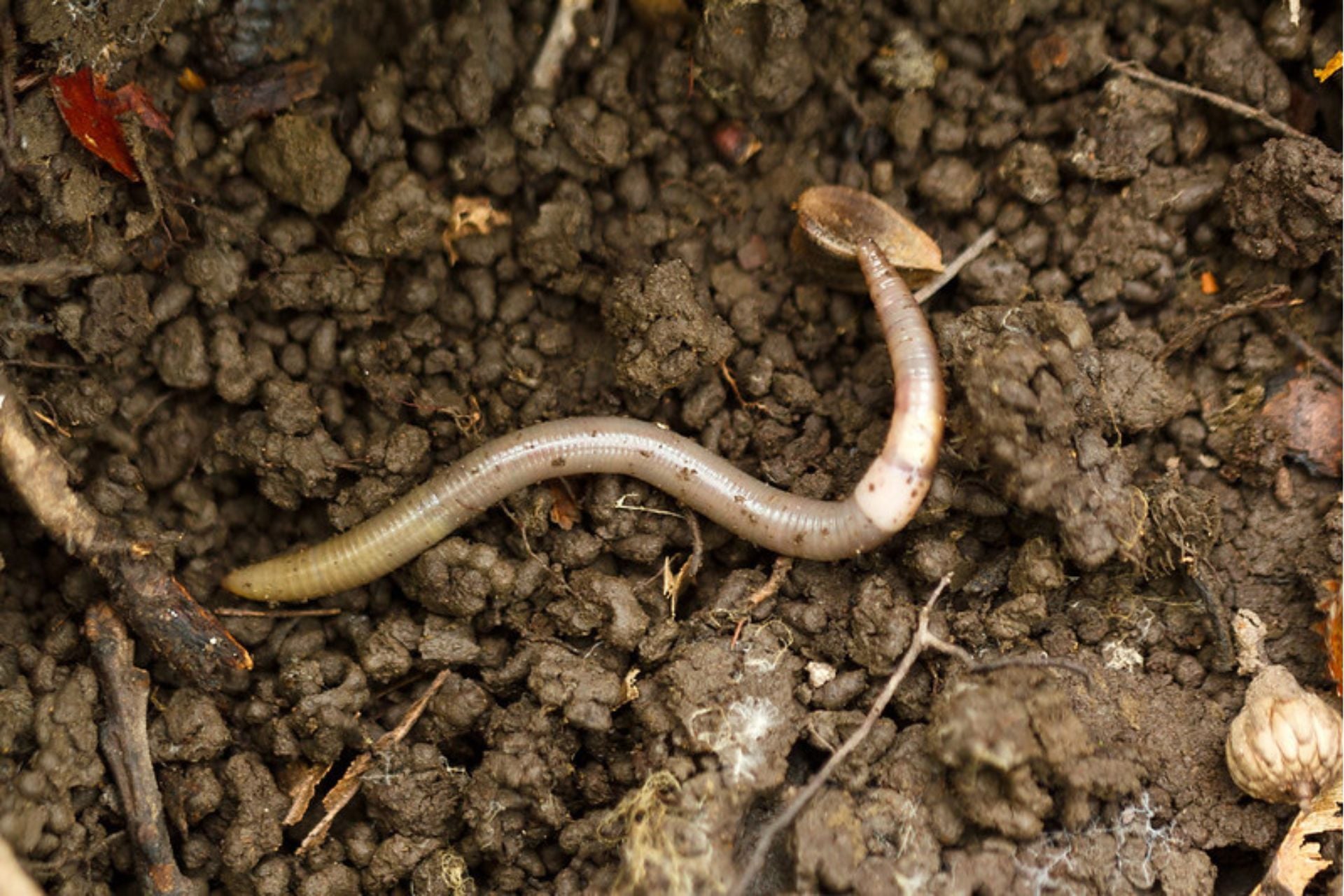
Agriculture officials are sounding the alarm over a destructive invasive pest that is rapidly spreading across the United States. Asian jumping worms, also known as “snake worms” or “crazy worms,” were already established in much of the East, Midwest, and parts of the Northwest, but now, they are threatening ecosystems in Colorado.
On Tuesday, the Colorado Department of Agriculture urged nurseries, landscapers, and landowners to be on the lookout for this “aggressive” species, which was first detected in the state in October 2025. Jumping worm cocoons are hardy and tiny—about the size of a mustard seed. They can survive the winter and easily spread in soil and mulch and on landscaping or farming equipment.
When the worms hatch in the spring, they devour organic matter much faster than other earthworms, stripping soils of the critical top layer needed to support native plants, wildflowers, and forest ecosystems. They could even exacerbate drought in the already parched state, Colorado officials warn. The worms’ voracious appetites help them grow twice as fast as their European counterparts, reproduce quicker, and infest soils at high densities.
“Preventing any spread of the jumping worm in Colorado is critical to protecting our state’s healthy soil and native plants,” Wondirad Gebru, director of the Plants Division at the Colorado Department of Agriculture, said in the agency’s statement. “Since there are no effective eradication methods, we are asking gardeners and landscapers to be vigilant, inspect their materials, and report any possible sightings to our agency.”
Ecosystem ravagers
Native to East Asia, jumping worms first arrived in North America in the late 19th century, likely in imported plants or other horticultural and agricultural materials. Since then, they have become widespread across much of the Midwest, Southeast, and Northeast and have appeared along the West Coast in recent years.
Jumping worms are now present in dozens of states, and controlling their spread is critical. Their ravenous feeding degrades the soil, depleting its nutrients, increasing erosion, and creating opportunities for invasive plants to move in.
Because jumping worms are more aggressive and their populations grow so quickly, they are also displacing native earthworms and European nightcrawlers, which help maintain soil health by tunneling through it. This burrowing mixes soil components and improves air and water movement from the surface to the deeper layers.
How to control the spread
Fortunately, jumping worms are easy to spot. Their name is inspired by their violent, thrashing movements, which native earthworms don’t exhibit. If you disturb a worm and see it “jump,” it’s probably one of these pests.
“They can flip themselves a foot off the ground,” Mac Callaham, a Forest Service researcher who specializes in soils, said in 2022.
Jumping worms are also much larger than native earthworms, and they have a distinctive clitellum, or band, around the body. As they feed, they produce granular castings that look like coffee grounds on the soil surface, so if you see those in your garden, they’ve probably moved in.
If you suspect you have jumping worms on your property, file a report to your state or local agricultural department. Avoid moving soil, compost, or potted plants from your yard.
To prevent the worms from infiltrating your garden, be sure to carefully inspect all potted plants, soils, mulches, and compost before bringing them home. Check that mulches and composts have been heat-treated to at least 130 degrees Fahrenheit (54 degrees Celsius) by a reputable producer to kill any jumping worm cocoons.