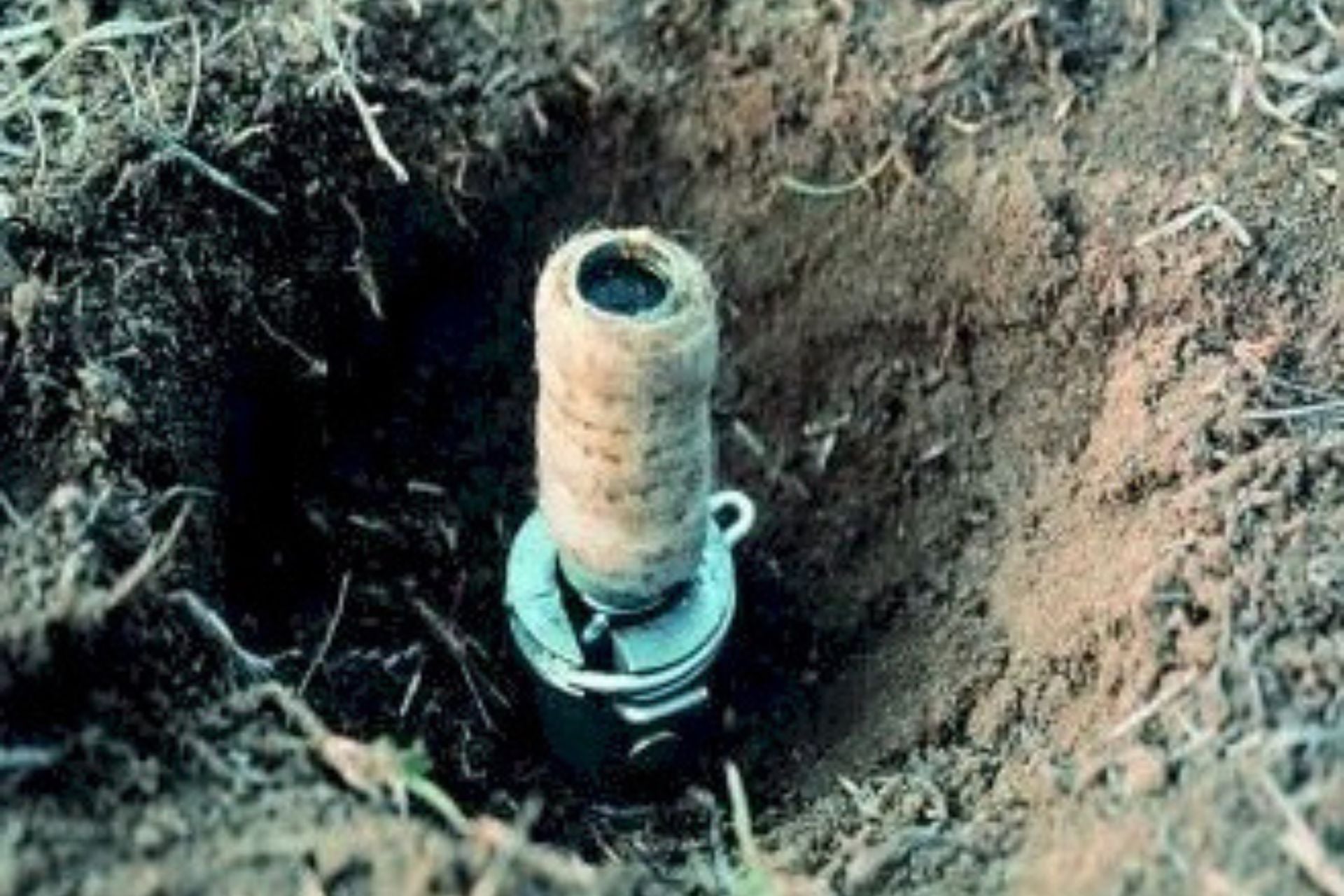
For decades, the Bureau of Land Management used so-called cyanide bombs to control predator populations on public lands. The controversial tactic was banned in 2023, but the Trump administration has quietly approved its reuse.
An April memorandum signed by the BLM and the Agriculture Department’s Wildlife Services program, published by advocacy group Predator Defense, shows that the BLM has effectively repealed the ban on the deployment of M-44s—spring-loaded poison traps that spray sodium cyanide powder when triggered.
“M-44s are indiscriminate killers and cannot be used safely,” Predator Defense wrote in a statement. “They are meant to kill coyotes—which any true conservation biologist can tell you is an exercise in futility—but they also kill endangered species, essential native predators, and countless beloved dogs, none of which can read warning signs. They have also poisoned countless people. It is only a matter of time until one kills a child.”
A controversial management tactic
Prior to 2023, the BLM used M-44s to minimize predation on livestock, manage wildlife diseases, prevent wildlife threats to human safety, and control invasive species. Environmentalists have long scrutinized the tactic, arguing that it is inhumane, indiscriminate, and dangerous to the public.
Opposition reached a fever pitch in 2017 when a 14-year-old boy and his dog were accidentally sprayed by an M-44 in the hills behind their Idaho home. The boy survived, but the dog collapsed and died at the scene. The incident led to restrictions or bans on M-44 use in Idaho, Colorado, and Oregon, though environmental groups petitioned for a nationwide ban. The first Trump administration reauthorized federal use of M-44s in 2019 but later reversed that decision due to sustained public outcry.
In 2023, the Biden administration barred Wildlife Services from using M-44s on BLM lands nationwide. The decision was celebrated by environmentalists, but the new memo between BLM and Wildlife Services appears to reverse it.
The fight begins again
The document states that Wildlife Services must provide a chemical application notification to the local BLM field office and/or district office prior to using pesticides restricted by the Environmental Protection Agency, including M-44s. This implies a clear pathway to deploying these poison traps on public lands.
In an emailed statement, a spokesperson for the BLM told Gizmodo that the memo identifies restricted-use pesticides “as tools that may be considered under existing law and environmental review” and does not itself authorize or expand use of M-44s.
“BLM will continue to evaluate proposals case‑by‑case and may prohibit or restrict such tools where warranted to protect public safety, pets, wildlife, and designated lands,” Packer added.
Still, the memo has elicited renewed concern from environmentalists and public safety advocates. Nada Wolff Culver, who served as a senior BLM official when the agency banned M-44 use in 2023, told The New York Times it was disappointing to see the Trump administration reverse course.
“There is no hiding the risk they are putting on the users of public lands,” she said.
More details about the reauthorization should emerge amid mounting public pressure. Several organizations have pledged to fight the decision, but whether they can appeal to an administration known for prioritizing industry over environmental and public health remains to be seen.