Scientists in North Carolina have solved an agricultural murder mystery.
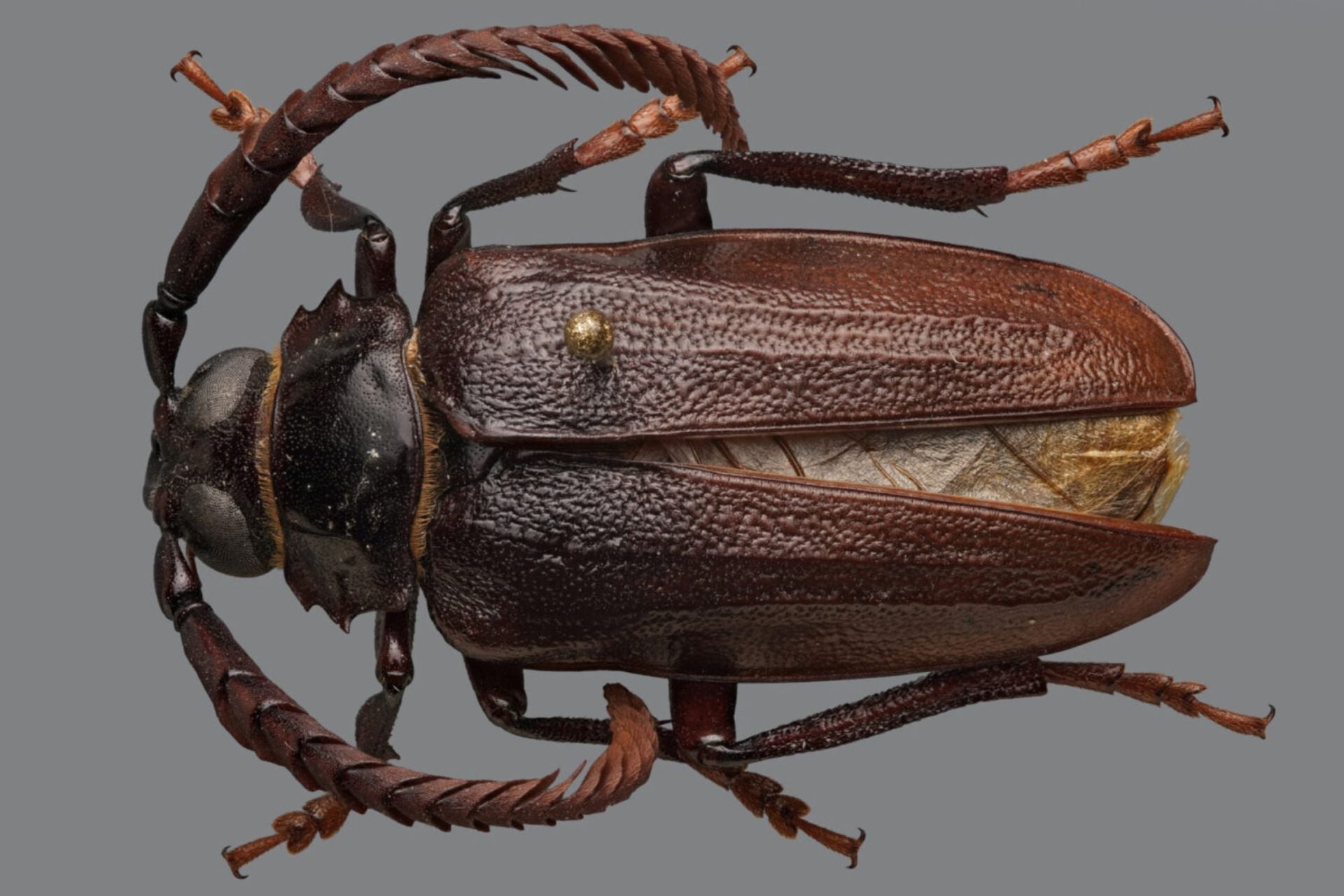
A team at North Carolina State University has identified the species of beetle that’s been attacking blueberry farms across the state: Prionus imbricornis. It’s the first confirmed sighting of the beetle in the state, whose larvae can kill off blueberry bushes by feeding on their roots. The discovery should improve pest control efforts, the researchers say, though keeping P. imbricornis in check will be easier said than done.
“The key takeaway is that we now have the molecular tools to determine which exact species of Prionus are attacking blueberries,” lead study author Kenneth Geisert, a graduate student in NC State’s College of Agriculture and Life Sciences, told Gizmodo.
The blueberry beetle culprit
North Carolina is one of the country’s largest hubs of blueberries, producing about 54 million pounds of the fruit every year. While blueberry farmers have a wide range of pests to worry about, things have gotten worse lately in North Carolina, thanks to the emerging spread of Prionus longhorn beetles.
Adult Prionus beetles don’t feed, but their larvae sure do. Mama beetles will lay hundreds of eggs in the soil near the roots of a host plant. Once the larvae hatch, they burrow deep down into the ground, where they’ll start to consume the roots for nourishment. They can feed for years, all the while slowly destroying the roots; in severe cases, this infestation eventually kills off the plant.
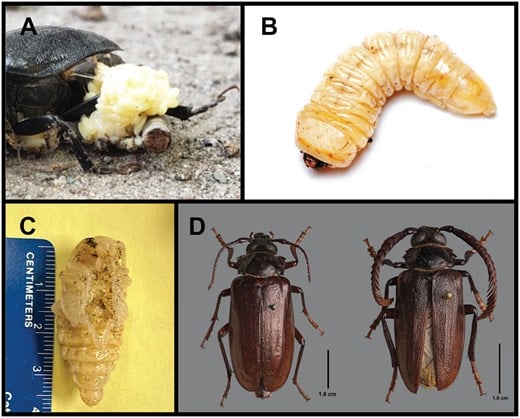
According to the researchers, the first known reports of blueberry Prionus infestations go as far back as 2010. Because the larvae live underground, however, it’s been hard to clearly identify them. Many species of longhorn beetles also tend to have similar-looking larvae, further complicating matters.
In recent years, Geisert and his fellow researchers have been working to root out the true culprits. To do so, they placed traps at six blueberry farms across multiple counties in the state. These traps were laced with pheromones to attract male adult beetles. Of the more than five thousand beetles caught via the traps, nearly 90% were identified as P. imbricornis. Next, the researchers captured larvae at two farms and genetically sequenced them. They turned out to match the adult P. imbricornis beetles with 98% to 99% accuracy.
The team’s findings were published Monday in the Journal of Integrated Pest Management.
What to do next
Identifying the right pest beetle is crucial to managing them, since different species can attack different parts of the plant and will require different methods of control. And the team’s work should make it easier to identify these and similar infestations in the future.
“Often times, different species will occur at different times of the year to reduce competition. Therefore, knowing which species (species being singular or plural) is/are present is critical for creating a treatment plan. This study, being able to identify the organism in question, is the first step to accomplishing this,” Geisert said.
There’s currently no easy solution to the P. imbricornis problem in North Carolina. That said, the team is now conducting studies to figure out the best insecticides to use on these insects, as well as the best timing in the beetle’s life cycle to use these chemicals and other interventions. Hopefully, they and other scientists will find a way to keep our delicious blueberries safe and secure.
“Other researchers/states should collect Prionus larvae infesting their blueberry bushes to determine if it is still P. imbricornis, as we could potentially have several different species co-infesting,” Geisert said. “Proper treatment of these blueberry farms will depend on the species present and their life history.”