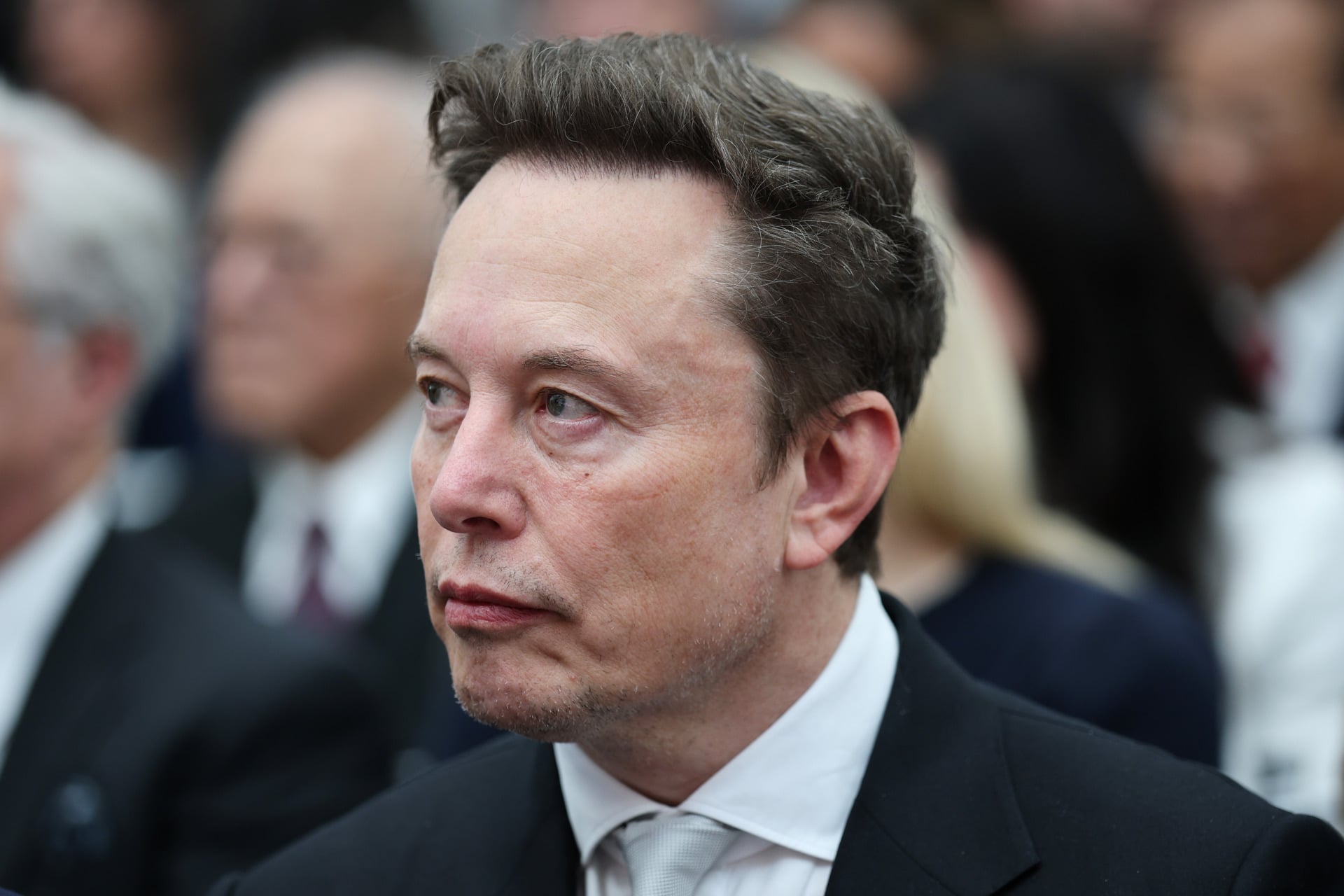
Elon Musk claims that his ambitious chip factory project, Terafab, is “progressing quickly” and will be ready to produce its first chip by May or June 2027, with plans to go to scale by the third quarter of 2028
That’s a rather unusual timeline, but one in keeping with Musk’s penchant for outlandish plans and overpromising on delivery date projections. Musk announced the giant chip factory project in Austin, Texas back in March with claims that it will produce chips for both terrestrial and space-based use cases. But chip factories are notoriously tough and costly to build, especially in the United States instead of somewhere like Taiwan that has established expertise. Making the factory operational alone can often take several years. But Musk promises a more streamlined timeline for his fab.
“We’ll begin commissioning machinery in the first half of next year, and hopefully if things go well, we’ll make our first test chip, just to see if we can make any chip at all, around May or June,” Musk said. “But real production would be late ’28, which is lightning fast by fab standards.”
The project is a joint venture between two of Musk’s companies, SpaceX and Tesla, which are also actively discussing a merger, the billionaire revealed in the former’s earnings call yesterday. Turns out, the companies have yet to decide how to split up the costs of Terafab.
“We got to figure out like what the sort of relative split is between SpaceX and Tesla in terms of who pays for what at Terafab, but it’s not going to be less than tens of billions in capital equipment through early 2028, and then it will probably be north of 100 billion long term,” Musk said on Tesla’s earnings call.
Musk said that Terafab, once operational, will be “an incredibly important asset, if not a necessary asset,” to scale Optimus, the company’s humanoid robots that are way behind Musk’s stated timeline. Early production has finally begun “on a high volume line” in Fremont, California, Musk said on the call, but it will still take Tesla “probably at least a year, maybe a little longer,” to reach its pre-stated goal of producing around 20,000 robots a week.
Electromechanical design, particularly regarding the robots’ hands, is a huge issue, but Musk claimed that he expects it to be resolved by the end of 2027. That’s when customers can actually expect Tesla to begin Optimus deliveries. The initial customers will be industrial companies whose work requires “dangerous, repetitive tasks, things that people really don’t want to do…like around the clock stuff,” Musk said.
On the call, Tesla executives also shared timelines for other products. The company’s two-seater robotaxi Cybercabs will be available for customers to purchase by the end of this year, Tesla’s vice president of vehicle engineering Lars Moravy said, though Musk noted that the “vast majority” of Cybercabs will be Tesla-owned and offered as “transport-as-a-service.” Cybercabs are currently only available in Austin, Texas, but Tesla executives said they are planning to bring the service to more cities by the end of 2026, starting with a Dallas launch in November.
“Our goal is to take over any kind of transportation, unless we are stopped by governments, which is certainly a possibility if they are trying to protect a domestic industry,” Musk said.
Tesla is currently facing the possibility of a formal investigation by the National Highway Traffic Safety Administration over reports that its driverless vehicles are speeding through school zones. The agency also recently ordered the automaker to provide more information on how it self-certified that its Cybercabs had met federal safety standards. The company’s full self-driving tech is also facing regulatory hurdles over in Europe, which Musk is reportedly fighting via a social media campaign filled with allegedly bogus safety claims.
“I think Tesla will end up doing a majority of all passenger miles on Earth in any country where it is allowed to operate freely and you can come back and look at this prediction,” Musk told analysts.