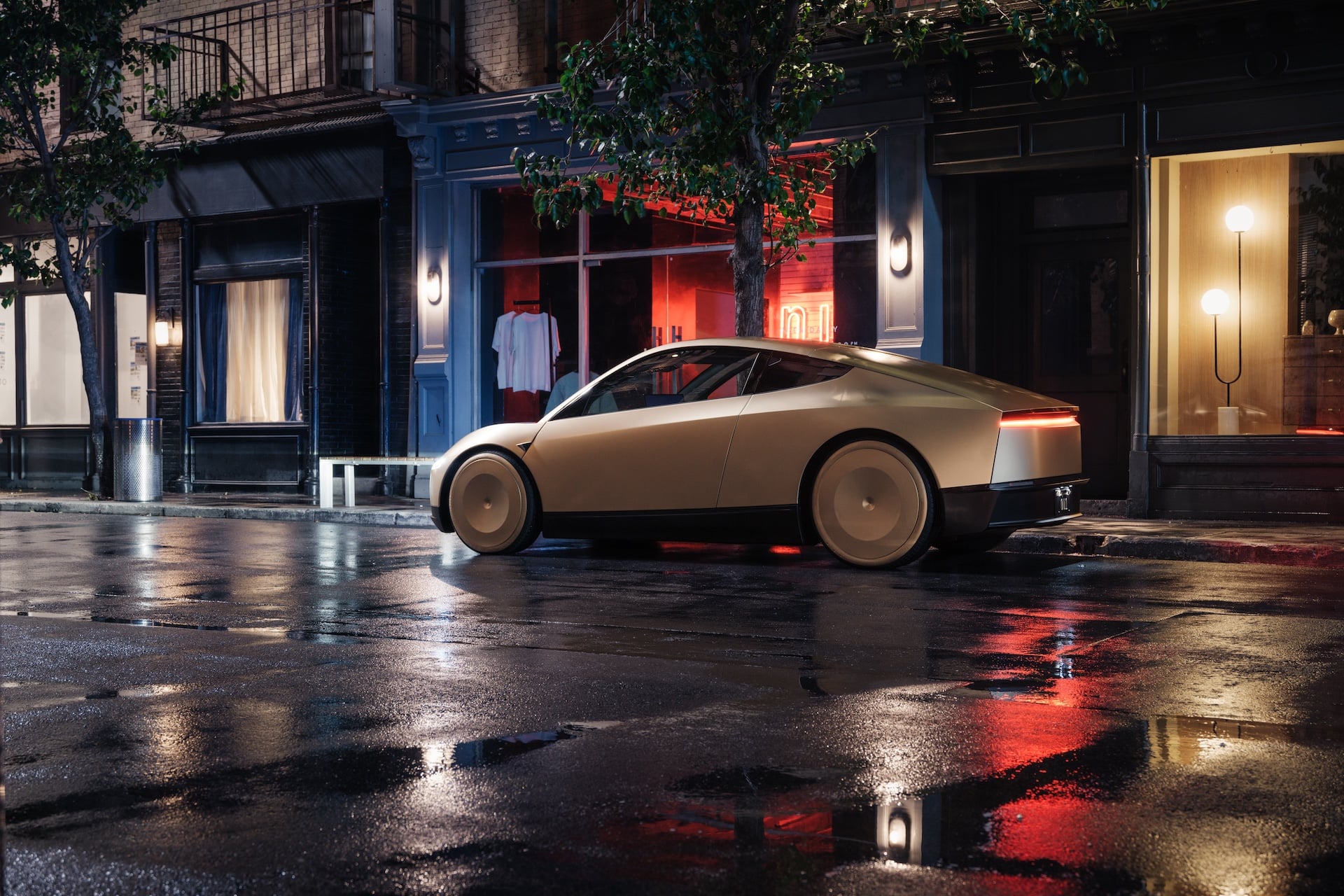
Tesla’s new Cybercab robotaxi could be headed for more trouble with federal safety regulators.
The National Highway Traffic Safety Administration (NHTSA) opened a defect petition review Friday to determine whether to launch a formal investigation into reports that Tesla’s driverless vehicles have been speeding through school zones.
The agency’s Office of Defects Investigation (ODI) orignally received the petition on Sept. 23, according to agency documents. It involves Tesla’s 2026 Model Y and Cybercab robotaxis operating with the company’s automated driving system engaged. The NHTSA estimates that roughly 1,000 vehicles could be affected.
The petition alleges that Tesla’s self-driving system has been exceeding posted speed limits in active school zones. It includes links to three videos as supporting evidence. NHTSA has recorded four reported incidents but no related crashes, injuries, or deaths.
For now, the agency is reviewing the allegations to determine whether a formal investigation is warranted.
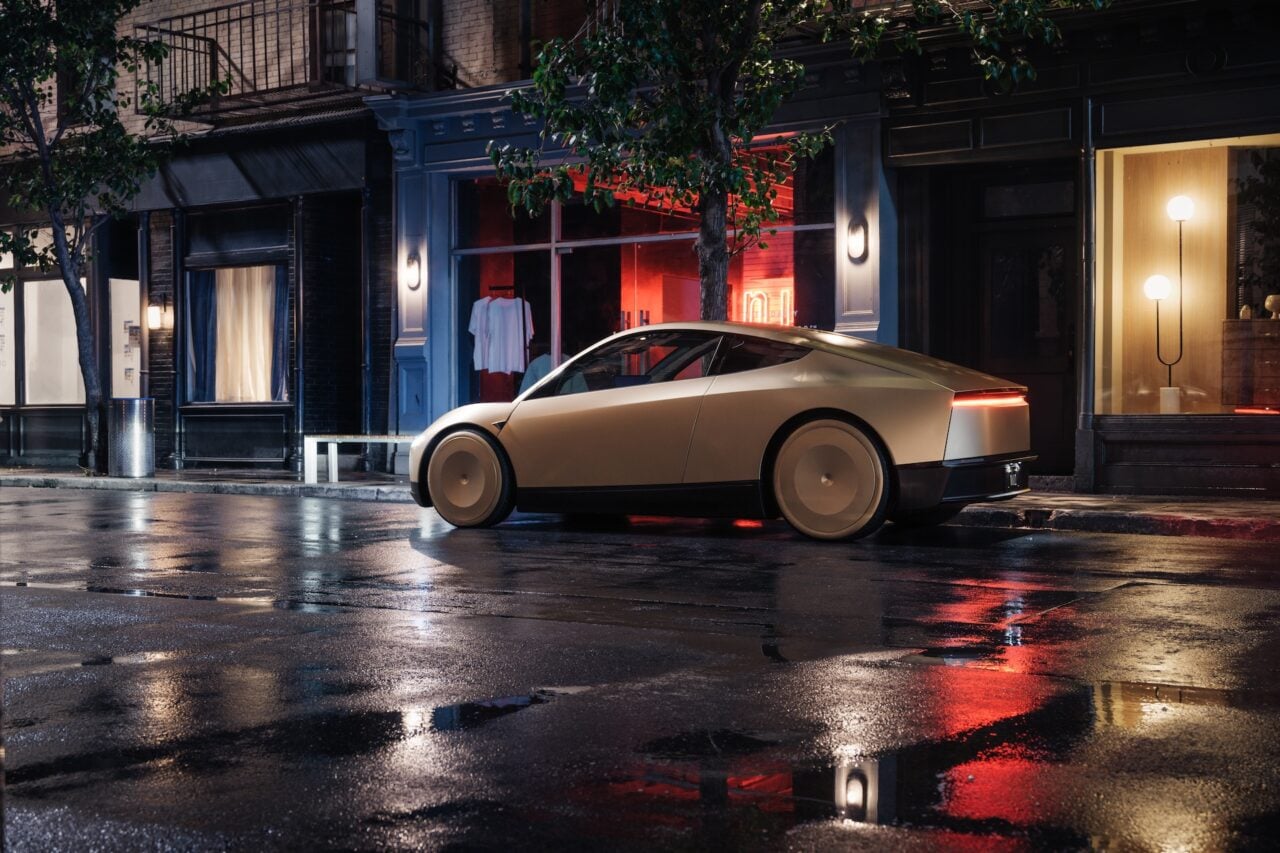
The review comes just over a month after Tesla began offering public rides in its long-awaited Cybercab in Austin on Sept. 3.
It’s also not the first time Tesla’s robotaxis have come under NHTSA scrutiny. The same day of the Cybercab rollout, NHTSA opened a separate review into how Tesla certified that the Cybercab meets federal safety standards despite lacking traditional driving controls such as a steering wheel, pedals, and mirrors.
The agency said it is examining the technical data Tesla relied on to certify the Cybercab and whether the company determined that certain Federal Motor Vehicle Safety Standards (FMVSS) don’t apply to the vehicle. Some of those standards require traditional driving controls. The NHTSA has proposed updating several of these requirements for driverless vehichles but has not yet finalized the changes.
In contrast, Amazon’s Zoox received a temporary exemption from certain federal safety standards in July, allowing it to deploy up to 2,500 robotaxis annually for two years. NHTSA Administrator Jonathan Morrison said at the time that “Zoox demonstrated that their vehicle design has an equivalent level of safety as a vehicle that meets all FMVSS.”
Additionally, Tesla also isn’t the first robotaxi company to come face scrutiny over how its driverless vehicles operate near schools.
Last year, the NHTSA opened an investigation into reports that Waymo robotaxis were illegally passing stopped school buses with flashing lights. Waymo issued a recall affecting more than 3,000 vehicles that same month to address the issue, although similar incidents reportedly continued afterward. The NHTSA also opened an investigation earlier this year after a Waymo robotaxi struck a child near an elementary school in Santa Monica, California.
This latest NHTSA review highlights all the kinks that still need to be worked out as the industry races to put more robotaxis on the road.
Tesla did not immediately respond to a request for comment.