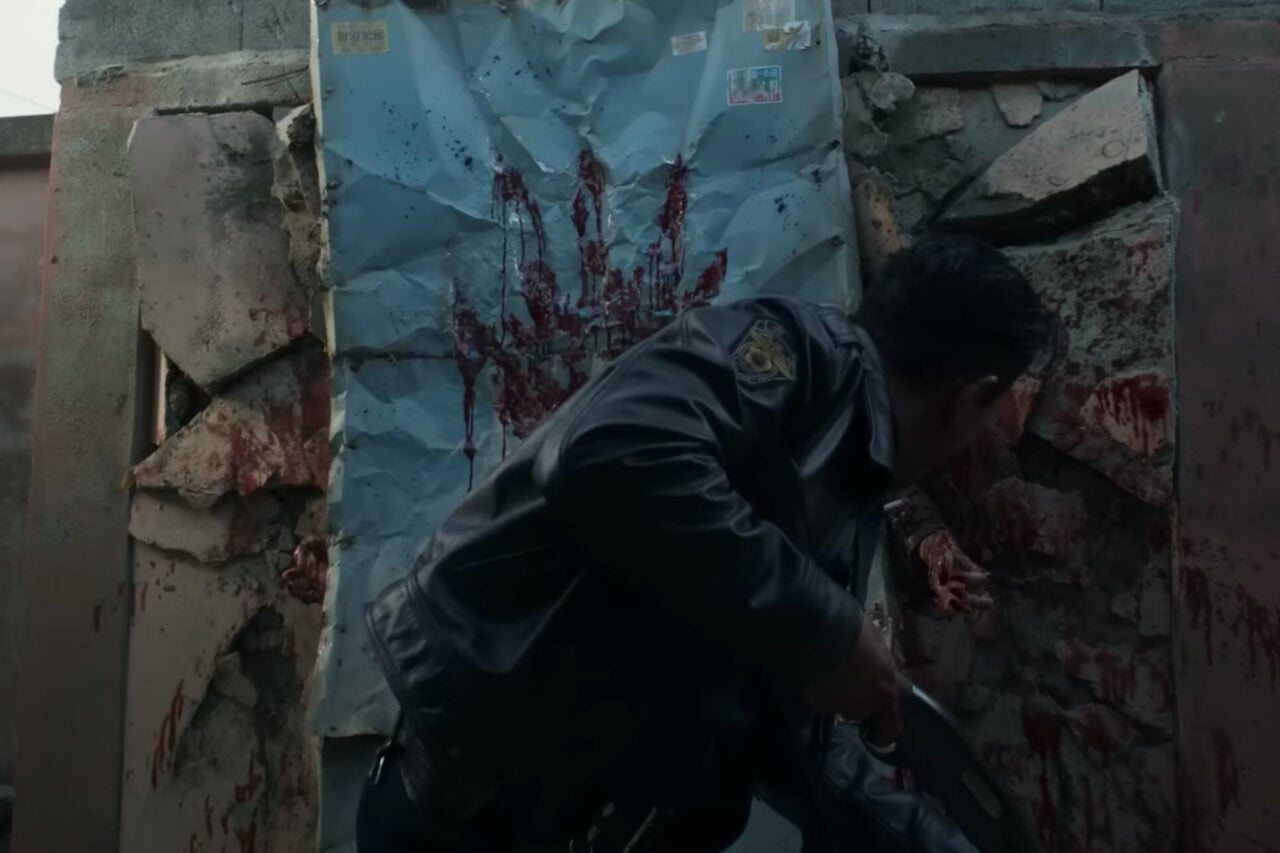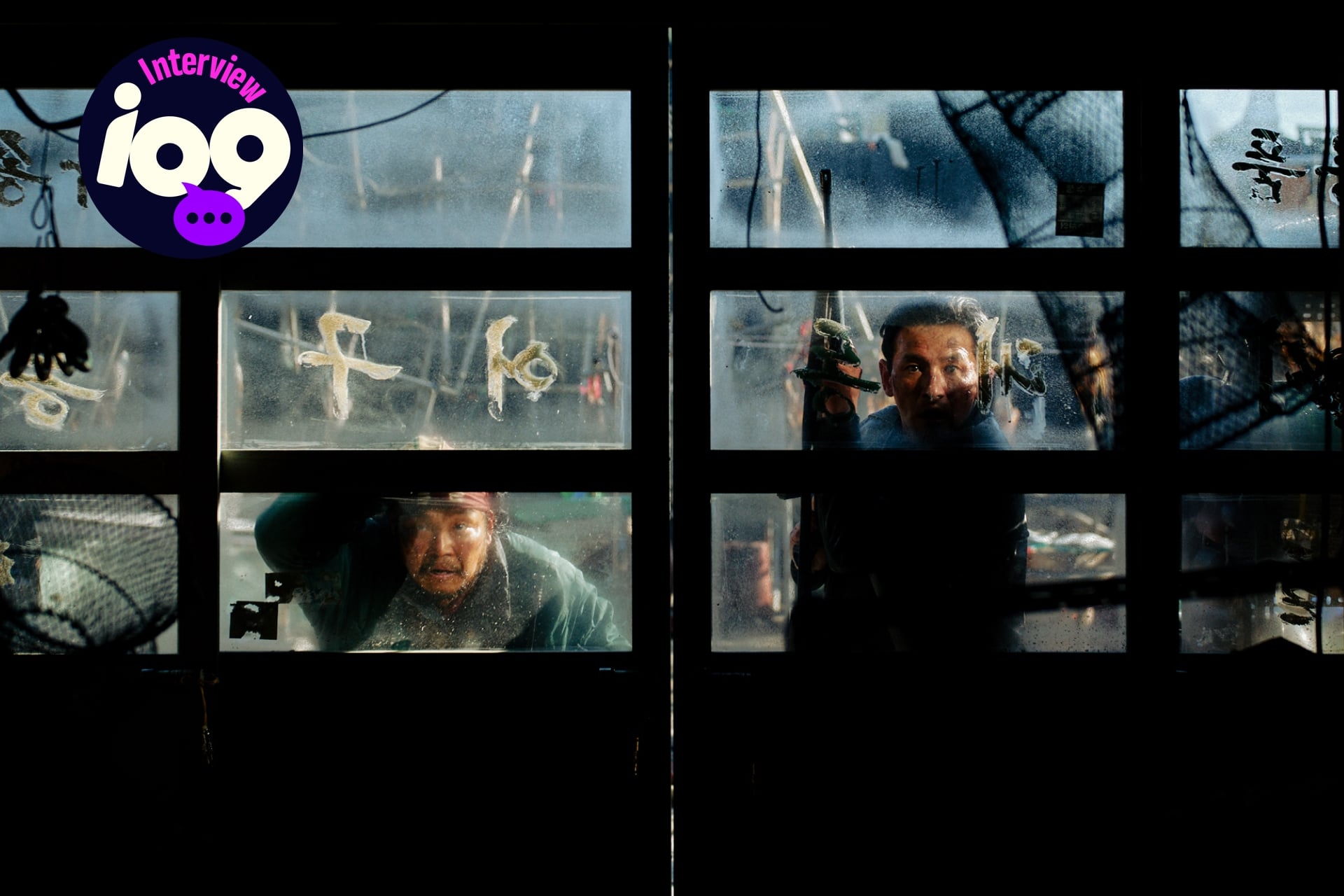
Hope, Neon’s latest sci-fi film by director Na Hong-jin, hits theaters on September 9th. The film, starring Squid Game‘s Hoyeon, Michael Fassbender, and Alicia Vikander, aims to be Na’s directorial hat trick, his first foray into the sci-fi genre and his fourth feature film following The Chaser, The Yellow Sea, and his 2016 horror masterwork The Wailing.
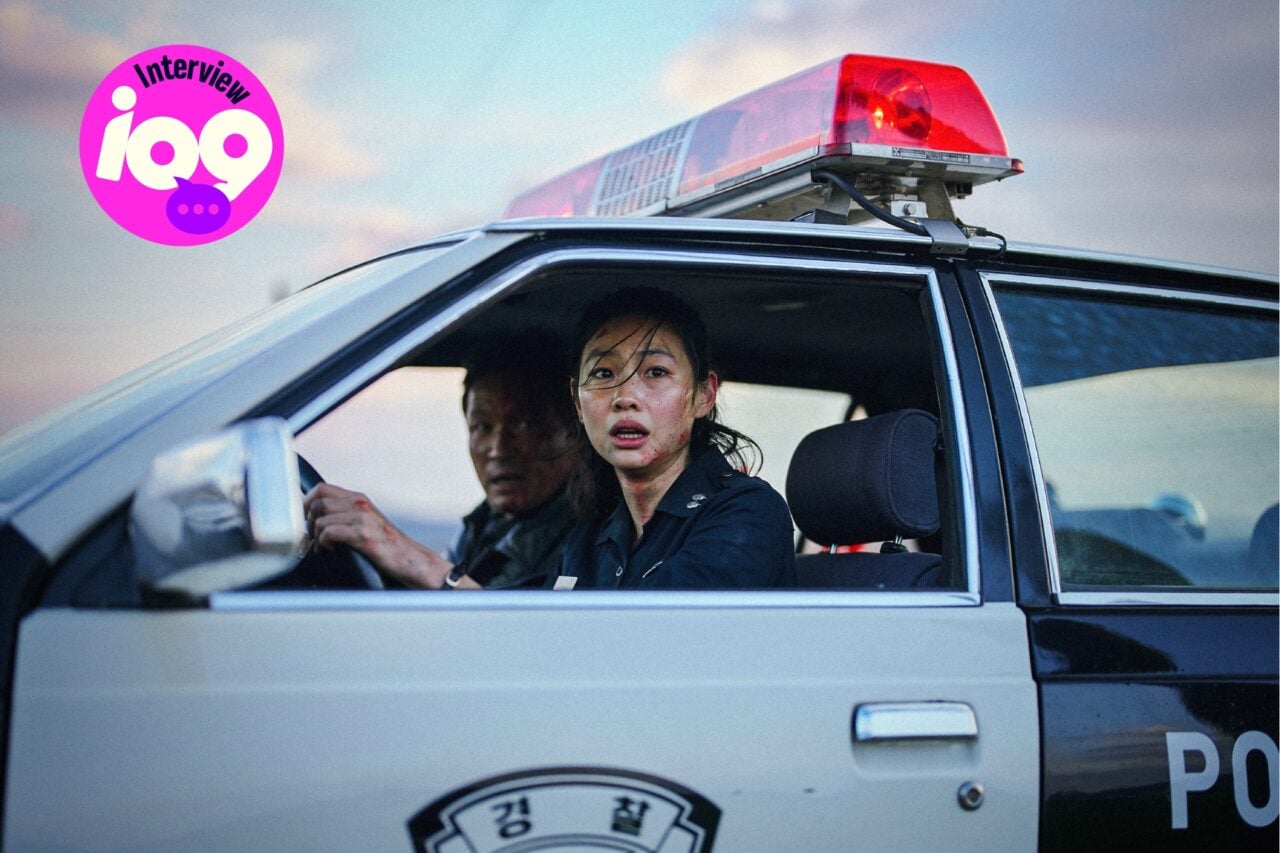
Set in a sleepy, secluded village, Hope follows as police officers Bum-seok (Hwang Jung-min) and Sung-ae (Hoyeon) and local yahoo hunter Sung-ki (Zo In-sung) stumble upon what they believe is a mysterious animal preying on farmers’ livestock. Quicker than a hiccup, the troupe goes from hunting the creature down to being hunted themselves across congested city streets and dense forests. What follows is a full-throttle alien invasion film full of Na’s patented dark humor, high-octane action, and plenty of U-turns away from and toward the warzone of the aptly titled South Korean village, Hope Harbor.
Ahead of Hope‘s theatrical premiere, io9 spoke with Na about what drew him to sci-fi for his fourth feature film, the reported recuts following its mixed reception at Cannes, and how he strove to make it different from the sci-fi blockbusters he and moviegoers have grown accustomed to.
The trajectory of Na’s career, from Park Chan-wook-esque films The Chaser and The Yellow Sea to full-throated horror with his leap into The Wailing, felt like watching a director find his niche. After cutting his teeth on the oppressive tension of gritty neo-noir crime thrillers, Na tapped into something novel, letting the dark humor and arresting violence of those films come into full bloom with his third-ever film—a film Na says left him “creatively and physically drained,” with resting as his only desire. The prospect of his fourth film, hopping from horror to sci-fi with the same crew who helped him along his meteoric rise, like cinematographer Hong Kyun-pyo, stunt coordinator Yoo Sang Seob, and actor Hwang, made Hope all the more tantalizing, a cinematic experience to see what novelty Na brings to the table of alien invasion cinema.
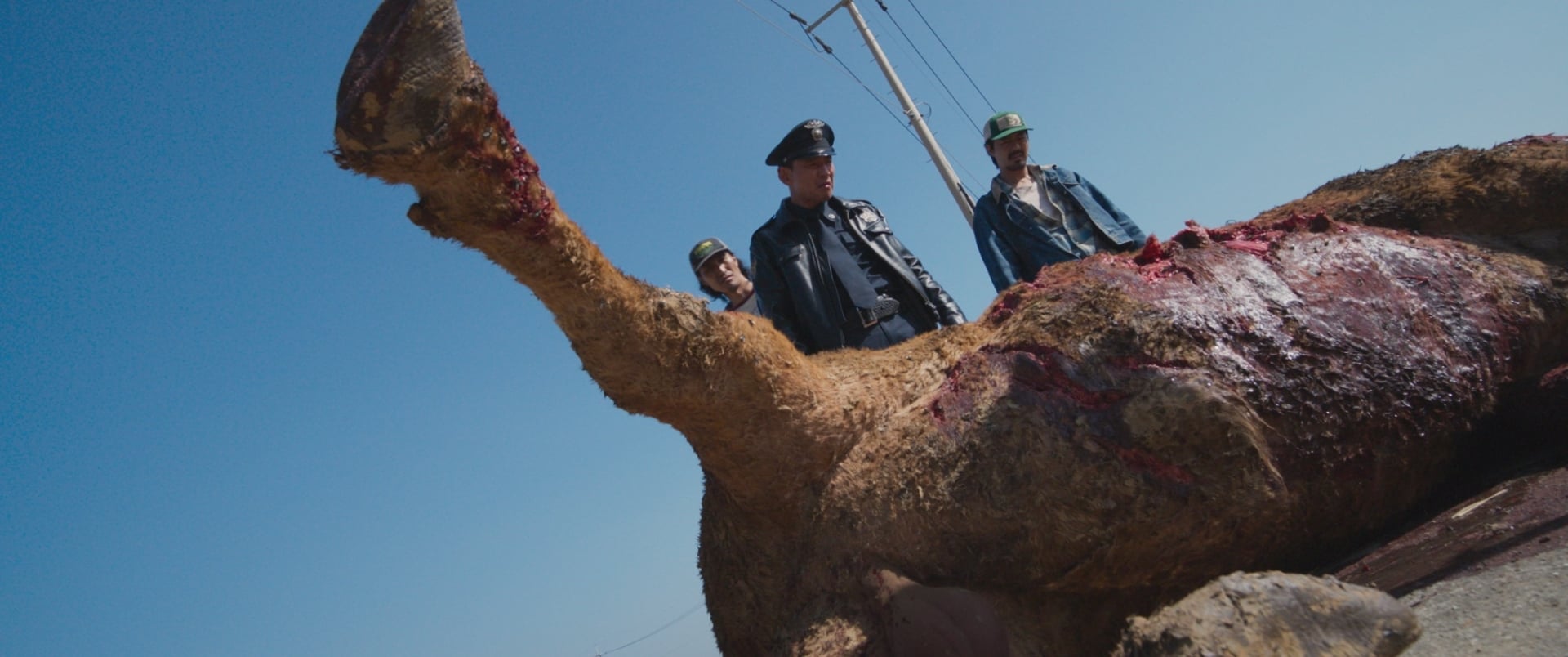
Na told io9 he was drawn to the sci-fi genre because he wanted to make a film that interrogated his prevailing theme of how misconceptions and ignorance could escalate from human conflict into a tragic mushroom cloud of “cosmic proportions.”
“I usually get my idea for my films from social phenomena or human phenomena. What’s really important here is where, and from what perspective, you’re viewing this phenomena from,” Na said. “After The Wailing, I wanted to try viewing this phenomena from a perspective I haven’t been used to before. I decided on a cosmic perspective to see humans and how they behave. That’s where the idea came from.”
While any other filmmaker, save for Bong Joon Ho with his 2006 film The Host, would opt to obscure its towering CGI creatures in shadows, Hope makes that bold decision to showcase its coterie of mysterious creatures in broad daylight throughout the film. Rather than give the entire game away (as its trailer did, which left no question that audiences were walking into an alien-vs-humans movie), it was paramount to Na that viewers question whether the oddities wreaking havoc were from this world’s wild animals or some local demon running amok. Once the cat was out of the bag in the film after the arrival of the first invading alien (played by Cameron Britton), Na had to put in the work on the rest of the alien creatures’ designs to make them both ethereal and functionally terrifying contenders for the denizens of Hope Harbor in the film’s mile-a-minute action sequences.
“In terms of how they move, I wanted to stray from previous conventions. In deciding whether these aliens appear during the day or at night, or whether I should shoot them on location or at a sound stage, I decided that, even if it makes it more difficult, I should maximize the locations we’re shooting in. It really added a sense of spaciality to the characters,” he said, in reference to the film’s implementation of wide-angle lenses keeping both humans and alien characters—who are over three meters (roughly 10 feet) tall—in frame.
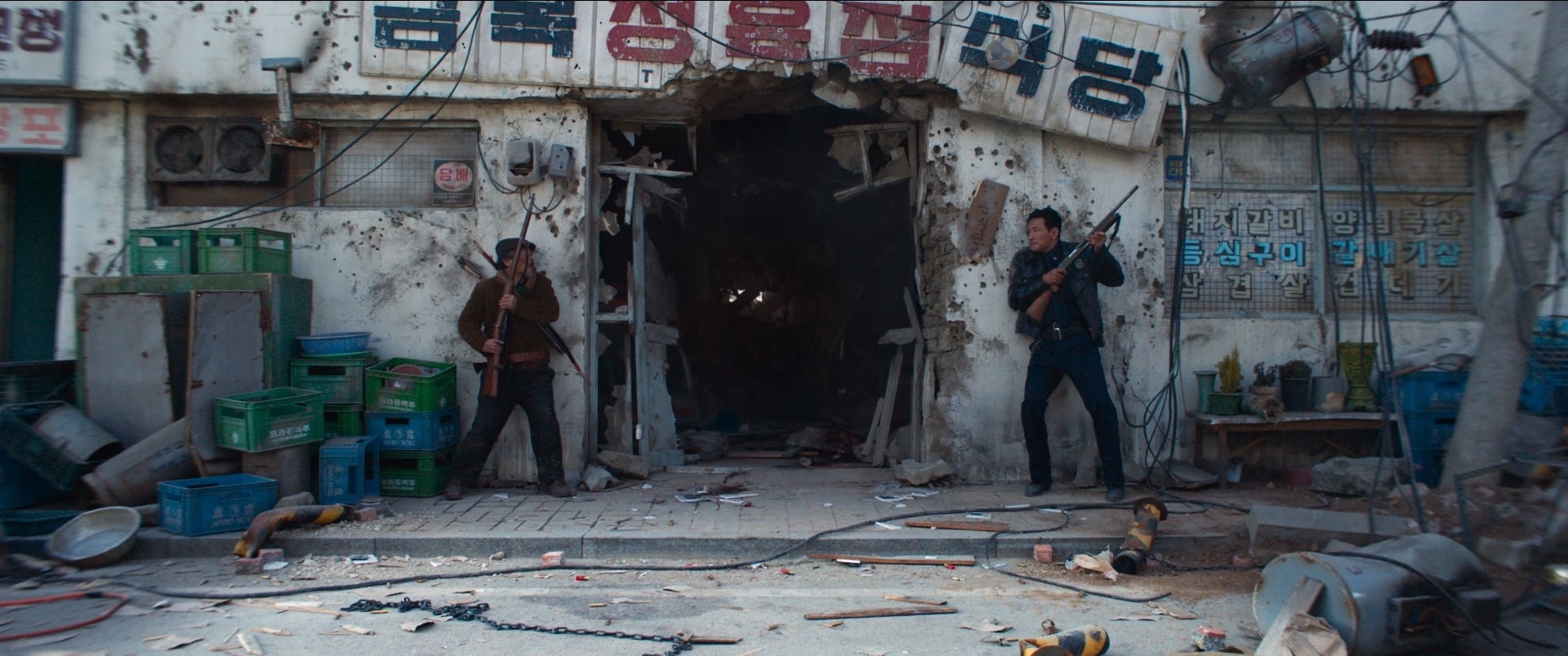
While creatures of this stature don’t move at a kaiju’s glacial pace, Na wanted to break conventions by having Hope‘s aliens move incredibly fast. To bring Hope‘s creatures to life, Na worked alongside Korean VFX crew Westworld to motion-capture stars Fassbender, Vikander, Britton, and Taylor Russell. Hope‘s international stars playing its titular aliens wasn’t a coincidental decision for Na.
“The decision to use a cast from two different cultural backgrounds came after making the alien language that’s featured in the film,” he said. “I wanted to cast actors from a region where the pronunciation of their language was more similar to the language that we created.”
Although the imposing stature of its aliens and the prevailing language barrier between them and Hope‘s bumbling humans create palpable tension throughout the film, at the end of the day, it’s still a Na film. Which means there’s gonna be some dark humor sprinkled throughout all the dread as hapless officers in over their heads—a prevailing theme in his works—confront aliens terrorizing the intimate setting of a remote village.
“The movie is told from a cosmic perspective. We’re looking down on these human characters. Due to that, our perspective is more friendly to the aliens than toward humans,” Na said. “Because of that, I wanted to emphasize more of the primitive and uncivilized sides of mankind. But at the same time, I didn’t want these elements to feel too serious, which is why I used humorous scenes to convey that. In a way, you can say through humor, I tried to make these explicit intentions of mine a little more ambiguous. I also wanted these elements to be communicated to the audience in a smoother, more fun fashion.”
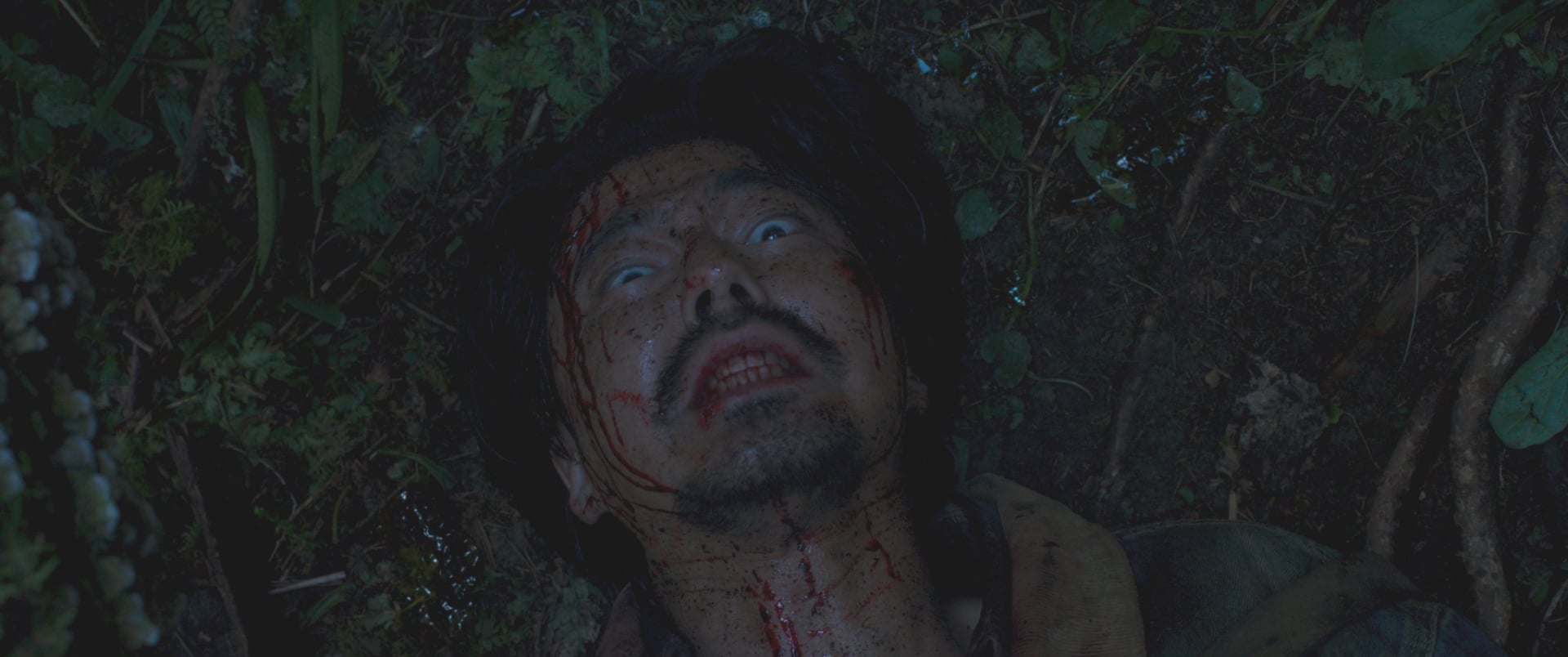
Following the film’s mixed reception during its run at Cannes, IndieWire‘s Chris O’Falt reported that Na recut Hope into what audiences will experience in theaters. Ahead of its world premiere, Neon secured a 1,500-theater opening for Hope across the U.S., making it the widest domestic theatrical release for a Korean film since Bong Joon Ho’s Parasite, according to Variety. If that’s not a ton of confidence points for a creature feature, we don’t know what is. After I watched an early screening of the movie, public relations confirmed to io9 that I watched the recut audiences will see in theaters. Naturally, I asked Na what led him to recut Hope, what changes he made between the two versions of the film, and what he discovered he wanted to say about the story in the movie audiences will see compared to its initial cut.
“I decided to re-edit it after viewing it at Cannes. Overall, in terms of content, it became four minutes shorter,” he said.
Na explained that the shorter runtime was intended to give more screen time to Hope Harbor’s local taxidermist, Yang-bae (Eum Moon-suk). Unfortunately for Squid Game fans, the equivalent exchange of Yang-bae getting more shine in Hope‘s leaner runtime meant Hoyeon’s hotshot officer, Sung-ae, got less play.
Hope crash-lands into theaters on September 9.
Want more io9 news? Check out the best movies and TV shows to stream this month and all the upcoming sci-fi, fantasy, and horror books that should be on your radar.