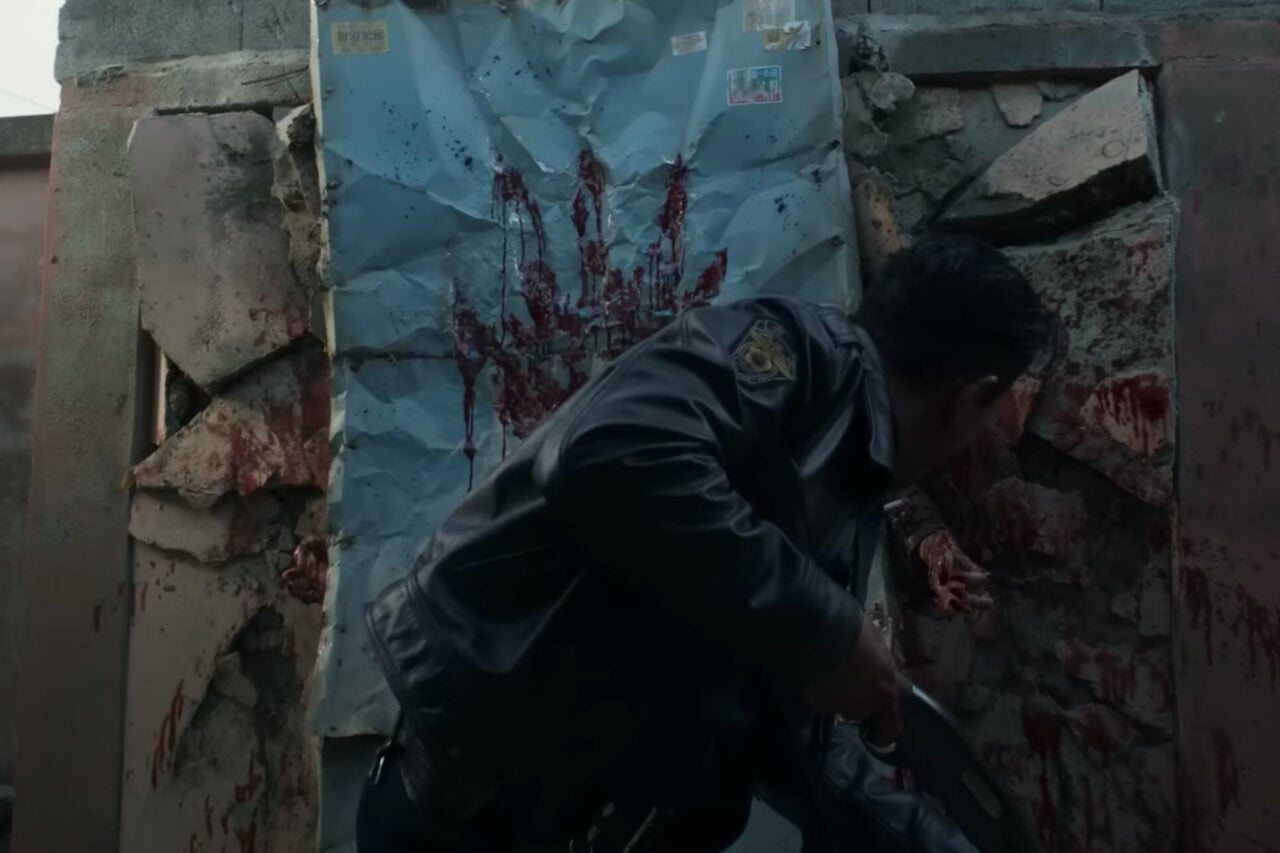
Hope, written and directed by Na Hong-jin (The Wailing), crash-lands with all the pomp and circumstance befitting an action-packed sci-fi summer blockbuster. It’s also an alien invasion movie unlike anything I’ve ever seen, and I walked out of it feeling genuinely at a loss for how ambivalent I was about it. If a person could marry the first act of a movie, I would bend the knee to Hope. However, its second act left me a little confused, and its third act and bold final note left me completely dumbfounded. I’m talking nervously chortling while looking around my row at the cinema to confirm we all just watched the same film kind of befuddled.
After its premiere at Cannes, reviews for Hope were all over the place, with critics either crowning it a revolutionary game-changer or dismissing it as a half-baked, albeit fun, rollercoaster ride. I’m somewhere in the middle. The film has become my personal Moby Dick. I walked out of the theater kind of hating it while being in awe of the big swings and misses it takes. After weeks of soul-searching, I’ve come to the realization that for all its faults, Hope‘s grown on me with every waking moment away from it.
Like a foodie swearing by the true efficacy of a three-and-a-half-star restaurant as a rarefied fine dining experience that far exceeds a Michelin-starred one, Hope is a sci-fi action-adventure film full of U-turns and road bumps I can’t stop turning it over in my head. I love it for the same reasons I hate it.
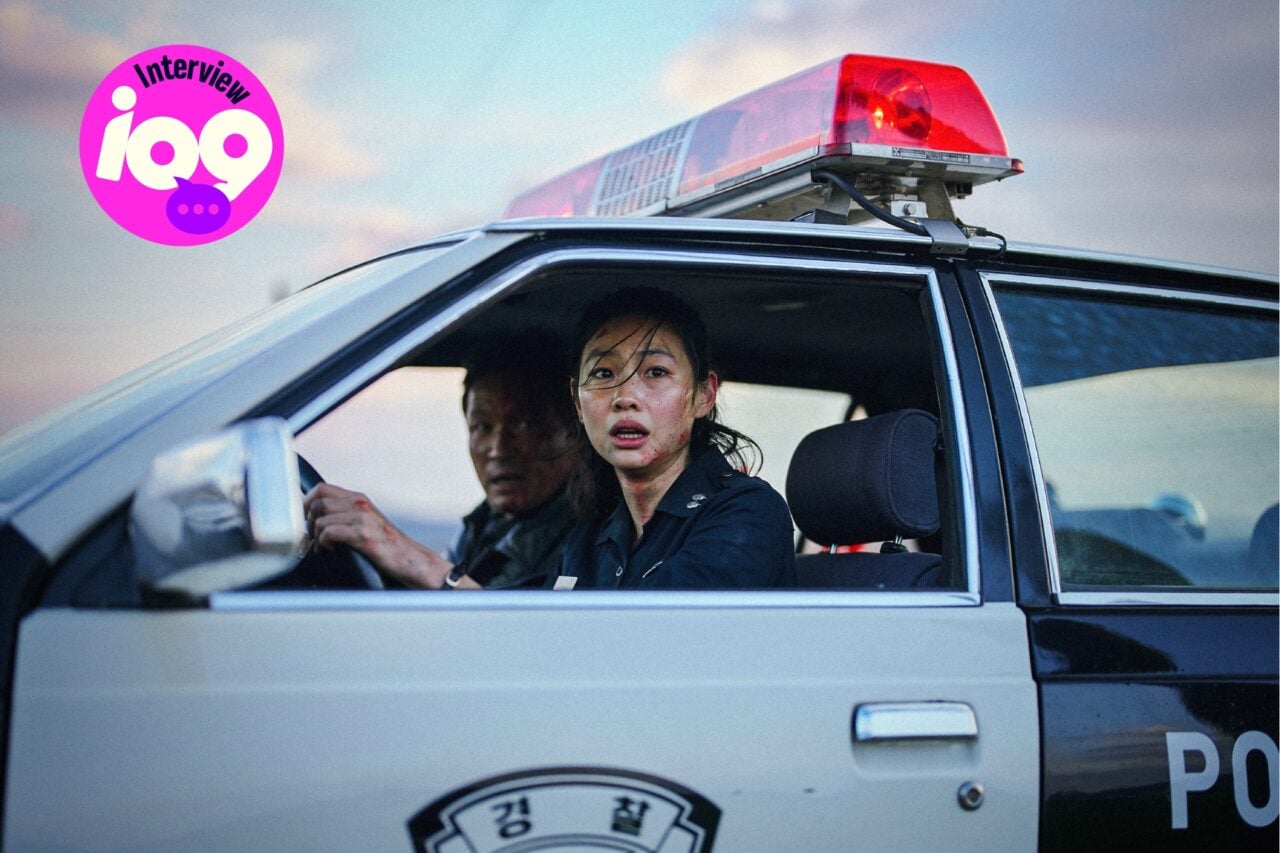
Like Na’s 2016 masterwork The Wailing, Hope sees a sleepy, secluded village that usually doesn’t get much action get way more than they could have ever bargained for. After receiving a call about a prized bull getting utterly demolished by a creature preying on livestock, police chief Bum-seok (Hwang Jung-min) goes from investigating a bear with no backup from his underfunded force to witnessing his town transformed into a warzone with aliens running amok.
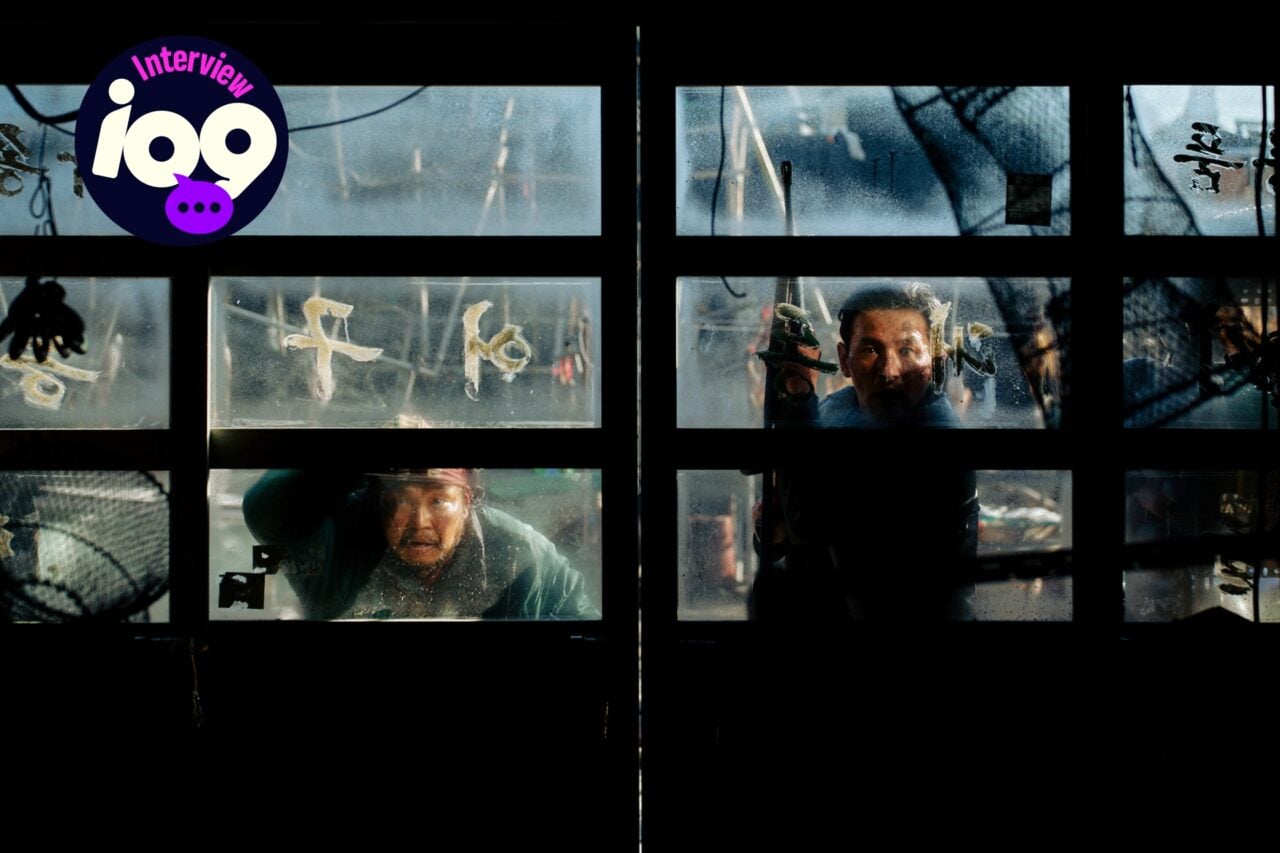
In the first act, Na goes absolutely wild with some of the best displays of frenetic monster movie-making since Steven Spielberg’s Jaws and Bong Joon Ho’s The Host. Na leverages the uncommon practice of filming monsters in the full light of day, leading to an adrenaline-heavy thrill ride of environmental storytelling. Using some downright gorgeous camera movement, Na captures both the bubbling dread of something gone awry in the village that only gets better when shit hits the fan and the town turns into a cat-and-mouse chase where Bum-seok runs toward and away from the mysterious creature. The back-and-forth of Bum-seok’s in-over-his-head encounters with the mushroom clouds of exploding cars and caved-in architecture that once served as storefronts—some flipped toward fleeing citizens, others pressed into the ground like fossils—makes the first act all the more thrilling with how real he reacts to it all: he copes with everything by making jokes.
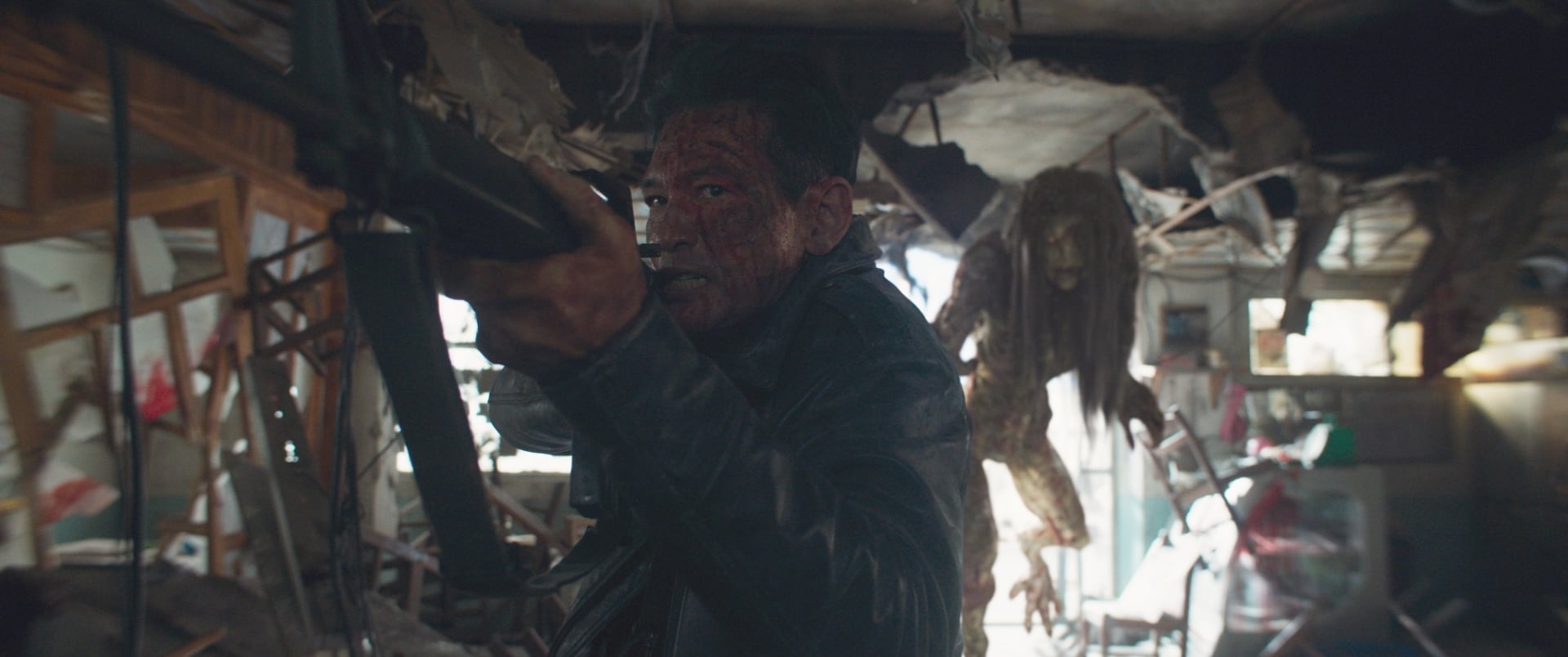
Like a Jordan Peele or Zach Cregger film, Na balances the genuine menace of Hope‘s first act with punchy situational humor amid the WTF of the disaster besieging the citizens of Hope Harbor. This extends to the separate escapades of his gung-ho subordinate, Sung-ae (Hoyeon), and yahoo hunter Sung-ki (Zo In-sung). What makes this first act so downright perfect is the dread built from evidence of the aliens’ presence without ever getting a good look at them. It’s brilliant filmmaking, especially for a movie shot on location with wide-angle lenses, rather than on soundstages that always have an artificial sense of scale and space. Things take a huge turn for the worse after it bares all, and a little bit too much extra after its following acts, transforming into a different movie entirely.
Monster movies live and die off the strength of their creature designs. Showing them in motion during the day is as much a flex as it is a huge risk. The moment Hope reveals its aliens in motion is the most jarring rubber-banding of a movie’s quality I’ve seen in a long while. Put simply, while Hope‘s aliens—played by Michael Fassbender, Alicia Vikander, Cameron Britton, and Taylor Russell—look positively ethereal while standing still, they look uncannily off-putting in motion. Even when readjusting to the reality that they look a little rough in motion with an open mind after their first big action sequence kicking off the second act, I couldn’t get over the oddness of how they moved. It almost took me out of the film.
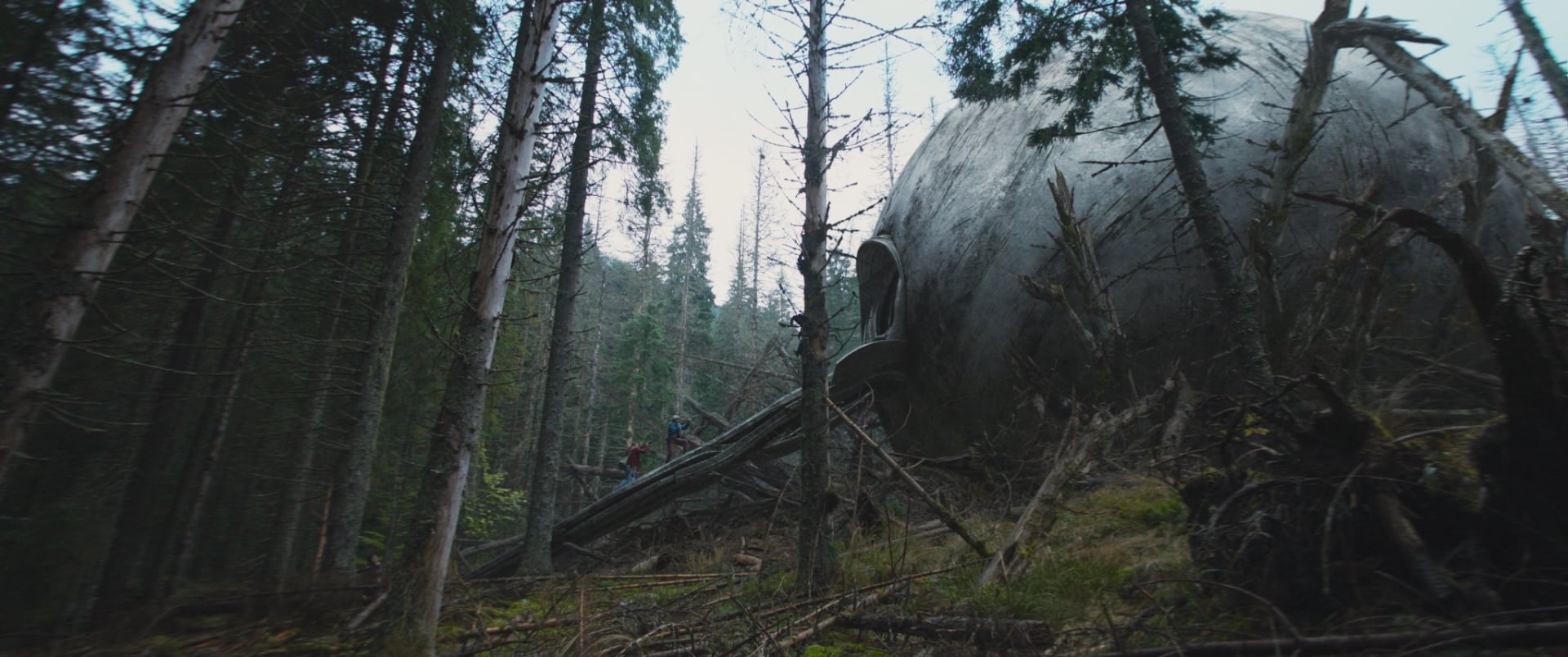
Because Hope is a film shot on location and built around high-octane action spectacles between humans and three-meter-tall aliens duking it out, you’re guaranteed a cornucopia of scenes where those aliens give chase to our trio of hapless heroes. The film delivers them in excess, with plenty of breakneck action in cars and on horseback through the denseness of its city, forest, and highways. On paper, all the above sounds rad as hell. But in reality, it all looks a bit awful. The speed of Hope‘s horses and horsepowered cars never feel like they reach the full gait and miles-per-hour befitting the chases they’re in. Meanwhile, its aliens move as if they’ve been fast-forwarded to an entirely different framerate. The result is a herky-jerky feel to action scenes that goes from uncanny to irritating, with each chase invariably ending in its aliens barreling around corners and losing their leads, constantly breaking any sense of immersion.
This, along with the film getting too cute with its tension-breaking jokes from this point on, makes Hope feel disjointed and at odds, overshadowed by its more ambitious themes of perspectives and differences creating tragedy. Like the many U-turns its heroes make, Hope‘s narrative feels incongruous as it propels itself forward until it violently does so in a way that feels beyond the once-humble scope of its opening. This, along with the film straying far beyond the balance of horror and comedy in its first act into too many jokes that overstay their welcome, makes the film’s front and back halves feel utterly different from one another, to the point where I questioned aloud whether it was meant to be a parody or homage to sci-fi franchise narratives from directors like James Cameron and J.J. Abrams by breaking virtually every rule along the way. I deadass got more of a grasp on what the actual deal of Hope‘s extraterrestrials was by reading the film’s press notes than by watching the film.
This isn’t entirely to the film’s detriment, thanks to how effectively it uses its actors’ motion-captured screen presence to give you an impression of their goals through the language barrier. But I can’t get over how rubber-banded it all becomes in the march toward the film’s finale, practically careening me beyond its credits with more questions than answers or a sense of closure that the film had actually ended when it meant to.
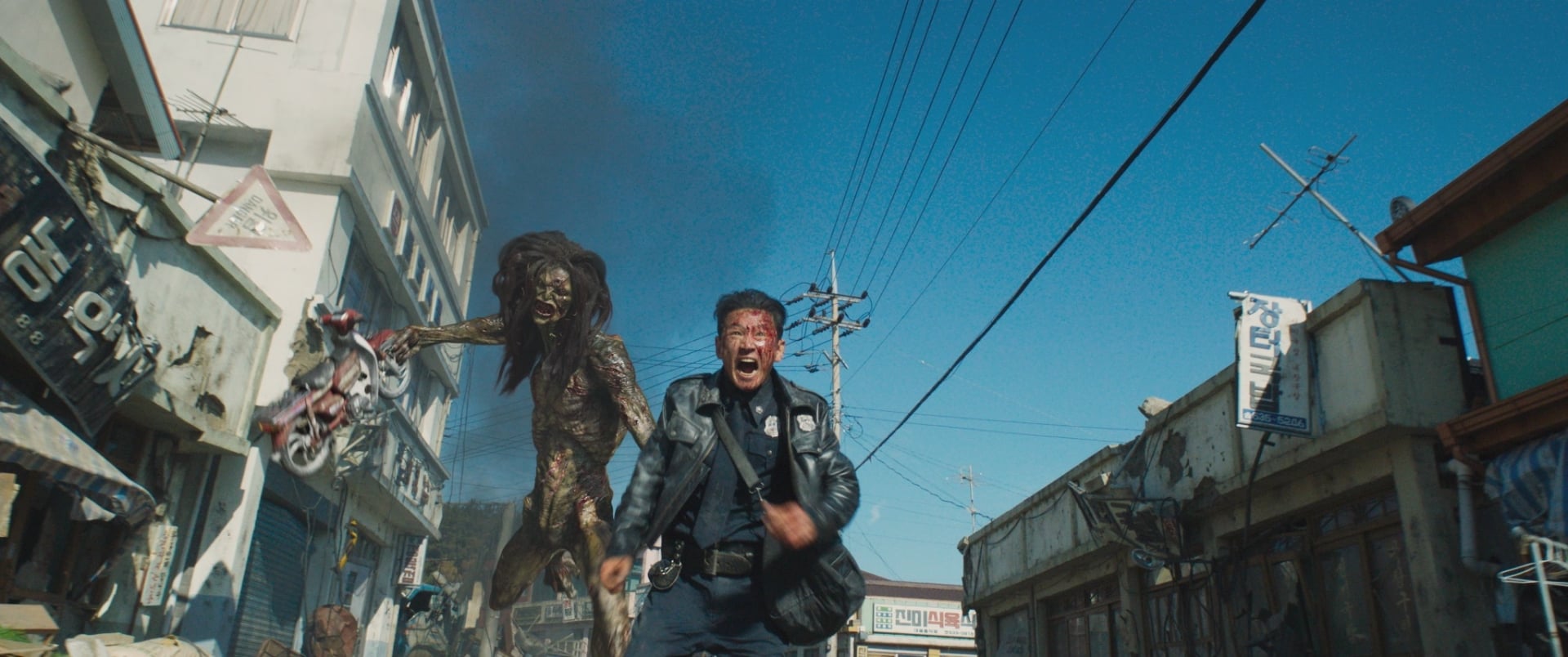
Despite walking out of the film completely befuddled by where Hope went and how it ended, I can’t help but love it for the bold, bonkers filmmaking choices I was at a loss for. Hope has the quintessential makings of a cult classic; audience mileage will vary wildly, which is what makes it so confoundingly compelling. It’s a movie that will either rub you entirely the wrong way or be right up your alley with all the left-field reveals beyond its stellar first act.
While most films reveal their flaws over time, Hope leads with them. Still, there’s something about the uncynical way it goes about getting to the finish line off the scaffolding of its cast giving their all, and the cinematography bridging the Korean actors’ performances with the motion-captured performances of the Western facet of its ensemble, that makes Hope an endearingly bold and utterly bonkers fall blockbuster worth watching in a sea of legacy sequels. While I liked what Hope had to say more than how it said it, I wouldn’t turn down watching it again in the unlikely event that Na is able to continue his diversion from crime thrillers and horror to sci-fi a little longer to expand Hope into a franchise all its own.
Hope hits theaters on September 9th.
Want more io9 news? Check out the best movies and TV shows to stream this month and all the upcoming sci-fi, fantasy, and horror books that should be on your radar.