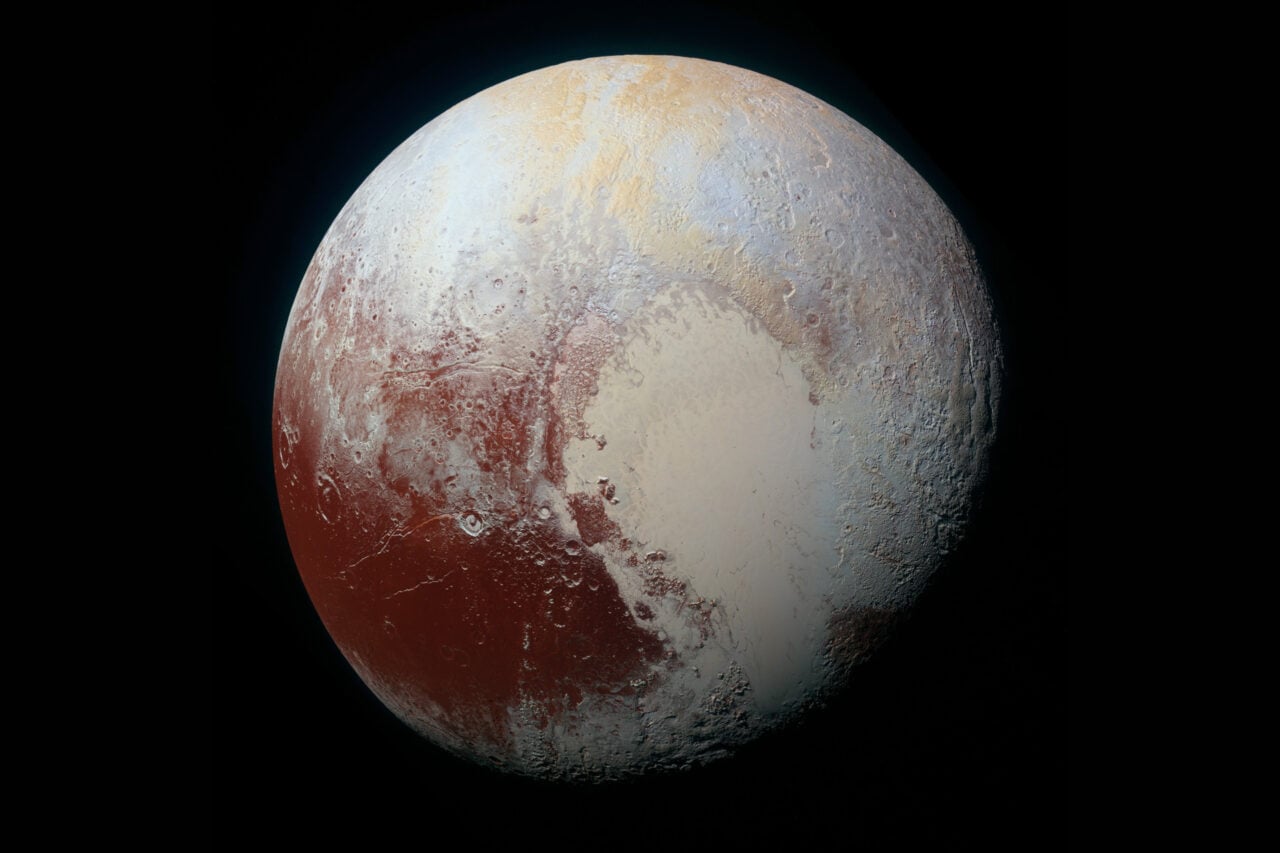
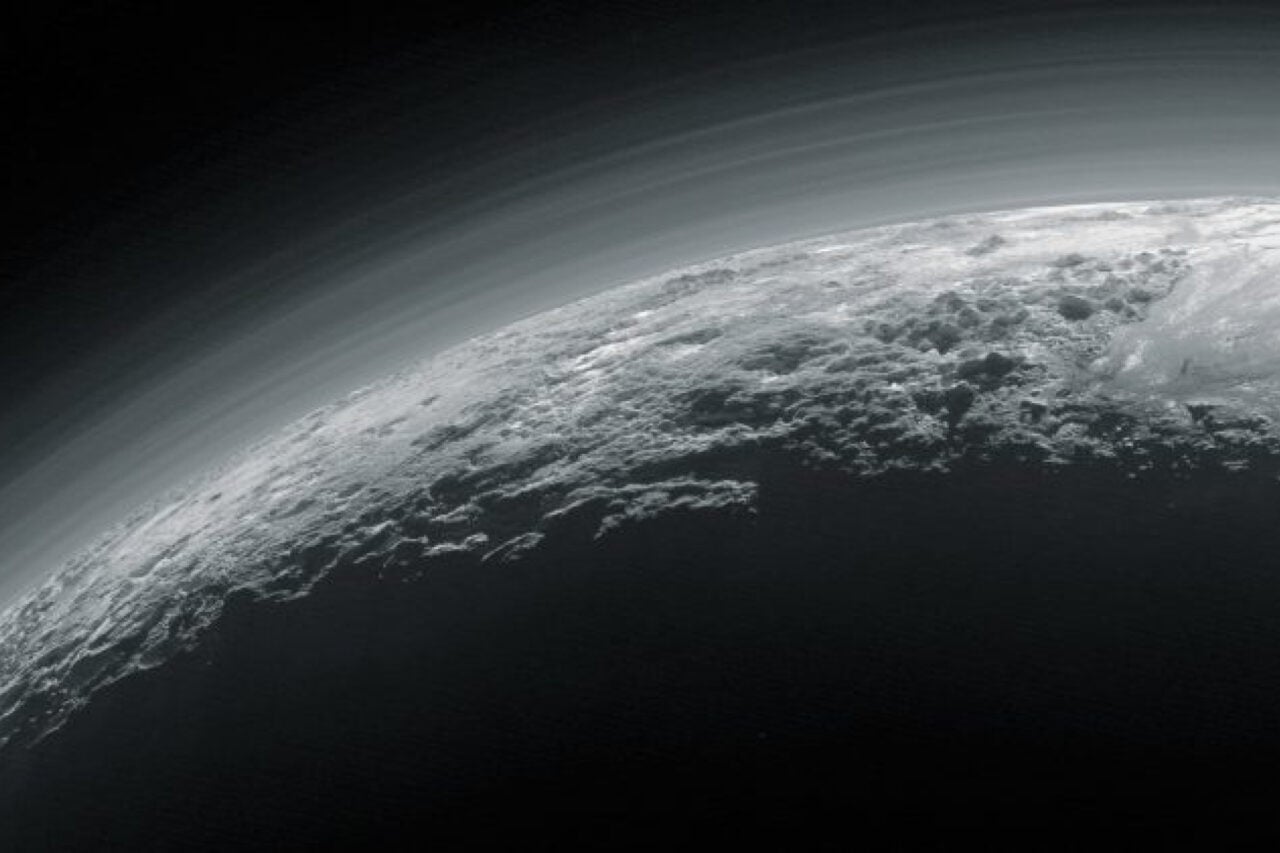
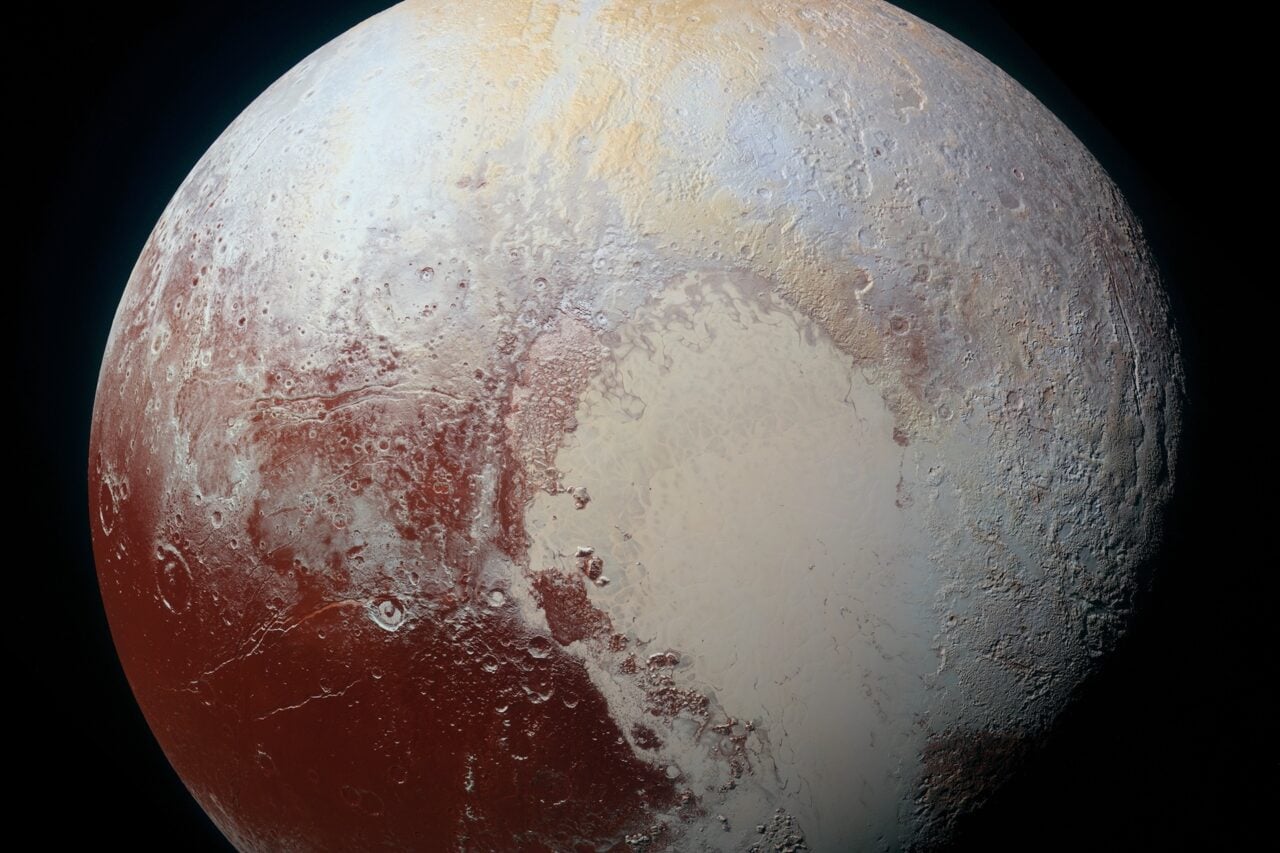
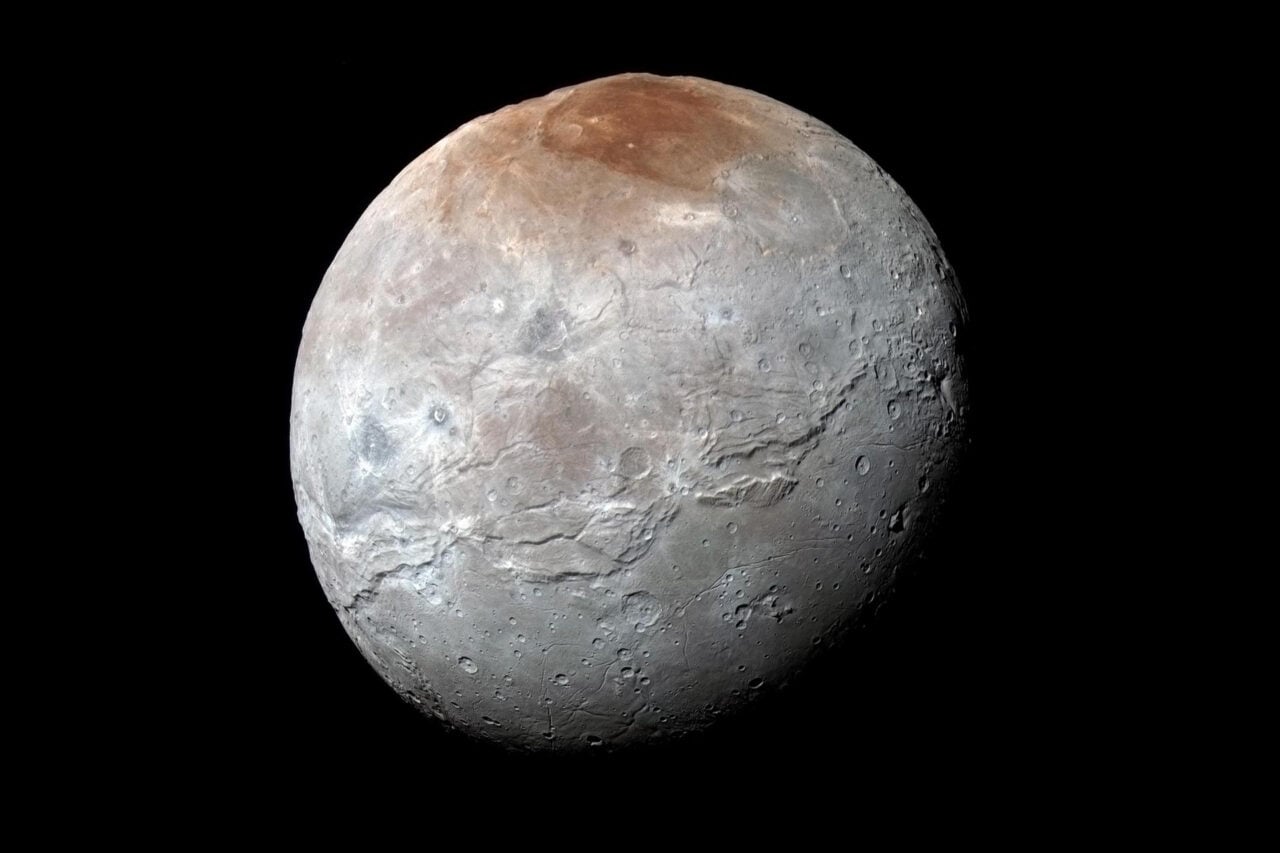
Among the many revelations about Pluto we’ve got in the last weeks was the existence of a very strangely-iced surface and the lack of craters. But does one have anything to do with the other?
The question came up in the comments section of this piece on Pluto’s remarkably unscarred surface—and planetary scientist Luke Dones had this answer for us:
BigD: Do you know if there is anything about the composition of Plutiods and KBOs that might affect the cratering behaviour? For example, might a cratering event in an area of nitrogen ice, with all of the resulting heat from the collision, make a feature that doesn’t look like what we recognize as a creater? Might that feature be remodelled differently that what we’re used to on terrestrial-like rocky planets, moons, and asteroids?
Mika McKinnon: I asked Luke for you! He writes:
“The impacts don’t heat the KBOs nearly as much as you’d think because the speeds are “slow”. Even the giant impact that is thought to have formed Charon only heated much of the material in the impactors by tens of degrees. It is true, though, that the surfaces of KBOs are mixtures of ices – water, nitrogen, carbon monoxide, methane, etc. – and we don’t have much experimental data on how they would behave in impacts. When Beau Bierhaus and I modeled impacts on Pluto and Charon we assume water ice surfaces for lack of anything better to use.”
Image: NASA