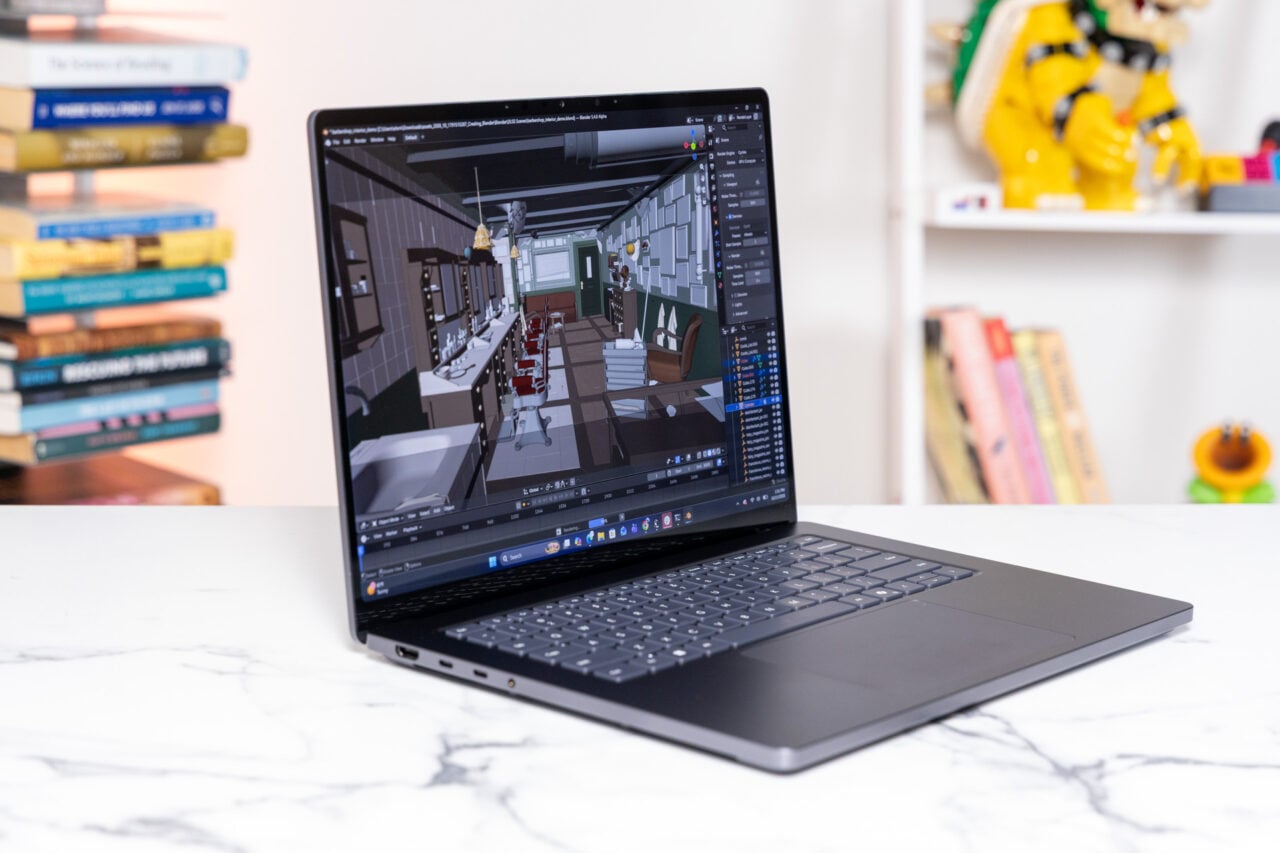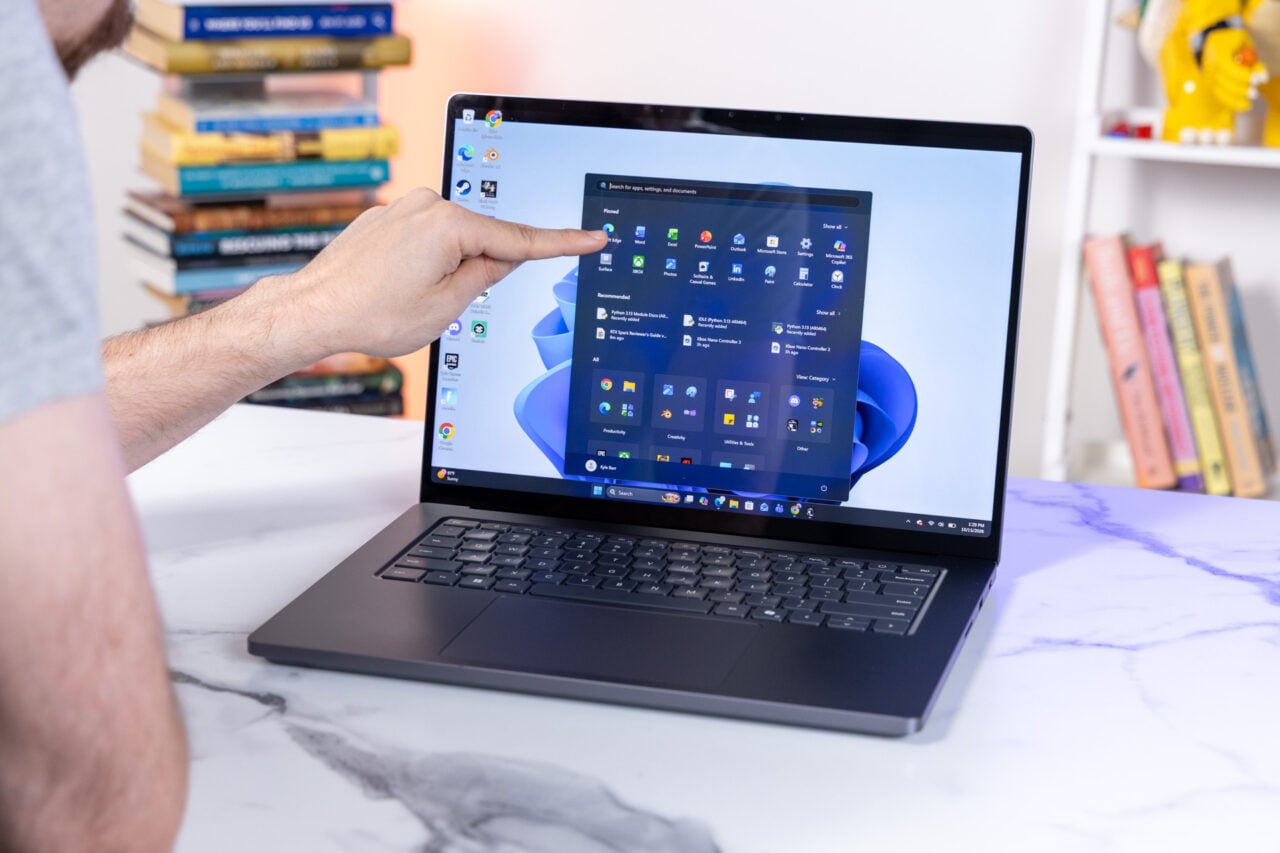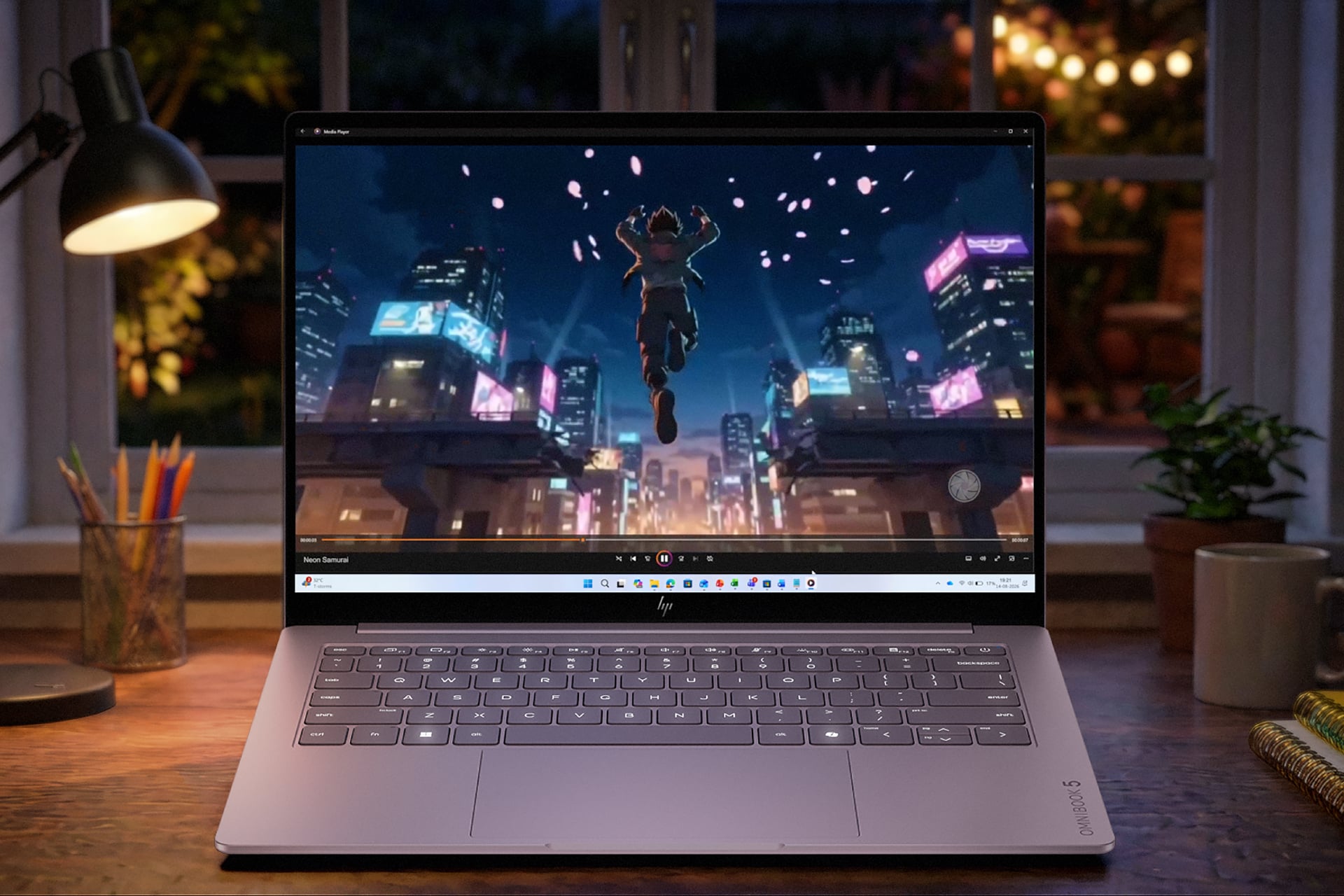
Apple’s MacBook Neo really kicked all the other laptop makers in the pants earlier this year, and now even HP is trying its hand at a low-cost laptop that doesn’t feel “cheap.” The cheerfully colorful OmniBook 5 packs in a few features no other Neo clone has, but I would still be wary about its price point if I were you.
From the jump, HP wants you to know the OmniBook 5 starts at just $700, the same opening cost of the Apple MacBook Neo. However, that price only accounts for 8GB of LPDDR5-6400 MT/s RAM. If you look on HP’s store page, that’s the only config currently available. Based on my tests with similar laptops, 8GB is not enough to allow for a clean Windows 11 experience. Microsoft is in the process of fixing that, but you shouldn’t buy anything now that provides just the bare hope Windows 11 won’t suck as much in the future.
HP has another configuration with 16GB of RAM, and it says it will launch a version with 12GB sometime in November. A spokesperson for HP told Gizmodo that the 16GB version “is planned” but that the company doesn’t have pricing or availability details to share at this time.
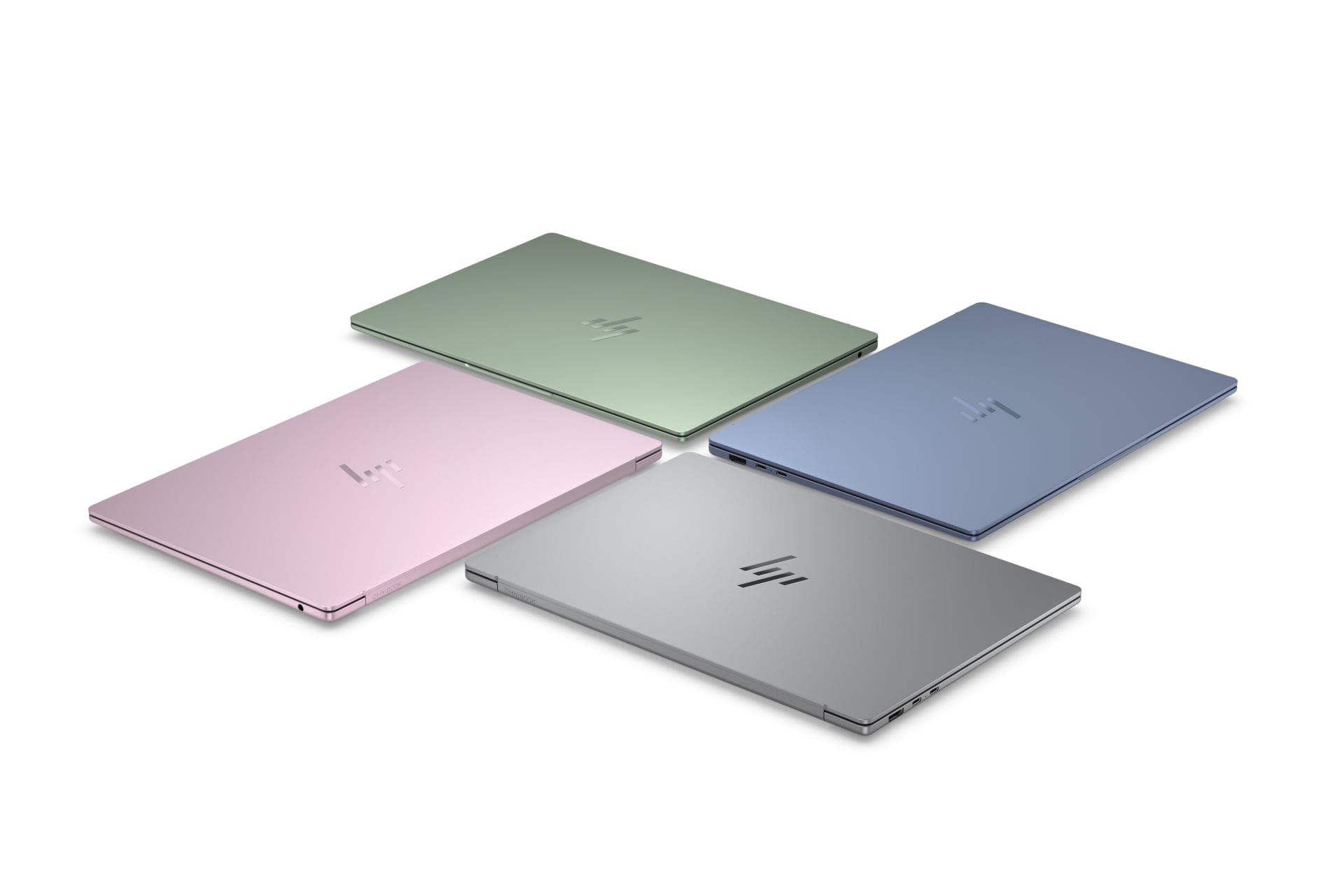
At the very least, the laptop seems light at 2.56 pounds. The MacBook Neo weighs in at 2.7 pounds. The base model also comes with a bare 256GB of storage—same as the MacBook Neo—though you’ll supposedly be able to stretch that to 1TB. The $700 OmniBook 5 model also comes with an Intel Core 5 320 chip, an example from Intel’s Wildcat Lake lineup that has been seen in many low-cost PCs these last few months. You can push the performance with up to an Intel Core 7 350, though that version won’t be around until October.
Let’s take a minute to look at the full arena of MacBook Neo competitors. Dell has two operating at that sub-$1,000 price point, the Dell XPS 13 and Dell 14S. Acer is spinning up a Swift Air 14 with a similar suite of pastel shells. Those laptops are sticking with Intel, but Lenovo is the odd man out with its upcoming IdeaPad Vibe laptops. Those clamshells go even further with vibrant colorways and processor options between an AMD Ryzen AI 400 series chip or a Qualcomm Snapdragon X CPU.
HP is sticking with the same vein of these other brands, simultaneously offering something none of the competition has: an OLED display. Every version of this laptop comes with some variety of organic light-emitting diode screens, which offer a much better sense of contrast than a typical LCD screen. The laptop will launch with options for a touch and non-touch version at 2K resolution (1,920 x 1,200). A 2.5K (2,560 x 1,600) will be along sometime in March 2027. Just know that each screen may not be the brightest of its kind, with a typical luminance of around 300 nits, according to HP’s specs page.
There’s a lot to like here, but I can’t help but feel downtrodden. MacBooks can get away with 8GB of unified memory because—well—macOS is simply better designed for lower memory configurations than Windows 11. Just last month, Dell hiked the costs of its XPS 13, and now the 16GB model costs $1,000. Apple too spiked the price of its MacBook models a few months ago, and I don’t imagine the gouging will falter as we head to the end of 2026. I hope HP can maintain prices on its new OmniBook. Call me a pessimist, but I’m not holding my breath.