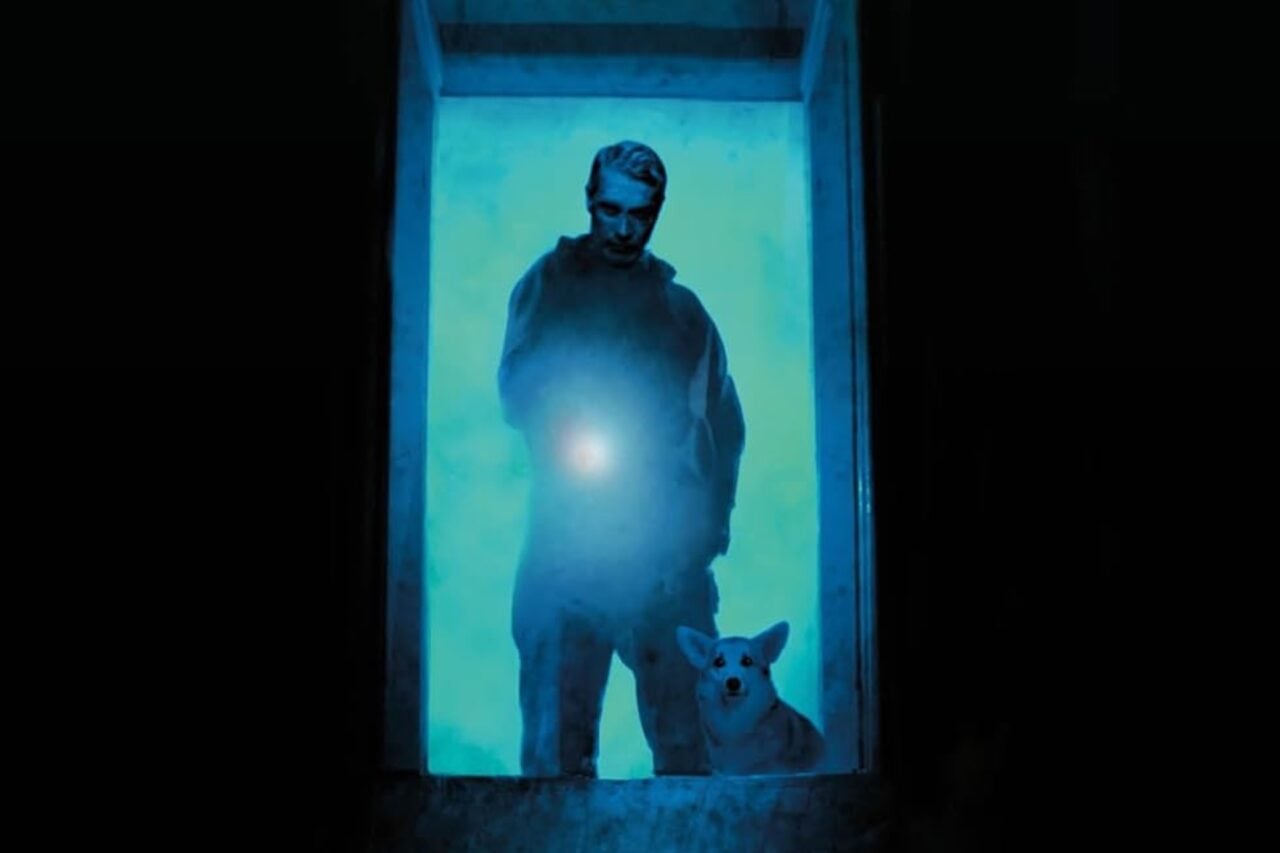
In Adam Sternbergh’s novel Shovel Ready, the world has gone to shit after a dirty bomb hit New York — but the
really horrifying part isn’t the squalor on the streets or the random violence.
It’s the virtual world that the rich have escaped to, and the virtual afterlife
that one televangelist is trying to build.
Spoilers ahead…
Cyberpunk and noir go hand in hand, pretty much since the
beginning of the cyberpunk sub-genre. Most recently, Richard K. Morgan had
a pretty great run of nourish cyber-thrillers in his Takeshi Kovacs series.
https://gizmodo.com/cyberpunk-detective-novel-altered-carbon-really-is-all-5542862
But in Shovel
Ready, Sternbergh adds a couple of new and pretty interesting elements:
1) A strong focus on the post-apocalyptic “real” world, where the
people who can’t afford to hang out in cyberspace live. 2) A heavy emphasis on
religion, showing how religious people use virtual spaces as a tool to shape
both the real and the virtual worlds to their own ends. The result is a pretty
uniquely sardonic thriller that serves up lots of barbs along with its plot twists.
Shovel Ready
follows a protagonist known only as Spademan, who used to be a garbage
collector and is now a professional hitman. He has a whole system to keep
himself anonymous and ensure that he doesn’t know anything about the people
he’s killing. He’s kind of a psycho, partly as a result of a series of
tragedies that happened to him before and after the Times
Square dirty bomb, but he’s also a familiar example of the
“anti-hero with a code” who tends to populate this kind of novel.
What makes Spademan somewhat unusual, especially in a novel
about virtual reality, is that he’s sworn off the stuff. He used to be a VR
addict before his wife died, but now he refuses to go into virtual reality at
all — which makes him the ultimate outsider in a novel about people who spend
a lot of their time inside little beds, living out their virtual fantasies.
You can read an excerpt where Sternbergh writes about the
rise of virtual reality, and how it became the preferred existence of the
wealthy and anyone else who could figure out a hack, over
at BoingBoing.
Obviously, a world where the rich live in amazing,
real-seeming cyberspaces and everybody else lives in the gutter is rife for social
commentary about the 99 percent and the 1 percent, in the vein of Neill
Blomkamp’s Elysium. But part of what
makes Sternbergh’s novel pretty uniquely engaging is that it stays completely
grounded in the New York area, and the
dystopian ruined New York
is a major character in this novel. Sternbergh himself is culture editor of the
New York Times Magazine and a former contributor to New York, and his knowledge of the city and
its surrounding area animates every sparsely described moment of this book. The
world of Shovel Ready feels lived in and completely convincing, from the
squalor of Red Hook to the devastation of Times Square to Spademan’s home in Hoboken.
In Shovel Ready,
Spademan gets hired by a televangelist named T.K. Harrow to kill Harrow’s runaway
daughter Grace, and he soon finds himself getting drawn into the sleazy world
of Harrow’s megachurch. Harrow
is creating a digital Heaven where people can go without having to die first,
called Paved With Gold, and it should surprise nobody that his computer-generated
afterlife is completely rotten and corrupt — but the revelations about Paved
With Gold, when they arrive, are shocking and disturbing. In fact, Sternbergh’s
sharpest social satire has nothing to do with the disparity between rich and
poor, and everything to do with the awfulness of organized religion.
We’ve seen cybernetic
afterlifes before — many, many times — but we’ve seldom seen a vision of a
rotten Heaven as terrible as Paved With Gold.
https://gizmodo.com/virtual-resurrection-the-dead-who-went-to-cyber-heaven-5281164
And the great strength of Shovel Ready is its sarcastic, laconic voice. The whole thing is
written in short, sharp one-sentence paragraphs, with no distinction between
people’s speech and other stuff. (No quotation marks, in other words.) The
incredibly terse style lets Sternbergh pepper you with one-liners and gives the
sick little moments maximum impact, although it may not be for everybody.
Here’s a sample (more here):
First body lays splayed out on the stretcher, bloody and
neglected, and it’s not like TV. No one solemnly says a prayer or pulls a sheet
up over his head. These EMS guys have other
things to worry about, like rolling up another gurney and pulling the second
body from the van.
Also a man. Also mangled.
Signs of serious knife-work.
I ask the texting cop what happened. He doesn’t even look up
from his phone.
Who knows? Lovers’ spat? Some random psycho? Ask me, smells
like some homo 69 gone very wrong.
I wince. Play squeamish.
Looks like those guys got slashed to ribbons.
Cop shrugs.
Sometimes passions run high.
Any leads?
Cop looks up finally.
Human garbage lives around here? Take your pick. I’m just
surprised whoever did this didn’t torch the van. Would have saved us a trip.
Let fire worry about it.
How long’s that van been here?
No more than a few hours, maybe. Only got called in because
some thugs pried the back open, looking to loot it, and got spooked. Found more
than they expected and phoned 911. Not until they’d stolen both stiffs’
wallets, of course. And stripped out the stereo.
Phone chirps again. New text. Cop smirks again.
I say thanks as I retreat back into the crowd.
Don’t really worry about him remembering my face.
I’m not that memorable.
Just a garbageman.
So yeah, it’s pretty insanely noir, although not at all
reminiscent of classic noir authors like Raymond Chandler or Ross McDonald, who
would write these great descriptive paragraphs full of intense amounts of
detail and atmosphere.
In any case, Shovel
Ready is a very fast read — you can probably zip through it in two or
three hours, after which you’ll be left with some gruesome images in your head
and a vague sense of unease about the future. Which are good things to be left
with, for sure.
Unfortunately, the book starts to wobble a bit in its final
third — Sternbergh’s first person narrator suddenly starts narrating lots of
events that he personally did not witness, which turns the narrative extremely
choppy as he pivots between first person and third person omniscient. (That
might only bother POV nerds, though.) More seriously, some of the plot twists
in the final act seem to come out of nowhere and don’t feel entirely supported
by what’s come before, and the whole thing starts to feel a bit random and
convenient. These feel very much like typical problems of a first novel.
The good news is, the character of Spademan and his snarky
observations do carry you forward, and there are enough revelations towards the
end that feel both shocking and supported by the story, that Shovel Ready still winds up feeling like
a great read, and its world still manages to hold you in its dirty clutches
until the violent, fascinating conclusion.