Cortana
Microsoft’s virtual assistant exists today, but not in the role it was born to play. Again, Microsoft was late to the party here, launching Cortana long after Google Assistant, Amazon’s Alex, and Apple’s Siri had eaten up market share. Named after an AI in the video game Halo, Cortana launched on the ill-fated Windows Phone before being integrated into PCs in 2015. On paper, Cortana looked like a success due to the millions of users who had access to it by simply owning a Windows PC. In practice, nobody was talking to the assistant.
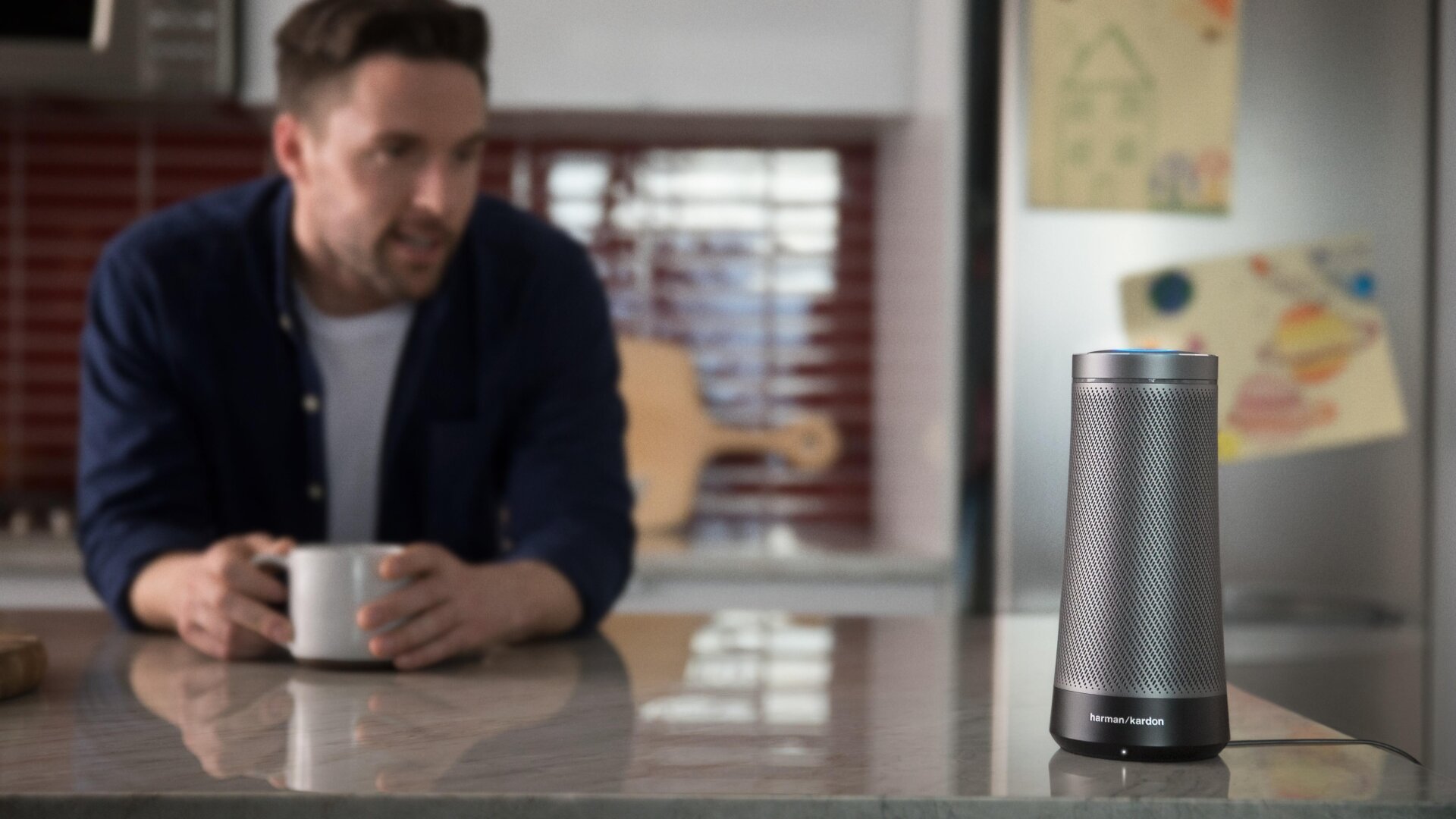
Cortana didn’t stand a chance once Windows Phone failed. Being integrated into laptops and desktops just isn’t as useful as being the go-to assistant on a mobile device. Microsoft tried to expand Cortana’s reach with the Harmon Kardon Invoke speaker powered by Cortana (and the Johnson Controls GLAS Thermostat), but it otherwise failed to get enough third-party support. Microsoft eventually removed Cortana from Windows Search and disabled it by default in Windows 11.