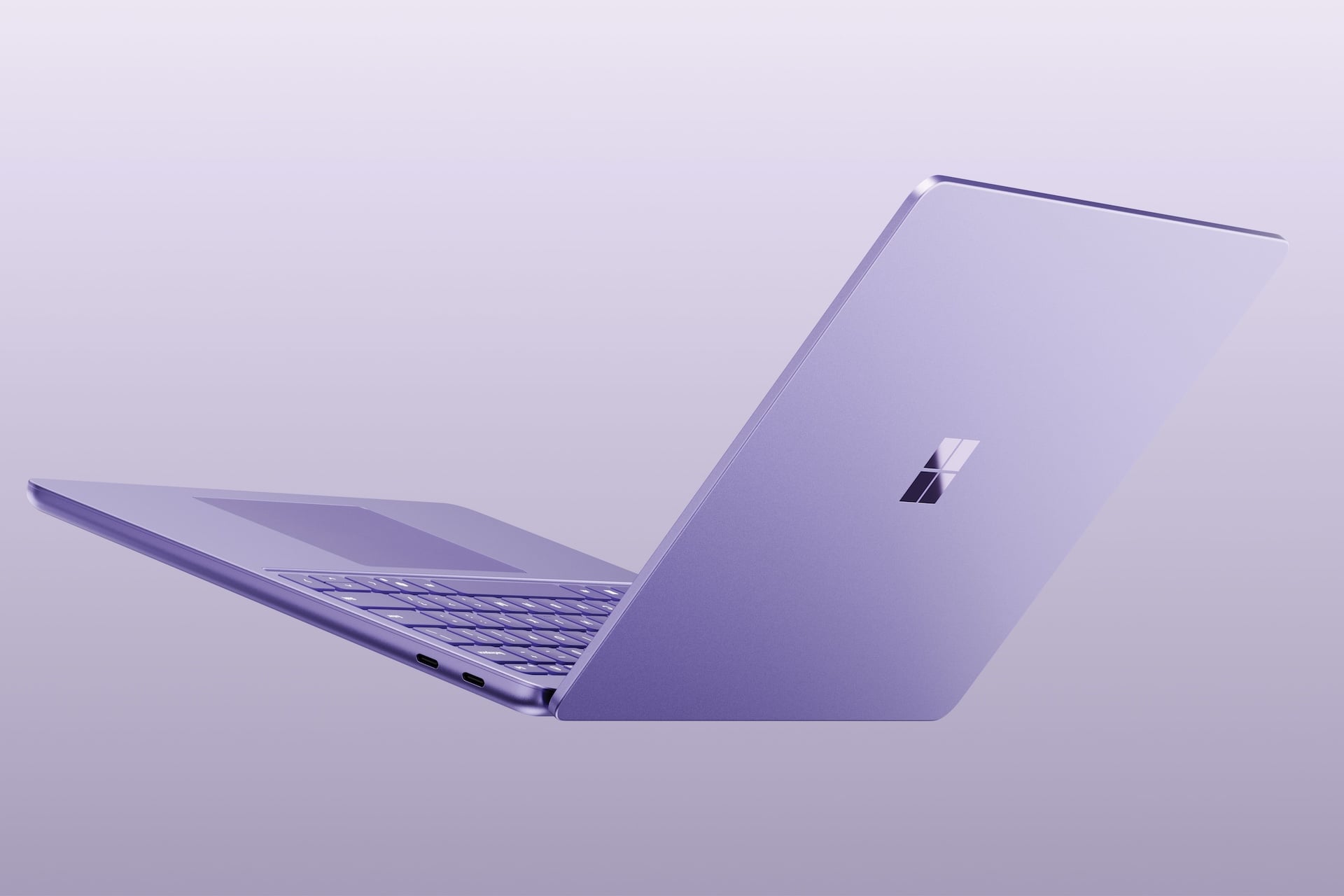
Microsoft’s smaller-sized Surface PCs are back, and they’re looking to be the slightly more affordable option than the recent Intel laptops. And even though I appreciate a calming violet and ultra-black Surface Pro 12-inch and Surface Laptop 13-inch, I can’t stop thinking about the new Surface Mouse that’s making me shiver as I wonder if the Windows maker has made a mouse as strange as Apple’s Magic Mouse.
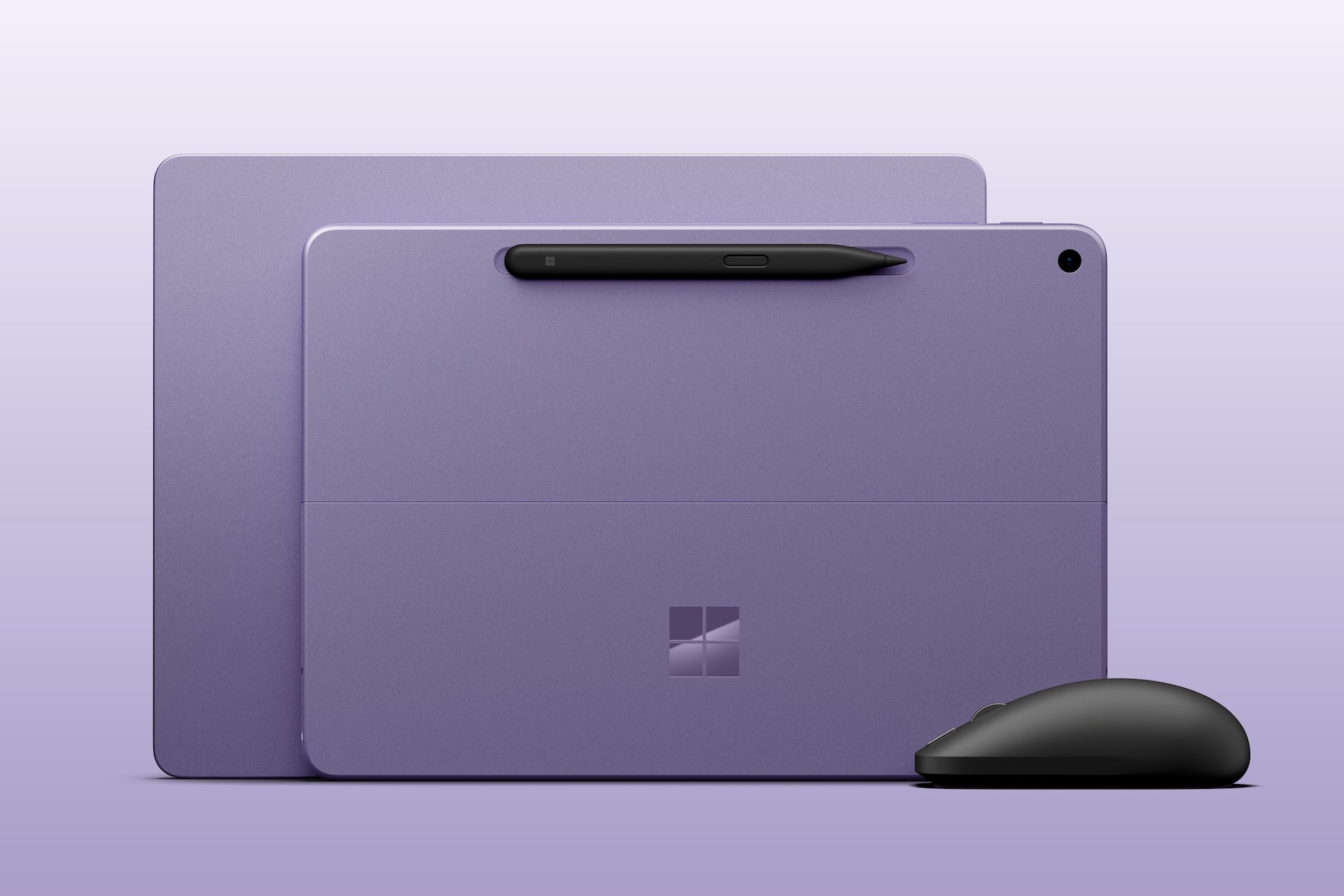
The second-generation Surface Pro 12-inch is leaving the first-generation’s Snapdragon X platform behind and is welcoming the Snapdragon X2 Plus. That’s Qualcomm’s 6-core CPU meant to be a more-midrange chip than the Snapdragon X2 Elite.
The smaller Surface convertible tablet/laptop is now relying on a 12-inch LCD “PixelSense” display that maxes out at a solid 2,196 x 1,464 resolution with a 220 PPI (pixels per inch) pixel density. The base model comes with 16GB of RAM and 256GB of storage. At least Microsoft isn’t trying to entice you with a bogus 8GB memory option.
No matter if you’re using it without a keyboard, you’ll probably appreciate the upgrade to a stated 500 nits of brightness. And—finally—Microsoft will make a version of its tiny tablet with 5G. The unfortunate thing is it now costs $1,150, $150 more than the previous model was at launch. It’s at least $350 less than the latest 13-inch Surface Pro. You still have to buy the keyboard and Slim Pen separately, even though Microsoft obviously wants you to use both with its convertible design.
If you do buy a Slim Pen, you can then make use of Microsoft’s new Ink Canvas app. This is different from the age-old Microsoft Paint, as it’s built expressly for the stylus and for jotting down notes, scribbling, or using AI to summarize text. You can also generate AI images using the app, but let’s just admit that’s probably the worst use of your time if you’re buying a PC with a dedicated drawing stylus.
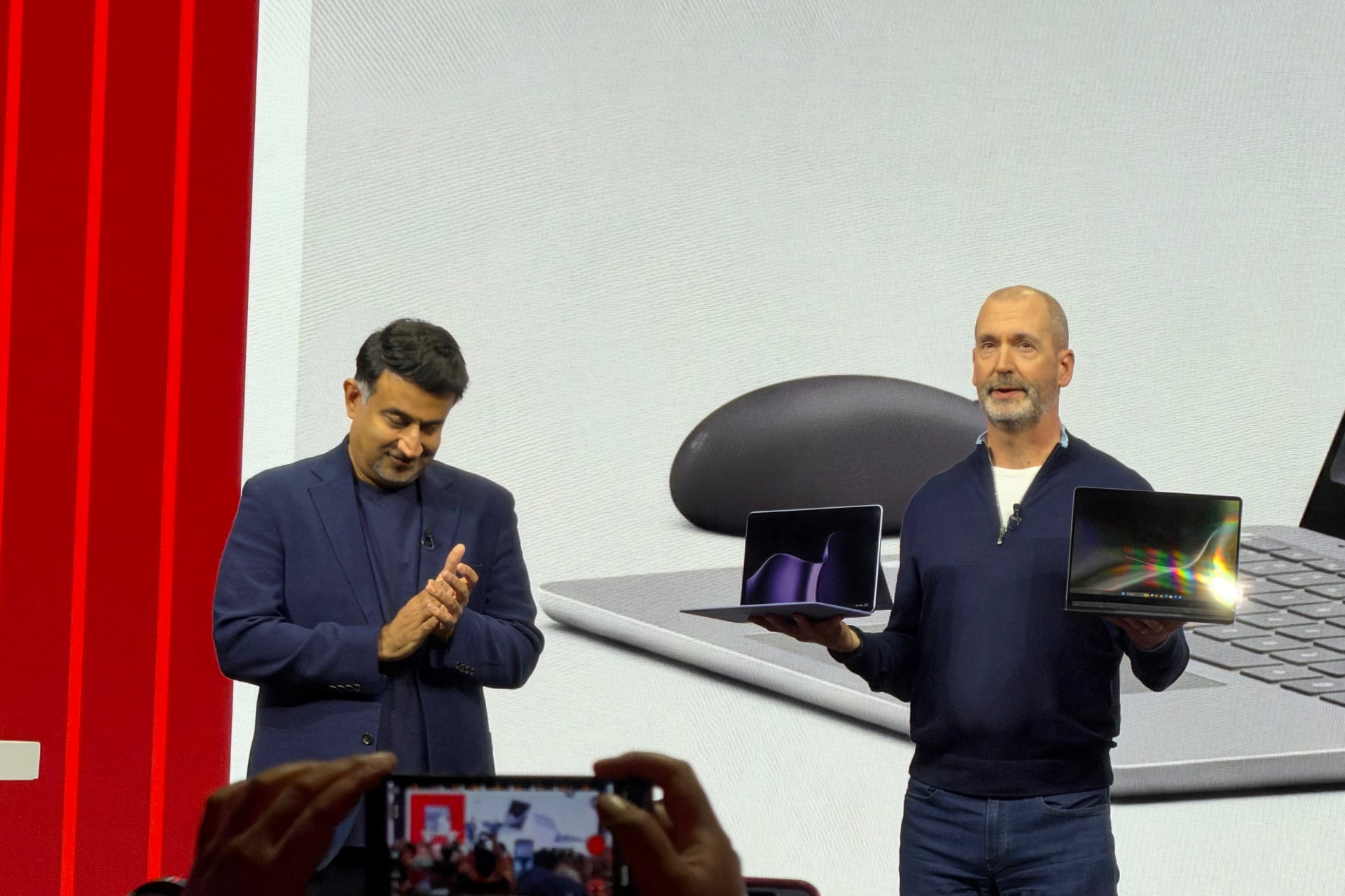
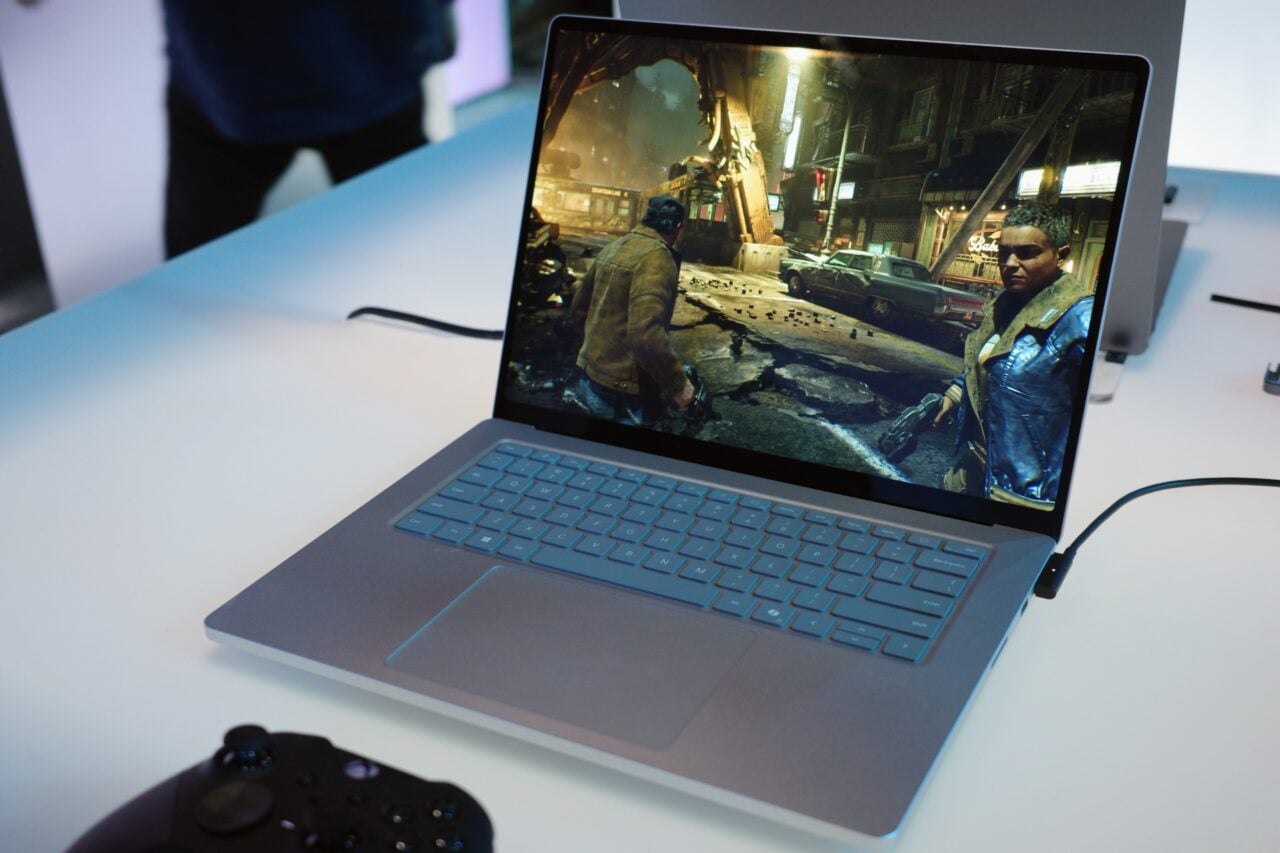
Microsoft’s $1,200 Surface Laptop 13-inch is a less dramatic upgrade from the prior generation, though there’s still something to enjoy about the company’s slim designs. It’s built around the same Snapdragon X2 Plus chip, which may come in handy for typical day-to-day work on its larger 3:2 aspect ratio screen. The Snapdragon X2 Plus chip is supposed to offer 60% better graphics performance than the first generation, though it still may not match up to what you find on devices with Intel or Apple’s latest M6 silicon.
And if that wasn’t enough, the people behind the Surface are revisiting the mouse in the most Microsoft way possible. The first renders of Microsoft’s new $80 Surface Mouse at first look like the device was devised in Blender and the 3D modeler gave up halfway through. In principle, the mouse sports a sleek, creaseless design that looks more comfortable than Apple’s thin, streamlined, and maligned Magic Mouse. The difference with Microsoft’s design is that it uses a new haptics-based left and right click. Like a haptic trackpad on a laptop, the buttons register the capacitive touch of your finger to the surface, then release a vibration as force feedback.
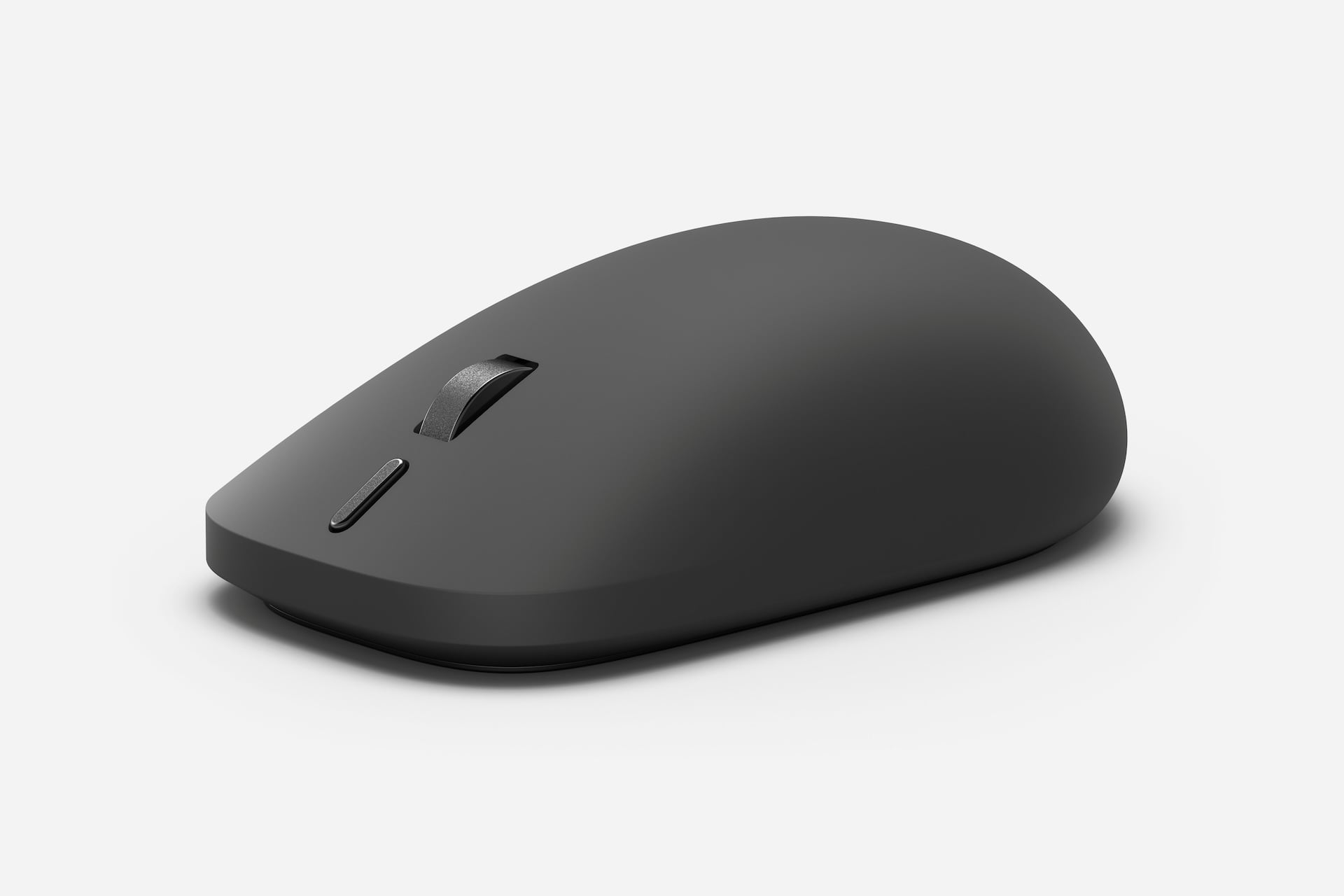
There are obvious benefits to haptic designs. One, they reduce the moving parts that can eventually fail on oft-used controls like your typical optical mouse. The haptics also allow for more customization. The Logitech G Pro Superstrike X2 and new X3 gamer mice also include haptic clicks, and users are able to set the depth at which those inputs register. Microsoft promises you’ll experience haptics similar to its new Surface PCs, like when various windows snap into place.
And, of course, there’s also a special AI button that you’re supposed to use to talk to Microsoft Copilot in its recently consolidated app. I’ve seen this same feature on two-year-old Logitech mice and the more recent Lenovo mouse built for the new Googlebook design. The one question I have left is, where the hell is the USB-C port? Here’s the thing: the new Surface Mouse is instead using two AAA batteries for power. They’re housed in a small compartment underneath the mouse. Is that better or worse than the Magic Mouse? I’ll get back to you on that one.
All the new Surface devices will be available on Oct. 13. We’ll see how long Microsoft can keep its PC prices stable with the ongoing RAMpocalypse rearing its ugly head.
This post was updated to include details about the Surface Mouse’s AAA batteries.