Life…finds a way
To cover astrobiology is to surrender oneself to the relentlessly applicable line delivered by Jeff Goldblum in Jurassic Park. There’s plenty of life on Earth that shows the extremes at which organisms can eke out an existence, and even thrive.
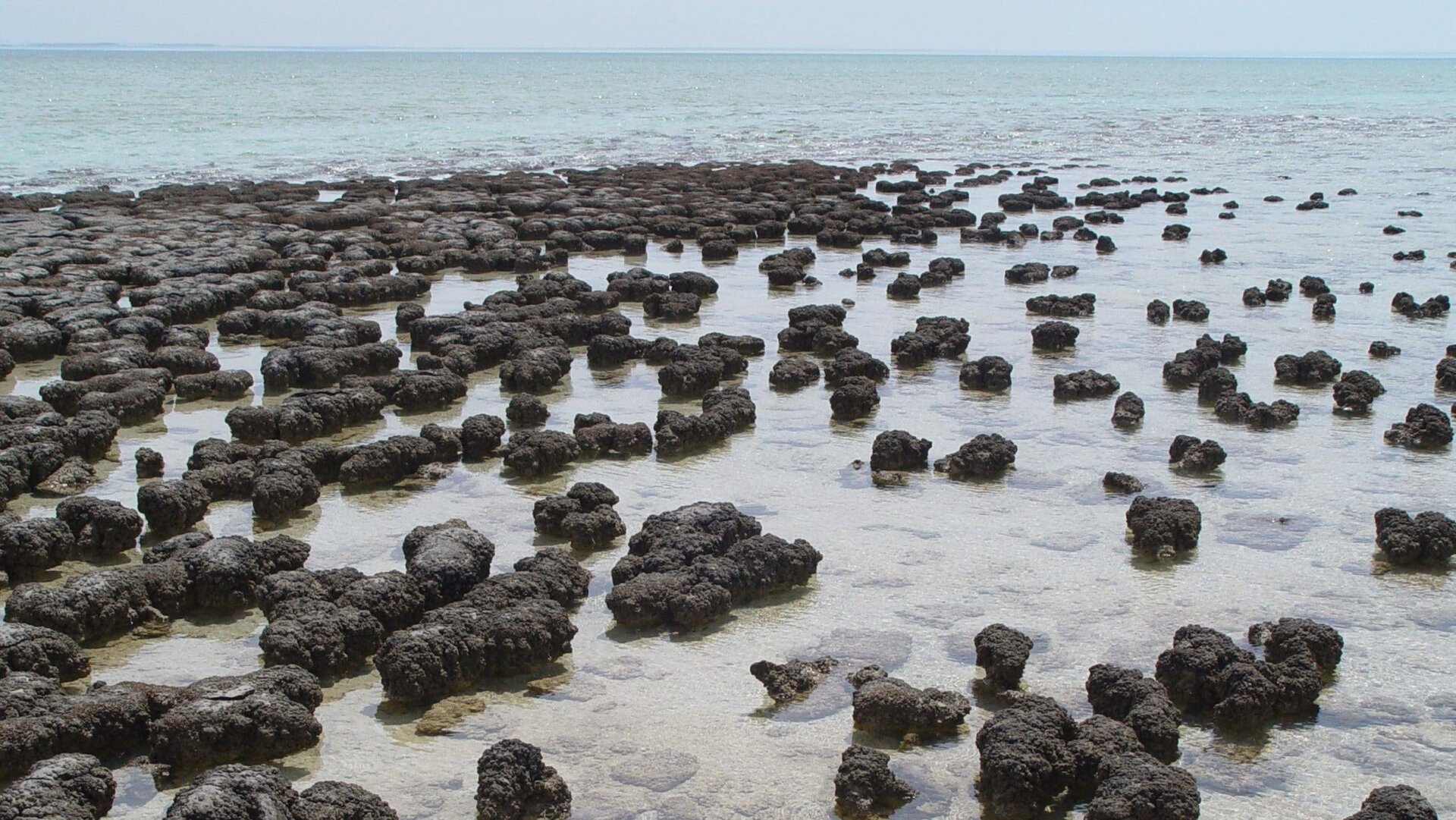
Astrobiology takes the rules life seems to follow and applies them to the cosmos. Because space is inhospitable, it often means understanding how the most primordial life on Earth existed, as well as how the hardiest organisms around today make do in their environments.
For example, tardigrades—sometimes referred to as water bears or moss piglets—are so damn hardy that a team of scientists conducted a series of tests on them to investigate whether organisms like them might be capable of surviving atmospheric reentry while hitching a ride on asteroids.
Last year, a team of researchers posited that one remarkably durable microbe (Deinococcus radiodurans) could have survived radiation just underneath Mars’ survive for about 280 million years. That’s not to say microbes did, of course, but it’s good that scientists are exploring the limits of what’s possible.