A NASA probe is currently en route to a metal-rich asteroid that may be the leftover core of an ancient planetesimal. To adjust itself for the 2.2 billion-mile journey, the spacecraft had a brief encounter with Mars, providing a valuable practice run ahead of its main mission.
NASA’s Psyche spacecraft successfully completed a flyby of the Red Planet on May 15, coming within 2,864 miles (4,609 kilometers) of the Martian surface. The spacecraft used Mars for a gravity assist to boost its speed and adjust its orbital plane without sparing any onboard propellant before heading directly toward the asteroid, according to NASA.
During the planetary flyby, Psyche was able to capture some unique images of Mars, including views of its dusty surface.
Martian crescent
In the days leading up to the Martian encounter, the team behind the Psyche mission turned on the spacecraft’s instruments for calibration. The instruments included magnetometers, gamma-ray and neutron spectrometers, as well as imagers, allowing the spacecraft to send back some beautiful shots of Mars.
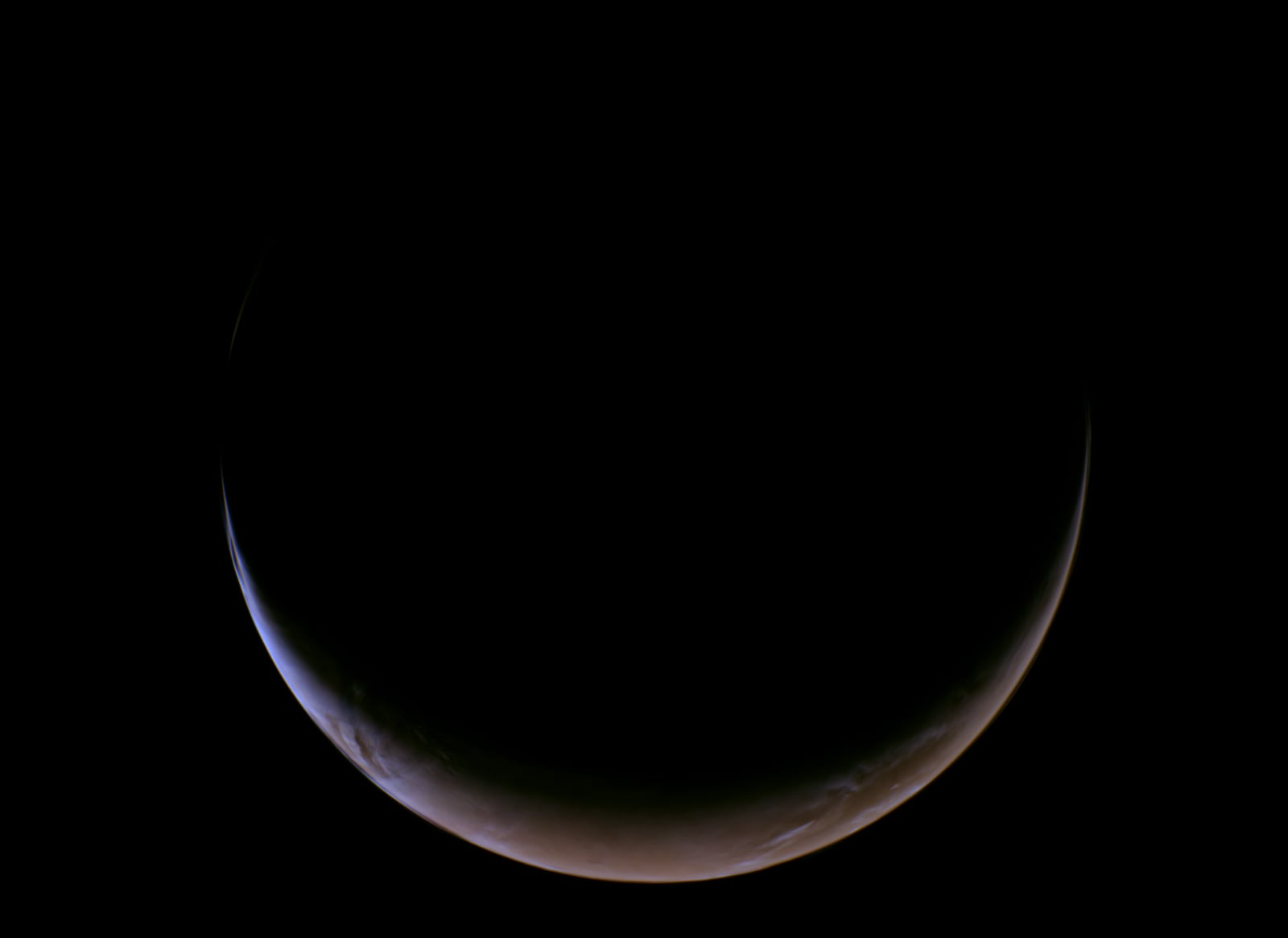
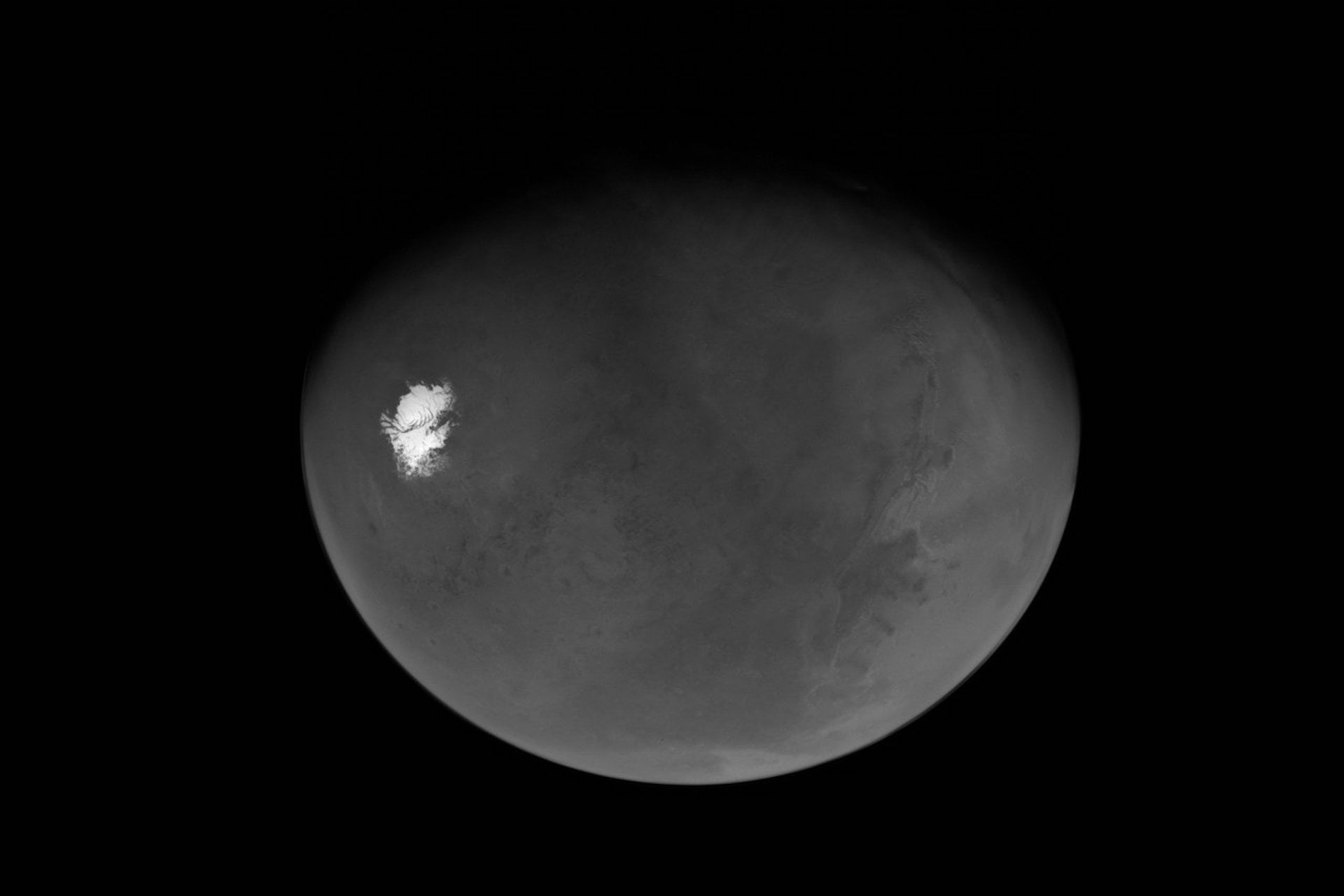
Psyche approached Mars from a high-phase angle, capturing the Red Planet from a rare perspective. In the above image, Mars is seen as a fading crescent with its unique reddish hue appearing from below.
As Psyche got closer, the crescent appeared brighter and extended farther around the planet’s disk in observations from the spacecraft’s multispectral imager. That’s because of the strong scattering of sunlight through the planet’s dusty atmosphere.
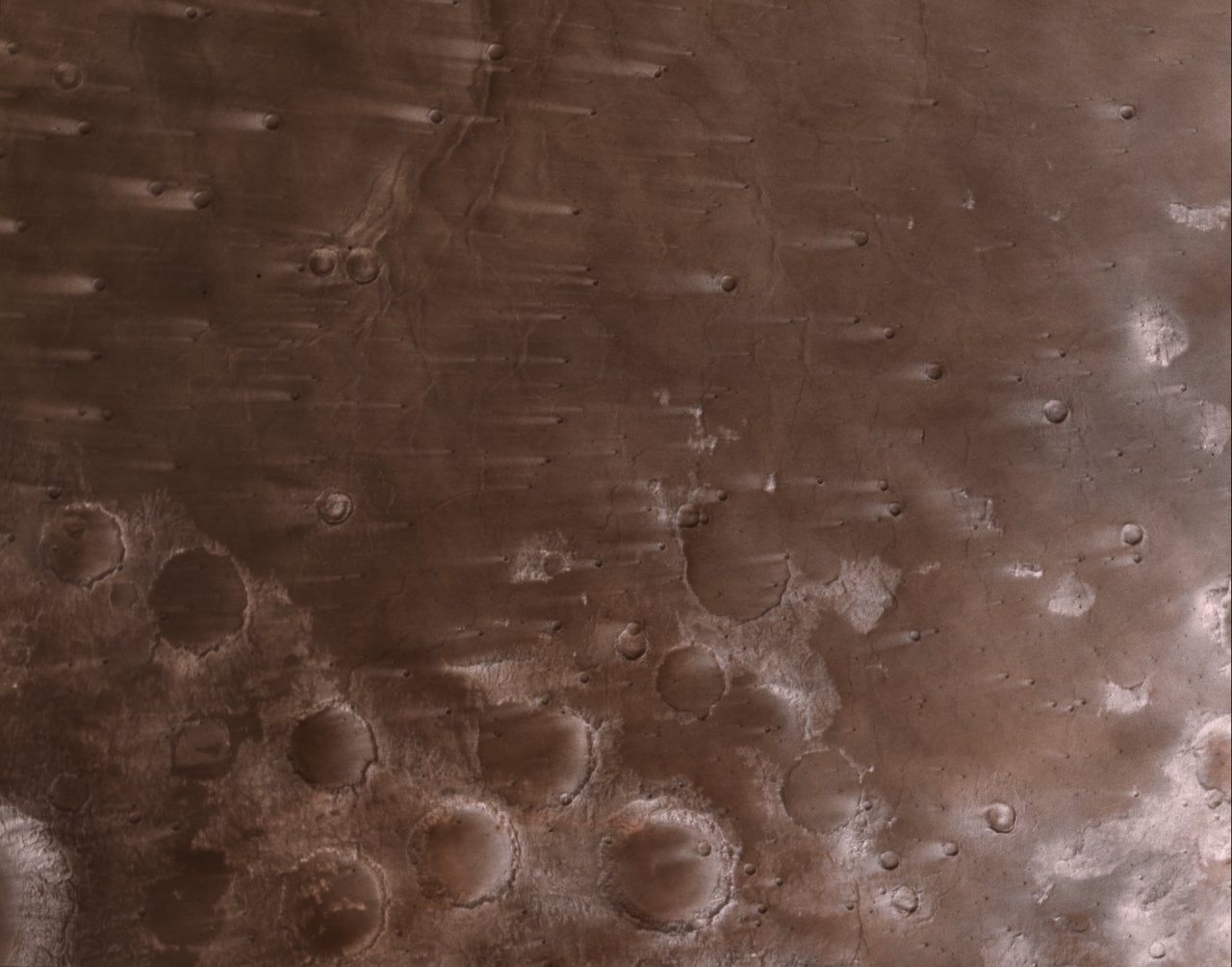
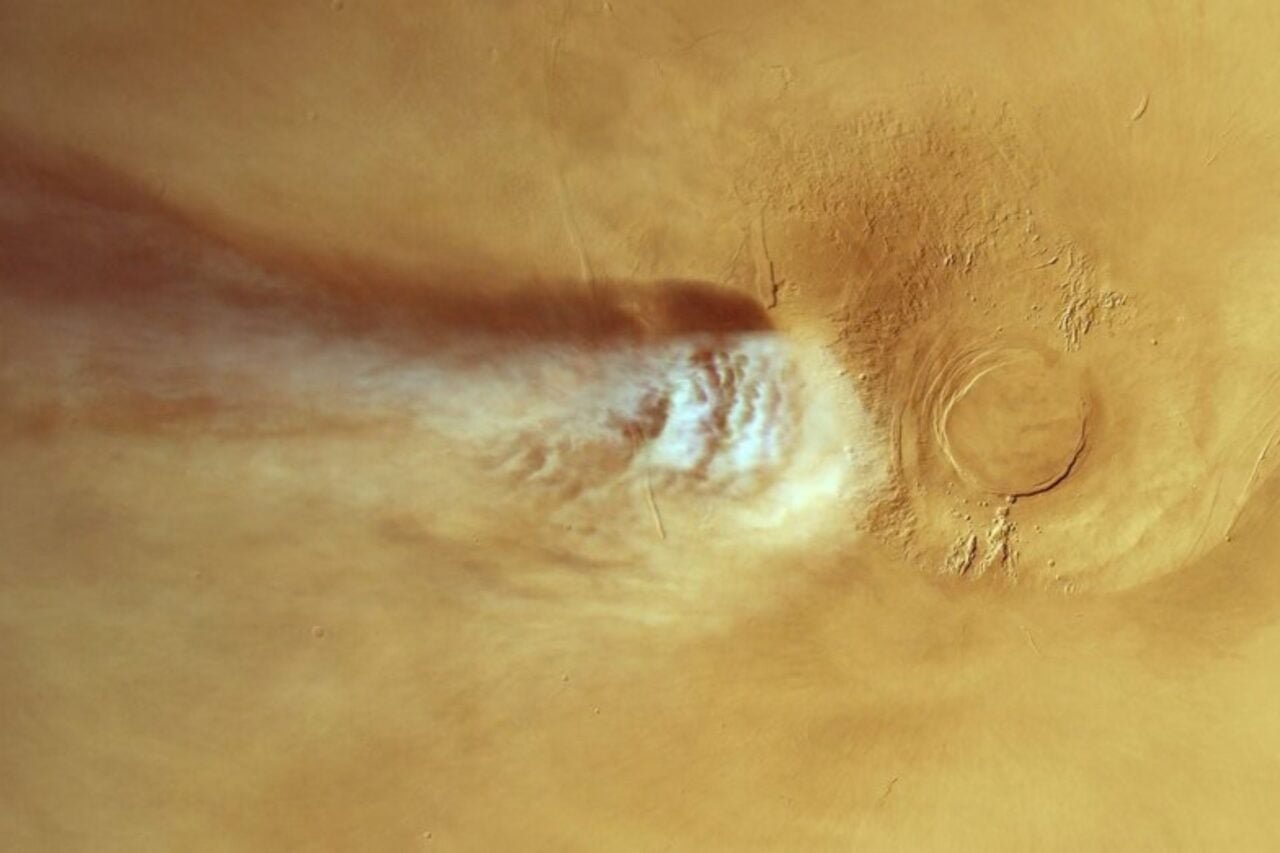
As Psyche crossed over from Mars’ nighttime skies to its sunlit daytime side, the spacecraft captured a rapid series of pictures of the planet’s surface around the time of its closest approach. The above image shows streaks that have formed due to wind blowing over impact craters in the Syrtis Major region. The wind streaks extend to about 30 miles (50 kilometers) long, according to NASA.
“This dataset provides unique and important opportunities for us to calibrate and characterize the performance of the cameras, as well as test the early versions of our image processing tools being developed for use at the asteroid Psyche,” Jim Bell, the Psyche imager instrument lead at Arizona State University (ASU), said in a statement.
Long way to go
Psyche launched in October 2023, beginning a six-year journey to the main asteroid belt. If all goes well, the spacecraft will enter asteroid Psyche’s orbit in late July 2029 and begin its mission in August of the same year.
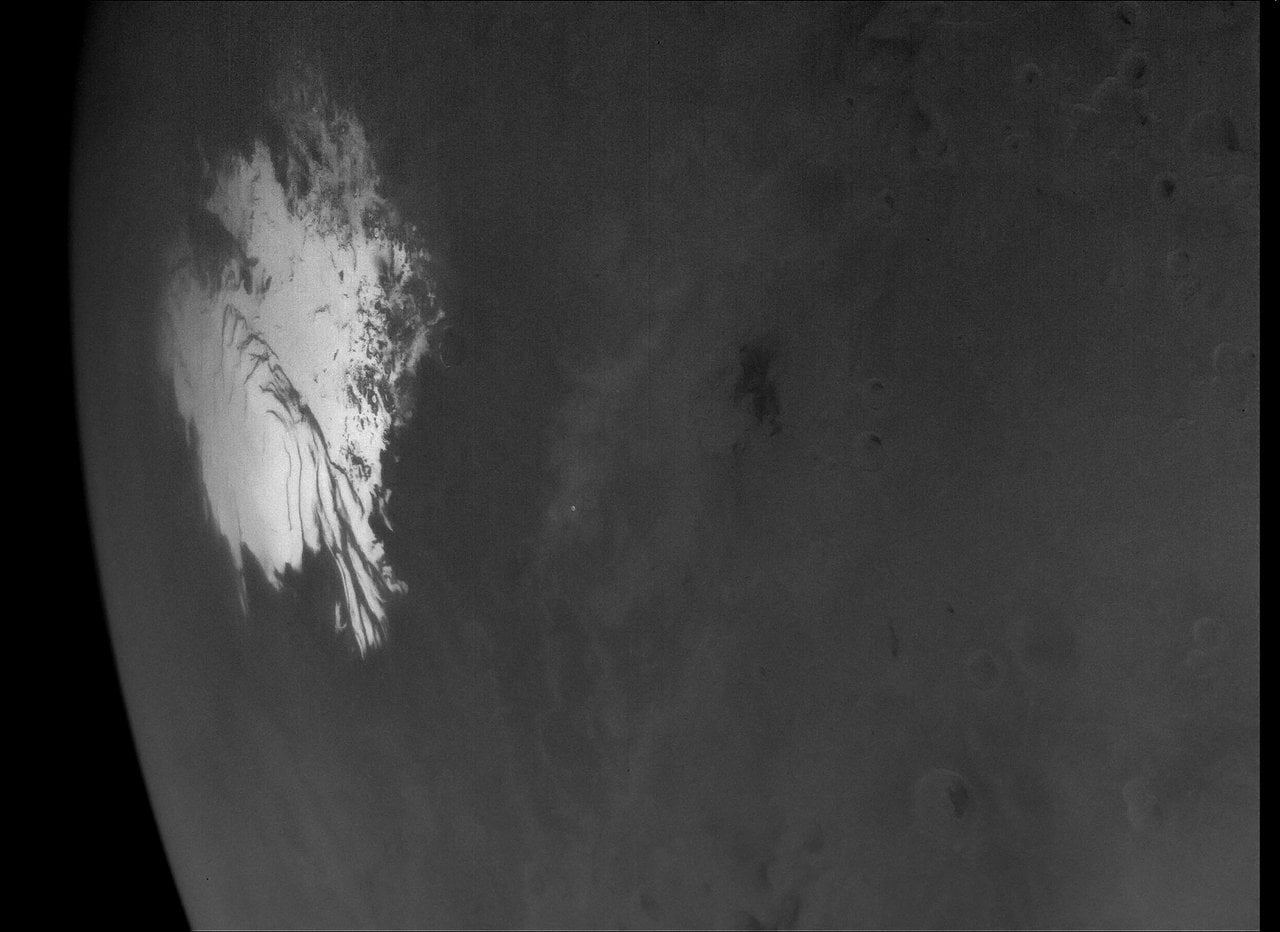
After waving goodbye to Mars, the spacecraft will go back to using its solar-electric propulsion system to make its way straight to its target. The 173-mile-wide (280-kilometer) asteroid orbits the Sun in the outer part of the main asteroid belt between Mars and Jupiter. Scientists believe the space rock might be an exposed core of a planetesimal, or an early planetary building block, which was stripped of its outer layer during the early formation of the solar system.
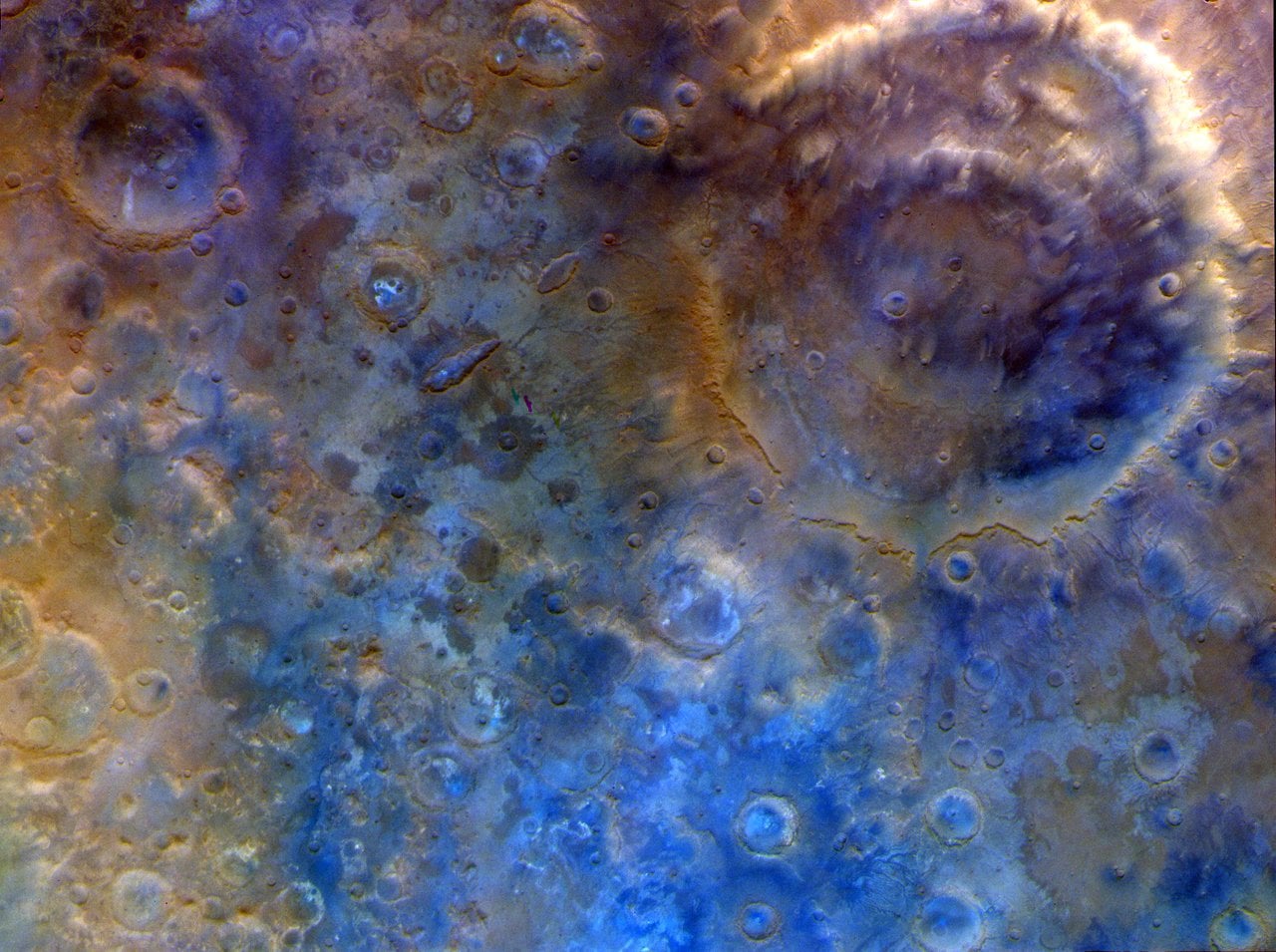
Following the Mars flyby, the team analyzed radio signals between the spacecraft and NASA’s Deep Space Network, an array of giant radio antennas that the agency relies on to communicate with its spacecraft. The signals confirmed that Psyche is indeed on the right trajectory toward its asteroid target.
“We’ve been anticipating the Mars flyby for years, but now it’s complete. We can thank the Red Planet for giving our spacecraft a critical gravitational slingshot farther into the solar system,” Lindy Elkins-Tanton, principal investigator for Psyche at the University of California, Berkeley, said in a statement. “Onward to the asteroid Psyche!”