As humanity continues to expand its presence in space, the questions we’re asking are also getting grander in scale. Here’s an example: What if we could “stop” space weather?
An ambitious proposal, published earlier this month in Space Weather, explores the possibility of a space-based system designed to fortify Earth’s natural defenses against damaging space weather, like solar storms. The system, dubbed “StormWall,” could use a constellation of spacecraft—six in the example design—to release material in geosynchronous orbit, where it would become plasma and drift toward the edge of Earth’s magnetosphere. By seeding Earth’s magnetosphere with plasma, the system would temporarily bolster its defenses against solar storms.
“When you apply some really serious physics to it, it does work. And the amount of mass we need, the launch capacities—it’s all within our capabilities,” Brian Walsh, the study’s first author and an engineer at Boston University, said in a statement. “People have always thought, ‘space is huge, the sun is massive, we just have to sit here and take whatever it gives us.’ But what we found is that we can impact it.”
Cosmic energy dump
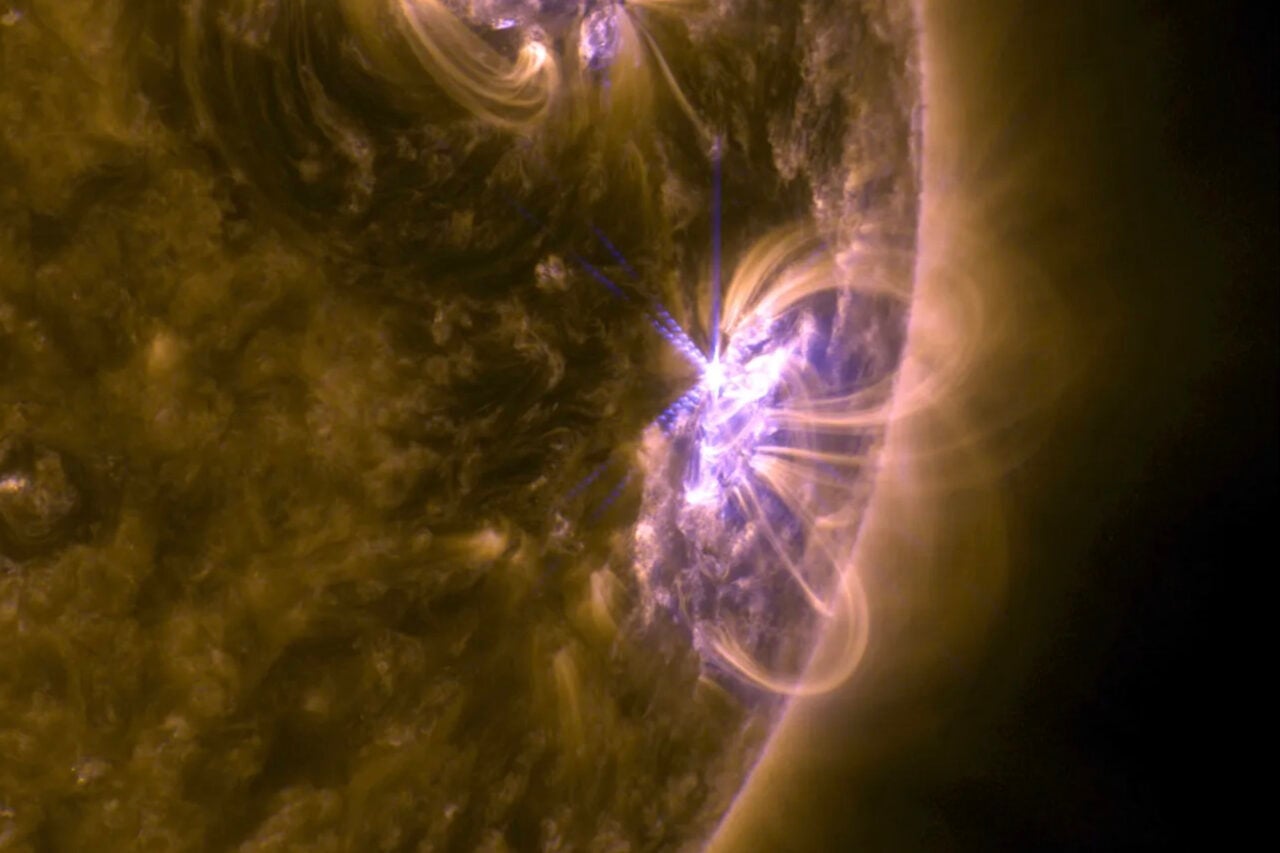
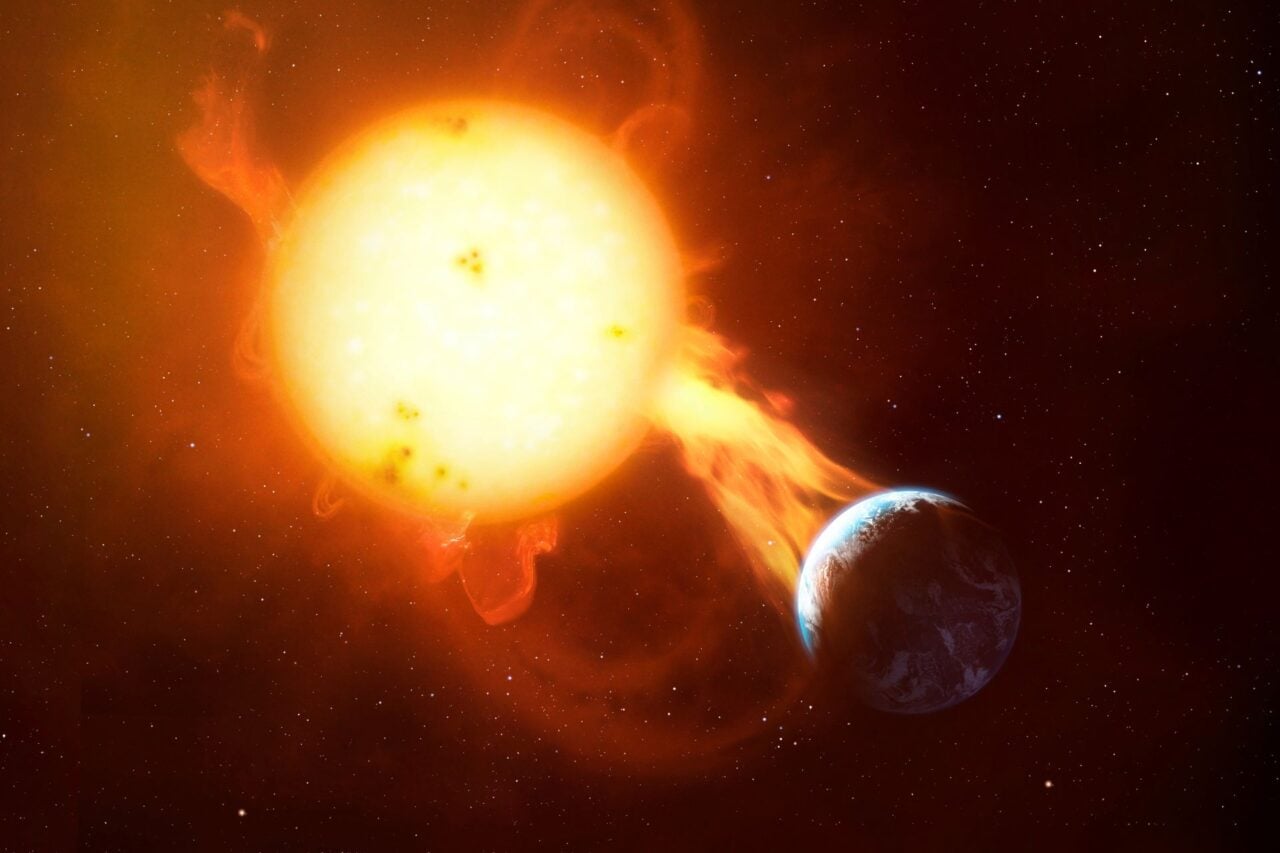
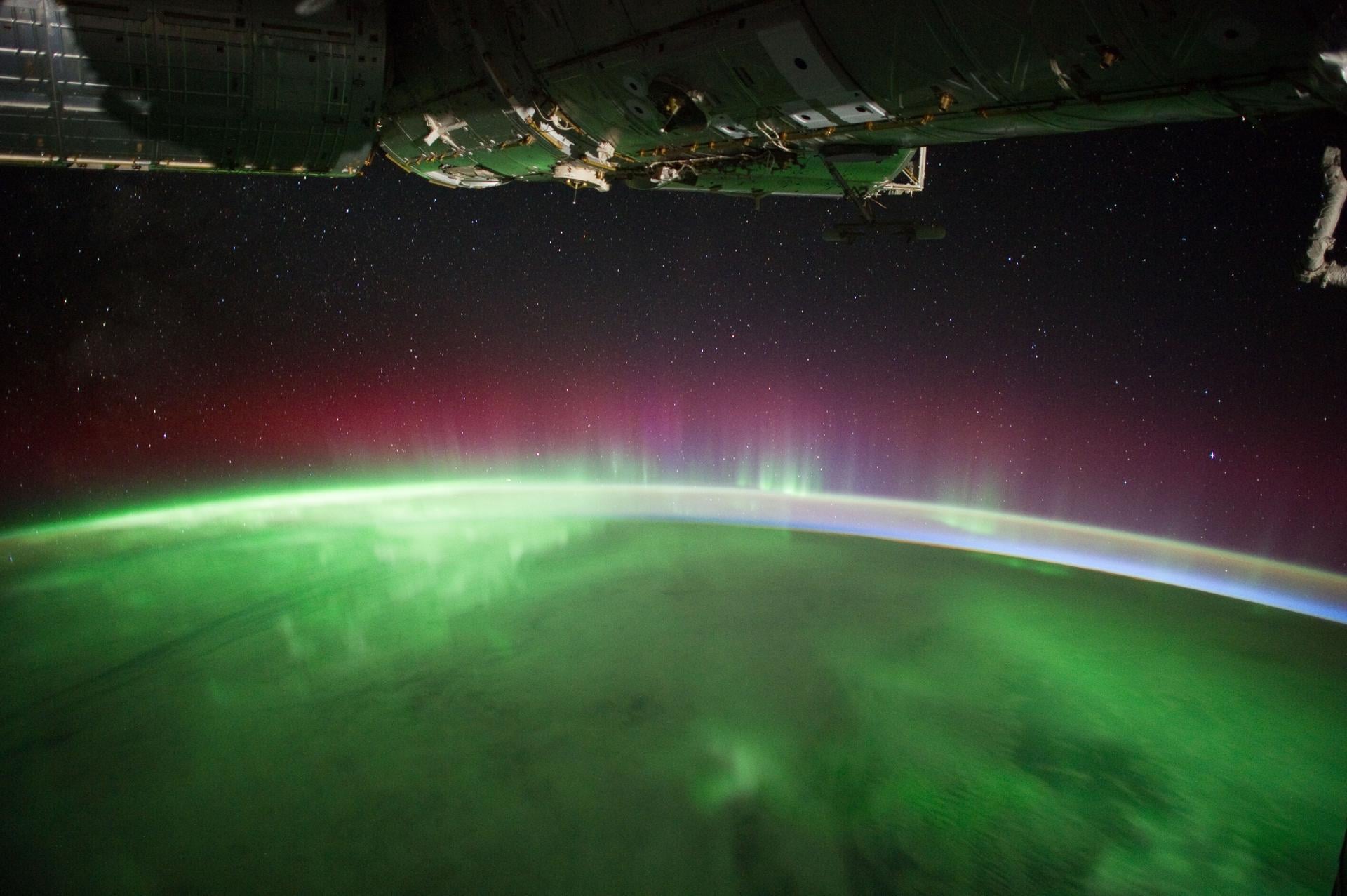
Geomagnetic storms occur when a “very efficient exchange of energy” from the solar wind into the space around Earth creates a major disturbance in our planet’s magnetosphere, according to the Space Weather Prediction Center at the U.S. National Oceanic and Atmospheric Administration. While these intense currents create beautiful auroras, these disturbances can interfere with energy grids, satellites, and more.
Meanwhile, previous research determined that this energy dump—formally called magnetic reconnection—depended on plasma density, magnetic field magnitude, and the orientation of both solar winds and the magnetosphere, the paper noted. Fascinatingly, simulations and spacecraft measurements strongly suggested that reconnection rates decreased with increased mass density in the magnetosphere.
Suppressing the wind
StormWall builds upon this idea of suppressing magnetic reconnection, somewhat like an “automobile airbag,” as the study describes it. The system would start with several spacecraft fitted with mass-loading material in the form of alkaline chemicals like barium and lithium. When space weather forecasts solar storms, an operator on Earth releases the material from the canisters, which quickly becomes ionized and fortifies the magnetosphere’s plasma.
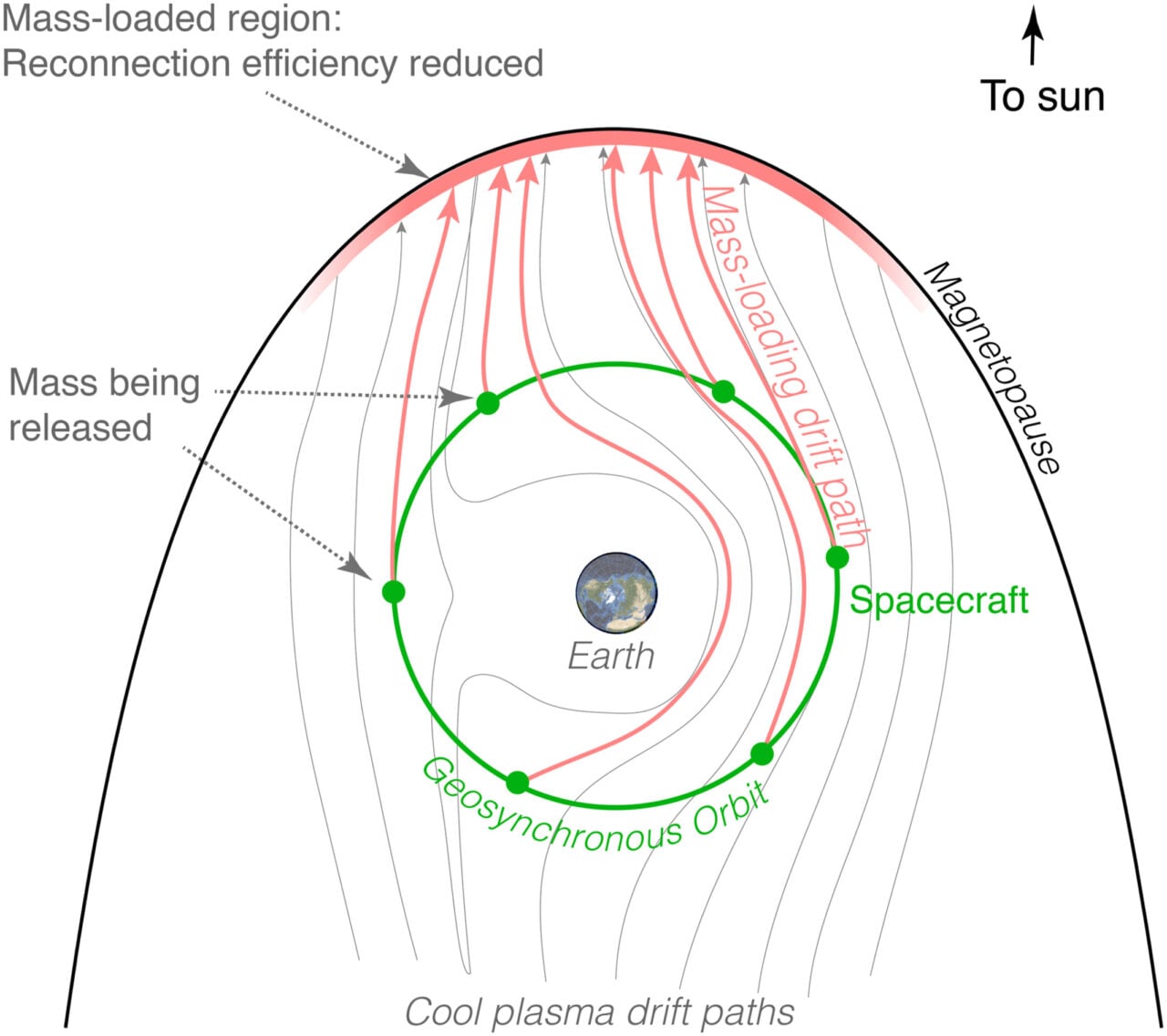
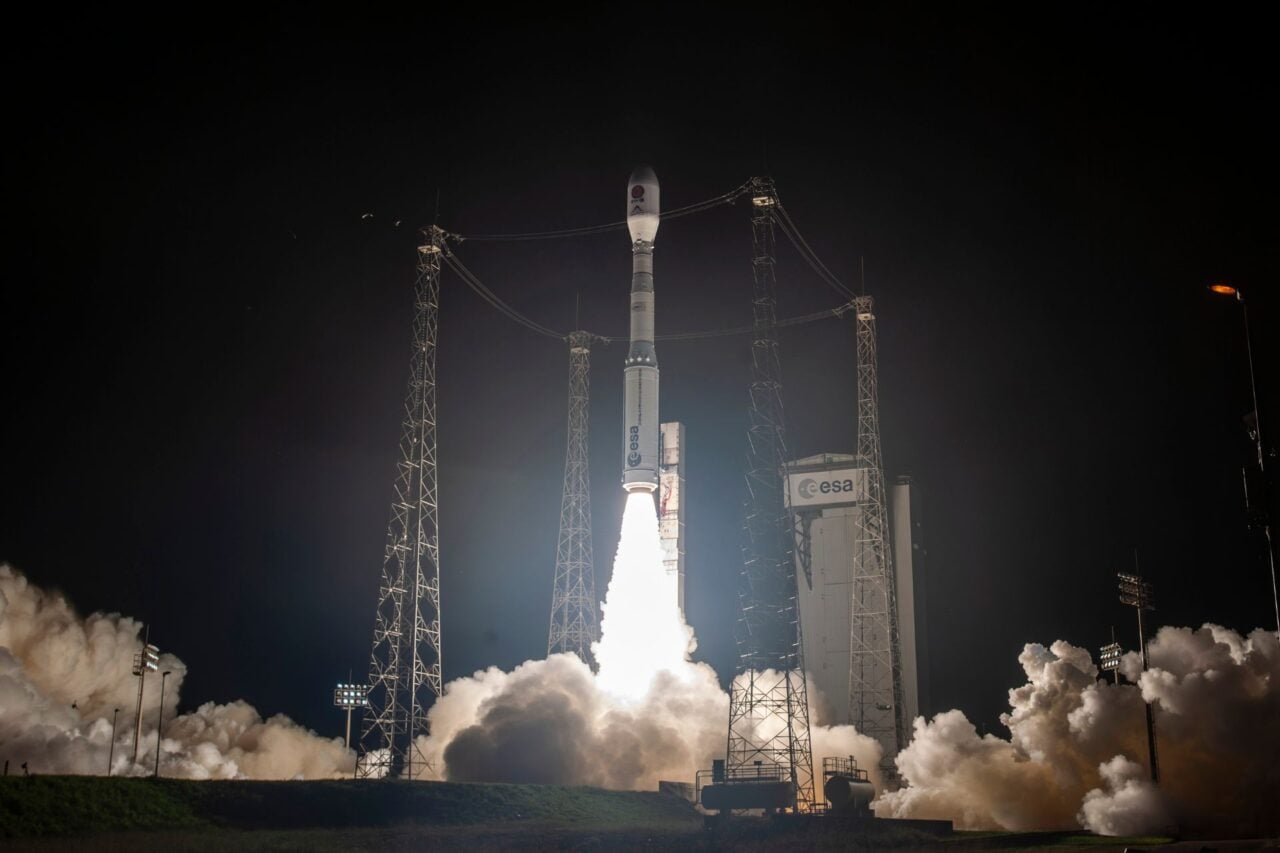
“Long-term maintenance of the constellation is low, requiring only minimal upkeep and new launches only to replace spacecraft after mass release,” the team noted in the paper. “When needed, the constellation would provide powerful, on-demand protection against extreme storms.”
Are we really building a wall?
Simulations of StormWall suggest the system could halve the impact of a major geomagnetic storm, the team reported in the study. Of course, the researchers also evaluated potential consequences of “geoengineering” space. Although initial calculations indicate that solar wind would stave off the extraneous plasma, we’ll need to probe this point further down the line, according to the paper.
But the biggest challenge now is cost, Walsh said in the statement. Accordingly, the team’s next steps will be to cut manufacturing costs and consider more efficient orbits, as well as which elements will be the most effective at decreasing magnetic reconnection. In any case, Walsh anticipates that, “unlike some space missions that might reap rewards for the few, this one would benefit us all.”
“If you built it, if it was deployed, it would help all people on the planet,” he said. “You couldn’t make it in a way that helped only one country, one group of satellites.”