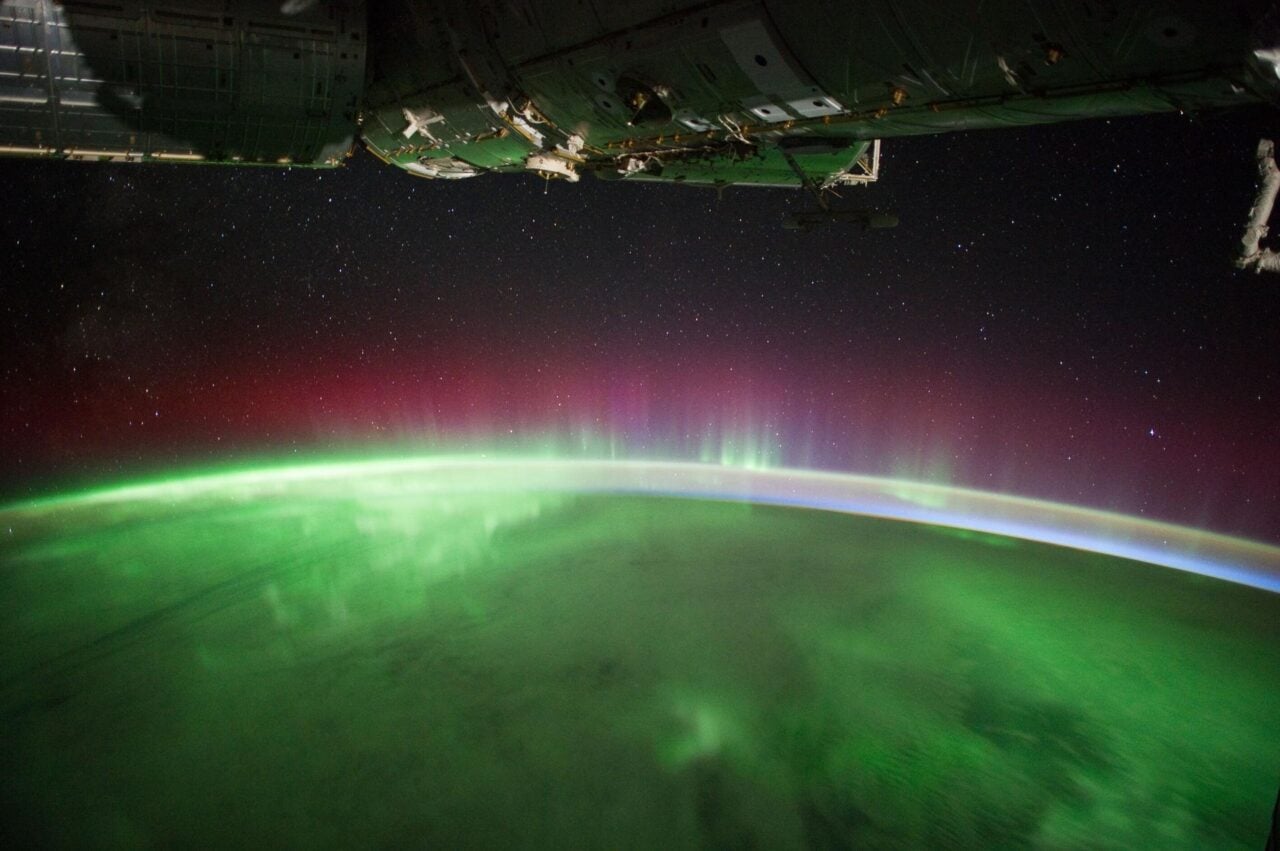

Older civilizations were as mesmerized as we were when beautiful northern lights lit up the skies.
The Earth's magnetosphere reportedly performs beyond expectations.
Researchers say a deadly earthquake in Japan and 2023’s most powerful solar flare occurring back-to-back can’t be a coincidence—but other experts say it probably was.
A large, hyperactive group of sunspots just produced its sixth X-class solar flare of the week.
The National Center for Atmospheric Research not only investigates weather on Earth, but also in space.
Astronomers have mapped the turbulent edge of the Sun where solar matter manages to escape the Sun's fierce magnetic grip.
And as Airbus reminded us last week, we're not ready.
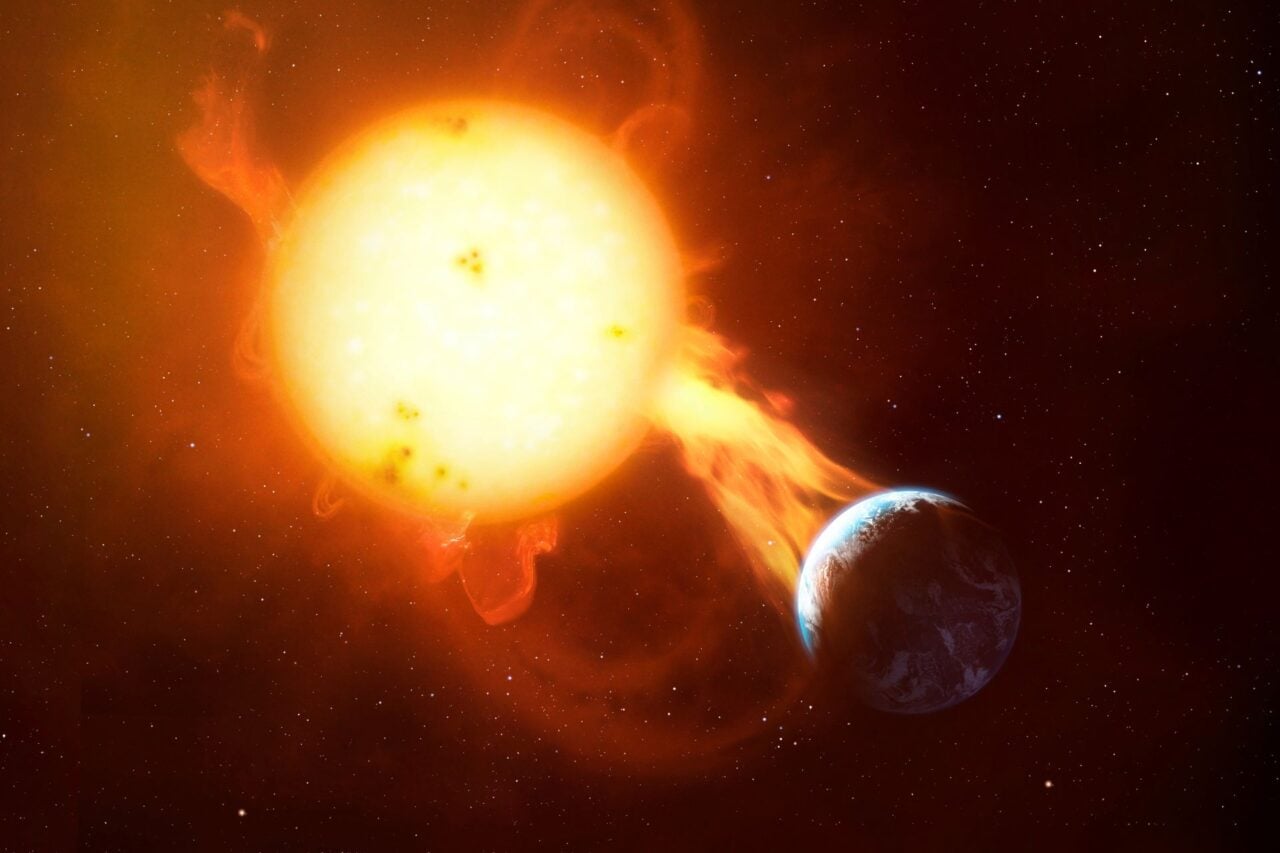
The region has unleashed at least two powerful solar flares in the last 12 hours, and experts are certain there's more to come.
Scientists suspect that smaller "tornadoes" of solar plasma and magnetic field may be escaping our detection.
“The Sun is slowly waking up.”
A new study measured the correlation between the number of electrons in space and the sudden release of electrical charges from satellites.
Images from the Parker Solar Probe’s record-setting pass by the Sun last year are finally available.
It sort of looks like a honeycomb of hot gas, or a hazelnut croquant.
A surprise solar storm also came with a baffling phenomenon that left people in the inland U.S. scratching their heads.
A fresh outburst from the Sun may trigger auroras in parts of the northern United States and Canada.
Delving into the behaviors of the Sun and protecting humans at home and beyond are top priorities, according to the National Academies.
Recent solar activity has triggered a severe G4 geomagnetic storm, causing auroras to appear worldwide and with more possibly visible tonight.
During a recent solar storm, NASA's Curiosity rover detected its highest-ever level of radiation reaching the surface of Mars.
Earth may experience another solar storm—and more auroras—in early June as the hyperactive sunspot cluster rotates back into view.
A recent solar storm triggered auroras around the world, but as millions watched this celestial display, its effects were also seen at the bottom of the ocean.