Users really trust AI chatbots, some experts say too much.
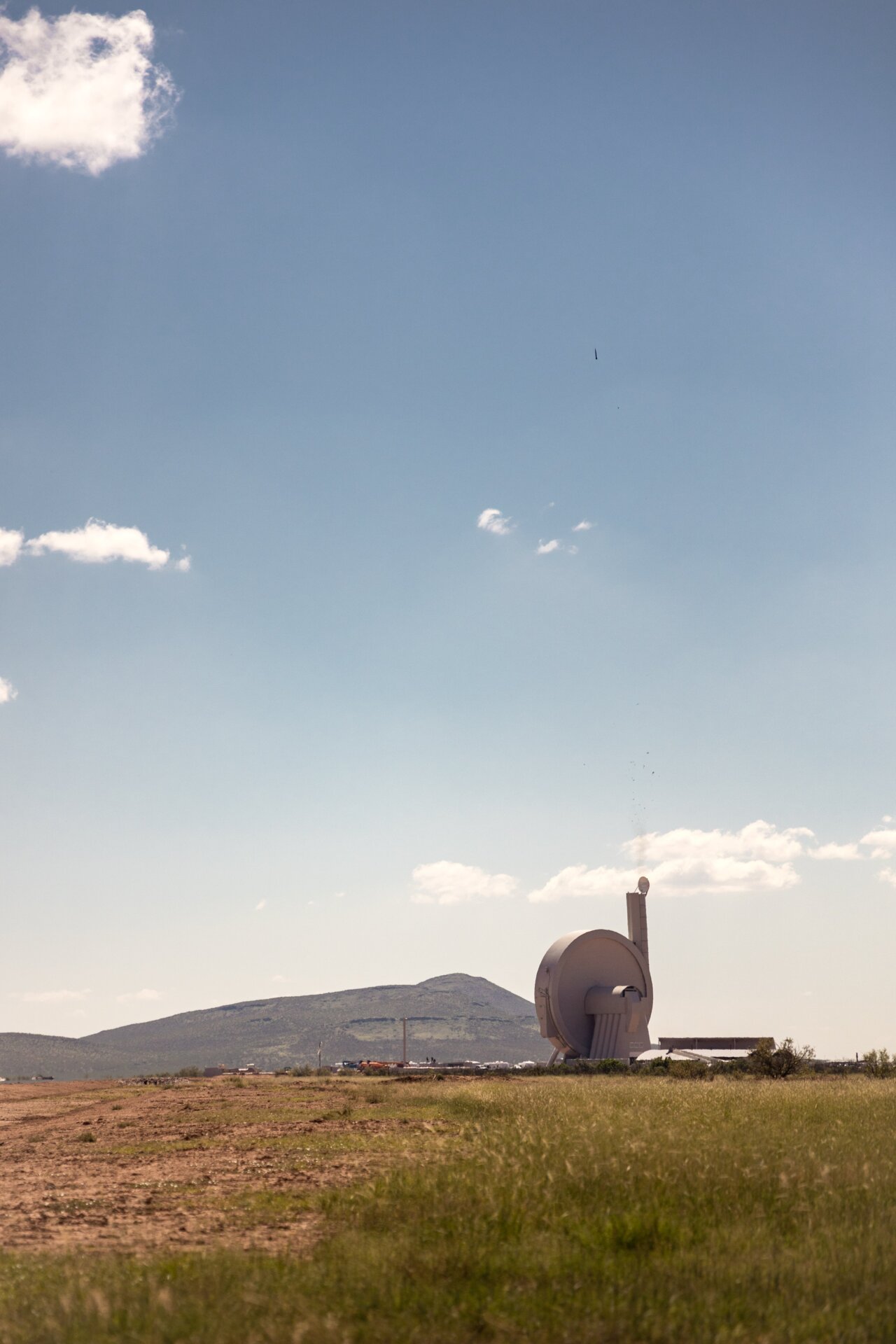
The Starfall capsule carried several experimental cargo pods to see if they would survive the journey to space.
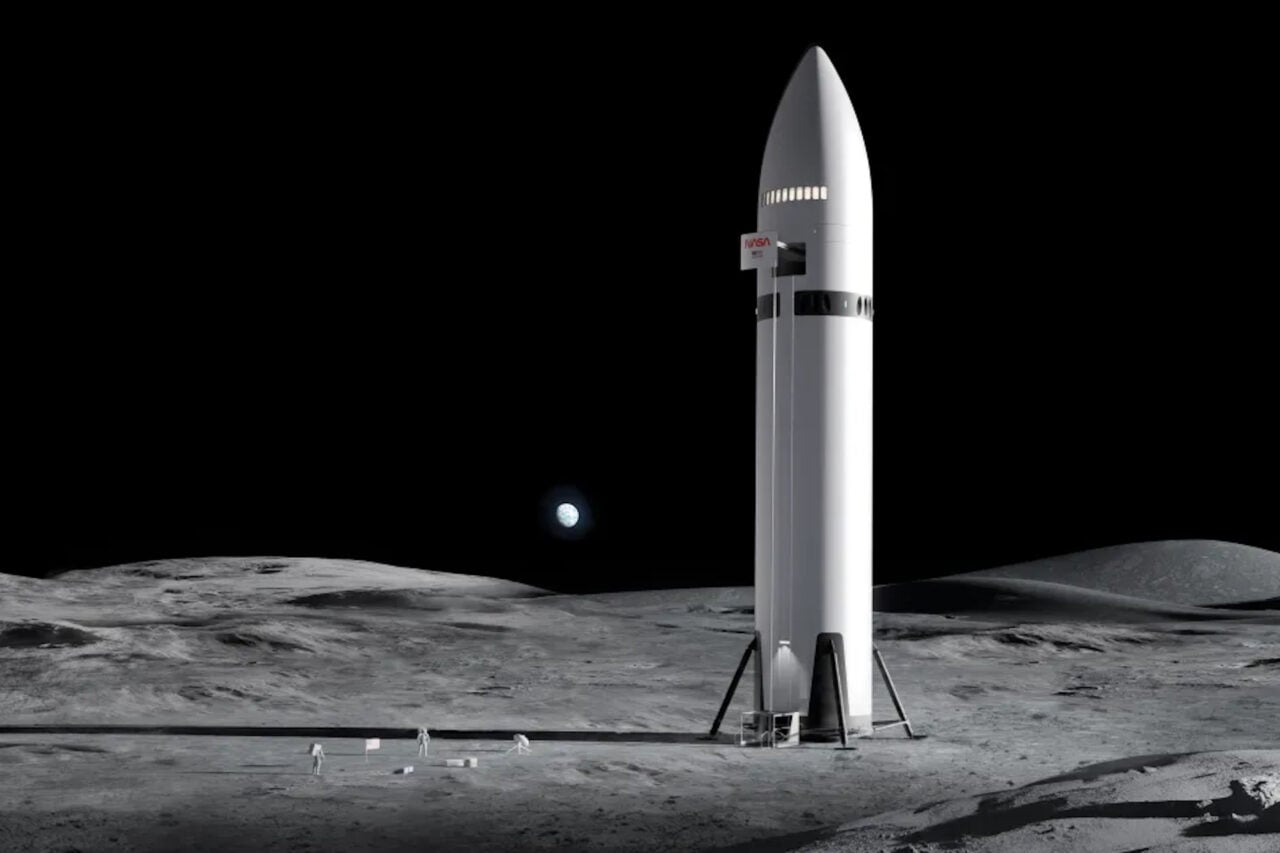
A member of NASA’s safety panel casually dropped that SpaceX’s plan to bring astronauts back to the Moon requires topping-off an orbital fuel depot nearly two dozen times for just one mission.
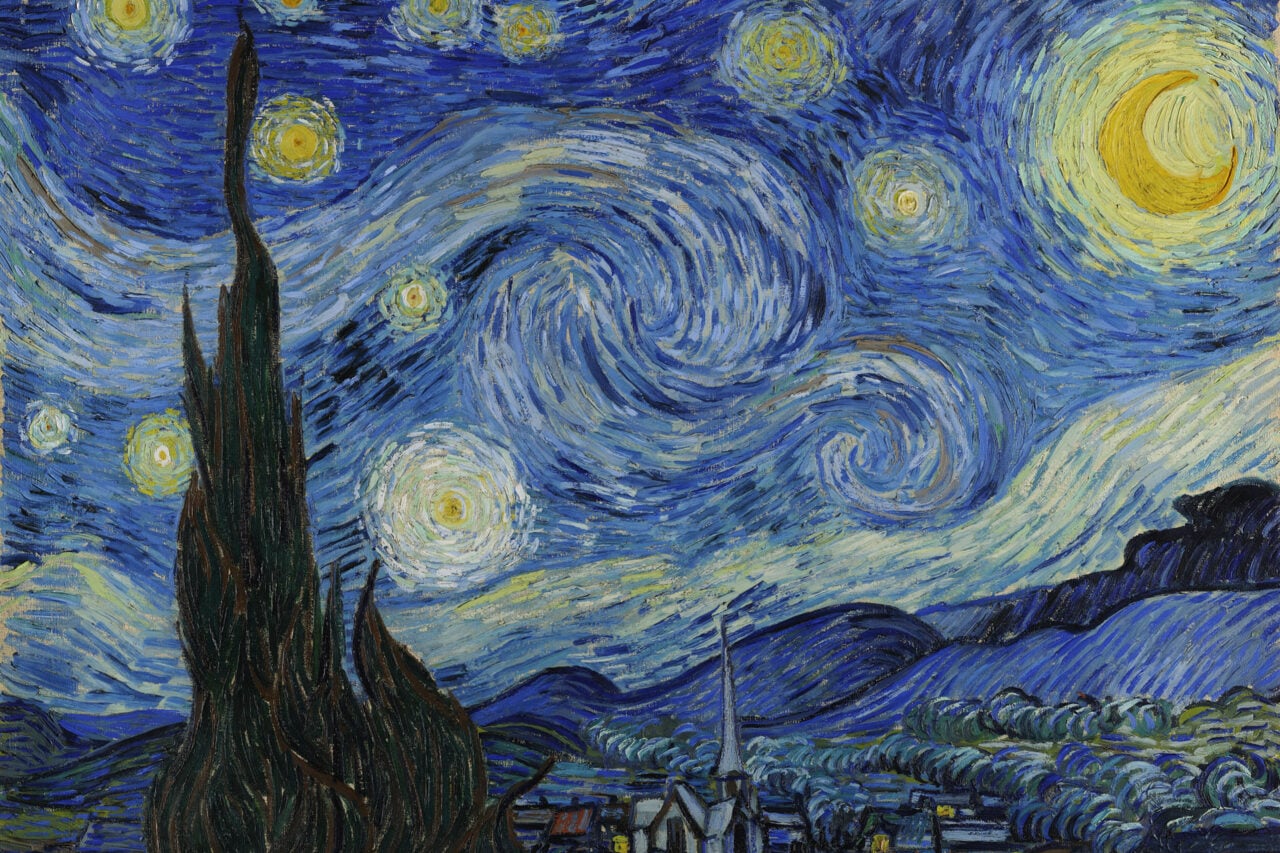
Van Gogh had an "inseparable relationship" with the stars—and his timeless works of art capture his fascination with the night sky.
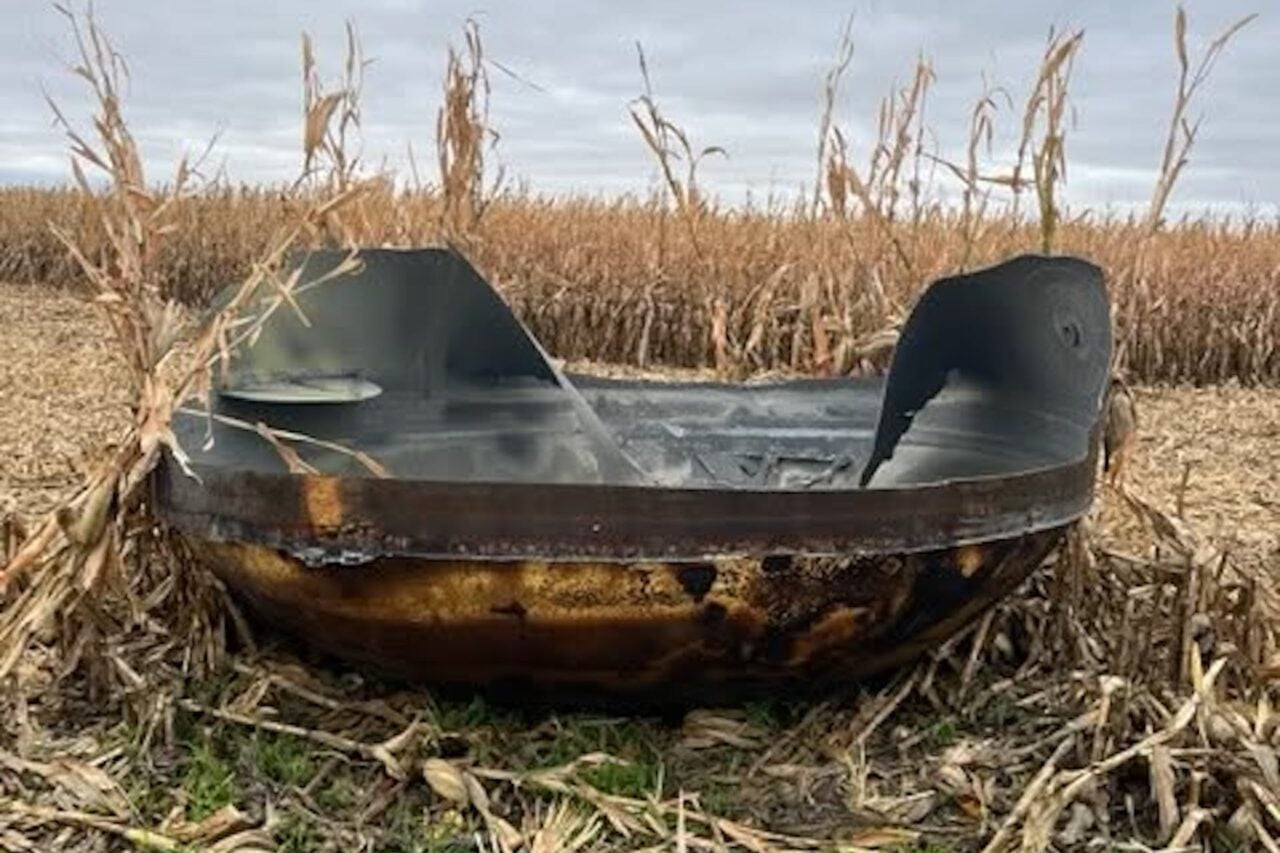
Meanwhile, another chunk of suspected rocket debris turned up in Indonesia.
Its origin remains unknown.