The Marathon? It’ll Be Hot, Too
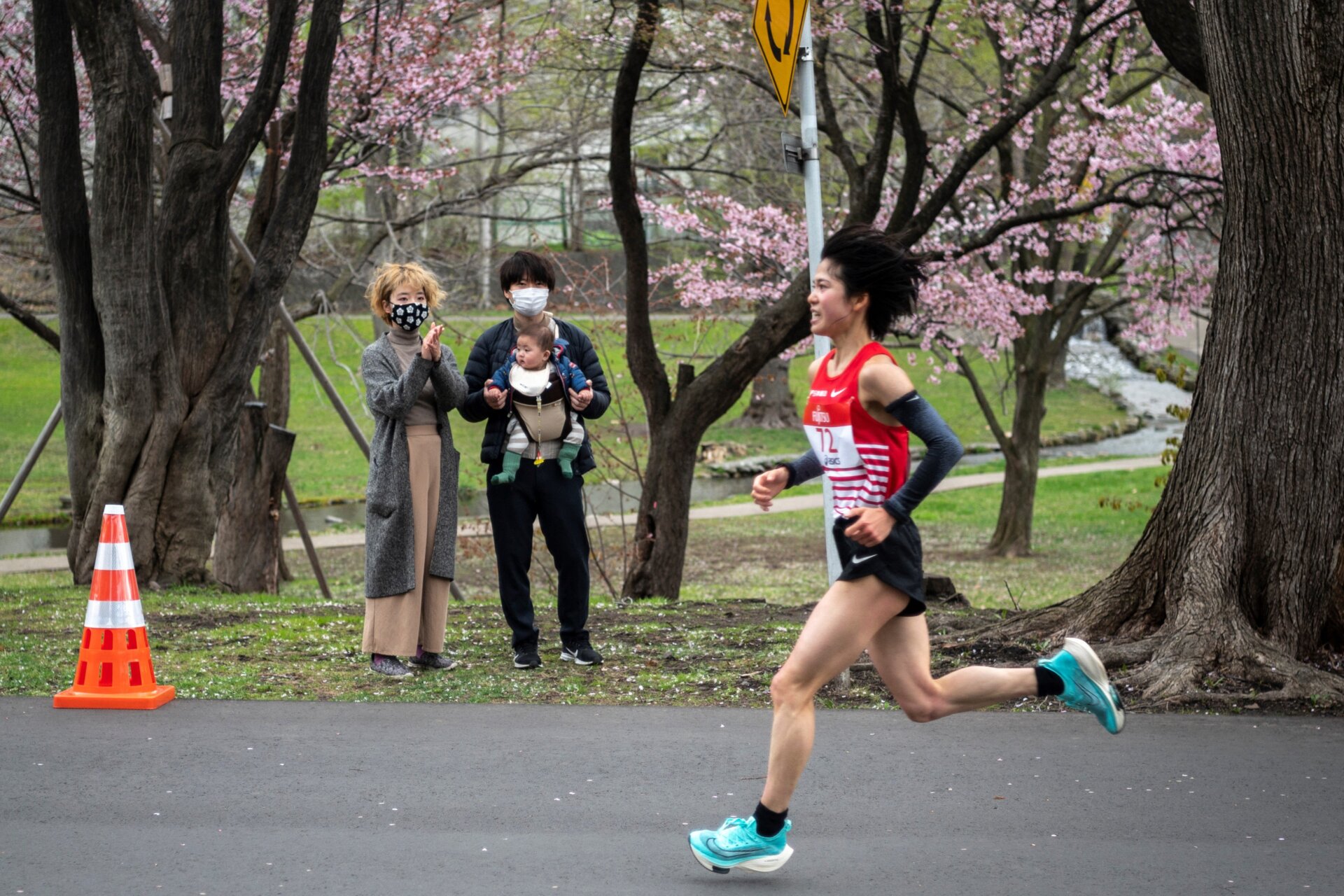
The women’s and men’s marathon races are set to take place in Sapporo this weekend. They were originally planned for Tokyo, but organizers relocated them to Sapporo, which is well north of Tokyo and located on the island of Hokkaido, which is generally cooler.
But it seems the heat can’t be avoided so easily. Hokkaido is currently undergoing a historic heat wave—average temperatures over the month of July have set records, soaring up to 101.2 degrees Fahrenheit. (38.4 degrees Celsius). Not exactly ideal conditions for running any distance, let alone 26.2 miles (42.2 kilometers).
Organizers are taking precautions, supplying 14 water stations alongside the course, nine of which will also have crushed ice. But at a certain point, shouldn’t we take a step back and ask if the Olympics is really worth contestants and workers risking their lives?
Last week, the Daily Beast found that, in their bid to host the Olympics, Tokyo officials weren’t honest about the potential dangers heat could pose. In a 2020 bid document, the group behind the bid assured the International Olympic Committee that “with many days of mild and sunny weather, this period provides an ideal climate for athletes to perform their best.” But Tokyo’s temperatures have trended upward, and climate change is increasing the risk of even more extreme heat. If we’re going to have Olympic games in future years, we better take a long hard look at climate trends before we book a location.