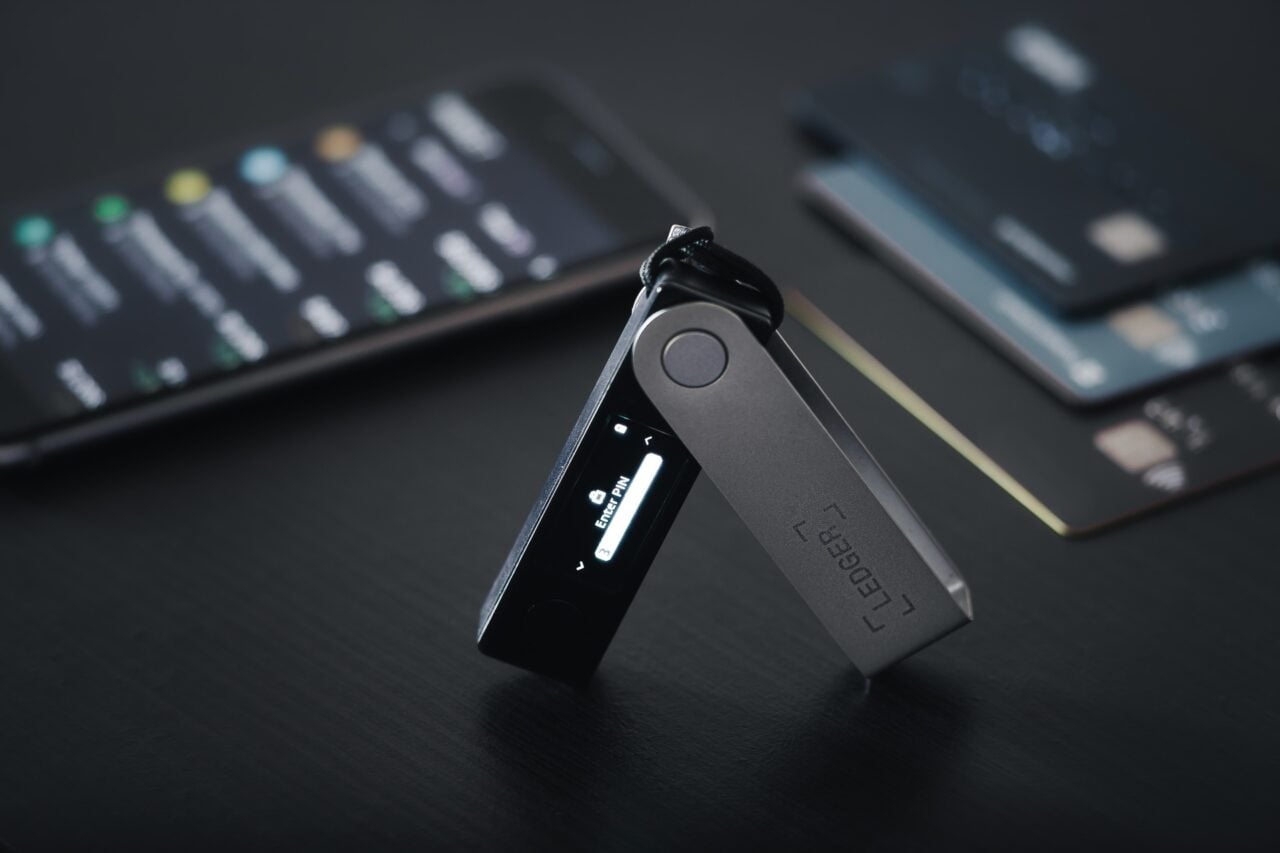
Musician G. Love lost his life savings after downloading a fake Ledger Live app from Apple’s Mac App Store, according to a post made to his X account. Noted blockchain investigator ZachXBT traced the stolen 5.92 bitcoin, worth about $424,000, through nine transactions to deposit addresses at KuCoin, an exchange with a track record of compliance problems that he believes will offer little help in recovering the funds.
The theft combined a counterfeit app with a critical mistake by the musician. While setting up his hardware wallet on a new computer, G. Love likely entered his seed phrase into the lookalike software. On its website, Ledger includes requests to input seed phrases as a warning sign that a user could be using fraudulent software. Hardware wallets exist precisely to avoid exposing that phrase, yet he did so under the assumption that Apple’s App Store had vetted the program. The funds vanished immediately after he confirmed the phrase, wiping out nearly a decade of retirement savings he had accumulated in bitcoin.
“I been in the crypto circus since 2017,” said Love in a follow-up post. “Today they caught me off guard. It was my own damn fault for not being more diligent. But let it serve as a warning. There’s so many scams.”
I had a really tough day today I lost my retirement fund in a hack/Scam when I switched my @Ledger over to my new computer and by accident downloaded a malicious ledger app from the @Apple store. All my BTC gone in an instant.
— G. Love (@glove) April 11, 2026
According to a post by ZachXBT, Apple has seemingly pulled the malicious app from the Mac App Store. However, the tech giant has issued no public comment on the breach. This is not the first time counterfeit crypto software has slipped through app store reviews and drained user funds. In 2023, a fake Ledger Live app on Microsoft’s store stole nearly $600,000 in bitcoin from multiple victims.
G. Love’s case shows the level of personal responsibility required for true bitcoin self-custody. Holders need a solid grasp of operational security measures and the way transactions settle on the Bitcoin network. That combination has long been seen as a barrier to broader mainstream use, at least in terms of adoption in the way that was originally intended in the Bitcoin whitepaper.
Physical theft is another potential risk to holding keys directly. Criminals have ramped up targeted attacks on crypto owners, using violence to force transfers in what are commonly called wrench attacks. One recent example involved a brazen $11 million daylight robbery, while a French tax agent was also accused of selling personal data on crypto users to organized crime groups for the purpose of these sorts of physical attacks.
Even sophisticated players with dedicated security teams have been hit. North Korean agents allegedly spent six months infiltrating Drift Protocol through targeted social engineering before executing a $285 million hack. In a separate incident, the FBI arrested a man accused of stealing $46 million worth of cryptocurrency from a U.S. government reserve. The accused man is the son of the head of a government contractor tasked with securing the crypto funds.
it seems Apple does not want people documenting the fact they allow fake apps on the App Store. pic.twitter.com/1mnkSsZ9R7
— ZachXBT (@zachxbt) April 12, 2026
Many investors have sidestepped these headaches by choosing bitcoin ETFs or corporate proxies. Strategy, the bitcoin treasury company formerly known as MicroStrategy, announced the purchase of another $1 billion worth of bitcoin on Monday, adding 13,927 bitcoin and bringing its total holdings to 780,897 bitcoin. That stake equals more than 3.5% of all bitcoin in circulation.
Enthusiasts of this financial technology continue to push for everyday users to interact with Bitcoin and other crypto networks directly, but the past few years have shown a clear move toward centralized custody. Bitcoin increasingly looks positioned to serve as a reserve asset within a new financial architecture rather than a tool for routine individual transactions. Multiple U.S. states have already moved forward with strategic bitcoin reserves, and federal-level talks continue. At the same time, Iran has started demanding bitcoin for toll payments on safe passage through the Strait of Hormuz, signaling its value as a neutral medium for cross-border trade outside conventional banking rails. Although bitcoin may not end up being adopted directly by individual users, it’s clear that it may still have huge implications for the global monetary and financial order going forward.