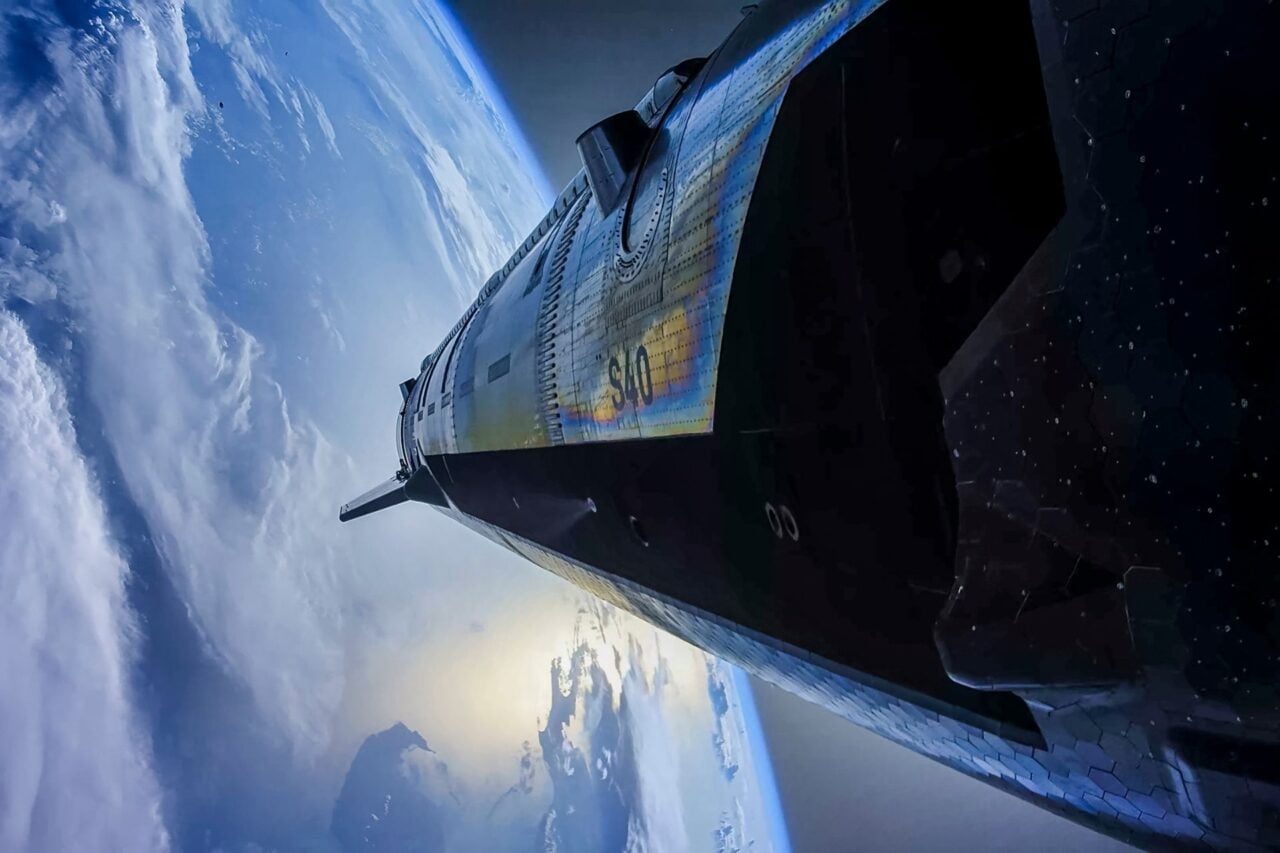
Reuters reported Tuesday that “two people who attended investor presentations” ahead of the SpaceX IPO have leaked exciting news about SpaceX’s plan for AI data centers in space: There will supposedly be a tech demo launched by the end of next year.
That’s super soon when you consider the company has also said in its S-1 filing (also according to Reuters), that the related initiatives “involve significant technical complexity and unproven technologies, and may not achieve commercial viability.”
Gizmodo is not a source of investment advice, but it seems like if you’re looking for a clear picture of a company’s proximity to a technological breakthrough, if that company is on the verge of an IPO, it might just be offering less than reliable predictions.
For instance, if you look at the Lyft prospectus, released just before that rideshare company’s 2019 IPO, you can read an awful lot about autonomous vehicles. The company said it was building a “world-class autonomous vehicle system at [its] Level 5 Engineering Center, with the goal of ensuring access to affordable and reliable autonomous technology.” The prospectus later says:
“Within 10 years, our goal is to have deployed a low-cost, scaled autonomous vehicle network that is capable of delivering a majority of the rides on the Lyft platform.”
Almost exactly two years after the IPO, the aforementioned engineering division, Level 5, was sold to Toyota for $550 million. For all anyone knows, Lyft may still roll out a network of AV’s—it hasn’t given up altogether—but it’ll be tricky to do it by 2029 without the engineering division purpose-built for that job.
So tech companies in the midst of IPOs can be a bit blustery. Nonetheless, this is far from the most outlandish of Elon Musk’s hi-tech fever dreams (ahem). According to SpaceX’s own artists’ rendering, space data centers will be satellites—big satellites, but otherwise not too different from what you probably picture when you close your eyes and imagine a satellite: a 20-foot by 70-foot structure, mostly made up of two solar panel “wings,” with another panel in the middle housing the silicon needed to train and run AI models. As one of my Gizmodo colleagues noted last year, “the company does appear uniquely well-positioned to lay the groundwork for orbital server farms.”
Any given expert analysis of the SpaceX plan to put AI data centers in space generally coalesces around the same points: it’s not impossible based on existing technology, but it’s intricate and fraught with potential drawbacks. Moreover, success would not clearly be a slam dunk when it comes to competing with earthbound hyperscalers.