‘We Wanted to Understand What Materials Work Best and Why’
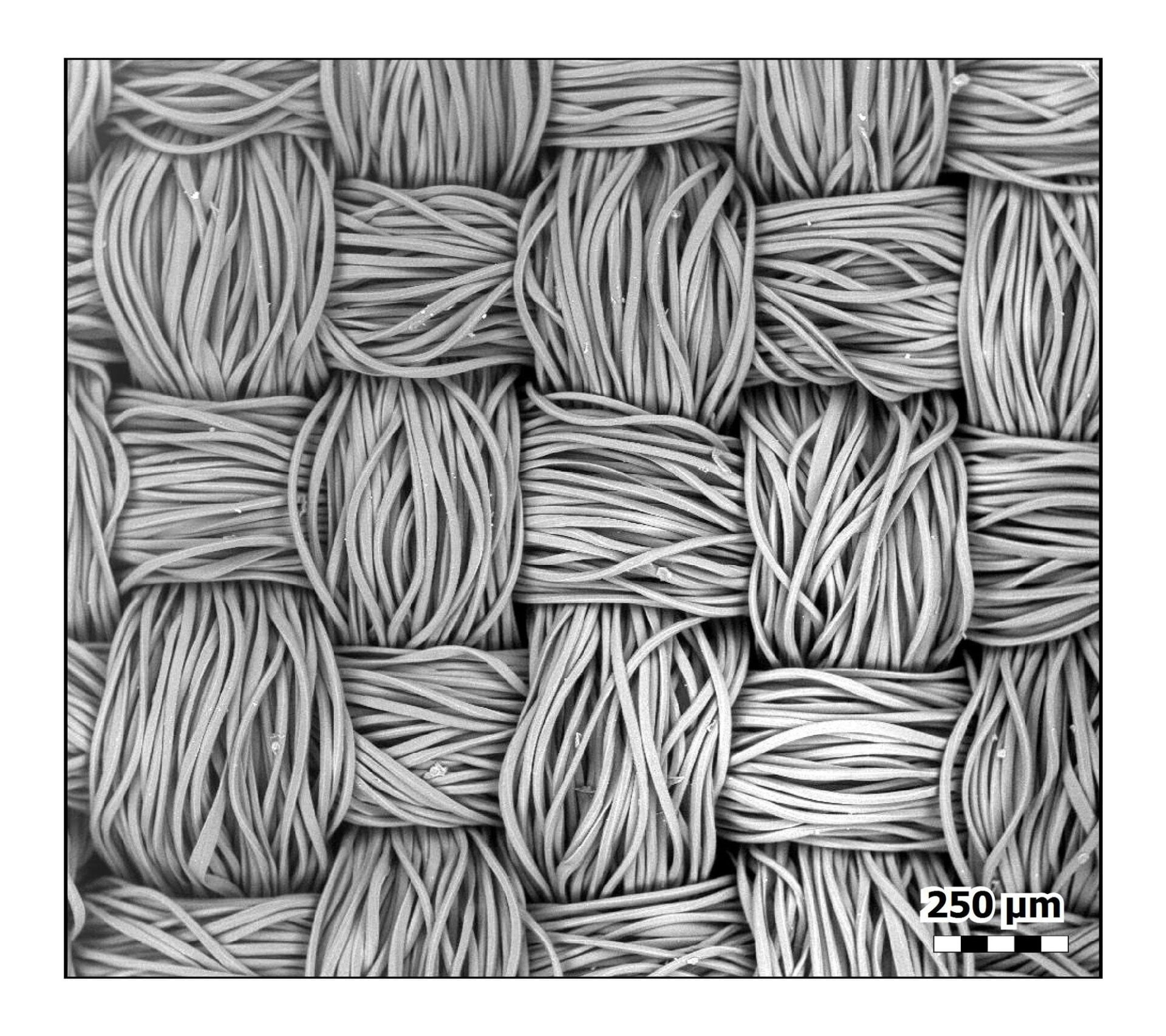
Zangmeister said that when the pandemic started, there were only a handful of studies that had analyzed cloth masks. This meant that “everyone was kind of flying blind.” He stated that this is what motivated them to start studying cloth face masks.
“We wanted to understand what materials work best and why,” Zangmeister said. “And we hoped that with that knowledge we could help people choose the right materials to make masks that are effective at slowing the spread of the disease. The measurements we make in the lab allow us to answer these questions.”
Recently, they’ve also found that the humidity in our breath makes cotton face masks more effective. This is because cotton is hydrophilic, which means it likes water. When cotton fibers absorb some of the moisture in our breath, they grow larger, making it more likely that microscopic particles will get trapped.