In 1921, legendary explorer Ernest Shackleton embarked on what would become his final polar expedition. Unfortunately, Shackleton died on the ship, Quest, before entering Arctic waters. After a few side quests, Quest sank off the coast of northeastern Canada, where it would stay trapped underwater, hidden from sight since 1962—until now.
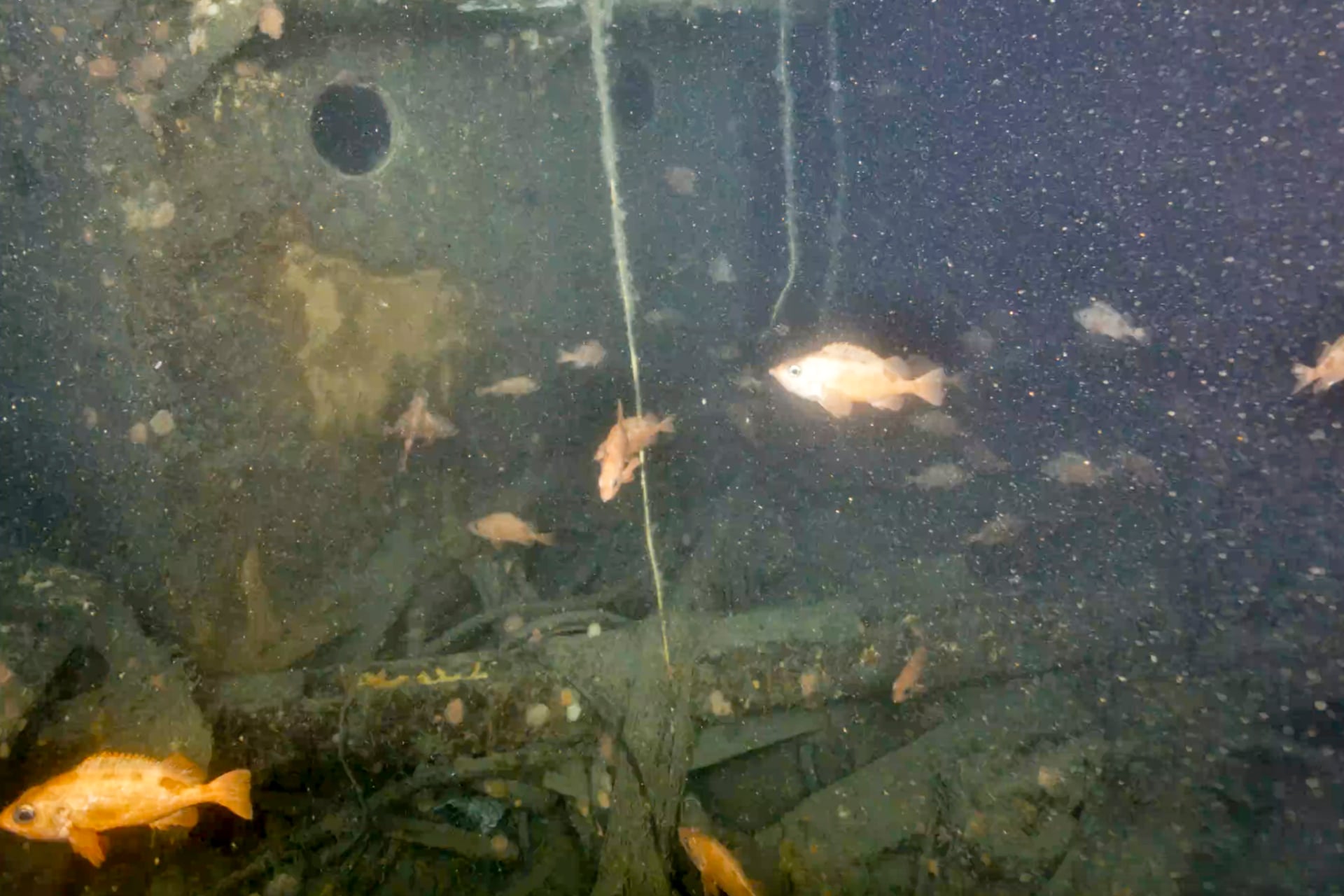
A “once-in-a-generation” expedition led by the Royal Canadian Geographical Society (RCGS) has successfully discovered and photographed the wreck of Quest. Remote vehicles operated by the Woods Hole Oceanographic Institution (WHOI) found the ship about 1,280 feet (390 meters) below the Labrador Sea. The wreck site has “become a stunning oasis of life on an otherwise barren seafloor,” but after more than 80 years, the ship is recognizably the same vessel that witnessed Shackleton’s final days, reported Canadian Geographic, a magazine affiliated with the RCGS.
“Quest was not a large ship, but it looked huge to me,” John Geiger, RCGS CEO and the leader of the expedition, told Canadian Geographic. “It’s a very moving experience to think that Shackleton was striding around that deck.”
An unsatiated thirst
Sir Ernest Shackleton was a central figure in the Heroic Age of Antarctic Exploration near the end of the 19th century. During this time, explorers around the world dared to traverse the freezing seas to conquer the Antarctic continent. Shackleton wasn’t able to become the first person to reach the South Pole (that was Norwegian explorer Roald Amundsen), but Shackleton’s multiple journeys of the southern seas paved the way for Antarctic expeditions and science.
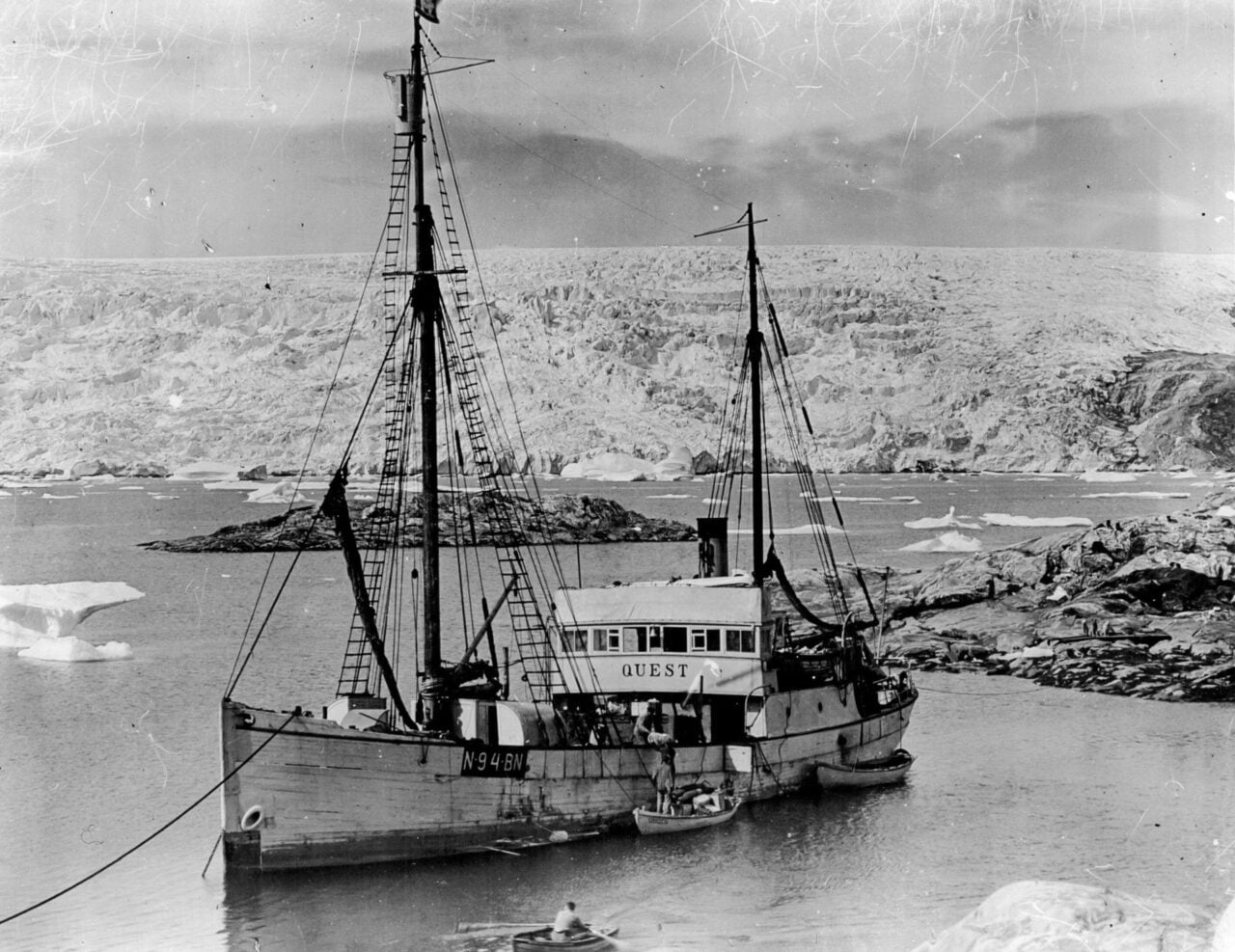
And it was out at sea, aboard Quest, that the explorer spent his final days. When Shackleton died of a heart attack at age 47, the expedition was aborted. Then, Quest served other Arctic expedition teams and sealing trips until 1962, when it was holed by crushing ice and sank. And 80 years later, in 2024, the RCGS’s sonar equipment discovered the vessel’s final resting place.
The Heroic Expedition, ver. 2026
Following that monumental discovery, the RCGS organized an expedition to bring Quest out of hiding. Named the 2026 Heroic Age Expedition, the project launched on July 2 of this year. The goal was to use a combination of ultra-high-resolution video and photogrammetric technology to survey the current state of Quest and Terra Nova, another lost vessel steered by Robert Falcon Scott, Shackleton’s contemporary.
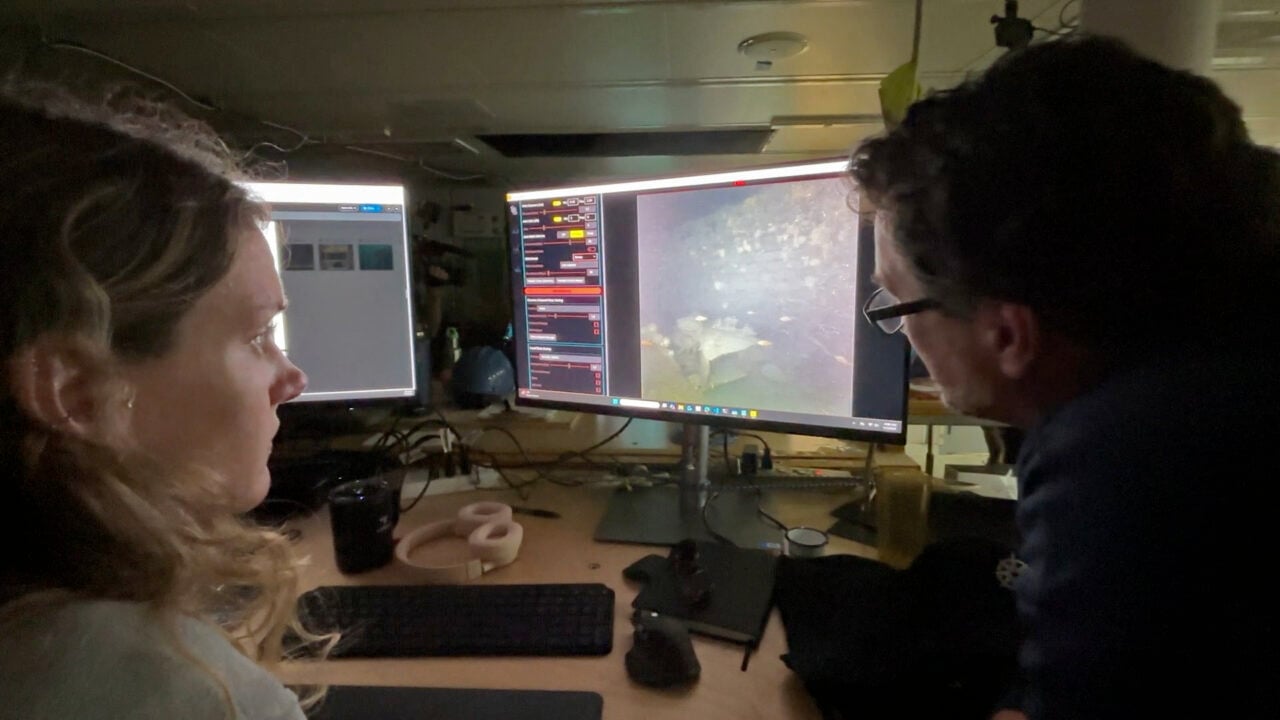
When the team spotted the shipwreck, it realized that the ship was in worse condition than expected from the 2024 sonar images. Notably, a thick coat of fishing nets and trawling gear blanketed the wreck site, blocking the view for operators of the imaging vehicles. But the “disappointment” quickly turned to “excitement” once the remote imaging vehicles completed their initial reconnaissance of the shipwreck, the team told Canadian Geographic.
Scientific purpose renewed
It seems that Quest “in itself is now becoming a science experiment,” explained Antoine Normandin, the expedition’s research director. In its lifetime, Quest served various purposes and received renovations during different technological eras. For example, at one point the engine was upgraded from steam to diesel, whereas the bow and stern were completely rebuilt after World War II. As a result, there are now “visible layers of biodiversity around the wreck,” he added.
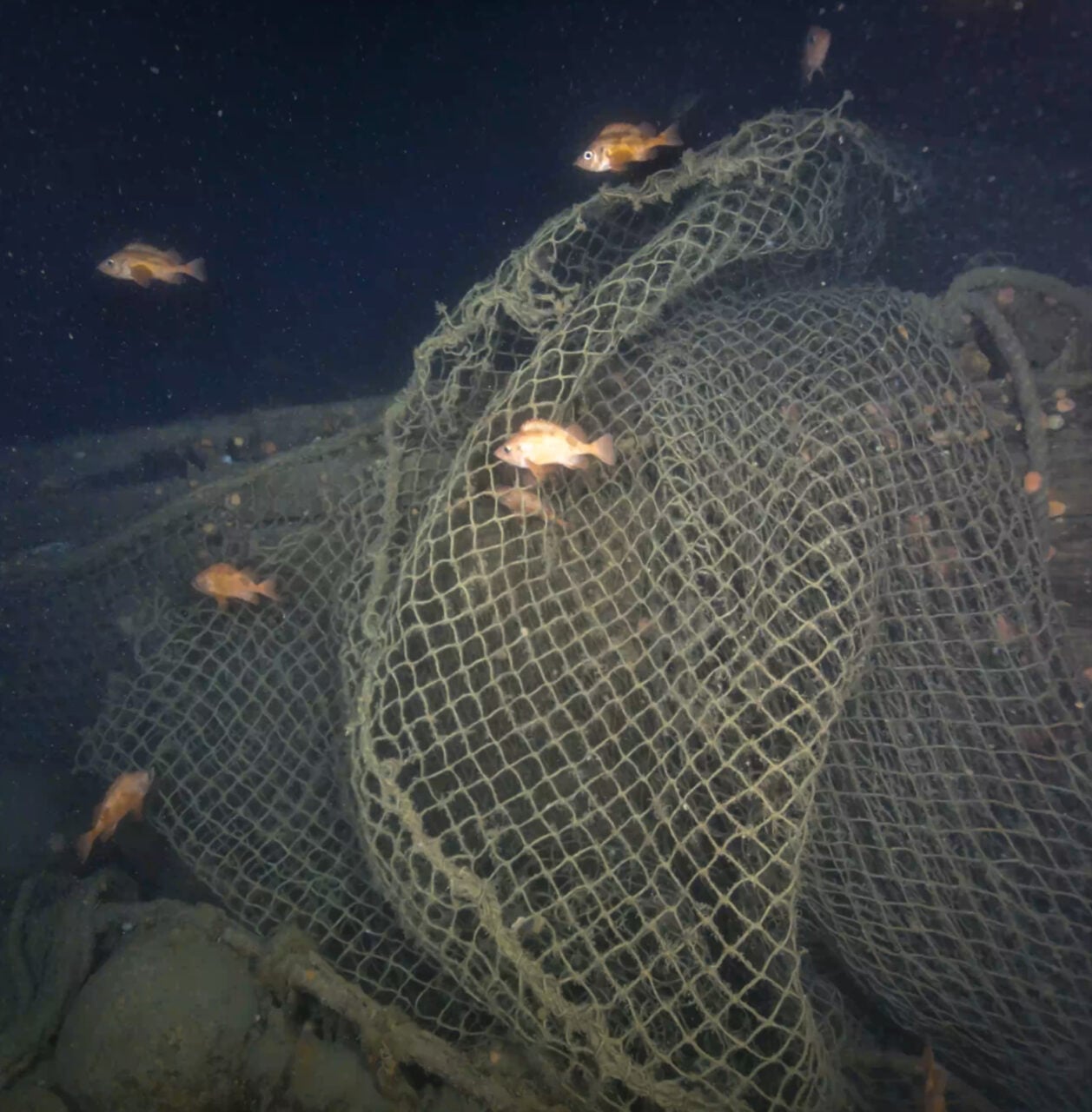
“It’s really cool to me that the impact of human history is that we’re creating a habitat,” Kirstin Meyer-Kaiser, a WHOI biologist, told Canadian Geographic. “We’re increasing biodiversity on the local scale of the wreck, and maybe also on the regional scale because now it’s a stepping stone for some of those things to spread.”
Again, these findings come just from the first week of the expedition. RCGS will continue to explore the ship in more detail in the coming months. But as Normandin remarked to Canadian Geographic, Quest “is still a research vessel in a different way.”