The U.S. Space Force launched two satellites to orbit and engaged them in a game of cat and mouse to prepare for possible hostile scenarios in space.
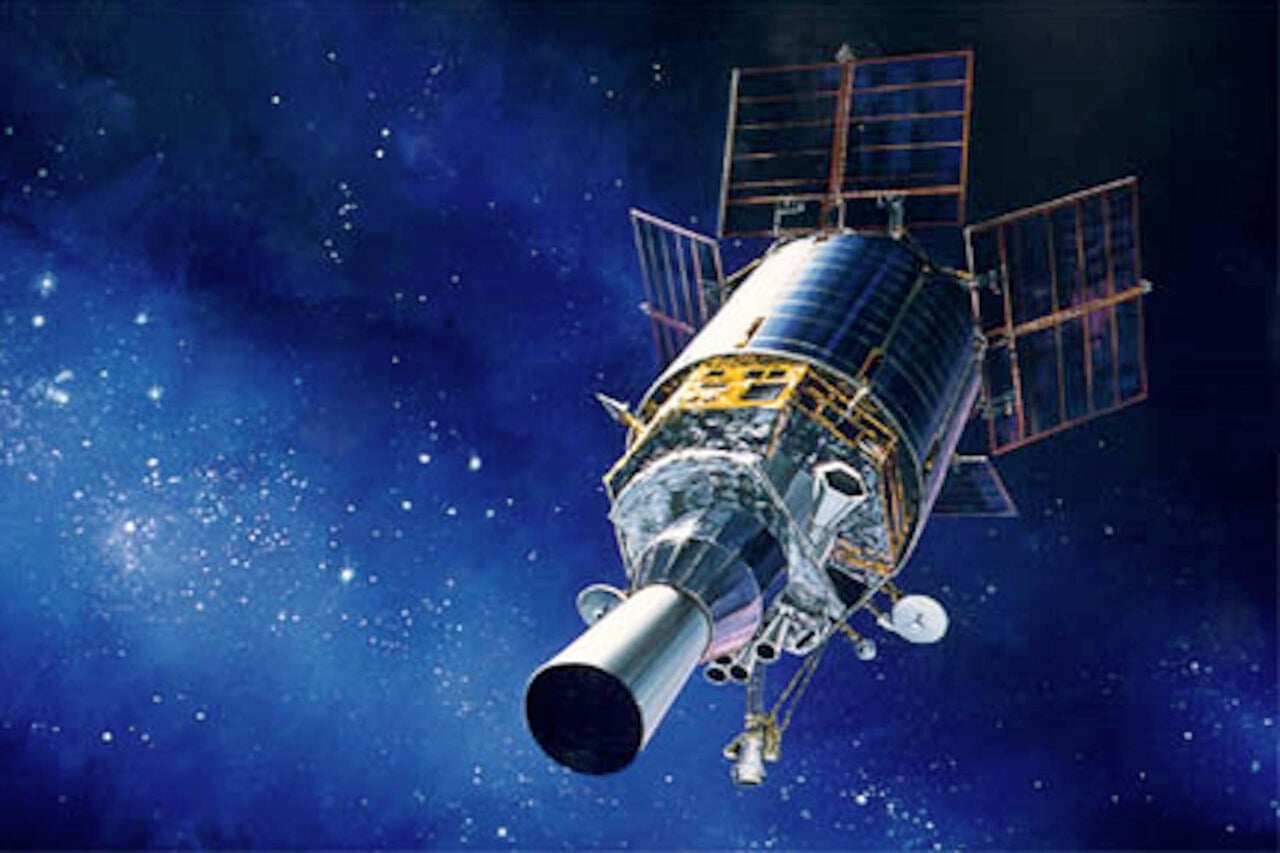
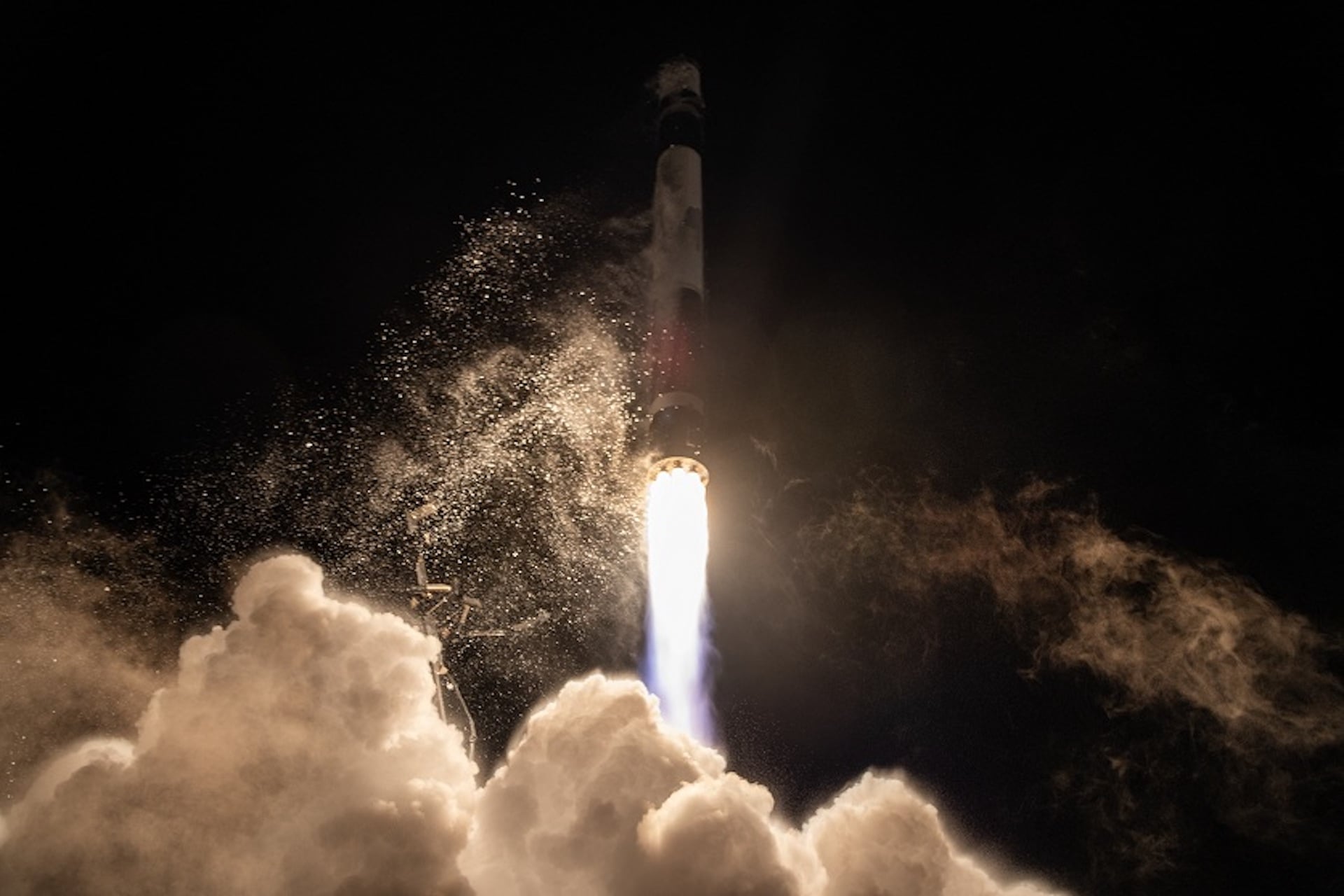
The Victus Haze mission lifted off on board Rocket Lab’s Electron rocket on June 19, delivering the company’s Puma satellite to Earth orbit in record time. Another satellite, True Anomaly’s JACKAL-0004 vehicle, was already in space awaiting the launch of its counterpart. Once they met, the satellites performed a series of evasive maneuvers to simulate the interception of potential adversary spacecraft.
The orbital simulation is part of the Space Force’s efforts to respond to urgent threats in orbit, relying on commercial partners to rapidly launch satellites for a space hunt.
Launch on demand
The Space Force’s Tactically Responsive Space (TacRS) program is designed to ensure its ability to “respond to irresponsible behavior on orbit under operationally realistic conditions,” Bryon McClain, acting Space Force portfolio acquisition executive (PAE) for Space Combat Power, said in a statement.
For its most recent demonstration, the Space Force gave Rocket Lab a 24-hour notice to launch its Puma satellite. In response, the company launched the mission in just 16 hours and 42 minutes, setting a new spaceflight readiness record.
Rocket Lab activated and readied the satellite for its first orbital maneuver in 37 hours and 36 minutes, beating a 72-hour deadline to fully commission the spacecraft.
Jackal, operated by Colorado-based startup True Anomaly, launched on May 3 on board a SpaceX Falcon 9 rocket. The satellite sat in orbit, waiting for the unannounced arrival of Puma.
Orbital chase
Within hours of launch, Jackal had eyes on Puma. The satellite maneuvered to a previously unknown orbit, which was selected on short notice, and its sensors were able to detect the spacecraft, according to True Anomaly.
The company treated Rocket Lab’s Puma satellite as a “non-cooperative target spacecraft” and proceeded to capture images and characterize the satellite from multiple aspects. The resulting images were then processed and disseminated.
“Jackal performed exactly as designed, demonstrating precise propulsion burns and nominal ingress, successful closed-loop tracking, precision pointing, imaging and characterization of the target before egressing to its base orbit,” True Anomaly wrote in its statement.
True Anomaly had a 72-hour deadline to complete its portion of the Victus Haze mission, and it did so within 61 hours. “From a new target’s launch to finished imagery, the mission clock ran in hours, not months,” the company wrote. “This is what responsive space has to mean: not just launching fast, but acting fast and with precision once something new is on orbit.”
The recent demonstration is the second of its kind for TacRS. In 2023, the Space Force assigned Firefly Aerospace to launch the Victus Nox mission within 27 hours of receiving a launch order. Firefly launched its Alpha rocket exactly within the given timeframe, and the satellite was operational in just 37 hours.
While Victus Nox focused mainly on rapid launch time, Victus Haze tested whether a spacecraft can be quickly deployed to maneuver in orbit and inspect objects in space. The Space Force has at least three more TacRS missions planned over the next two years to put new defense capabilities to the test.