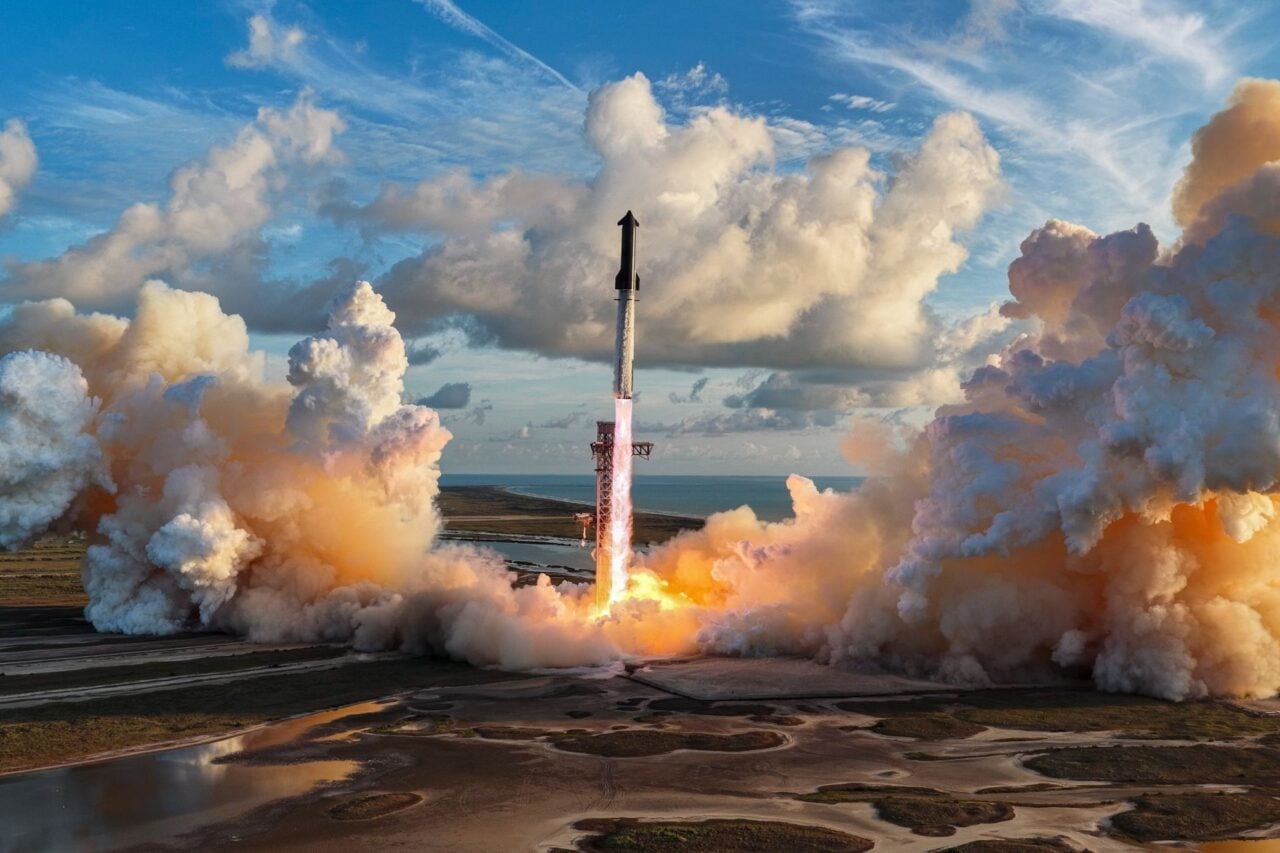
SpaceX’s Starship is on the cusp of a major milestone as the company prepares to send the megarocket into orbit for the first time.
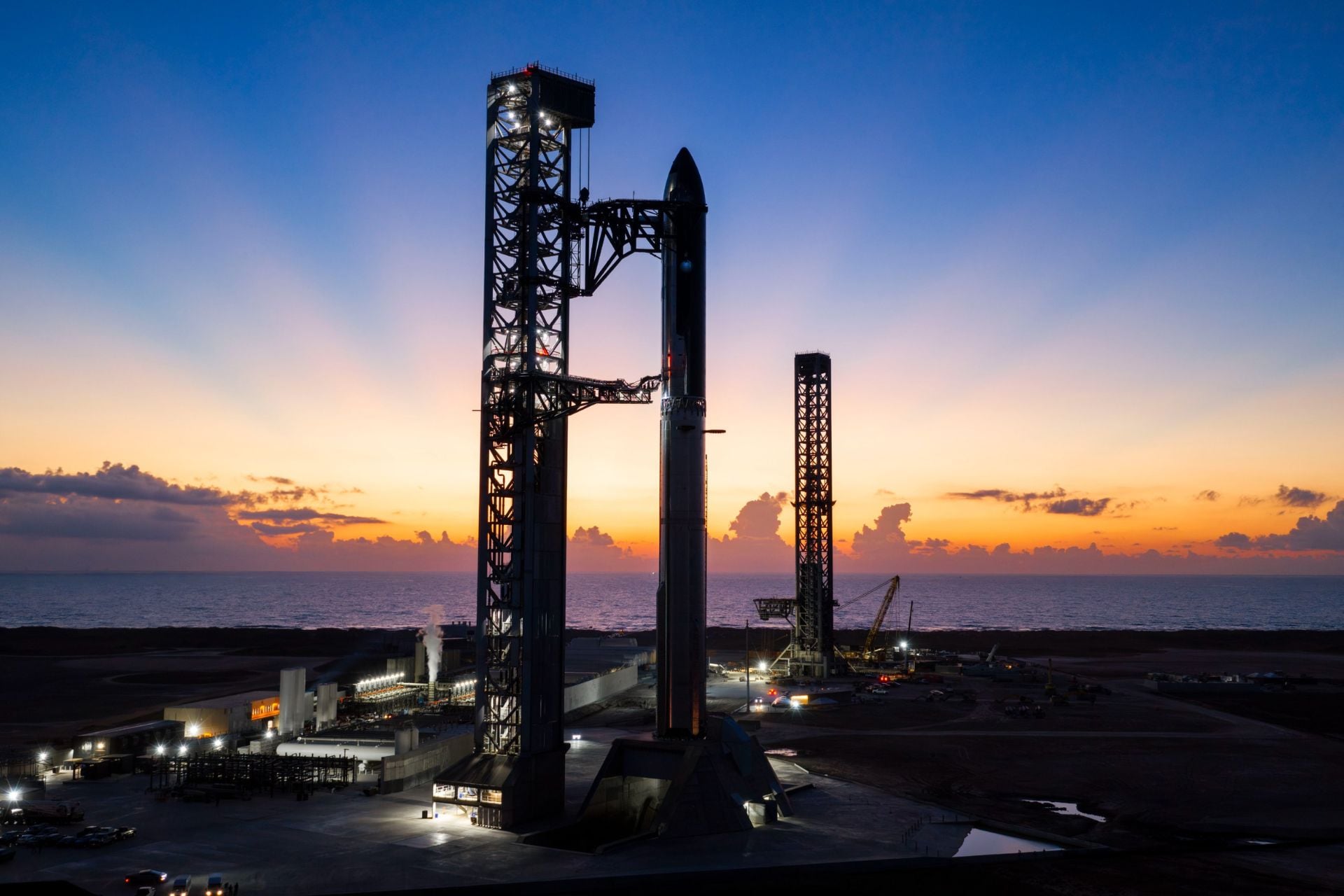
The launch window will open at 8:15 a.m. ET on Monday, September 28, and will remain open for 75 minutes. Yesterday, SpaceX shared photos of Starship fully stacked on the launch pad at Starbase in Boca Chica, Texas, and confirmed that it is on track for a Monday launch, pending regulatory approval. Engineers will conduct a wet dress rehearsal today, which allows them to practice fueling and countdown procedures and identify any technical issues ahead of launch.
Orbital flight will mark a turning point for Starship. This is a key hurdle the rocket must clear before it can demonstrate full, rapid reusability and commercial viability. All previous test flights have flown suborbital trajectories, but this time, Starship will aim to fly at an altitude of 171 miles (275 kilometers) above Earth and remain in orbit for 10 hours, circling the planet about six times before splashing down off the coast of Chile.
What to expect
If all goes according to plan, the Super Heavy booster will ignite its engines at T-0 and blast Starship skyward. About two minutes after liftoff, the booster will separate from Starship and perform a flip maneuver followed by a boostback burn so that it can reenter Earth’s atmosphere for a controlled splashdown in the Gulf of Mexico.
After stage separation and flip during the last test flight, the Super Heavy booster managed to use all 33 of its Raptor engines for the boostback burn for the first time. Toward the end of the burn, however, its three center engines became clogged with ice, triggering an early end to the maneuver. Super Heavy attempted a landing burn, but only eight of the 13 planned engines reignited, and the booster made a hard splashdown in the Gulf.
To avoid a similar outcome on Flight 14, SpaceX has modified some of Super Heavy’s hardware to “improve filtering to the engines and software changes to enhance relight reliability,” according to the company’s website.
The biggest objective for Starship will be reaching orbit. Following stage separation, Ship will attempt its first orbital insertion burn, igniting its engines for about 19 seconds to reach orbital velocity. With that burn complete, Ship’s engines will cut off, and it will begin its first trip around the planet.
Roughly 10 minutes into that journey, Starship will attempt to deploy 26 Starlink V3 satellites. These won’t be the dummy satellites deployed on previous Starship test flights—they will actually go on to operate as part of the Starlink megaconstellation, adding 26 terabits per second of capacity. Once released from Starship, the satellites will use onboard propulsion to raise their orbits.
After completing its 10-hour flight, Starship will attempt a controlled reentry, descent, and splashdown in the Pacific Ocean. The last test flight ended with Ship intact and floating on the surface of the Indian Ocean, where it remained adrift for 24 days before SpaceX managed to retrieve it. This was the first time the company had ever recovered an intact upper stage post-flight, and the opportunity allowed them to perform a detailed analysis of the heat shield.
Based on that analysis, engineers made some improvements to the heat shield that will be tested on Flight 14. Those include “additional retention mechanisms added to tiles in areas deemed to be at highest risk of falling off during ascent, addressing recently discovered areas that offer flow paths behind tiles for plasma, and flying multiple areas with a curved tile design that has shown the ability to reduce heating in the gaps between tiles,” according to SpaceX.
Two tiles recovered from the Flight 13 upper stage have also been added to Ship 41, marking Starship’s first tile reuse.