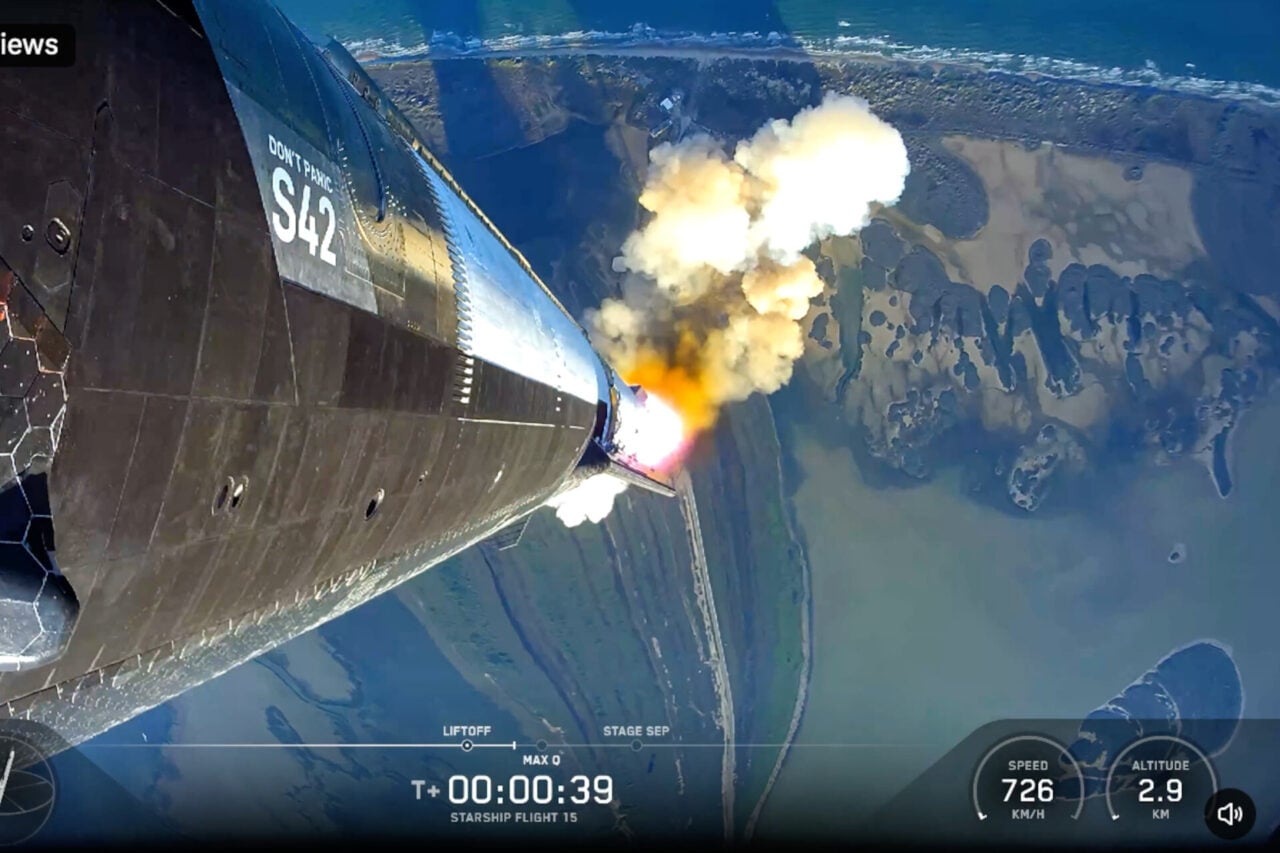
On Friday, SpaceX set out to make history with the first full recovery of a Starship launch system. The company failed to catch the Super Heavy booster—a surprising outcome, considering it has pulled off the feat three times before—but Starship Flight 15 will still be remembered as the first mission to successfully catch an orbital rocket’s upper stage.
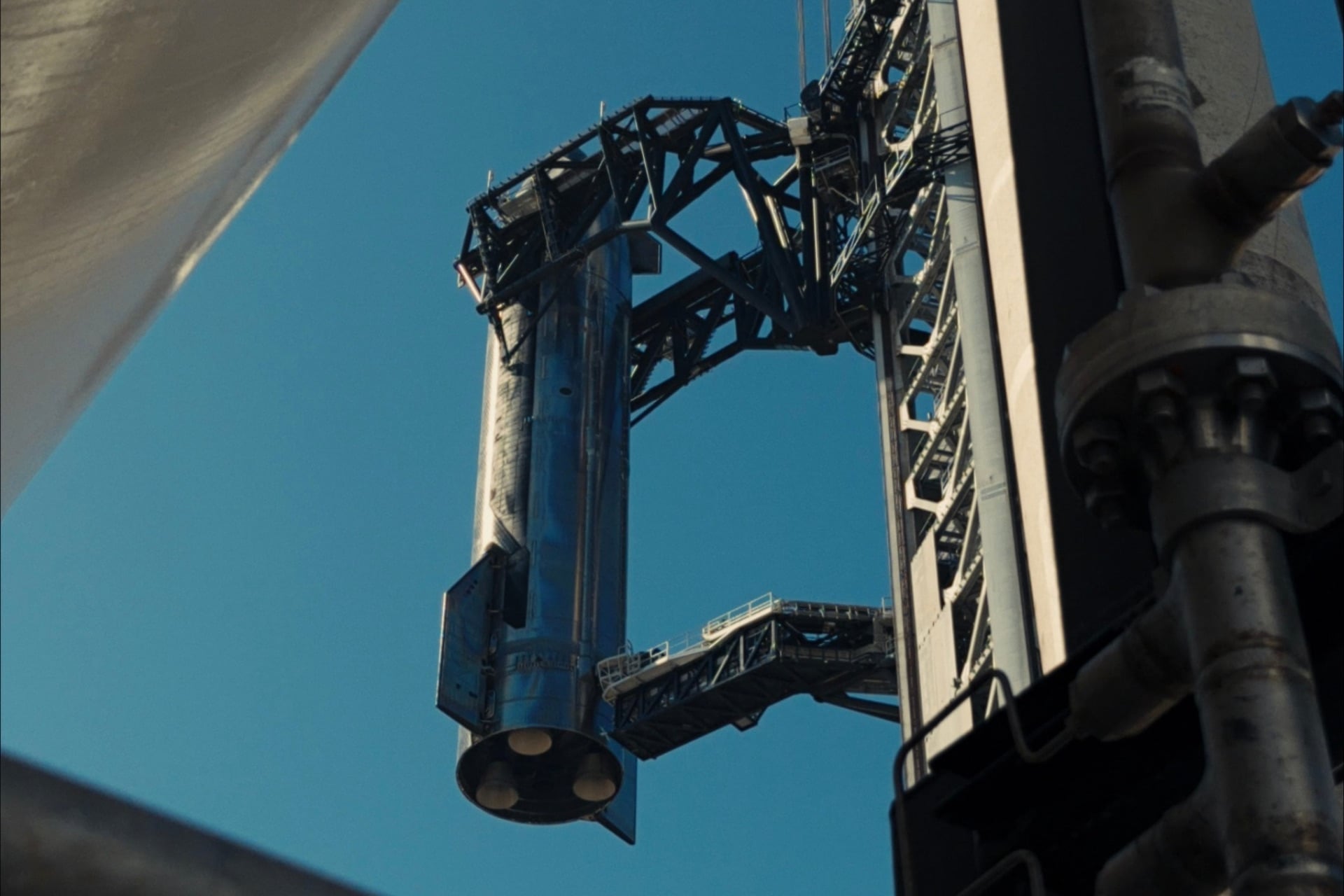
The Starship catch on Saturday was spectacular to behold. After spending more than 22 hours in orbit, the behemoth rocket reentered the atmosphere and fell back to Earth in a horizontal “belly flop” position before flipping upright and igniting its Raptor engines. This slowed its descent and allowed it to slip between the two “chopstick” arms on the Mechazilla launch tower at Starbase. The arms then tightened around Starship, holding it firmly in place.
“That was the holy grail of spaceflight, plummeting through fire to be snatched out of the air by steel,” SpaceX communications manager Dan Huot said during the company’s landing livestream. “We caught a Starship, and now everything changes.”
The achievement was indeed monumental for SpaceX, which is working to make Starship the world’s first fully and rapidly reusable orbital launch system. But the company still has a long way to go before that dream becomes reality. With Starship Flight 15 complete and a partial success, here’s what needs to happen next.
What happened to Super Heavy?
The first order of business is figuring out why Super Heavy failed to return to Starbase for a tower catch. The booster successfully propelled Starship to space, separated from the rocket, and performed a directional flip maneuver. Super Heavy then relit 32 of the planned 33 Raptor engines for a “boostback burn” that was supposed to redirect its trajectory back toward the launch site, but the burn ended early due to low fuel mass.
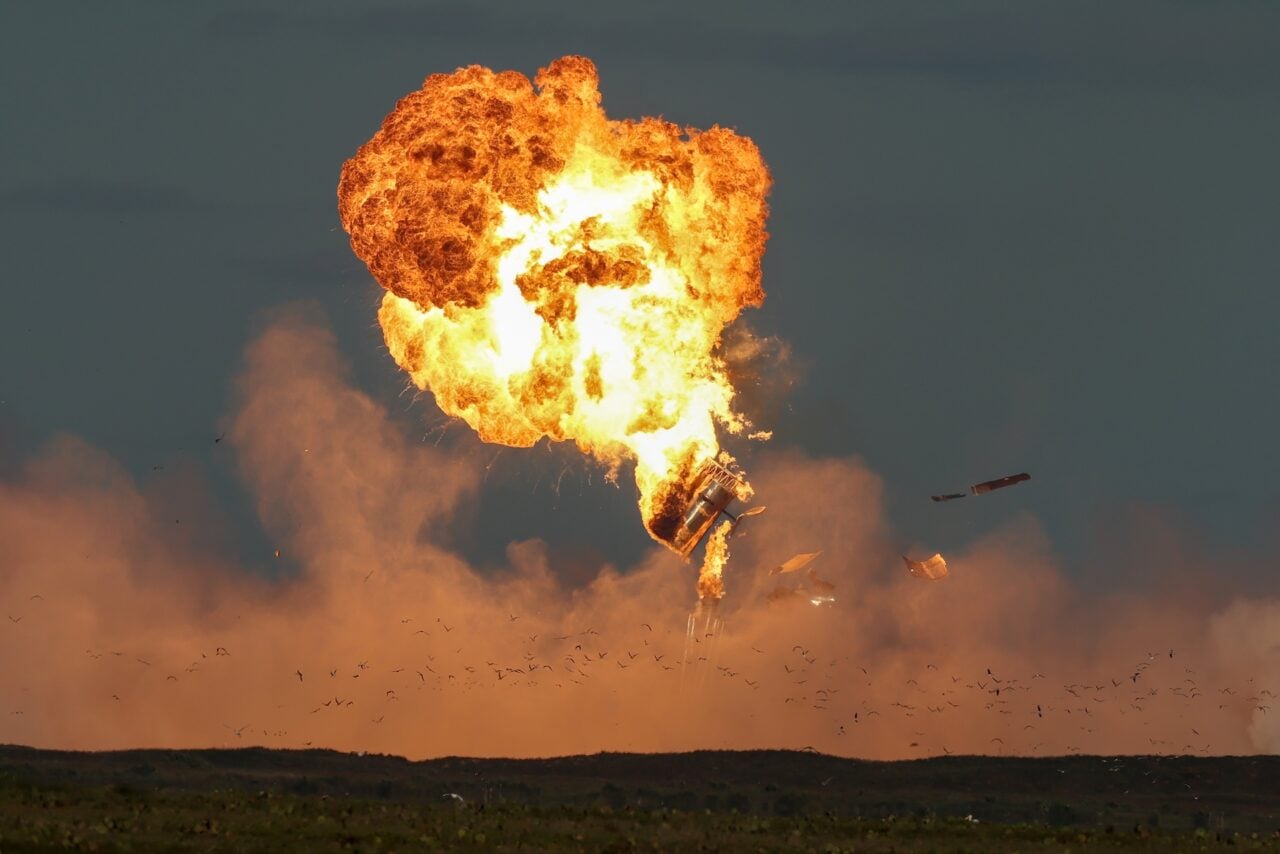
This forced the booster’s guidance, navigation, and control system to trigger an automated abort and divert Super Heavy to a water landing in the Gulf of Mexico. It executed a successful landing burn, but then the flight termination system triggered and the booster exploded in a giant fireball. SpaceX says the root cause of the abort is still under investigation.
This certainly wasn’t the expected outcome. SpaceX has successfully caught Super Heavy on three previous Starship test flights, though it has also failed before. This would have been SpaceX’s first time catching this latest iteration of the booster, which is equipped with the new Raptor 3 engines. The company will now need to investigate the cause of the low fuel mass alarm and subsequent abort before it can attempt another booster catch.
A true double catch and refly
While SpaceX has now demonstrated that it is capable of catching a Super Heavy booster and a Starship upper stage, it still needs to prove it can catch both during a single mission. The double catch is the only way SpaceX will be able to consistently and rapidly inspect, refurbish, and refly the Starship launch system. By 2030, CEO Elon Musk hopes to be launching 10,000 Starships per year.
The company has already reflown two boosters, but they require several months of refurbishment. Hitting that goal of 10,000 launches per year will require SpaceX to turn both Super Heavy and Starship around in a matter of days. But before it can begin to speed up that process, the company needs to show that a recovered Starship upper stage can, in fact, fly again.
Now that it’s caught one, it can try. During a Q3 earnings call in October, President and COO Gwynne Shotwell said SpaceX aims to “refly the second stage by early next year and ramp up our launch cadence as we make progress towards rapid reusability.”
There’s still plenty of work to be done before SpaceX can say it has achieved the “holy grail of spaceflight,” but what was once a figment of science fiction now feels more real than ever before.