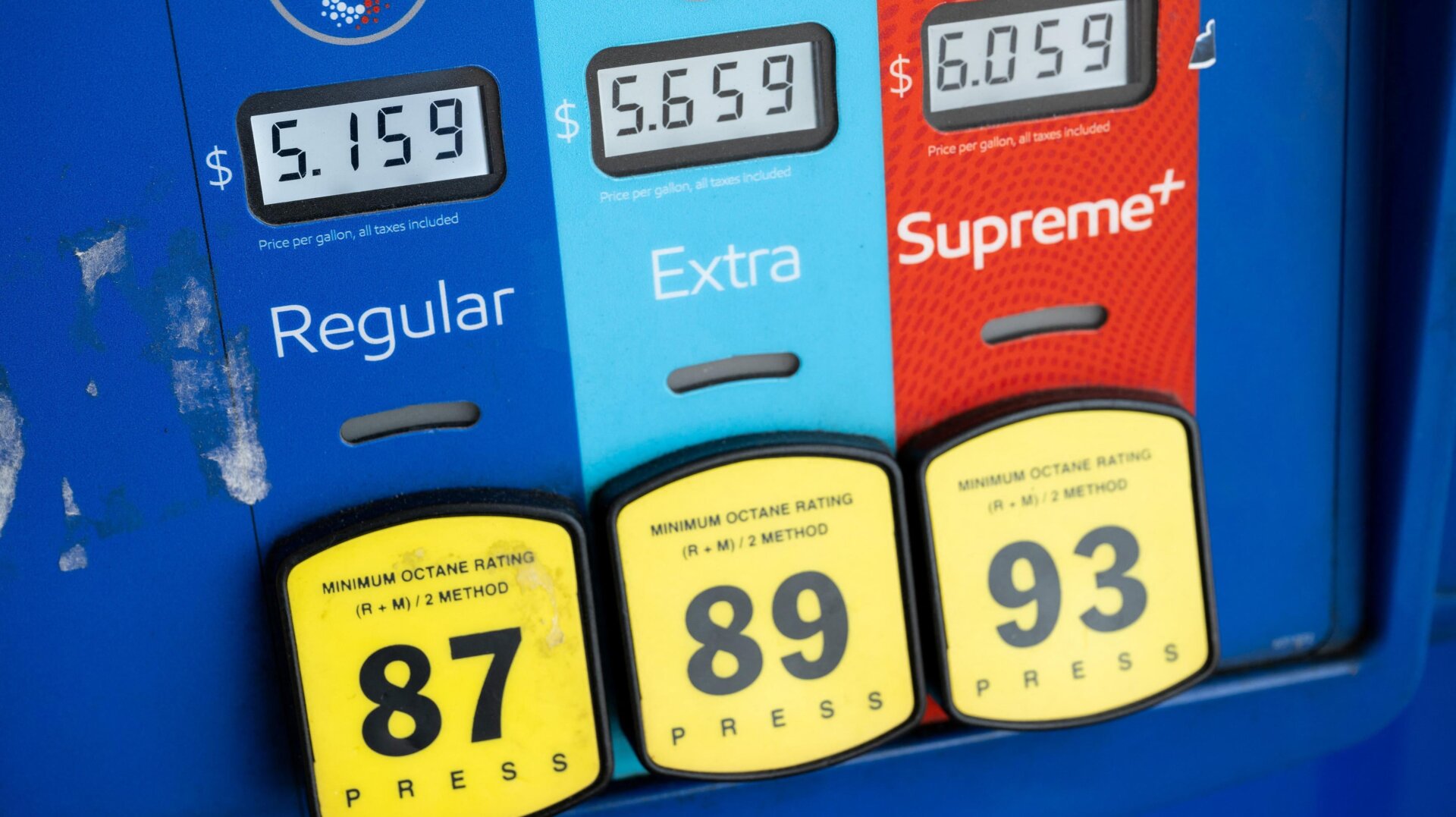
A new lawsuit filed on Monday in Sacramento, California, proposed as a class action, accuses BP, 7-Eleven, Walmart, Albertsons, and other gas station chains operating in California—along with a software platform—of using AI to “coordinate high prices and wring more money from the pockets of consumers,” according to Reuters, who reviewed the suit.
Reuters says the software in question is Kalibrate, one of the defendants, and a company whose website says it has “been removing the guesswork and adding certainty to organizations’ biggest decisions for decades,” and that it offers, “Market-leading AI, analytics, and modeling.”
In California, using AI to collaboratively set prices could be the basis for a valid lawsuit. Elsewhere, it might not be.
That’s because a 2025 amendment to a California’s primary antitrust law makes algorithmic price fixing illegal. Specifically, no one may “use or distribute a common pricing algorithm as part of a contract, combination in the form of a trust, or conspiracy to restrain trade or commerce[…]”
And what exactly is a “pricing algorithm”? California law defines it as “any methodology, including a computer, software, or other technology, used by two or more persons, that uses competitor data to recommend, align, stabilize, set, or otherwise influence a price or commercial term.”
That amendment took effect on January 1 of this year.
Reuters says the plaintiffs in the suit are “California drivers.”

Gizmodo sought comment from Kalibrate, BP, 7-Eleven, and Albertsons, but did not immediately receive replies. We will update this article if we hear back.
A Walmart representative provided the following statement on Tuesday after publication: “We are reviewing the