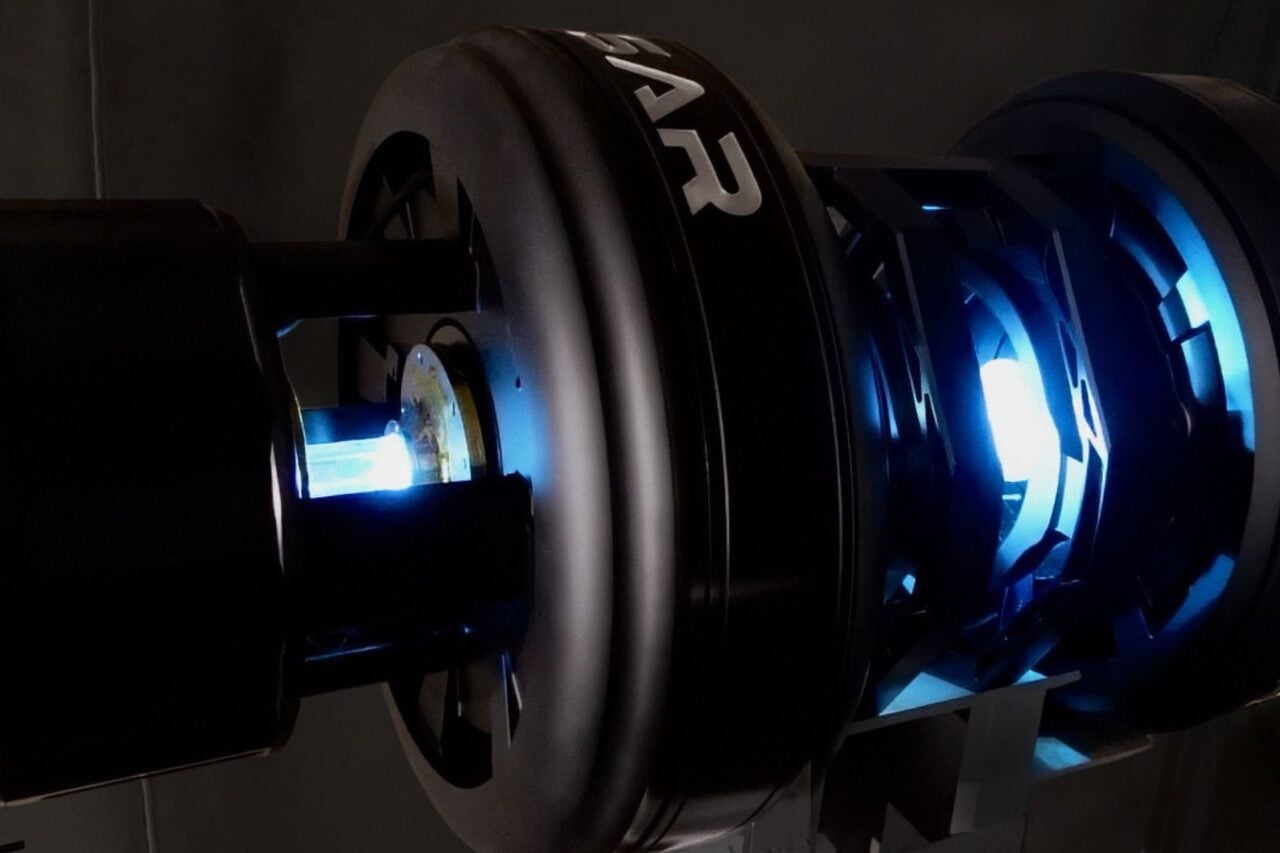
Space propulsion company Pulsar Fusion has achieved “first plasma” in its Sunbird nuclear fusion rocket, designed to propel rockets faster than any object has ever traveled.
Private and government stakeholders alike seem to believe that fusion energy is right around the corner.
“Our understanding of instabilities—when they grow, how they grow—is important to making fusion work.”
For plasma in fusion reactors, turbulence might be more than a pesky thing to control, a new study suggests.
Here’s to another year of waiting for fusion to come ten years later.
The footage offers an unprecedentedly colorful look at the extreme physics at play—revealing valuable information for researchers studying fusion.
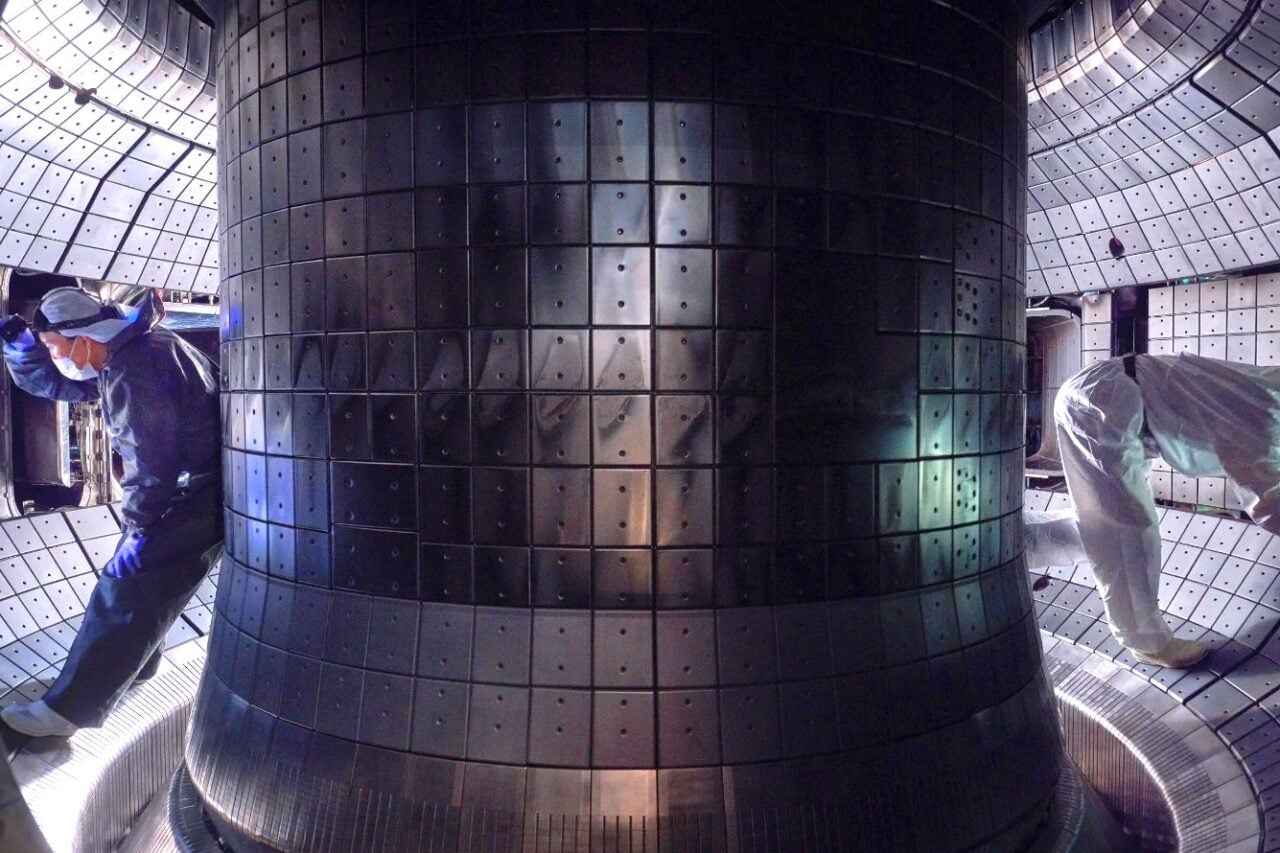
Using a combination of physics and machine learning, the researchers predicted how the plasma inside a tokamak reactor would behave given a set of initial conditions.
The technology could have promising applications for nuclear fusion research and other commercial uses, the researchers said.
An innovative method for trapping lithium ions has led to a promising technology for extracting precious lithium isotopes—a crucial ingredient for fueling nuclear fusion experiments.
Once complete, ITER will run fusion experiments using five times as much plasma as the largest reactors in operation today.
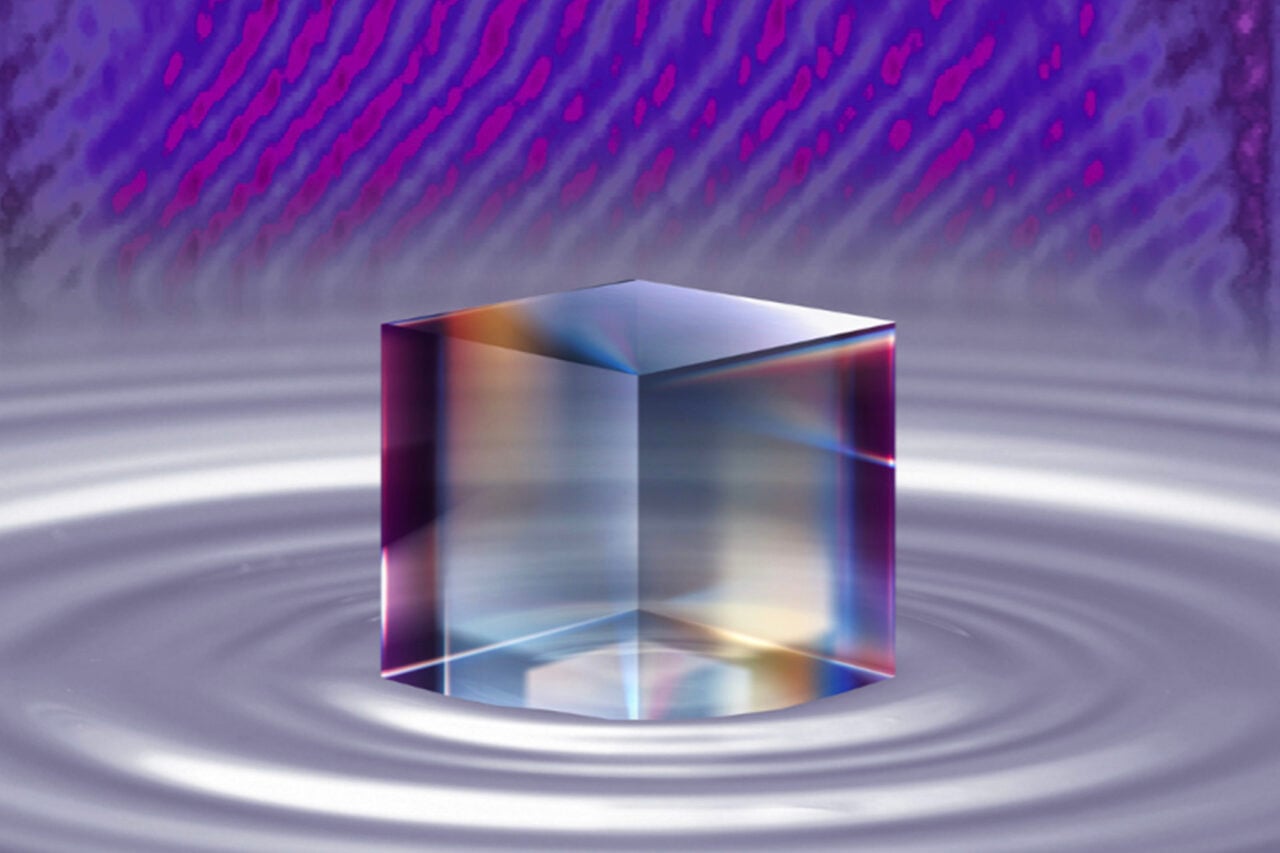
Extreme fusion temperatures are warping diamond fuel capsules, and that means researchers may need to rethink their designs, according to new research.
Called Thunderbird, the pint-sized nuclear reactor is supported by relatively simple electrochemical concepts.
Tapping into discarded nuclear waste could help generate a self-sufficient source of a key ingredient for nuclear fusion, a new plan proposes.
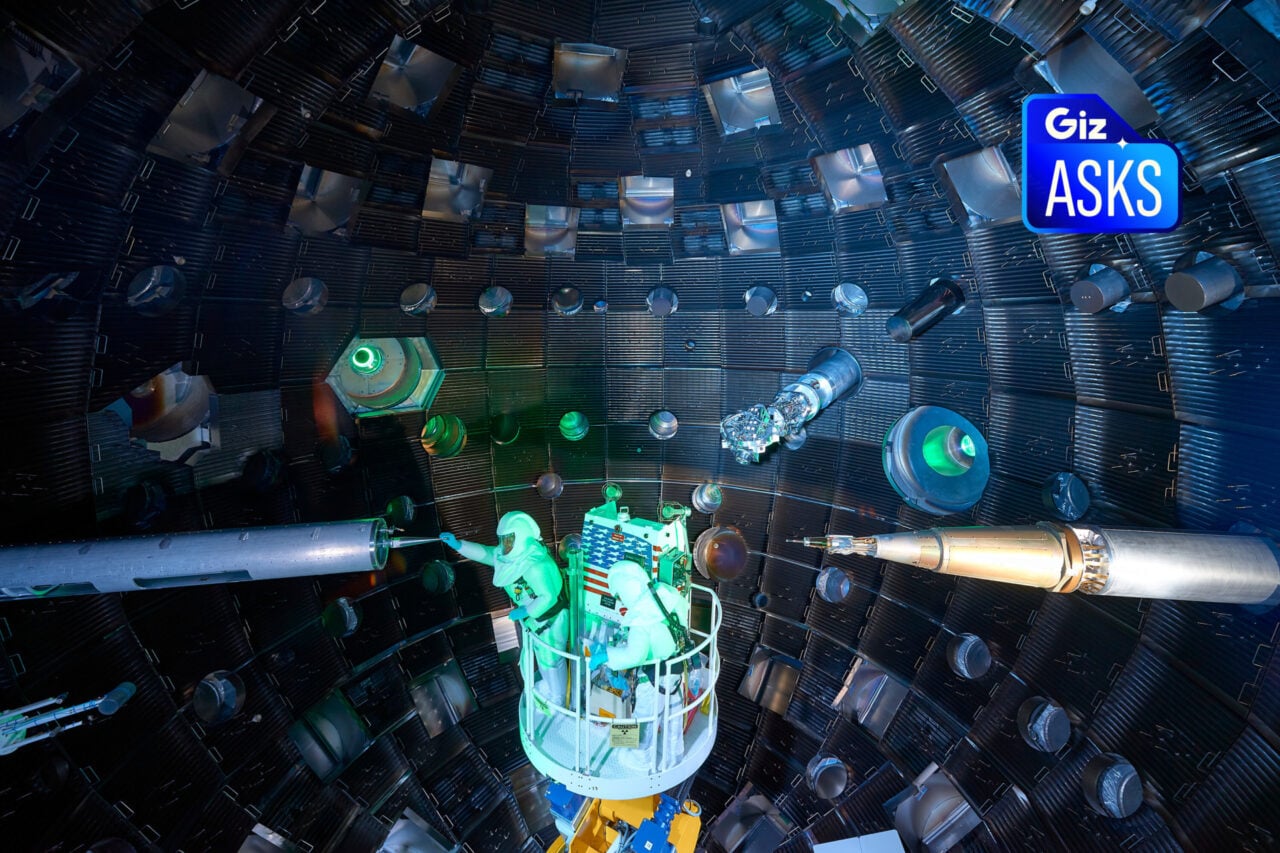
Researchers at the National Ignition Facility achieved nuclear fusion ignition with the help of an AI program that essentially told them they were on the right track.
Energy startup Marathon Fusion claims to have found a scalable way to turn mercury into gold, but they still have much to prove.
For the first time, physicists have directly measured the temperature of extremely hot gold particles using a giant X-ray laser—a breakthrough with major implications for engineering spacecraft or nuclear fusion reactors.
Sedna will make its closest approach to the Sun in 2076, giving us a rare opportunity to visit the planetoid before it drifts off for thousands of years.
Pulsar Fusion aims to launch the world’s first nuclear fusion rocket by 2027.
The National Ignition Facility, home of the first net-positive fusion reaction, is back with an even more powerful energy shot.
The fusion reactor’s electromagnetic “heart” is complete, bringing us one step closer to clean, infinite energy—though there's still a long road ahead.