Is A Landslide Cause for Concern?
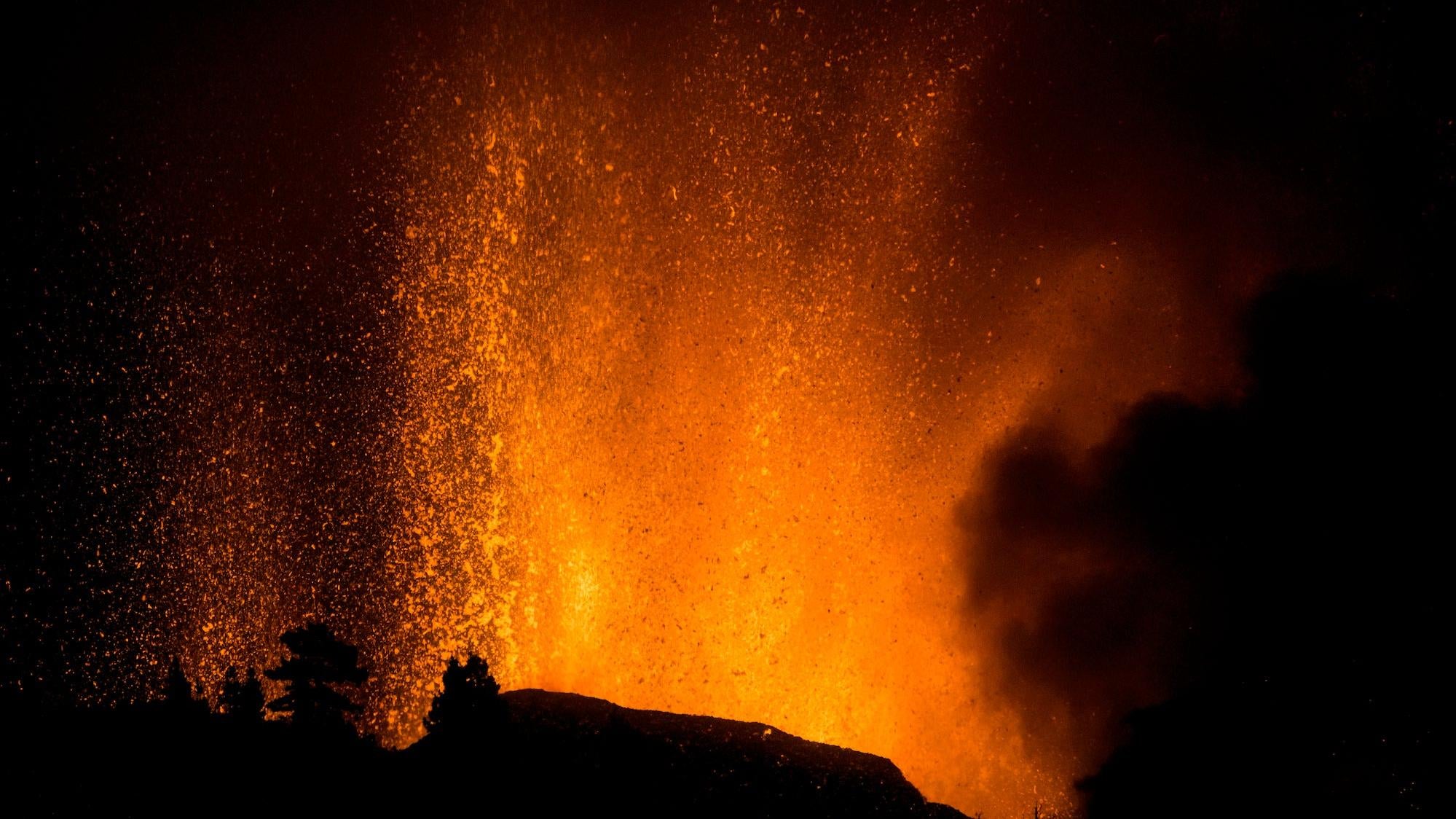
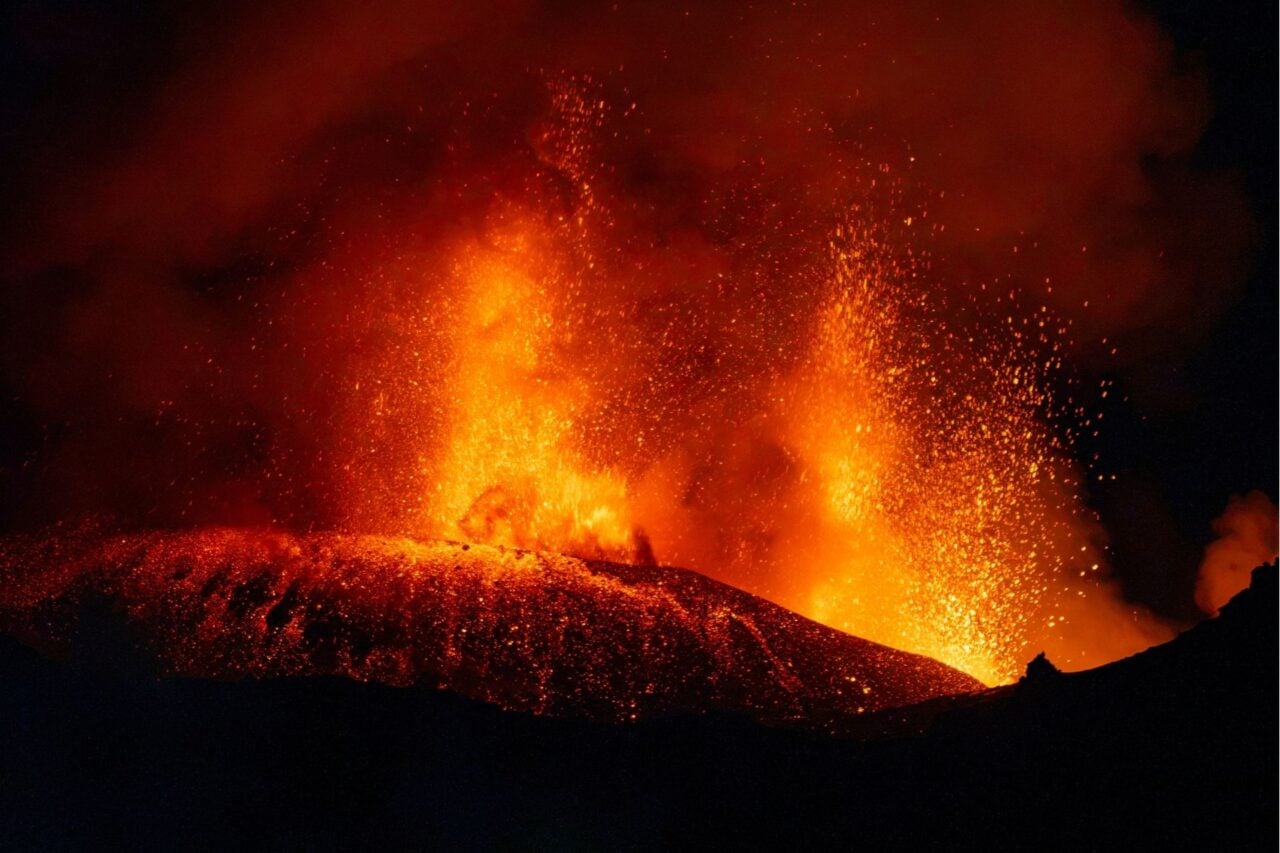
The eruption is certainly terrifying for those nearby. But should those of us further away be concerned? In the aftermath of the explosion, some began to voice concerns that the eruption could trigger a landslide and mega-tsunami in the Atlantic Ocean.
The worry is essentially that an eruption could cause the volcano’s flank to collapse, sending a landslide into the ocean that would generate a major tsunami that would course across the Atlantic and reach the Northeast with waves as high as 80 feet (25 meters). The scenario, which is based on a 2001 research paper, sounds like a disaster movie.
Horrific, right? But we can probably chill out about the risk at this point. More recent research shows that worst-case scenario is incredibly unlikely. Dave Petley, a geohazard expert, summarized much of that research in a series of 2017 blog posts for the American Geophysical Union. The findings, he wrote, show a landslide is possible but on the magnitude of the 2001 paper. Any tsunami “would be significant as it crossed the continental shelf off the east coast of North America, but would lose a great deal of energy due to frictional effects in this region,” ultimately resulting in a 6-foot (2-meter) tsunami.
The current eruption is unlikely to cause that to happen. As Andrews noted on Twitter, “you do not have to worry about an apocalyptic tsunami destroying New York City because of what’s happening on La Palma.”