The invading parasitic New World screwworm (Cochliomyia hominivorax) is digging its sharp mouth hooks deeper into the United States.
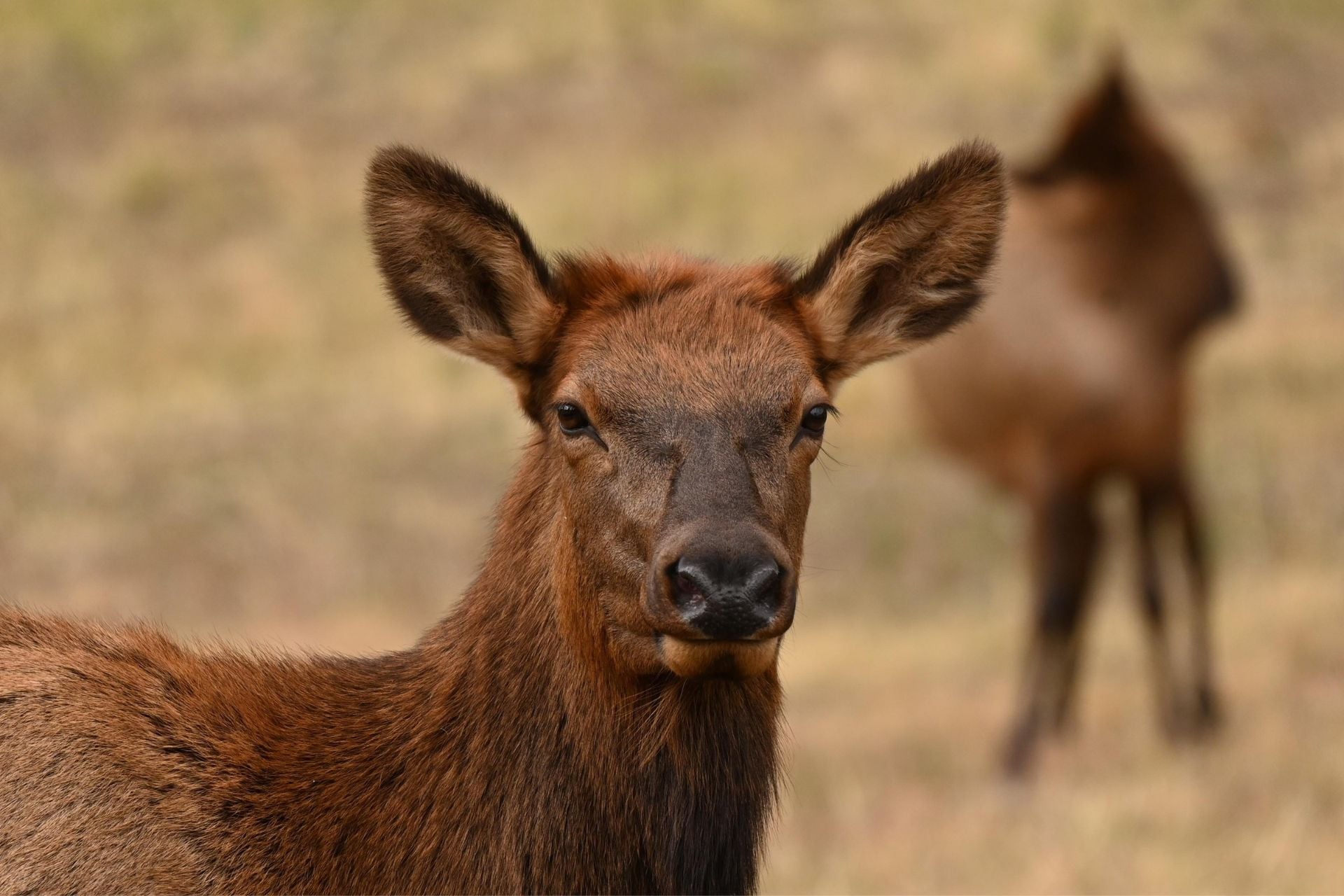
This week, federal and local officials in Texas confirmed the first known infestation of screwworm in wildlife since the parasite reemerged in the country this year—a female elk killed by hunters. Though total cases of screwworm are still low, this month has seen an increase.
“We encourage all hunters and landowners to be vigilant for signs of New World screwworm while they are out in the field this season,” said Alan Cain, Wildlife Division Director in the Texas Parks and Wildlife Department, in a statement released Wednesday.
The screwworm’s return
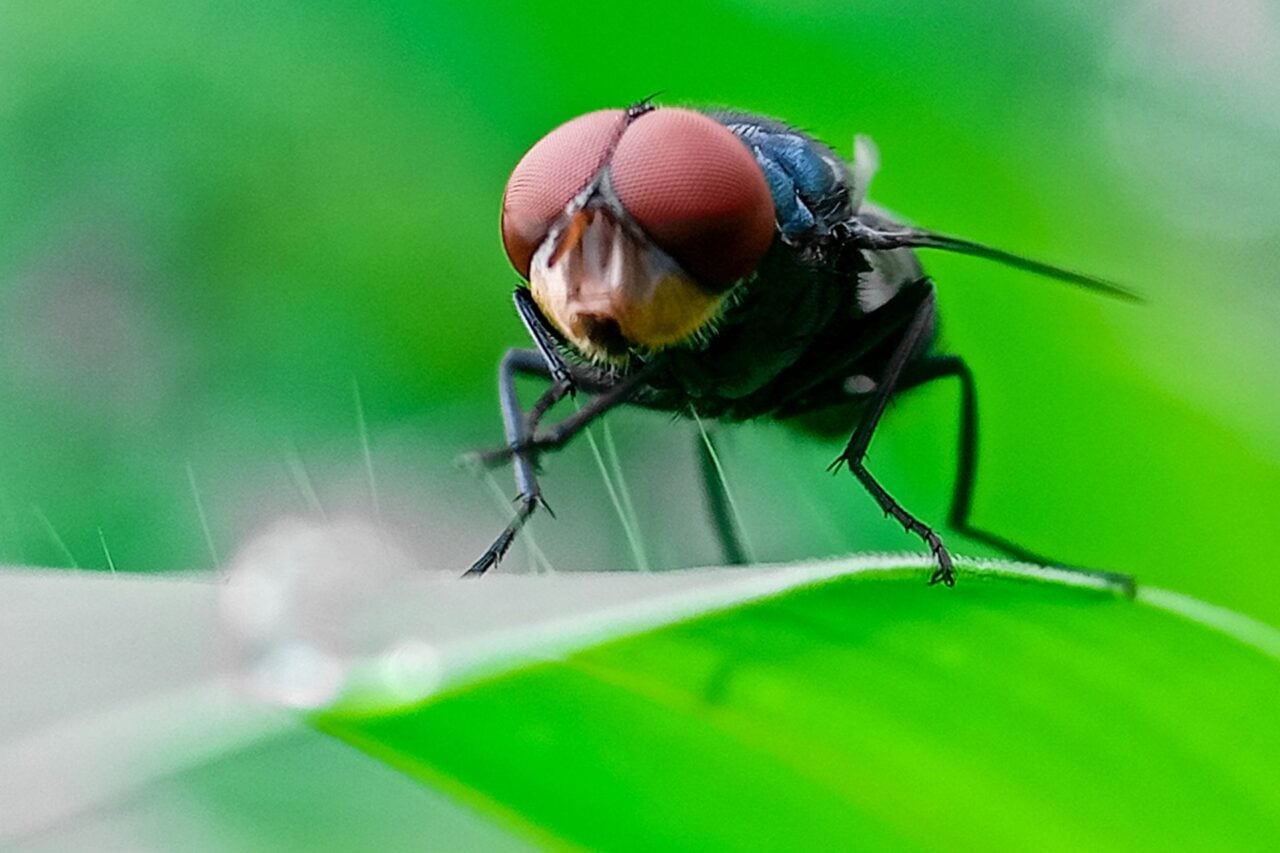
The screwworm is actually a species of fly, though its larval form is the real cause of concern. Unlike many species, screwworm maggots love feeding on the living flesh of warm-blooded animals. The flies lay eggs on a host via open wounds or mucous membranes, and then the maggots use their screw-like bodies and sharp mouth hooks to burrow themselves deeper into the animal. This can cause extensive, even life-threatening tissue damage to the host, as well as raise the risk of serious secondary infections.
Screwworm outbreaks have historically devastated livestock populations, but eradication programs in the U.S. and other countries in the Americas had pushed back the screwworm for decades, creating a barrier as far down as Panama. Recently, however, this barrier has fallen, and the parasite has steadily reestablished itself northward. In June, the screwworm officially made its return back to the U.S.
Though the maggots can infect people as well, they typically stick to livestock and other animals. This latest case involved an elk caught by hunters in Pecos County, Texas. The elk was found on a game ranch, and hunters reported the suspected case to authorities after harvesting it. The U.S. Department of Agriculture’s (USDA) Animal and Plant Health Inspection Service confirmed the infestation.
What this means for the U.S.
As of October 21, according to the USDA, there have been 59 animal cases of New World screwworm detected in Texas and New Mexico, with this newest one being the first found in wildlife. After a lull in cases during the summer, there have been seven new cases reported this month, the most since July.
So far, there have been no reported human infections in the country, though such cases have occurred in areas of Mexico where the fly returned on its way to the U.S. Between April 2025 and March 2026, there were 204 reported human cases of the screwworm in Mexico, a recent report found, six of whom subsequently died, with one death directly attributed to the parasite.
In the U.S., officials have implemented containment measures around all of the cases identified so far, this latest one included. Officials will now modify a previously established infested zone, and both the Texas Parks and Wildlife Department and the USDA are planning to conduct additional wildlife surveillance for the New World screwworm.
It remains possible that these interventions will prevent the parasitic fly from making a full comeback in the U.S. But its newfound emergence in local wild animals and recent uptick in cases suggest that this situation is still far from being under control.