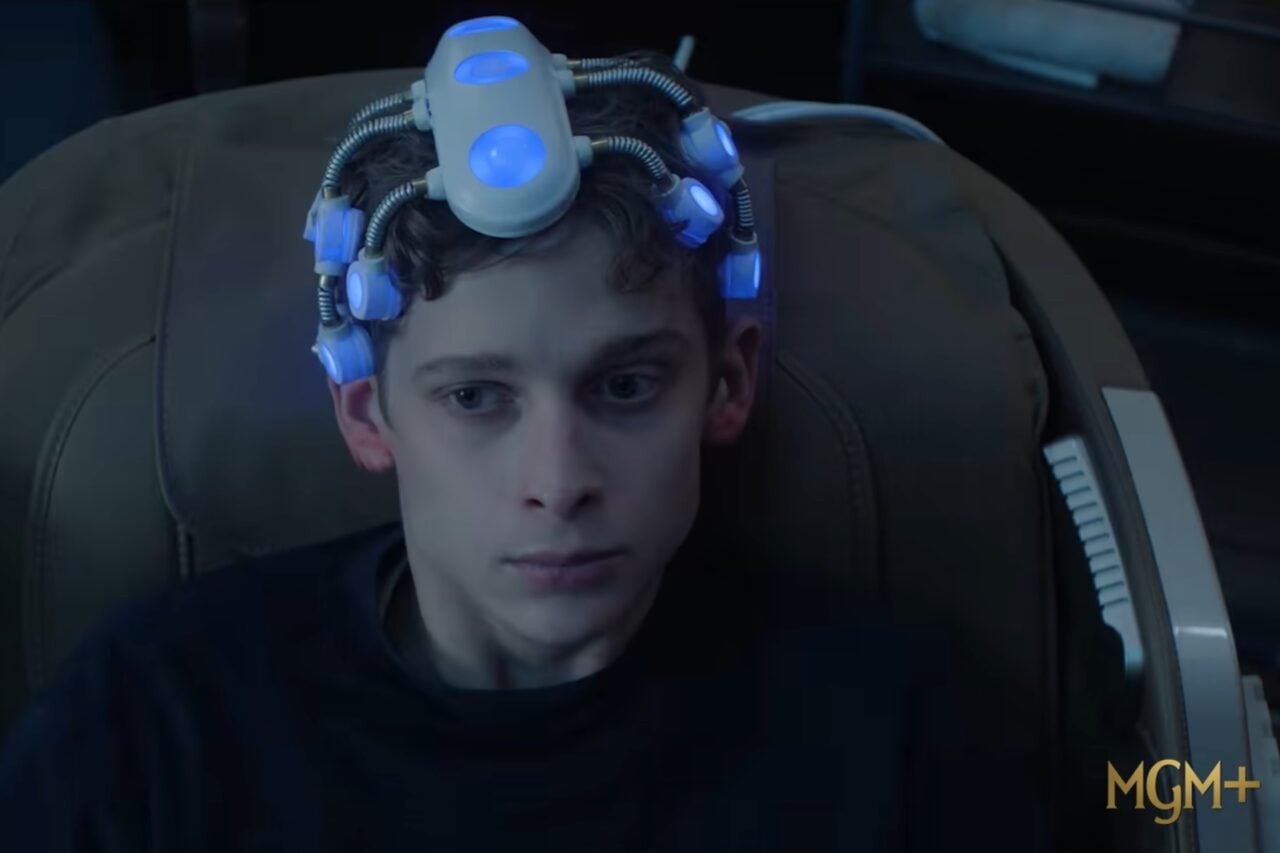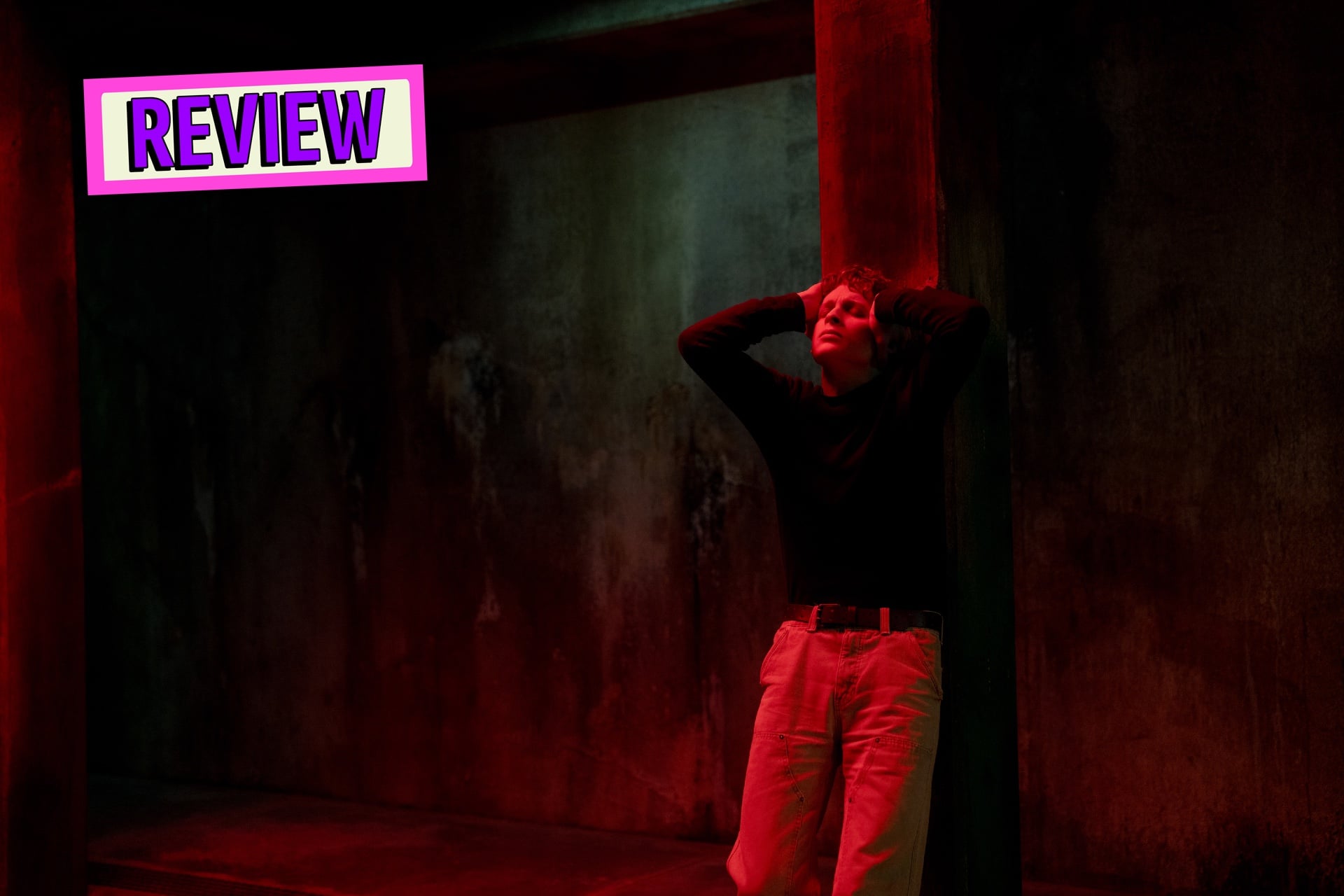
Arriving in the wake of Prime Video’s rollout of Mike Flanagan’s Carrie, the second season of The Institute—another series about psychic teens based on a Stephen King book—feels in danger of being lost in the shuffle. It has an apparently smaller budget, doesn’t have the same level of viral hype, and is on MGM+, which requires a separate subscription despite also being part of Amazon.
But it’s worth seeking out this intriguing sci-fi thriller, which stars Ben Barnes, Mary-Louise Parker, Jeff Fahey, and an ensemble of younger actors headed up by Joe Freeman and Simone Miller.
Alfie Allen (Game of Thrones) joins the cast for The Institute’s second season, playing a character who introduces a terrifying new threat into a show that already has plenty of them. It’s a concern even us non-psychic types can relate to: AI and its potential for malevolent overreach.
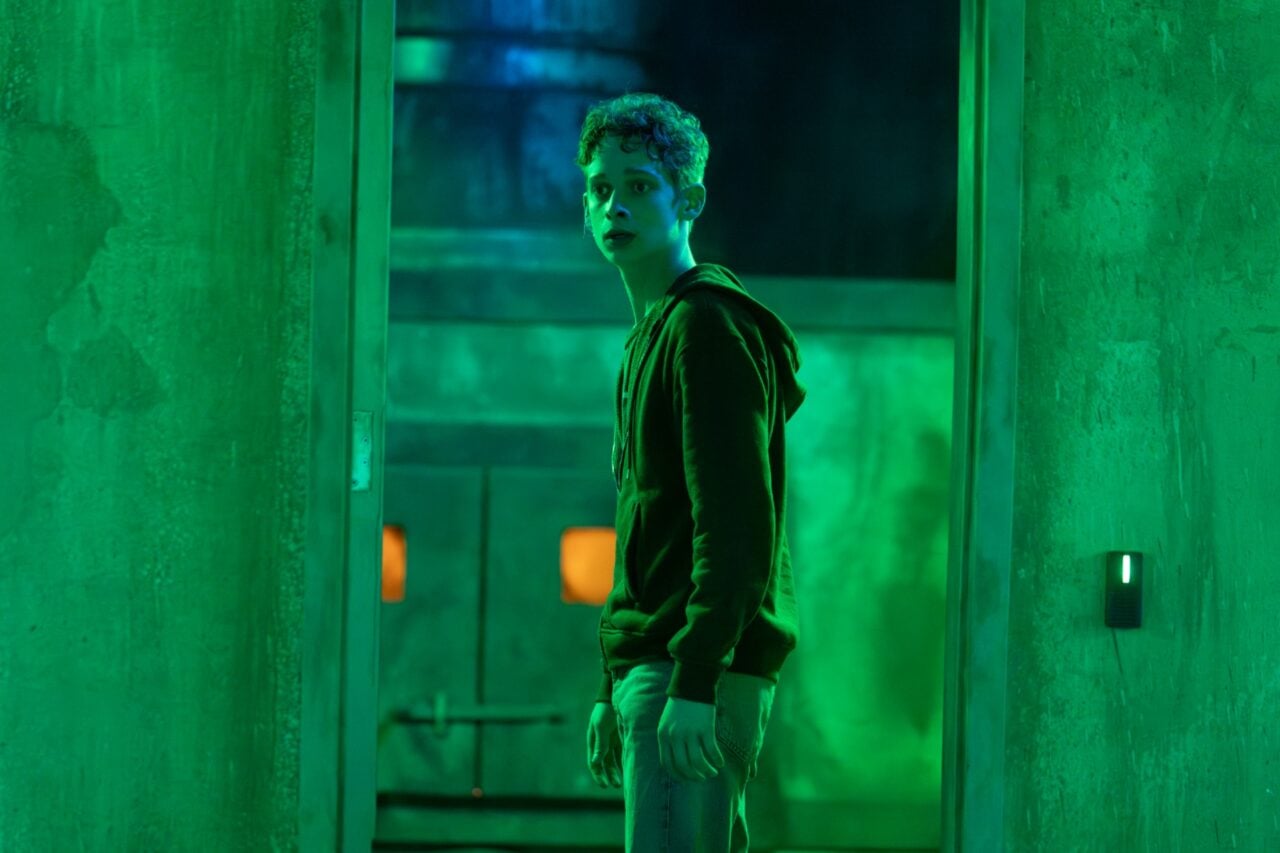
Season one of The Institute followed King’s 2019 sci-fi novel pretty closely. Its younger characters were aged up from tweens to teens, but the story remained basically the same. Young genius Luke Ellis (Freeman) is kidnapped and wakes up in a peculiar facility filled with kids who—like him—are either telekinetic or telepathic, or both. Under the watchful eye of Ms. Sigsby (Parker), they’re put through torturous tests meant to amplify their abilities. When they’re deemed ready, they’re whisked into a different part of the facility where even more terrible things happen.
At the end of season one, we learned that Luke and his friends are just one component of an organization that uses psychics to identify specific people—dubbed “hinges”—whose future actions will trigger apocalyptic events. The kids are then forced to perform remote assassinations to eliminate the hinges. In the minds of the Institute’s leadership, it’s not murder. It’s saving the world.
This would be awful even without the detail that all the kids are fed empty promises that they’ll get to return home once they’ve completed their service. Their true fate, of course, is that they face an agonizing death followed by a swift, tidy cremation.
This is dark even for Stephen King. In season one, as Luke and his friends plot rebellion within the Institute, outside its walls we meet former Boston cop Tim Jamieson (Ben Barnes), who drifts into small-town Maine seeking a quiet life. But he can’t let go when he realizes the nearby “infectious disease lab” is something far more sinister, and he becomes drawn into helping bring the Institute down.
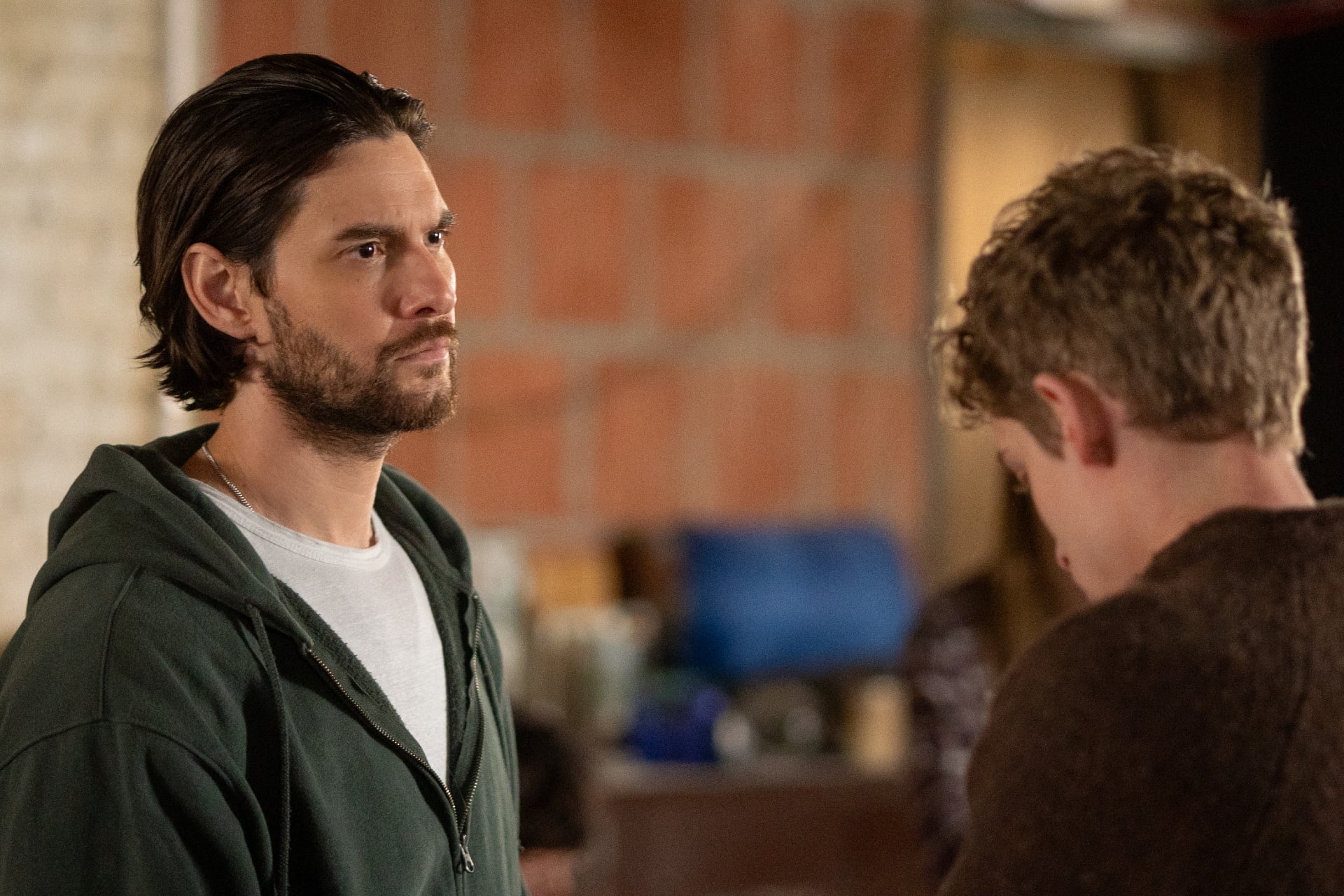
And as season one ended, that’s literally what happened: the building itself crumbled to its foundations after being mind-zapped by furious superpowered teens. Our heroes Luke, Kalisha (Miller), Nicky (Fionn Laird), and George (Arlen So) managed to escape with Tim; Ms. Sigsby and mad scientist Dr. Hendricks (Robert Joy) also fled before their mysterious boss (Jeff Fahey) set about obliterating any evidence of the Institute’s true purpose.
Needless to say, despite reaching the end of King’s book, there was still a lot of story left to tell. The Institute teased the existence of similar facilities across the globe—including a place where “precogs” flex their skills and are treated like gods—and the enigmatic web of people calling the shots from on high.
Season two picks up immediately after season one, with pressing concerns like the kids needing to rip off their ear trackers and Tim tending to his festering bullet wound. Where will they go? How can the kids be certain that Tim is a good guy? How will they get money? (That one is easy enough; George, a gifted telekinetic, figures out how to extract bills from an ATM.) And what kind of future will they have?
Four months later, weary of living off the grid, the fugitives are at odds about what to do next—especially Luke, whose nascent powers of precognition have started to develop in ways he can’t ignore.
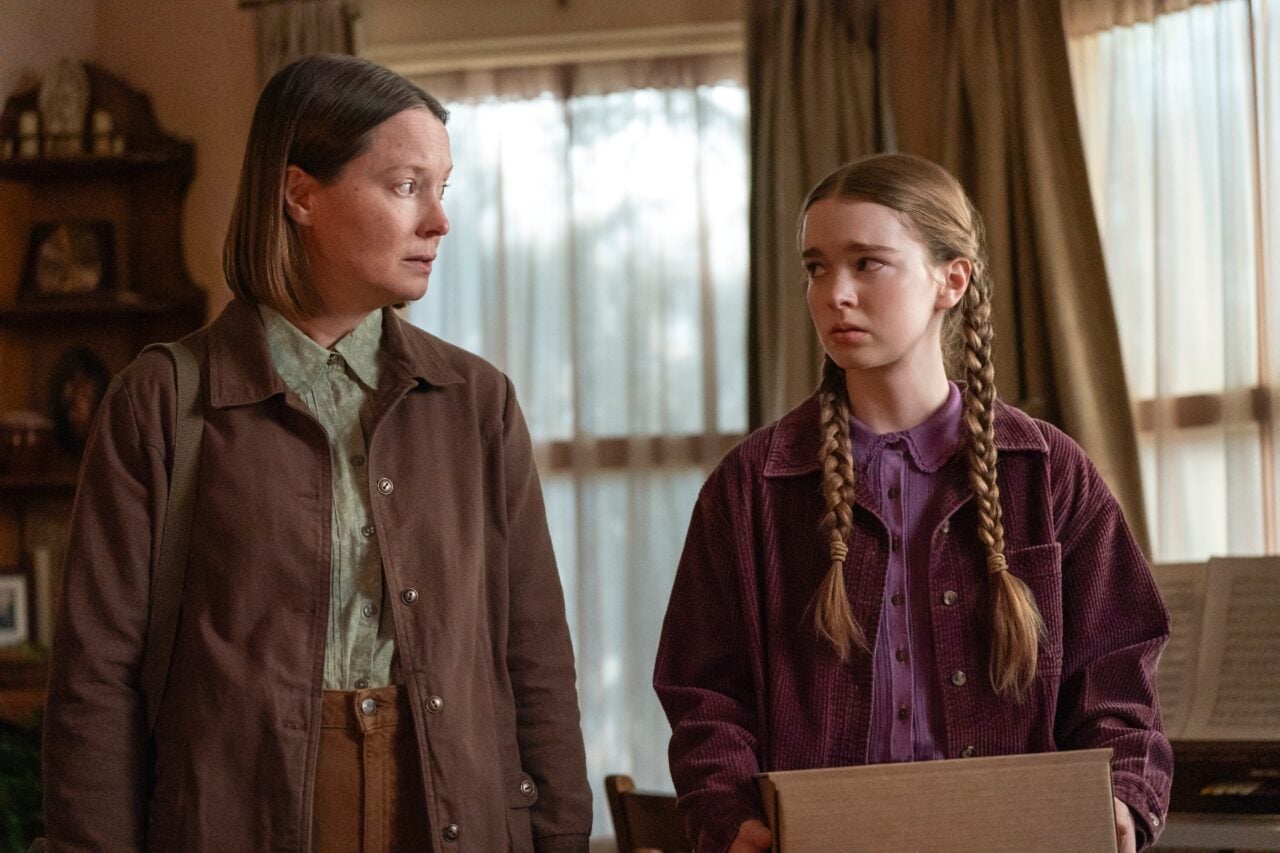
Elsewhere, Ms. Sigsby has been relying on blackmail to ensure her survival. But as a true believer in the Institute’s mission, she doesn’t want to be in opposition to the place. She hopes its shadowy leadership will be able to overlook the mistakes she made in Maine and allow her back into the fold.
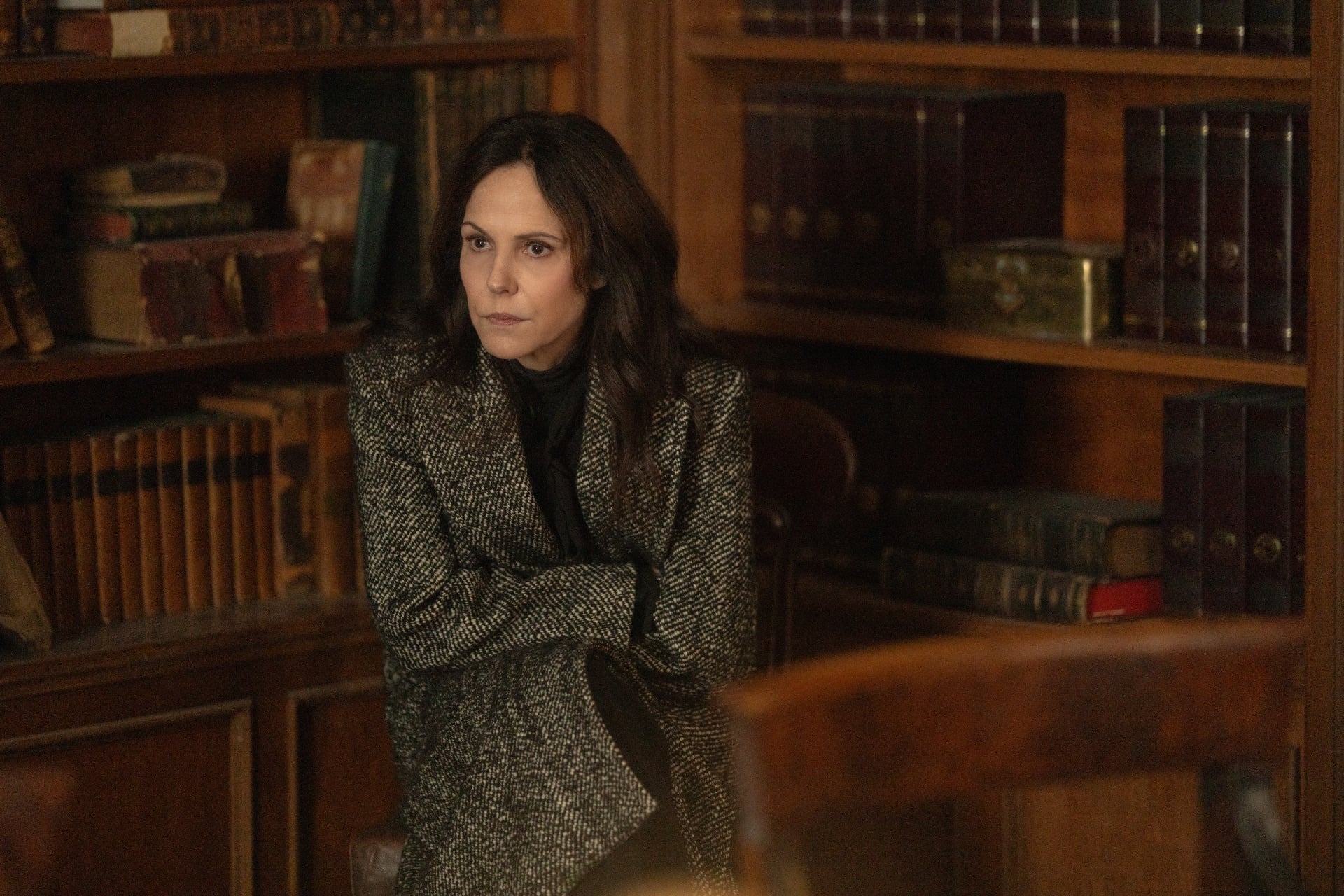
And, clearly, the show is called The Institute. It has to engineer a way to get the characters back inside; otherwise, there’s no way to expand what we know about the organization. So even though Luke, Kalisha, and Nicky spent all of season one trying to get out, season two finds a way to trap them in a new facility—this one a mountainside fortress evoking, as Tim calls it, “some Bond villain shit.”
The Institute 2.0 is not unlike the place they endured in Maine, but the struggles of the kids in training are less the focus this time around. At last, we get to peek into the rarefied world of the precogs and see how they pinpoint those dangerous hinges.
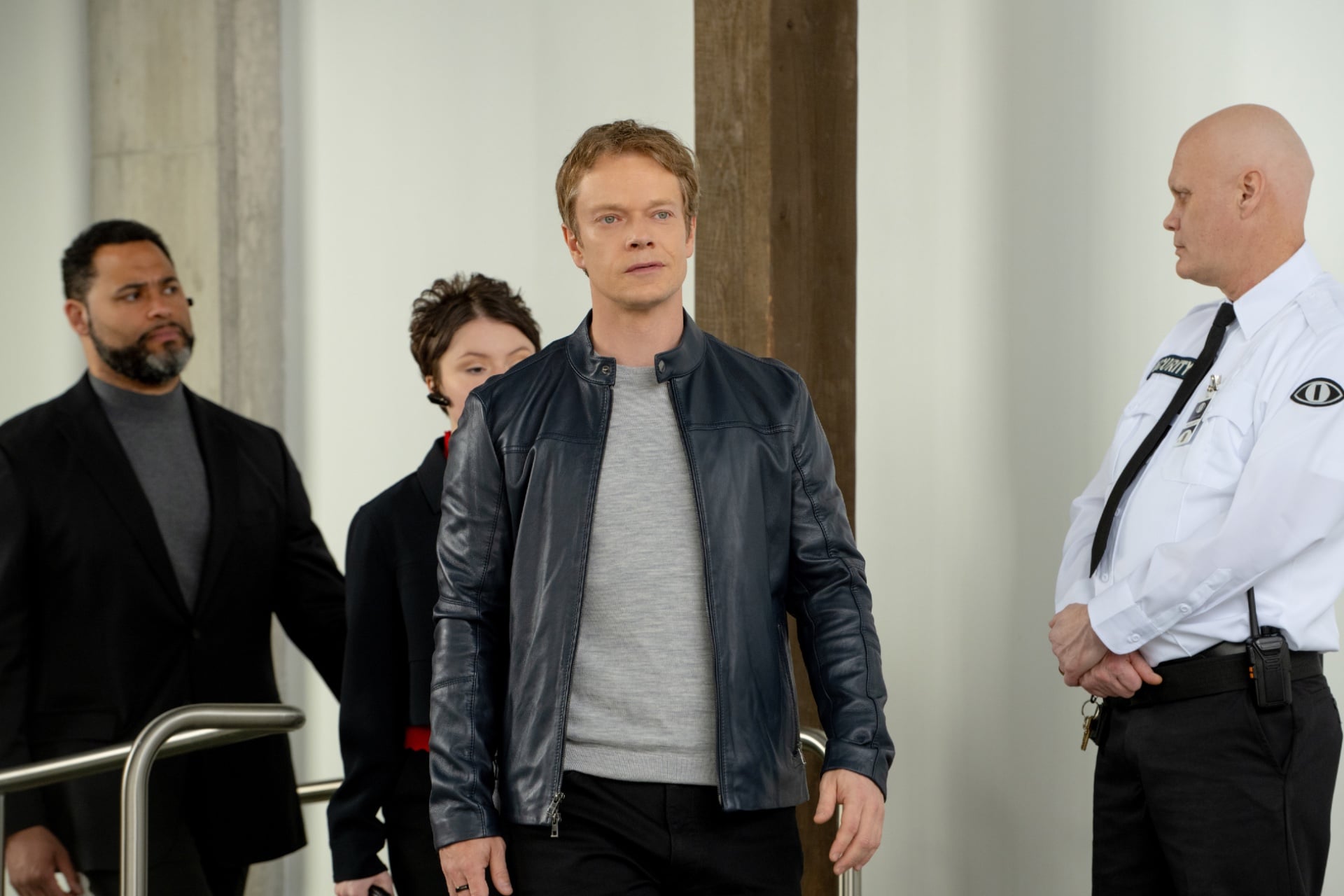
We also meet Allen’s character, Nolan Reed, a tech billionaire obsessed with longevity and wellness who might feel like a parody if he wasn’t so believably modeled on the Musk-era elite class. There’s a precog shortage in the world, and Nolan, whose financial stake in the Institute gives him leverage, is eager to supplement their power with his own predictive AI.
Nolan’s involvement is decidedly ominous, but there are all kinds of bad vibes rattling around of both the corporeal (men with guns) and mental (doomsday visions) variety. Luke’s powers have grown, but so have Kalisha’s, and her telepathic abilities become an important plot element.
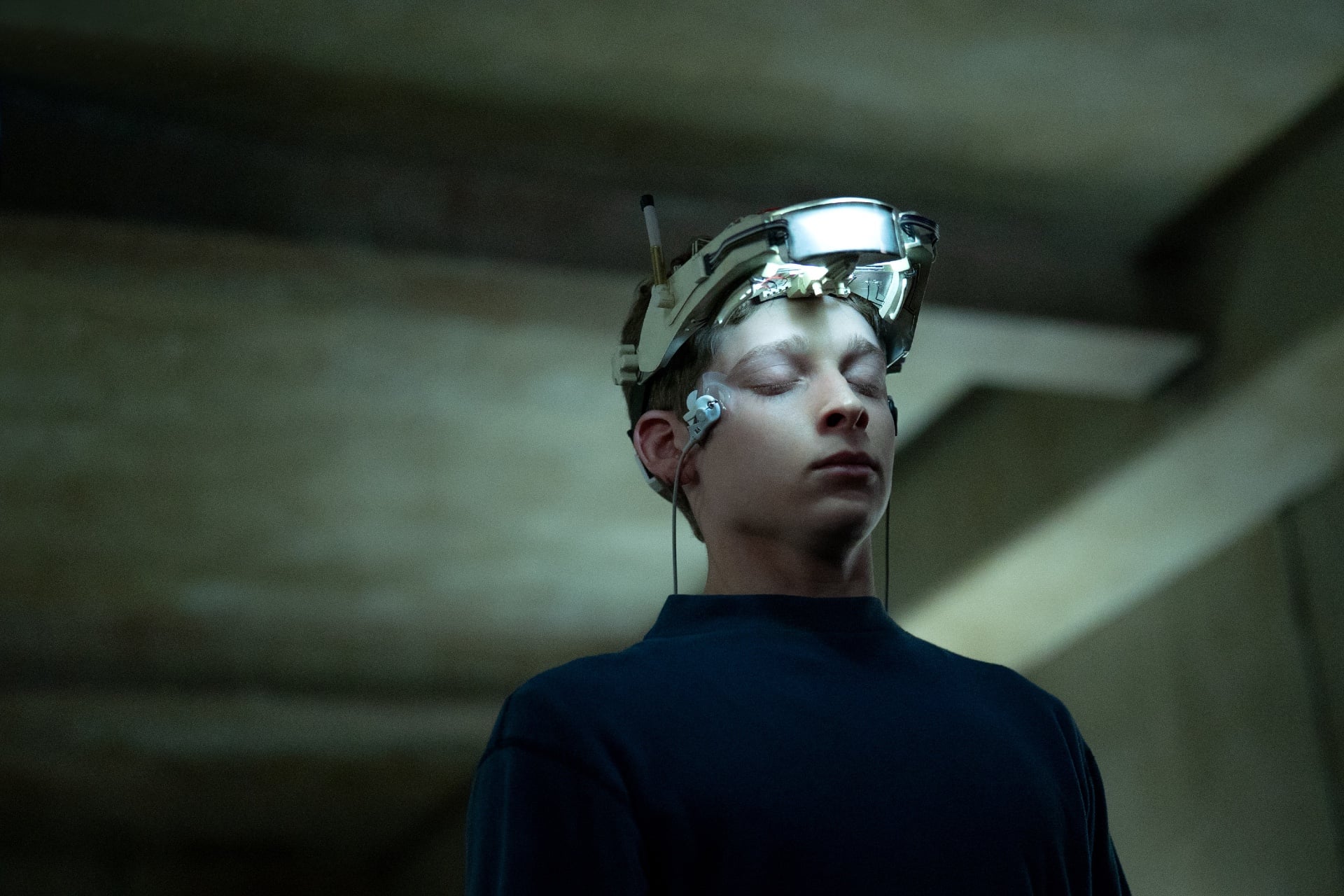
However, just because Luke can glimpse the future and Kalisha can read minds doesn’t mean The Institute easily gives up its secrets. There’s still an underlying mystery, and the propulsive narrative finds a way to raise the stakes even higher—even if there’s a certain amount of familiarity, which the show itself outright acknowledges. “We did it before, and we will do it again,” a character insists at one point, in what’s perhaps a deliberate wink at the audience.
Another weak point in the season is the emphasis on the love triangle between Luke, Nicky, and Kalisha. It feels forced every time it’s brought up—and really, their friendships should be enough to make us believe that they care deeply for each other, especially when there are zero romantic sparks between any of the characters.
Far more compelling is The Institute’s interest in the more philosophical quandaries at its core. Carrying over from season one, there’s the question of whether killing one person to save the rest of humanity is morally acceptable. It gets even more complicated when you add kidnapping, exploiting, and discarding children into that.
Bringing in a super-powerful AI to help decide the future of existence slathers on yet another layer of dread. And really, is this world even worth saving, especially if doing so requires so much suffering? Season two’s themes may be bleak, but they also feel eerily timely, nudging the sci-fi of The Institute ever closer to horror.
The Institute season two premieres Sunday, November 8, on MGM+. It has a weekly rollout.
Want more io9 news? Check out the best movies and TV shows to stream this month and all the upcoming sci-fi, fantasy, and horror books that should be on your radar.