Since it was first announced, the question attached to Mike Flanagan’s Carrie series has always been “why?” A Stephen King adaptation isn’t a stretch for Flanagan. But Carrie has already hit the screen multiple times, with all subsequent versions paling in comparison to Brian De Palma’s 1976 feature. Its story of a telekinetic teen pushed over the edge by bullies is so entrenched in pop culture that Carrie White’s blood-drenched prom dress is now a Halloween costume cliche.
Flanagan is well aware of this baggage. Carrie marks his Prime Video debut after a string of Netflix successes, including The Haunting of Hill House and Midnight Mass, and the idea originated with the streamer. In 2025, he told Variety his first reaction was, “Why? It’s been done.” When Flanagan shared the pitch with King, the author’s response was also “Why?” followed by “Leave her alone. She’s been through enough.”
Though Flanagan eventually figured out how he wanted to approach the story—all eight episodes arrive October 7 on Prime Video; io9 watched them ahead of this spoiler-free review—the Carrie press materials provided to reviewers include a three-page note from Flanagan, titled, you guessed it, “Why?”
Most TV shows do not arrive with a letter from their creator justifying their existence, but Flanagan clearly felt moved to get ahead of any criticism. It’s something he’s emphasized in interviews leading up to the release. He is aware of the concerns about redundancy, of people groaning, “This story again?” He wants audiences to know this is a fresh and different Carrie, one that feels right at home in 2026.
As he did in his Netflix series adaptations, including Hill House and The Fall of the House of Usher, Flanagan aims to expand the world set down on the page. That said, he does follow the same general story from the book. (This isn’t It: Welcome to Derry, which built an entire season off a few asides in its source material.) In King’s Carrie, the narrative unfolds between sections styled as news reports, interviews, and other documentation, and Flanagan uses those as starting points.
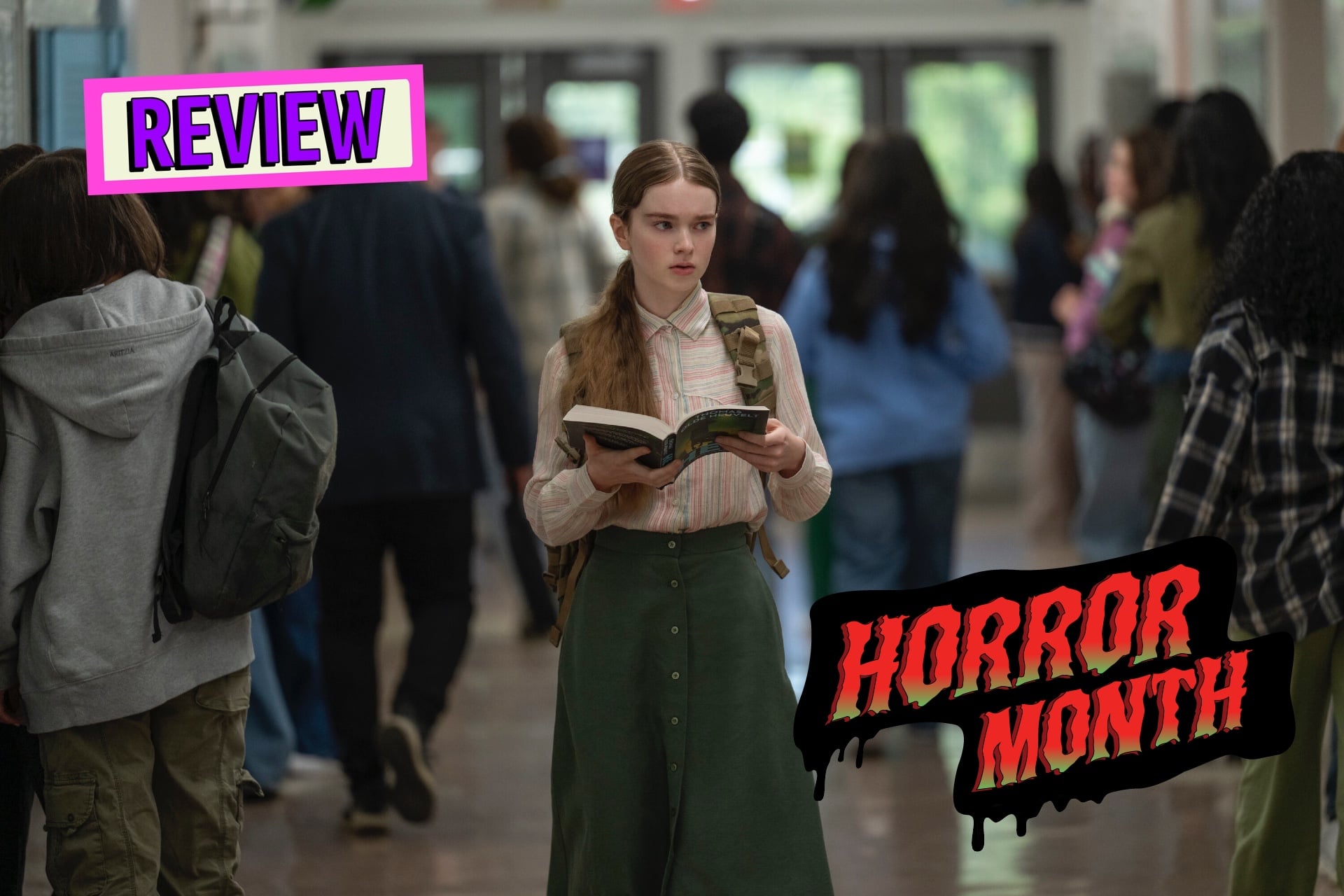
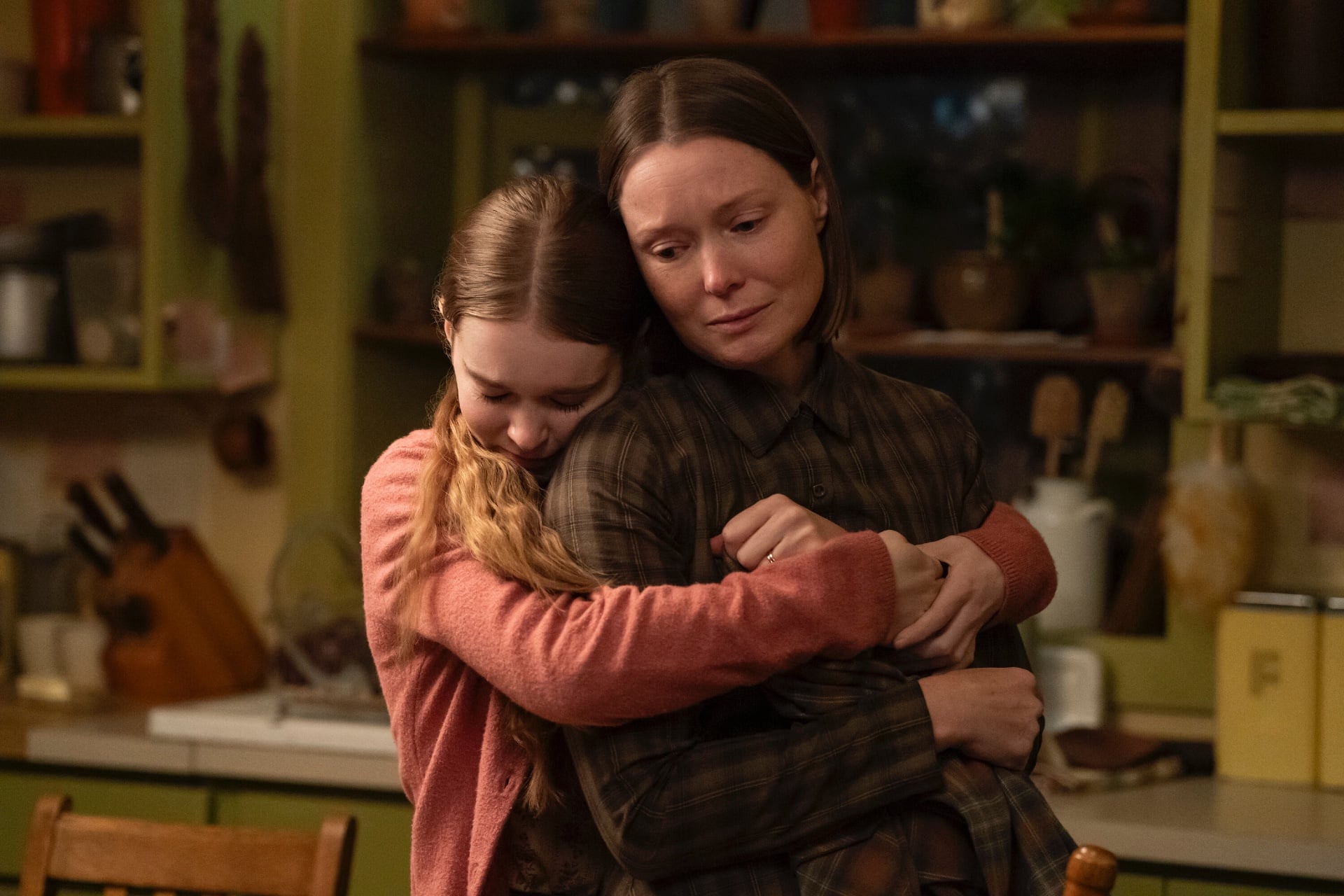
In this version of her story, Carrie White (Summer H. Howell) experiences the outside world only after her father dies in an accident, and her mother, Margaret (Samantha Sloyan), is given a choice: get a job and put your daughter in school or lose custody. Margaret’s standard portrayal as a wild-eyed religious fanatic is shifted a bit here. Carrie is still ordered into the prayer room as punishment, but Margaret’s obsession with control comes from a more complicated place. She’s definitely a conspiracy theorist, with a paranoid outlook she shared with her late husband, but her strict approach to parenting also comes from her fierce love for her daughter. Their relationship is often rocky, but there are still tender moments between them.
Instead of a girl who’s been tormented her entire life by the same classmates—King writes of “Carrie White eats shit” graffiti following her through school—this Carrie is like a flower that’s just opened. She radiates an innocence so spotless that the kids at school, including alpha mean girl Chris Hargensen (Alison Thornton) and her notably less mean best friend, Sue Snell (Siena Agudong), are taken aback by this strange creature in their midst.
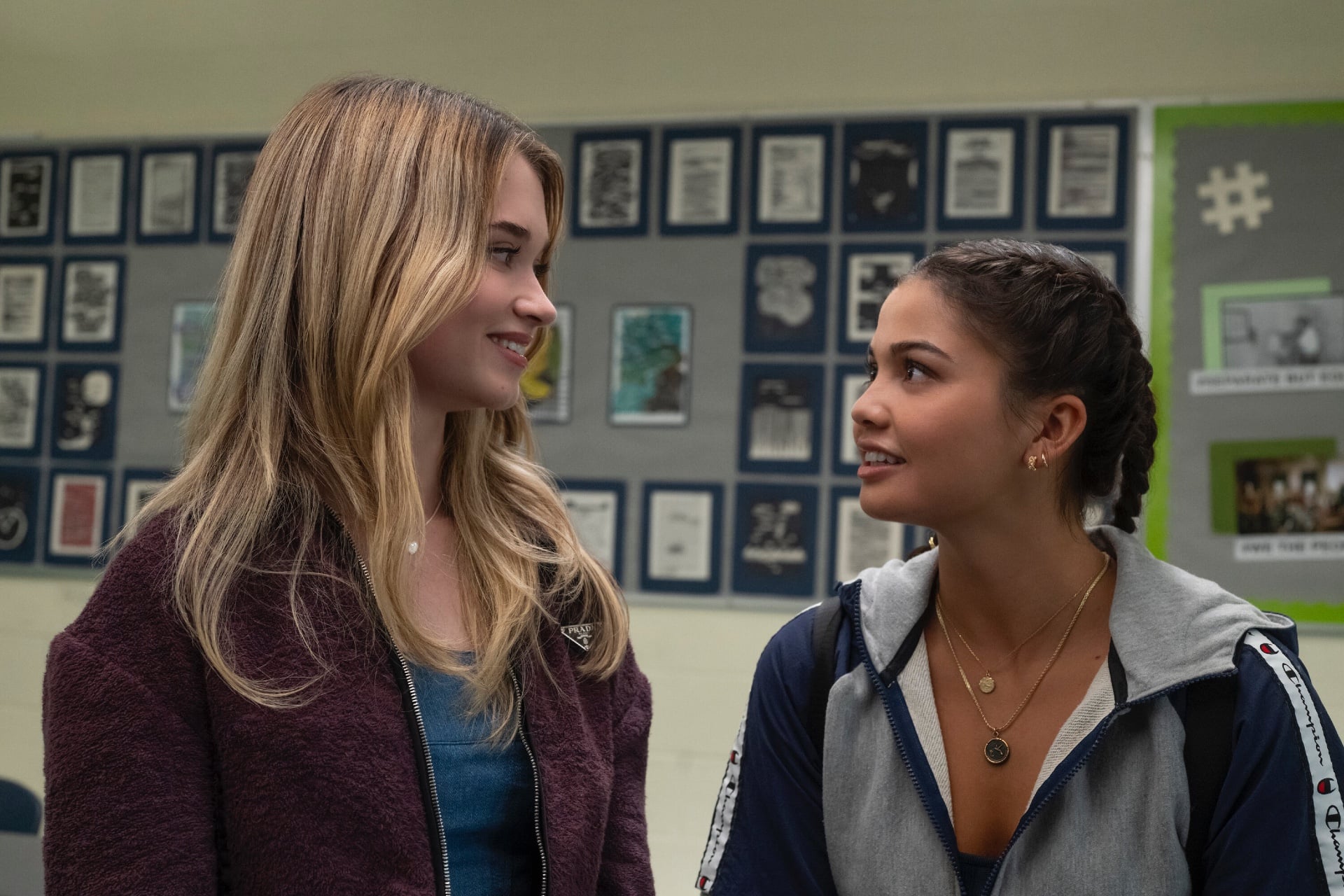
We know, of course, that Carrie will become an object of curiosity and ridicule; the premiere episode is pointedly titled “First Period,” and the climactic prom disaster is confirmed from the 911 calls that fill the show’s opening moments. The journey starts with Carrie’s arrival at school, walking through the metal detectors and setting off the alarm with her cross necklace, and ends with that fiery inferno. But the stuff in between is, for the most part, full of surprises.
And there’s so much more going on here beyond Carrie’s ascension from misfit to superpowered bringer of wrath. The town of Chamberlain might seem unremarkable, but it harbors a festering unease that both predates Carrie’s tragic awakening and feeds into it.
Of all the tweaks and changes that Flanagan brings to Carrie, building up the character of Chris Hargensen is maybe his deftest move. She’s still a catty popular girl, but there are insecurities driving her cruelty, and the weird new girl at school becomes the perfect distraction from Chris’ growing misery. Before long, Chris has set up an anonymous Instagram account designed to torment not just Carrie—though she takes the brunt of it—but anyone she deems deserving of a malicious takedown.
Before long, Chamberlain becomes a hurricane of bad vibes whipped up by all the online shit-talking. Teachers and administrators (including Matthew Lillard as the increasingly exasperated principal and Amber Midthunder as a young teacher who begins to question her career choice) face off with livid parents (Margaret White leading the charge), and seething tension among the students escalates into violence.
This all could have been very heavy-handed—not to mention the fact that “social media is toxic” and “bullying is bad” are already very well-worn themes—if not for the performances. If Sloyan’s turn as Margaret White is a bit evocative of her prim, judgmental character in Midnight Mass, it’s still very effective in this context. But it’s really the younger cast that makes an impression. As played by Howell, we can see how Carrie, who loves quoting her favorite books and sewing her own clothes, might’ve turned out to be a happy, well-adjusted person if only she’d been treated with the kindness she desperately craves.
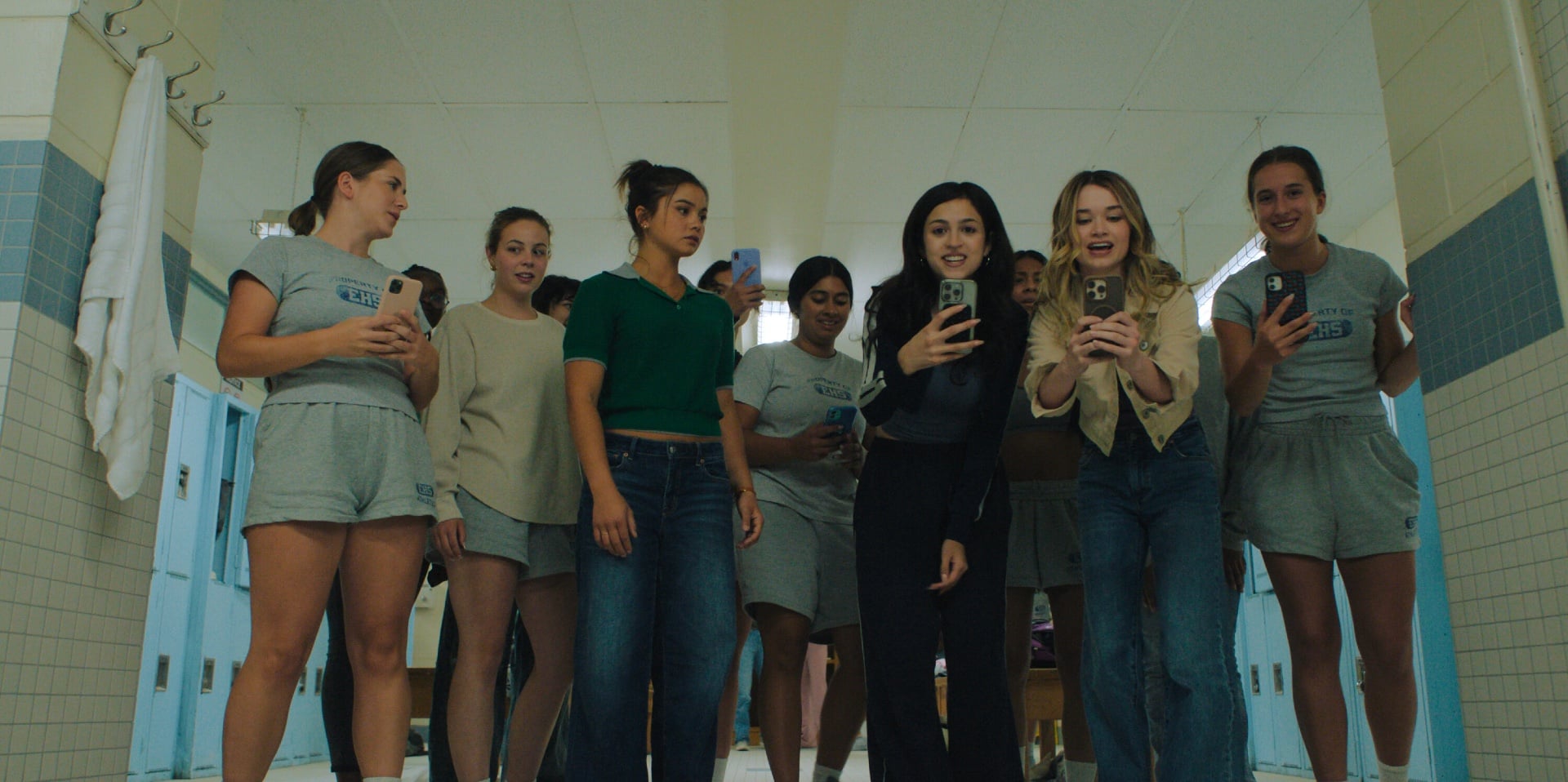
Thornton’s Chris is as nasty as she is wounded; Agudong, playing the one consistently sympathetic character in any version of Carrie, shows us how devastated Sue is when she realizes her “ride or die” has twisted into someone she no longer recognizes. Also notable is Josie Totah’s Tina, a hanger-on who’ll do anything Chris asks her to while openly coveting her popularity. Sometimes she’s comic relief; other times, she’s unbelievably horrid.
Among the boys, Joel Oulette makes for an amiable Tommy Ross, and Arthur Conti is a suitably sociopathic Billy Nolan, whose pig-farm connections make Carrie’s most infamous scene possible.
But this is first and foremost a story about women, be they friends or enemies, mothers or daughters, or in possession of fantastical powers. Nearly every episode includes a vignette introducing us to other women throughout history whose abilities made them targets for ridicule, hostility, and worse.
This is something that King hinted at in his novel—that Carrie was extraordinary, but she also wasn’t the only telekinetic in existence. You can understand Flanagan wanting to draw out this aspect of the story, but it’s unfortunately the weakest part of his series. The vignettes aren’t as profound as they’re seemingly meant to be—confusingly, some are based on real-life cases and others are entirely fictional—and they feel like unnecessary additions rather than enhancements to Carrie’s story.
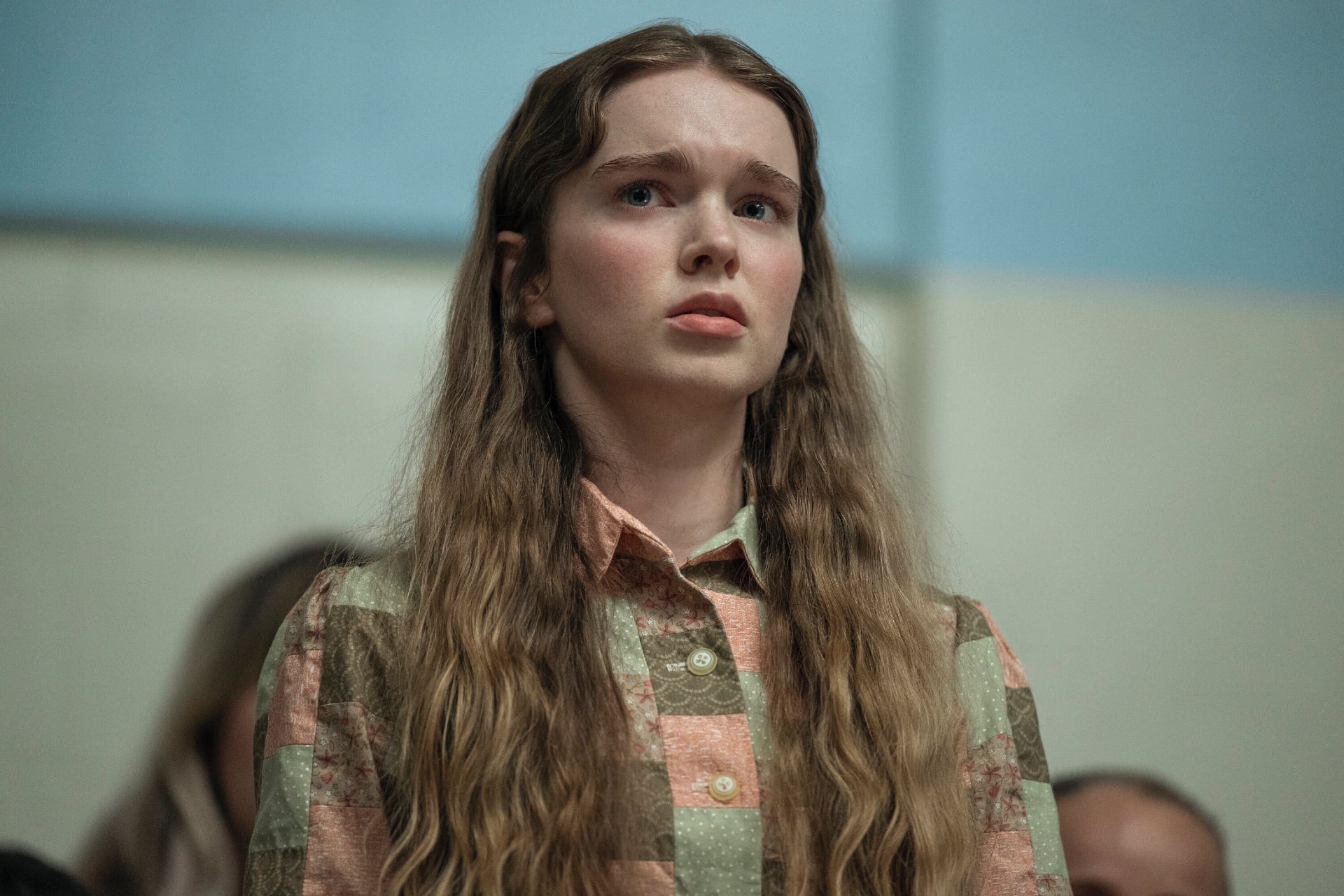
We won’t say too much about Carrie’s related frame story, which follows a series of interviews with shell-shocked survivors, for fear of spoilers. There’s also a character we won’t discuss in depth, but who comes with a “twist” that will be obvious to anyone watching with at least one eye open.
These new elements bolster Flanagan’s aim of widening the lens of Carrie well beyond Chamberlain. But especially after we see Carrie’s final scene—let’s just say De Palma’s hand-from-the-grave jump scare still reigns supreme—we do kind of wonder, “Why?”
But it’s not “Why remake Carrie?” It’s “Why hurriedly shove all this extra stuff in?” If he did it in anticipation of continuing the story—Flanagan has said his “dream scenario” is three seasons—it also serves to deprive this first installment of a truly satisfying conclusion.
The emotional arcs of the main characters are the real draw here. They feel authentic and genuine. The relationships between Sue, Chris, Carrie, Margaret, and others evolve in such meaningful ways that the fateful prom is almost anticlimactic after all the fury and heartbreak that’s come before.
And while Carrie is never very scary—its dread-filled horror is more existential—it does deliver fun details that Flanagan fans will love. Don’t miss the name of the store where Margaret works, the color shift in Carrie’s opening titles, or the perfectly calibrated needle drops. And the biggest amazement of all may be the suggestion that Carrie’s powers, traditionally activated by boiling rage, can also be awakened by the very rare occasion when she’s feeling blissful joy. Why not?
All episodes of Carrie hit Prime Video on October 7.
Want more io9 news? Check out the best movies and TV shows to stream this month and all the upcoming sci-fi, fantasy, and horror books that should be on your radar.