A Buried Female Hunter Upends Beliefs About Prehistoric Gender Roles

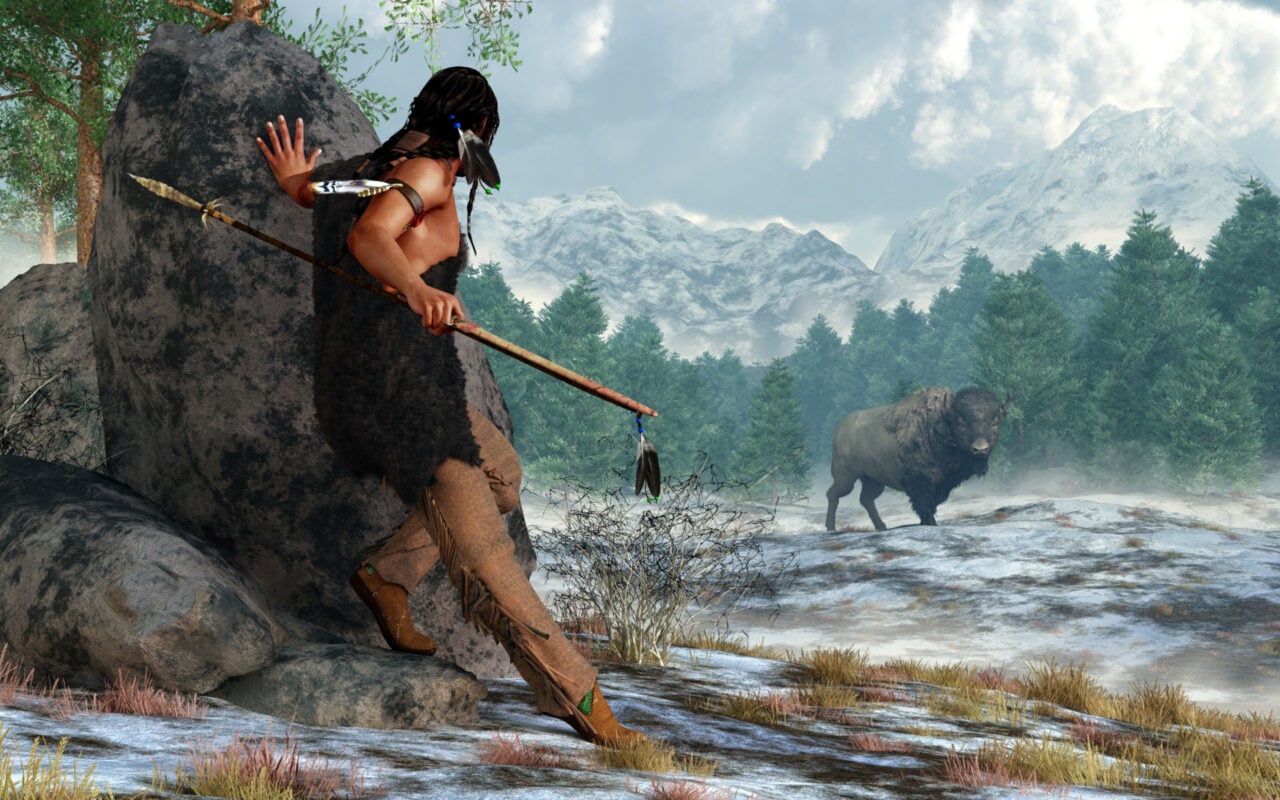
The 9,000-year-old remains of a young woman found buried with her big-game hunting toolkit suggests the division of labor by gender was more equitable in the past than is often assumed. The woman, who died between the ages of 17 and 19, lived in the Andean highlands of South America, and she likely used her stone projectile points to take down vicuña. Animal processing tools found in the woman’s grave also suggests she butchered her prey. The scientists who made the discovery also reviewed the archaeological literature, finding a batch of cases in which women were buried alongside big-game hunting gear. As the authors put it, “modern gender constructs often do not reflect past ones,” with scientists making “uncritical assumptions about past gender roles.”