The plainly named “Cave 338” lies around 7,332 feet (2,235 meters) above sea level in the Pyrenees mountain range in southwestern Europe. Today, the cave looks crusty and abandoned. But 5,500 years ago, as a new study suggests, this was home to humanity’s earliest copper mines.
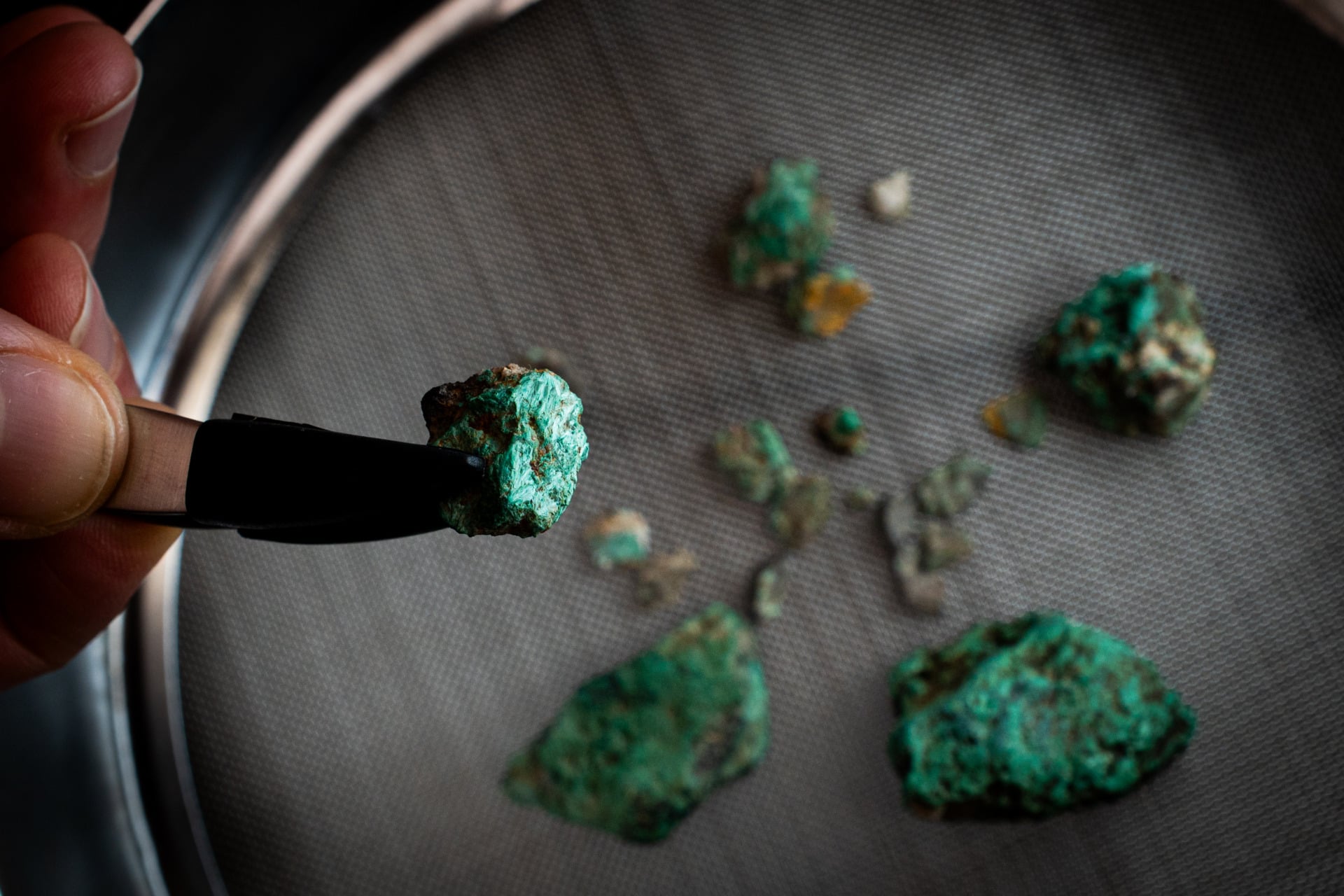
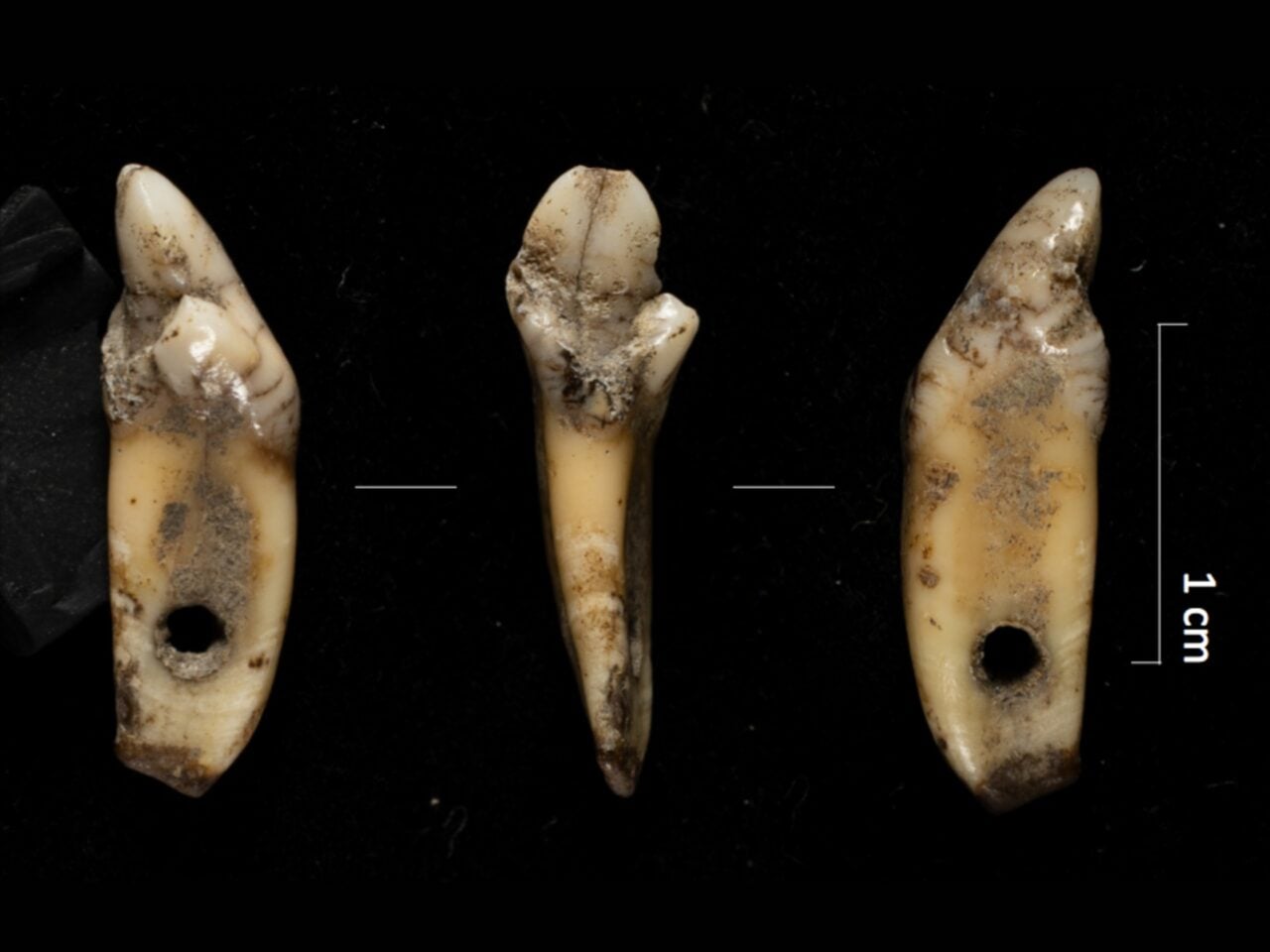
The first sign of human activity was green rocks, according to the study, published yesterday in Frontiers in Environmental Archaeology. Specifically, researchers excavated batches of crushed, burnt green mineral fragments resembling malachite, which can be treated to produce copper. In addition, they found hearths, children’s bones, and jewelry that pointed to an active and sustained human presence at Cave 338. As scientists generally believed prehistoric people didn’t stay long at such high altitudes, the discovery complicates our understanding of how they lived.
“The mountain was not a barrier but an active place within the economic and territorial organization of prehistoric communities,” noted Eudald Carbonell, the study’s senior author and an archaeologist at the Catalan Institute of Human Paleoecology and Social Evolution (IPHES-CERCA) in Spain, in a university statement.
Digging up high
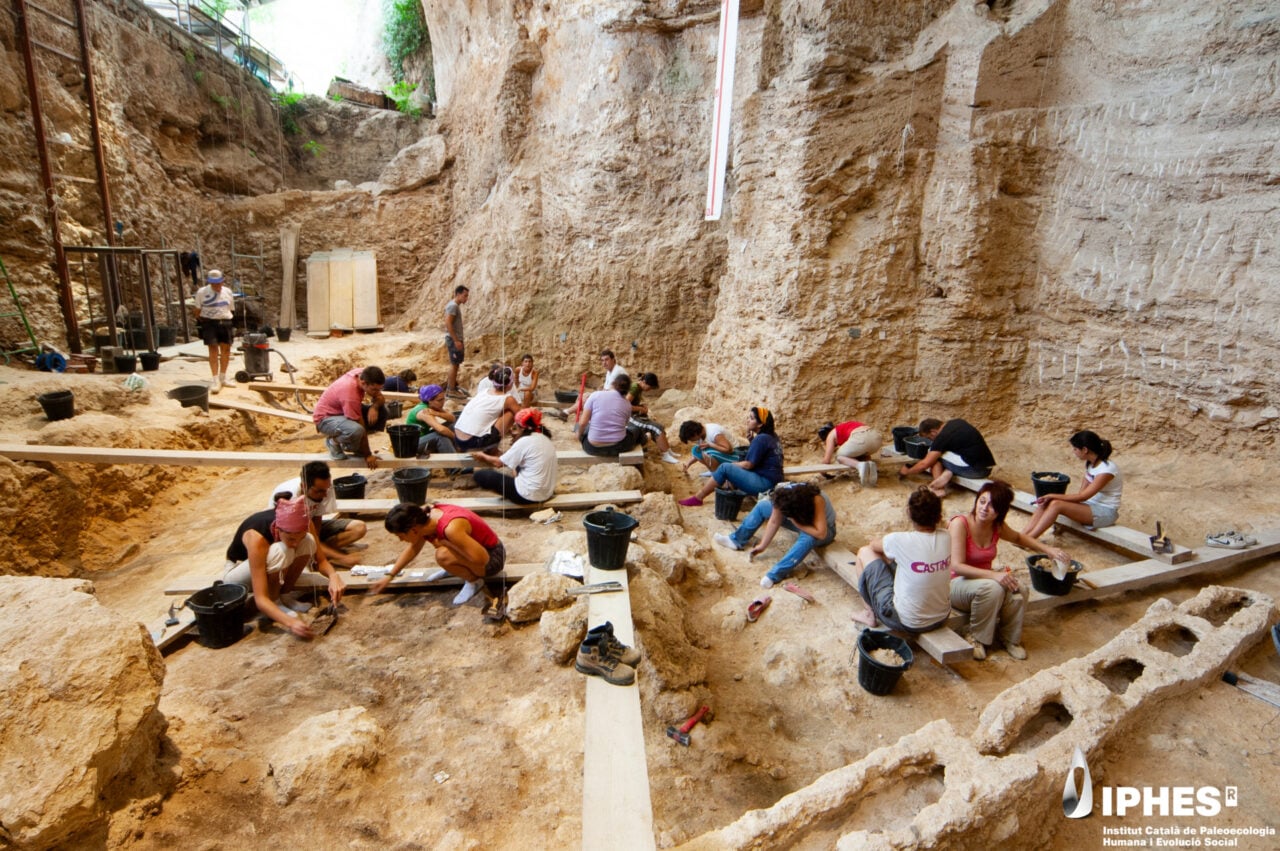
Scientists had good reason to assume prehistoric people didn’t settle at high altitudes. After all, accessing the cave for excavations itself was a huge challenge for the researchers, who could only access the site on foot with minimum motorized support. Researchers first noticed archaeological remains at the site about 15 years ago, but the latest discoveries came about via new excavation campaigns carried out in 2017 and then again from 2021, according to the paper.
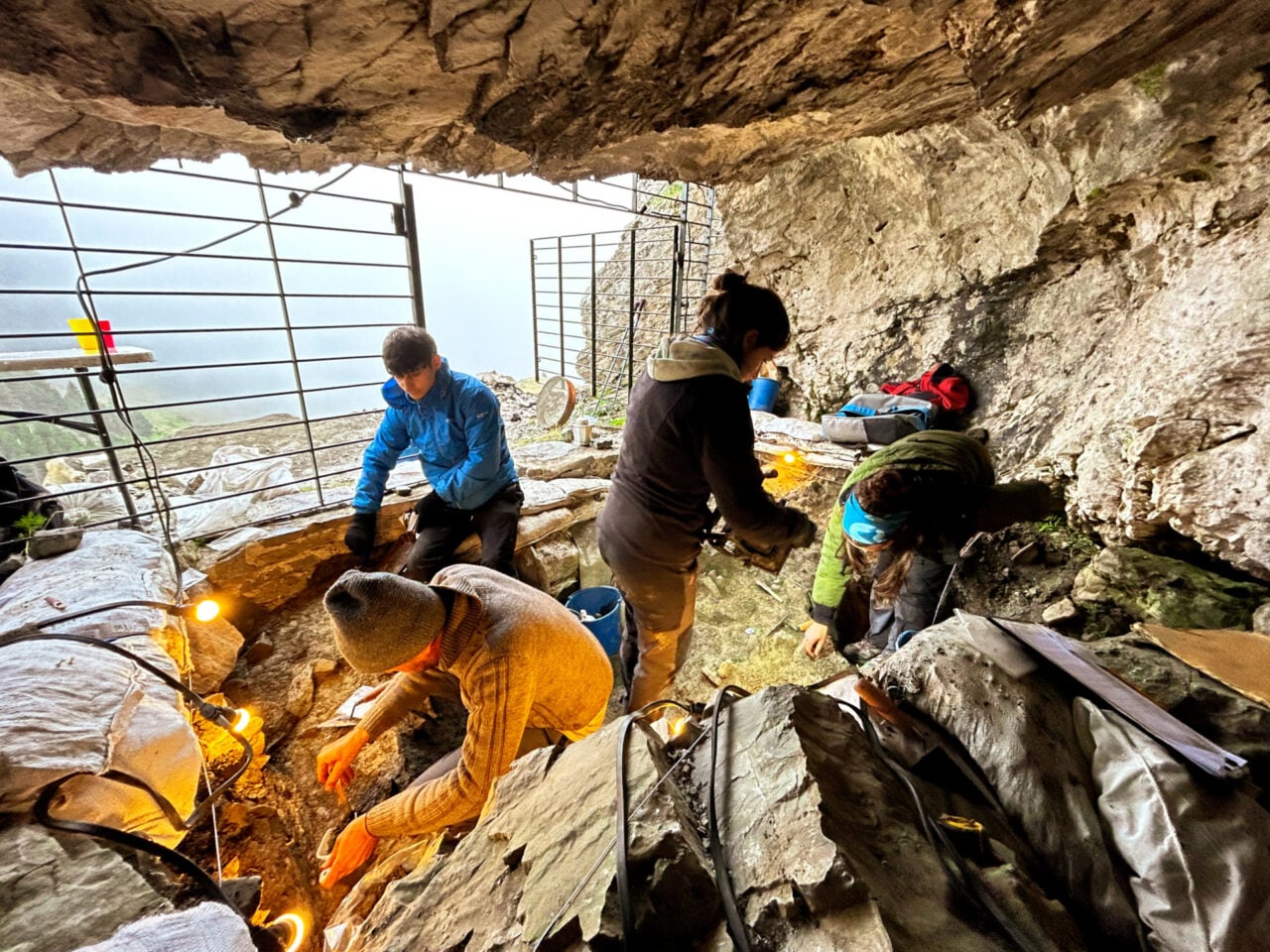
To get around these obstacles, the team coordinated very tight schedules to extract as much information as it could, incorporating 3D recordings of archaeological and geological material, explained Carlos Tornero, the study’s lead author and an archaeologist at IPHES-CERCA, in the statement.
Layers of history
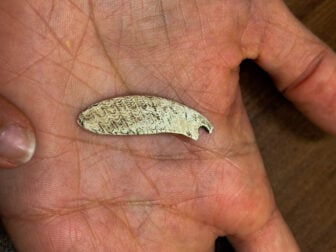
The team had to dig past four separate layers of occupation. The green fragments and other artifacts were found in the second and third layers. Radiocarbon dating shows the hearths in the second layer are about 3,000 years old, while those in the third layer date to between 5,500 and 4,000 years ago.
“Many of these fragments are thermally altered, while other materials in the cave are not, which clearly suggests that fire played an important role in their processing and that there was a deliberate intention behind it,” Julia Montes-Landa, study co-author and an archaeologist at the Unviersity of Granada in Spain, said in a journal statement. “In other words, they weren’t burned by accident.”
Meanwhile, the third layer contained a finger bone and a baby tooth that the team believes came from an 11-year-old child. It’s unclear whether the site was also used for burials.
An ongoing mission
However, it was likely that Cave 338 wasn’t a permanent settlement but rather a location prehistoric people regularly visited. Based on the new evidence, they probably did so to collect and process malachite for copper. According to the study’s analysis, the cave was likely occupied intermittently between early 5th millennium BCE and late 1st millennium BCE—a remarkable span of about 4,000 years. That said, the team emphasized that there’s still much more work to be done at the site.
Given the logistical challenges, the excavations, set to continue until summer, have yet to uncover the full depth of the site, Tornero explained. This will hopefully give researchers a clearer picture of the exact purpose of Cave 338, as well as whether their hunch about how prehistoric people used malachite to extract copper is correct. In any case, the findings paint a more nuanced picture of how the earliest humans made use of environmental resources.
“For a long time, high-mountain environments were seen as marginal, places prehistoric communities passed through occasionally,” Tornero said in the journal statement. “We can’t say exactly how long people stayed each time, but the repeated use of the space and the density of remains suggest occupations that were short to medium in duration but happening again and again over long periods of time.”