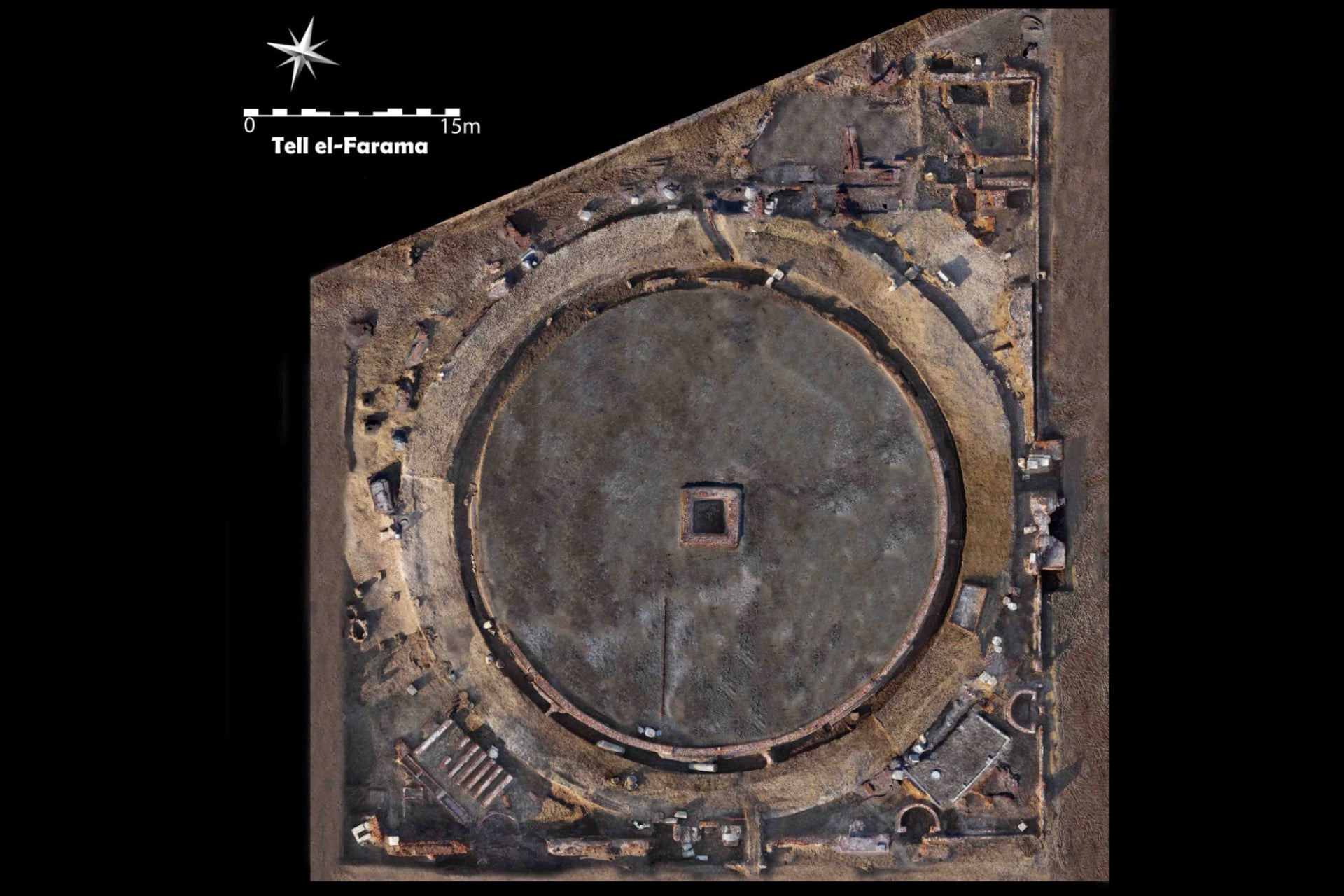
In 2019, Egyptian archaeologists found what looked like a pie-shaped, Graeco-Roman structure of red bricks in Northern Sinai. At the time, the team concluded that they’d found seats for the Senate ruling over the ancient city of Pelusium. But it turned out that the researchers only had a small slice of the whole picture—literally.
The full building was an entirely circular basin about 115 feet (35 meters) in diameter, with a square pedestal in the middle. Various channels and water tanks encircle the site, and archaeological layers suggest that ancient people used the facilities from the 2nd century BCE to the 6th century CE. After extensive consultations with outside experts, the archaeological team concluded that the site wasn’t a government building but a temple presumably dedicated to the local god Pelusius.
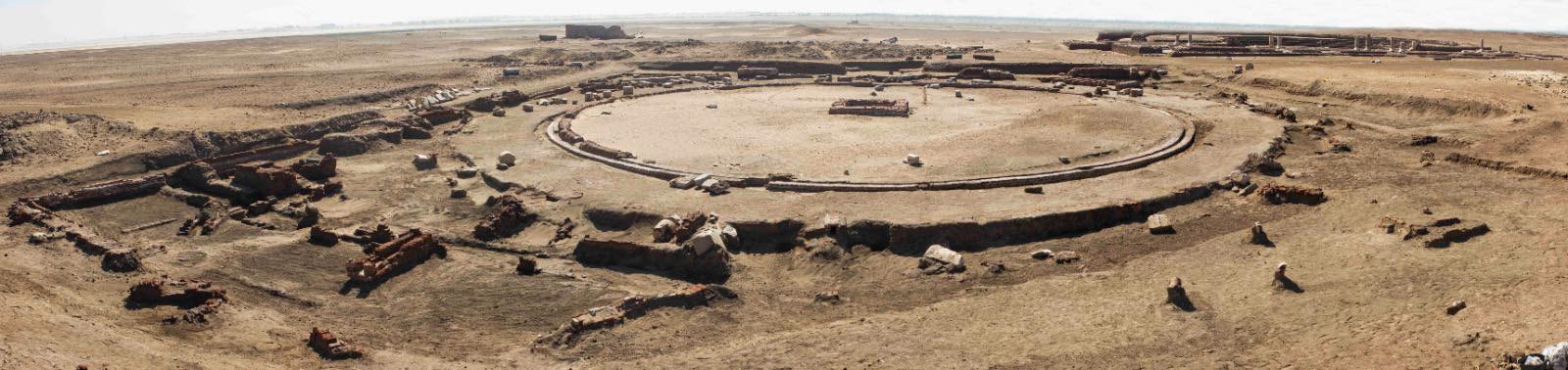
Egypt’s Ministry of Tourism and Antiquities announced the discovery in a recent statement, calling the temple’s unique design an “exceptional embodiment of the civilized interaction between Egypt and the ancient world.”
“Ongoing excavation and comparative studies have completely changed our understanding,” said Hisham Hussein, head of Egypt’s Central Department for Maritime Antiquities and Sinai, in the statement. “We now know this was a sacred water installation used in religious rituals, not a political structure.”
A regional hotspot
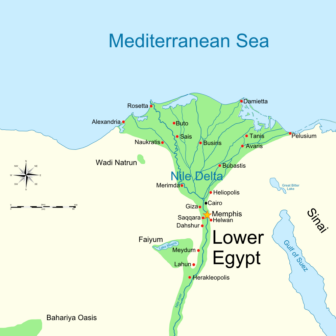
Located along the easternmost bank of the Nile River, Pelusium was a vibrant hub for cultural exchange long before the first Persian conquest of Egypt following the Battle of Pelusium in 525 BCE. The city fell into the hands of the Greek monarchy and eventually became a part of the Roman Empire in 30 BCE.
The latest findings are a neat embodiment of this historically extensive exchange of culture and politics in the region. For instance, Pelusius’ name comes from the ancient Greek words “mud” or “silt.” The temple had direct channels leading to the Nile, suggesting some symbolic connection between the Nile and Pelusius, Mohamad Abdel-Badii, head of the Egyptian Archaeological Sector of the Supreme Council, said in the statement.
Continuing investigations
Some researchers expressed their apprehension for the project’s conclusions in a report by The Art Newspaper. Egyptologist Steve Harvey said that Pelusius in general is a “shadowy figure” based on the Greek-Roman philosopher Plutarch’s writings on ancient Egyptian gods. Still, if further investigations can confirm “this Roman-era cult structure,” he added, it’d be a “stunning example of the presence of a temple for a deity previously attested only in Classical sources.”
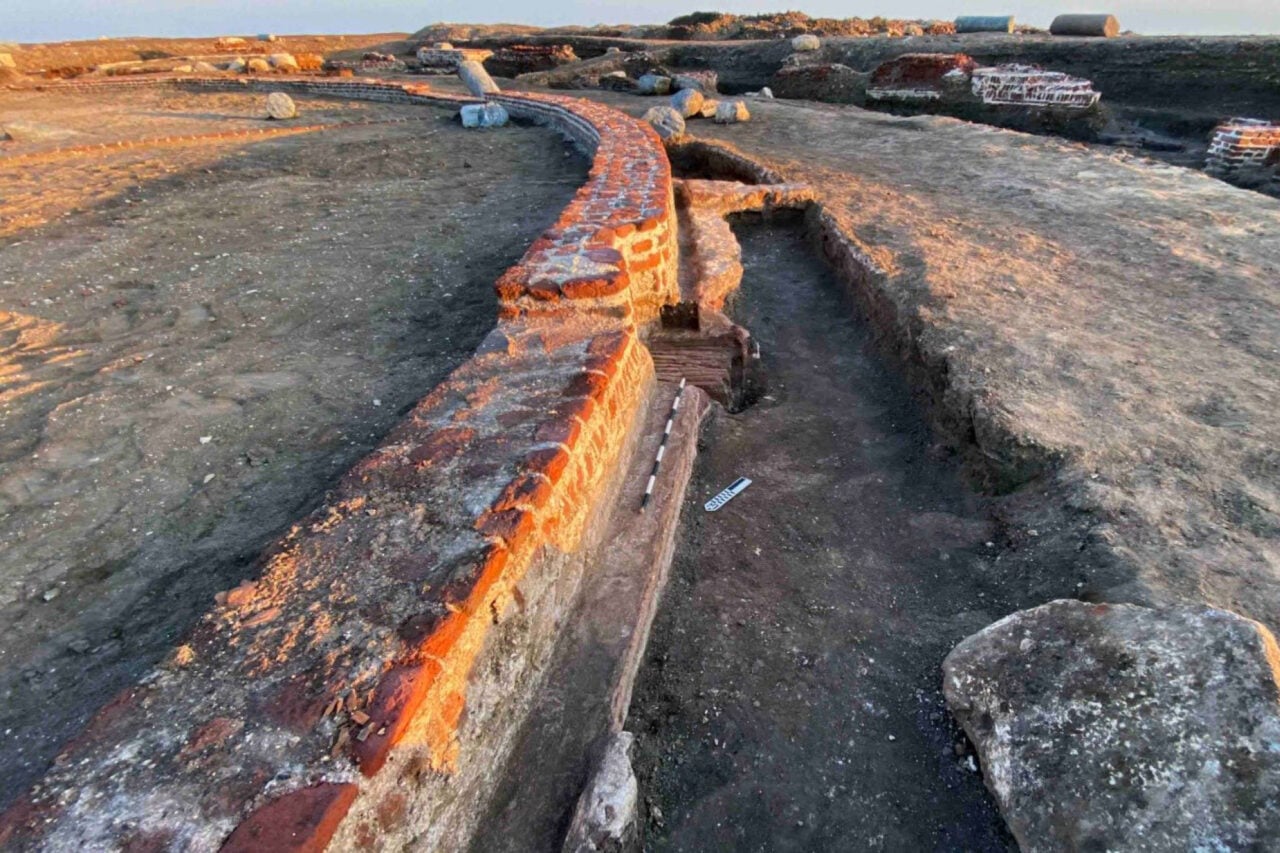
In the statement, Sherif Fathy, Egypt’s Minister of Tourism and Antiquities, affirmed that the organization was committed to “continuing excavation efforts and scientific studies at the site.” The temple’s transformation from Senate seat to potential cult shrine has already been one dramatic story. So whatever following investigations discover, the implications will be fascinating.
Correction: In a previous version of this article, we said Pelusius’ name comes from the ancient Greek word “slit.” This was incorrect. It comes from the word “silt.”