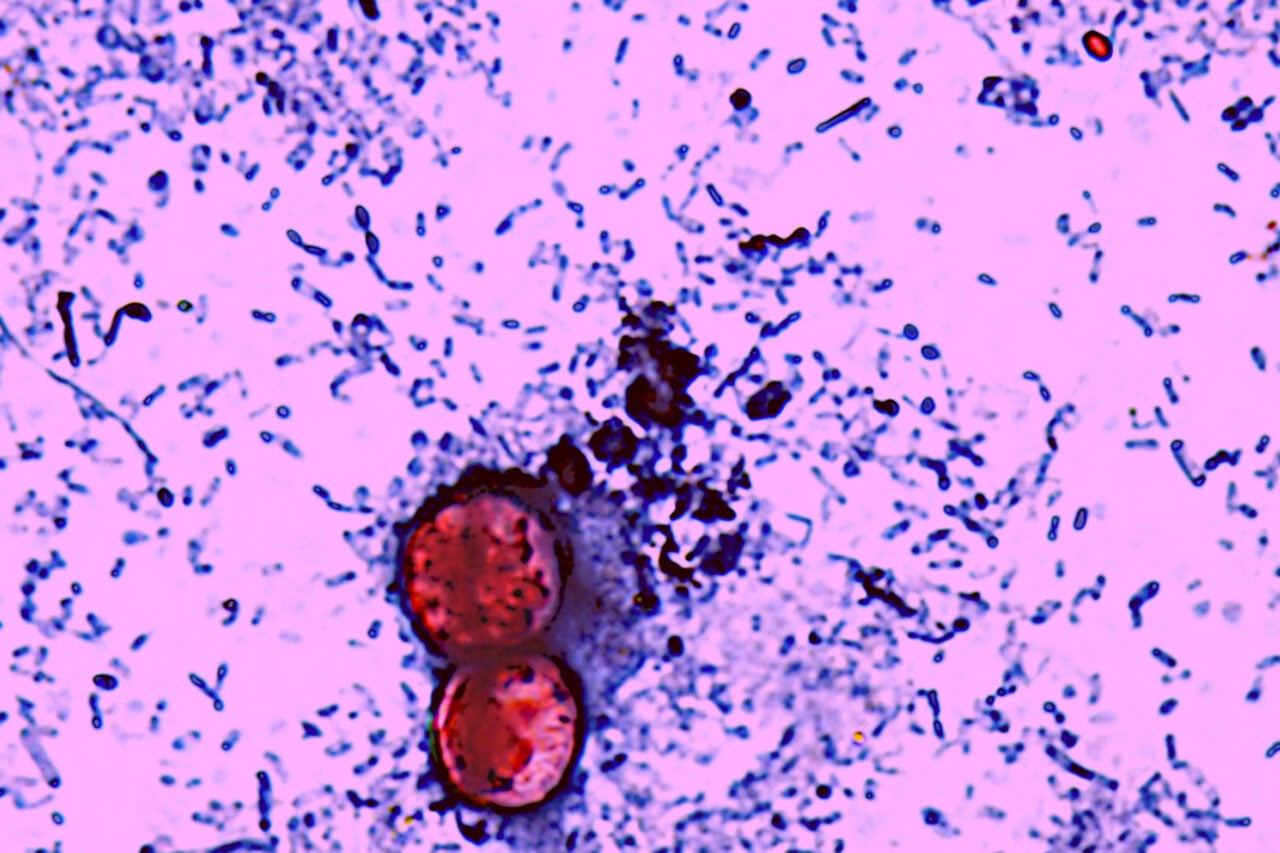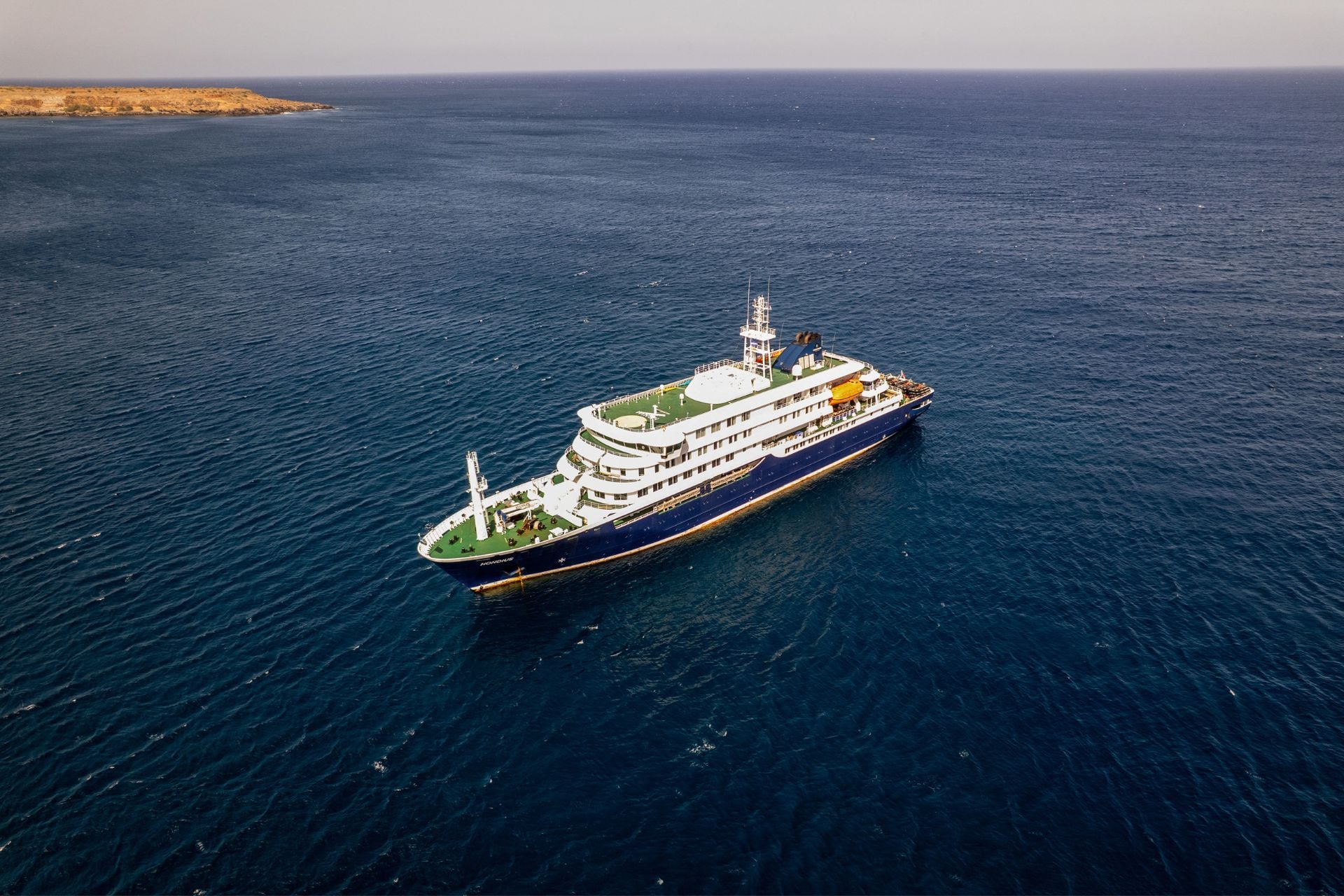
An outbreak of hantavirus aboard the cruise ship MV Hondius has taken a surprising twist. World Health Organization officials have now acknowledged the possibility that people are spreading the virus, which is normally transmitted through contact with infected rodents or their droppings.
Maria Van Kerkhove, head of the Emerging Diseases and Zoonoses unit at WHO, provided the latest updates on the outbreak this morning. There are now seven confirmed or suspected cases, at least one of which is linked to contact with an infected person. Despite this discovery, however, officials say the risk to the general public remains low.
“We do believe that there may be some human-to-human transmission that is happening among the really close contacts,” Kerkhove said at the media briefing.
A clearer timeline
The WHO first confirmed the outbreak this past weekend. But it appears the trouble began about a month ago. The cruise ship was bound for travel across the Atlantic Ocean from Argentina to Cape Verde, making several stops along the way. It departed Argentina on April 1.
According to the WHO, the first known case, a male Dutch national, reported symptoms of fever, headache, and mild diarrhea on April 6. Four days later, he developed respiratory distress and died that same day while still on the ship.
Importantly, hantavirus infections typically don’t show symptoms until several weeks after exposure. So officials believe the man contracted the infection prior to boarding the cruise. No microbiological testing was performed at the time.
The second known case, a female, was a close contact of the man. She reported feeling sick with gastrointestinal symptoms on April 24 as she went ashore on Saint Helena. A day later, her condition worsened during a flight to Johannesburg, South Africa. On April 26, she died upon arrival to an emergency department in the area. PCR testing confirmed that she had hantavirus.
A third case, a male passenger, visited the ship’s doctor on April 24 with signs of pneumonia. As his condition worsened, he was medically evacuated to South Africa where he still remains in intensive care. Tests initially failed to detect any known cause of his illness, but a PCR test on May 2 confirmed he had hantavirus.
As of May 4, there are now two confirmed and five suspected cases of hantavirus among the Hondius passengers and crew. Of these, three have died following a bout of illness.
Low danger
Only some species of hantavirus can sicken people. And though the specific culprit behind this outbreak has yet to be identified, only one species, the Andes virus, is currently thought to be capable of spreading between people. Outbreaks of suspected human-to-human transmission of the Andes virus have predominantly occurred in South America.
Hantavirus cases are rare but often serious. The Andes virus and other species found in the Americas can cause a life-threatening condition that attacks the heart and lungs, called hantavirus pulmonary syndrome (HPS) or hantavirus cardiopulmonary syndrome (HCPS). Roughly a third of people who develop HPS die as a result.
Most cases of the Andes virus remain linked to rodent exposure, and it seems to take close, prolonged contact for the virus to spread between people. So the WHO still says that the risk to the global population from this outbreak is low.
Given the current situation, though, WHO and other health officials are still working to better understand and contain the outbreak.
As of May 4, the ship is moored off the coast of Cape Verde (off the west African coast) and has 147 people aboard, including 88 passengers. These passengers are being told to practice as much physical distance from others and to stay inside their rooms whenever possible.
The passengers and crew are eventually expected to be evacuated from the ship, starting with any suspected symptomatic cases. Officials are also tracking anyone who may have come into contact with infected people, including the passengers aboard the flight taken by the second case.