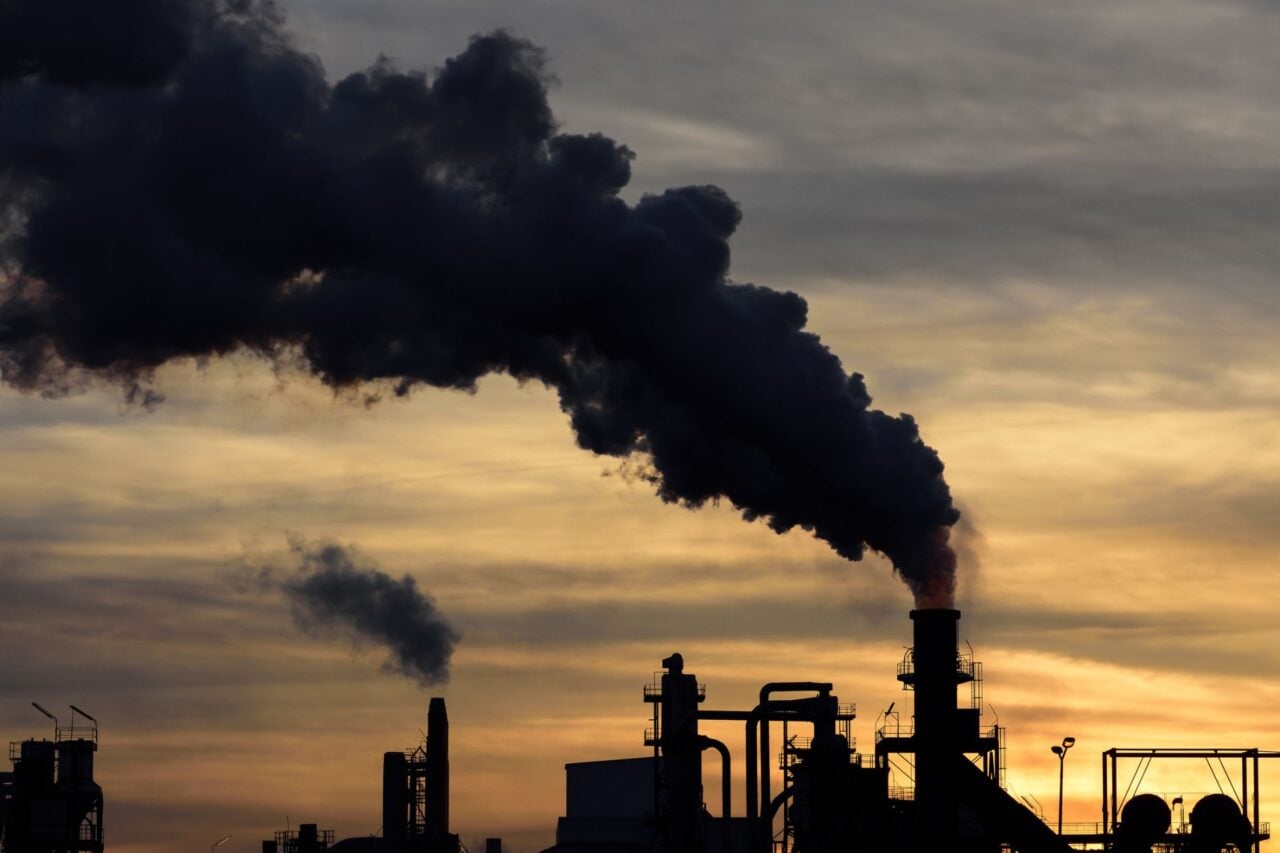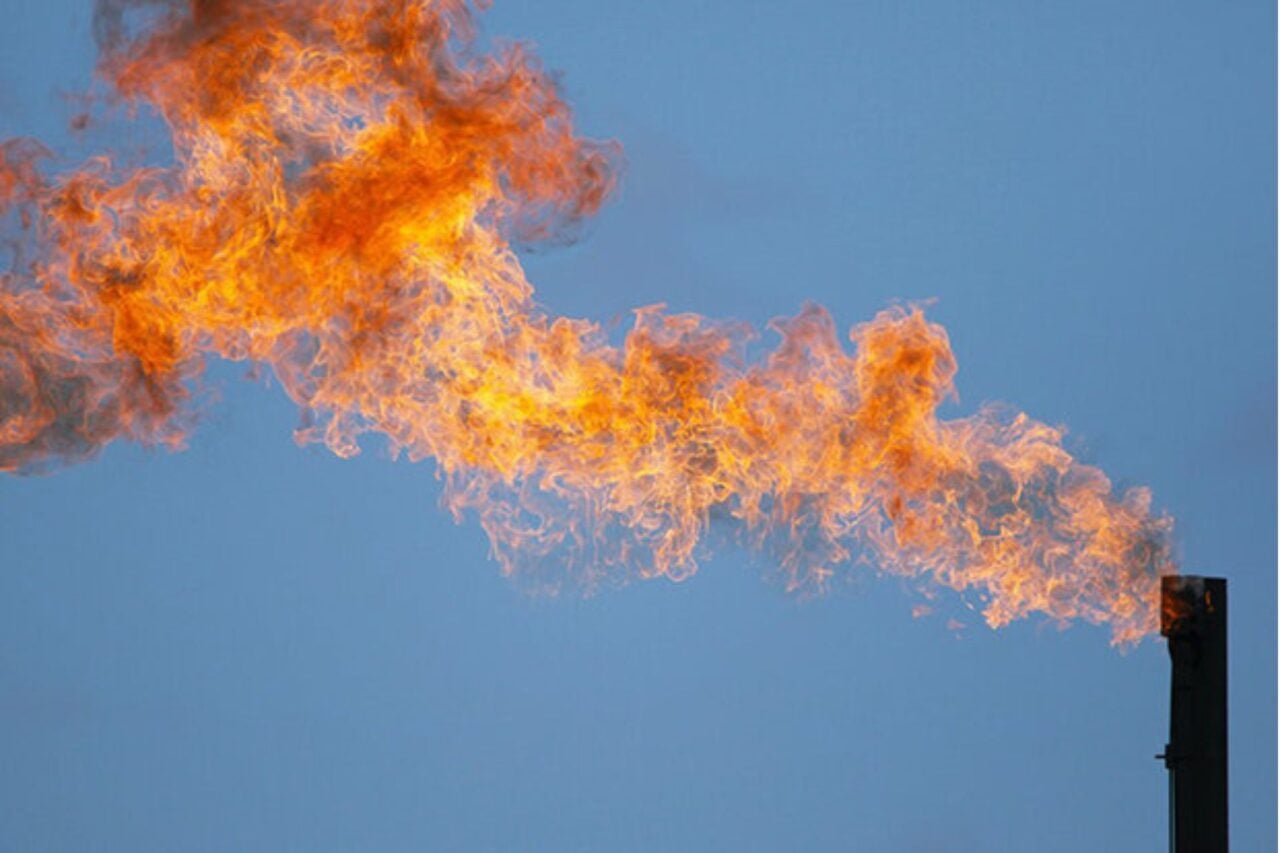
The fossil fuel industry is responsible for more than a third of the world’s methane pollution, and its emissions show no sign of falling. According to a new report, fixing methane leaks at oil and gas sites is not only essential to curbing global warming, but could also bolster energy security amid the U.S. and Israeli war against Iran.
The International Energy Agency’s Global Methane Tracker 2026 report, published Monday, estimates that oil, gas, and coal production—which reached record levels in 2025—emits 124 million metric tons of methane per year. Harnessing those emissions could make more than 7 trillion cubic feet (200 billion cubic meters) of natural gas available to the global energy sector annually.
The IEA acknowledges that it would take time to build the necessary equipment and infrastructure to achieve such massive additions, but the potential is there. In the nearer term, nearly 530 billion cubic feet (15 billion cubic meters) of natural gas could become available to markets “very quickly” if importing countries and select countries with spare existing export capacity implement readily-accessible methane abatement measures across their gas systems, the report states.
Wasting a valuable resource
Methane is one of the most potent greenhouse gases, with a global warming potential roughly 30 times greater than that of CO2 over a 100-year period. It also happens to be the primary component of natural gas, a highly valuable and heavily traded global fuel commodity.
The extraction and processing of fossil fuels spews massive amounts of methane into the atmosphere, driving up global temperatures and wasting a resource that could be made into natural gas. Capturing these emissions would go a long way toward mitigating climate change and strengthening global energy security, and there is an urgent need to do both.
The war in Iran has triggered a global fossil fuel energy crisis. According to the IEA, the effective closure of the Straight of Hormuz has removed roughly 20% of global liquefied natural gas supply from the market. The long-term natural gas additions outlined in the report would be double the supply volumes cut off due to the closure, it states.
“This is not only a climate issue: there are also major energy security benefits that can come from tackling methane and flaring, especially at a time when the world is urgently looking for additional supply amid the current crisis,” IEA Chief Energy Economist Tim Gould said in a statement.
How to harness methane emissions
Of course, if capturing the fossil fuel industry’s wasted methane was a no-brainer, we’d be doing it already. According to the Environmental Protection Agency, there are several reasons why efforts to harness and profitably use this resource are not widespread across the industry.
For one, methane emissions are a byproduct of industrial process and have not historically been viewed as an energy resource in its own right. Emitters also might not be familiar with the technologies available for methane recovery or the potential for profitable recovery projects, particularly in developing countries. What’s more, many energy markets fail to incentivize investment in methane recovery.
Despite all this, the IEA report makes a case deploying vapor-recovery units to capture low-pressure methane flows from fossil fuel extraction and processing facilities. Based on average energy prices in 2025, the IEA claims that roughly 30% of methane emissions from fossil fuels could be abated at no cost with existing technology, as the market value of the captured gas would exceed the required capital and operating costs of abatement.
“The economics look even more attractive in 2026, as fuel prices come under upward pressure from the conflict in the Middle East,” the report states.
Whether the current fuel crisis will finally motivate the fossil fuel industry to make good use of its methane emissions remains to be seen. What is clear is that the tools to do so already exist, and the stakes—for both climate and energy security—have never been higher.