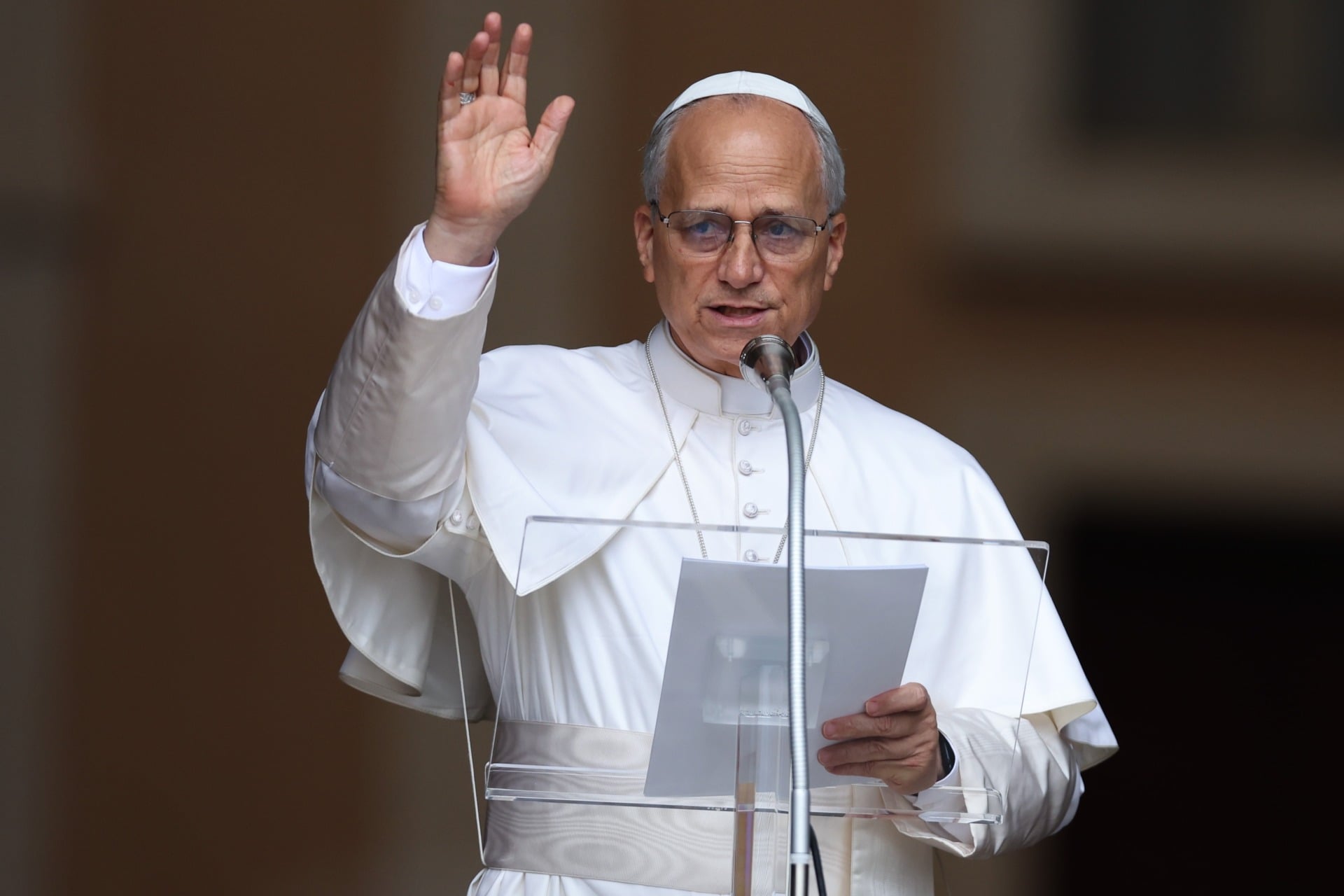
In the first major theological document of his papacy, Pope Leo warned humanity on the dangers of underregulated AI development—all while being flanked by one of the biggest players in AI.
“In the era of artificial intelligence, when human dignity is threatened by new forms of dehumanization, ours is the pressing duty to remain profoundly human,” the Pope wrote in his 43,000-word encyclical titled Magnifica Humanitas.
In the document, the Pope tries to contend with how the technological advancements coming out of Silicon Valley dehumanize society by reducing “the mystery of the person into data and performance” in the never-ending technological quest for perfection. He calls on the industry to avoid “the idolatry of profit that sacrifices the weak” and urges “more active political involvement” in the development of AI.
“Calling for prudence, rigorous evaluation and even, at times, a slower pace in adopting AI does not mean opposing progress; instead, it is an exercise of responsible care for the human family,” the Pope wrote.
AI’s impact on jobs and welfare
The Pope’s encyclical touches on everything from the impact of AI companions to the proliferation of AI deepfakes, but it particular, it spends time raising concerns about the impact AI will have on the job market and warfare.
Over the past year, corporate AI initiatives have been cited as the driver of layoffs and hiring reduction decisions across several industries, but particularly in tech. According to a recent report, 99% of CEOs expect headcount reductions within the next two years because of AI, further fueling fears of a looming AI-driven white-collar unemployment crisis.
“Work remains a fundamental dimension of the human experience, for not only is it a means of sustenance, but it is also a context for expression, relationships and contributing to the community,” the Pope wrote. “A society that guarantees employment to only a small fraction of the population, despite having a high level of technical development, risks exposing many to forced inactivity, a lack of responsibility and the absence of daily tasks and stimuli, resulting in human and cultural impoverishment.”
AI systems are also deeply embedded in many advanced militaries and are controversially used in ongoing conflicts, including by the Israeli army in its mass surveillance of and military offensive against the Palestinian people.
In the document, Pope Leo says “it is not permissible to entrust lethal or otherwise irreversible decisions to artificial systems” because those decisions require “conscience, personal responsibility and the recognition of the other as a person.”
Warning the world about AI flanked by an AI giant
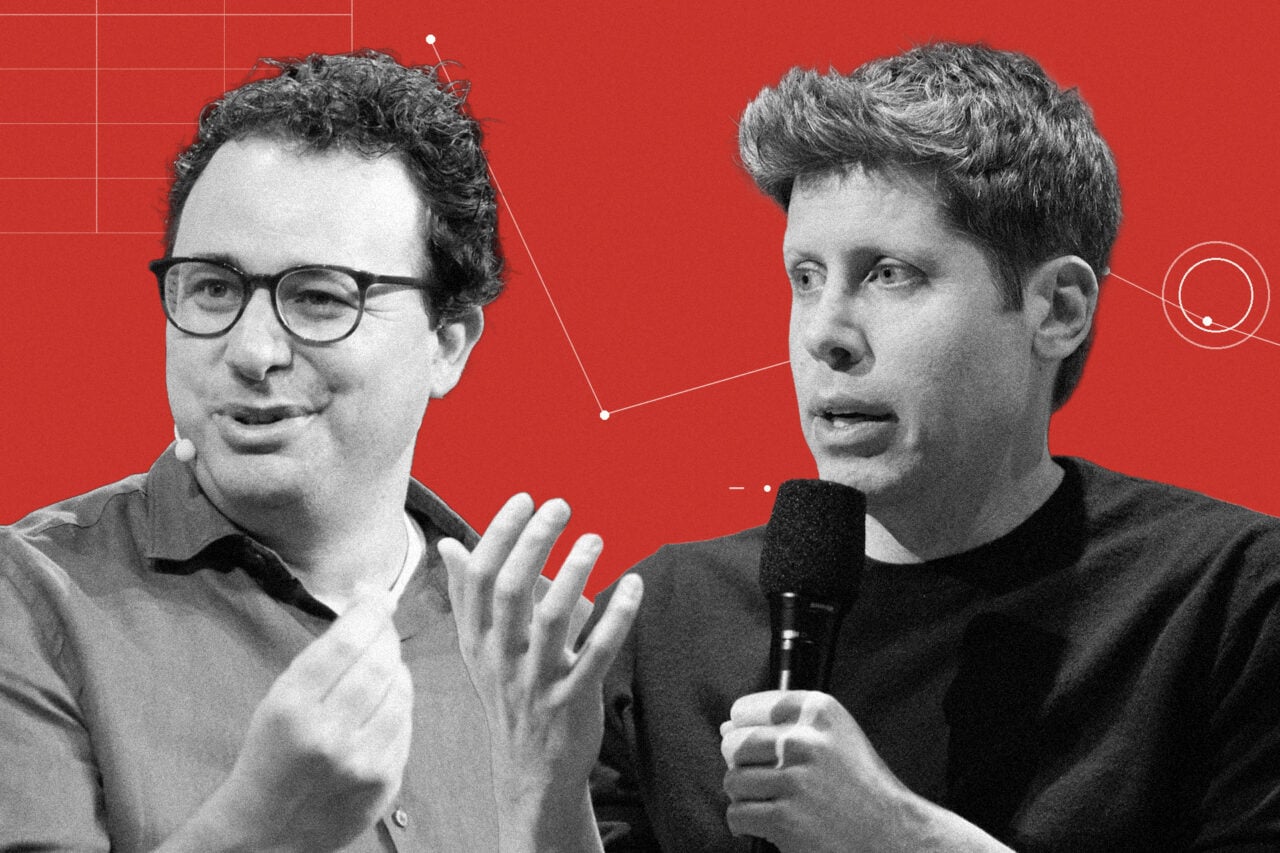
Accompanying the Pope in his presentation of the encyclical on Monday were an expected crew of theologians and Vatican officials, along with an eyebrow-raising guest: Chris Olah, one of the co-founders of AI giant Anthropic.
Compared to most of its peers in the AI industry, Anthropic has frequently advocated for more regulation, a stance that has led many to refer to its CEO Dario Amodei as a “doomer.” But while the company and Amodei call for more regulation and caution society on the dangers related to its models, they also continue to develop, release, and make considerable money off of said “dangerous” models.
And although Anthropic had a very public falling out with the Pentagon earlier this year for allegedly refusing to budge on restrictions on the use of its technology in fully autonomous weapons and mass domestic surveillance, the company has had an active AI partnership with the military since 2024 through the controversial tech giant Palantir.
At the presentation of the encyclical, per the New York Times, Leo said Olah, who leads Anthropic’s Interpretability Research team, had been working with the Vatican for a while on building an understanding of artificial intelligence.
Olah reportedly said the encyclical was “just the beginning” of “a long collaboration between those of us who are building this and those who can see what we, from the inside, cannot.”
The text of the encyclical also mirrors specific language used by Anthropic to explain how AI systems work, according to the Washington Post, further pointing to the AI giant’s influence in what the Vatican is positioning to be the guiding document for the development of moral and ethical AI.