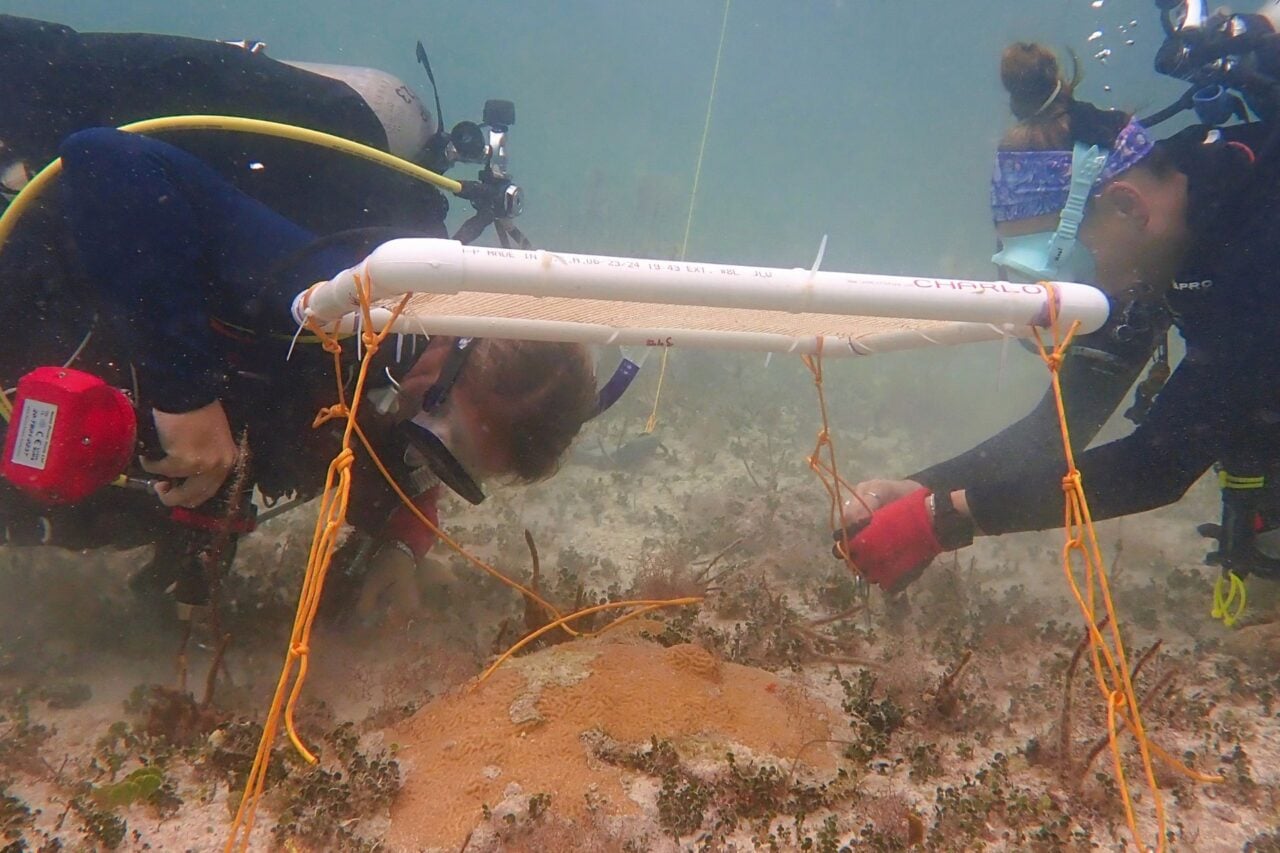
Forams Also Help Scientists Learn More About Our Oceans
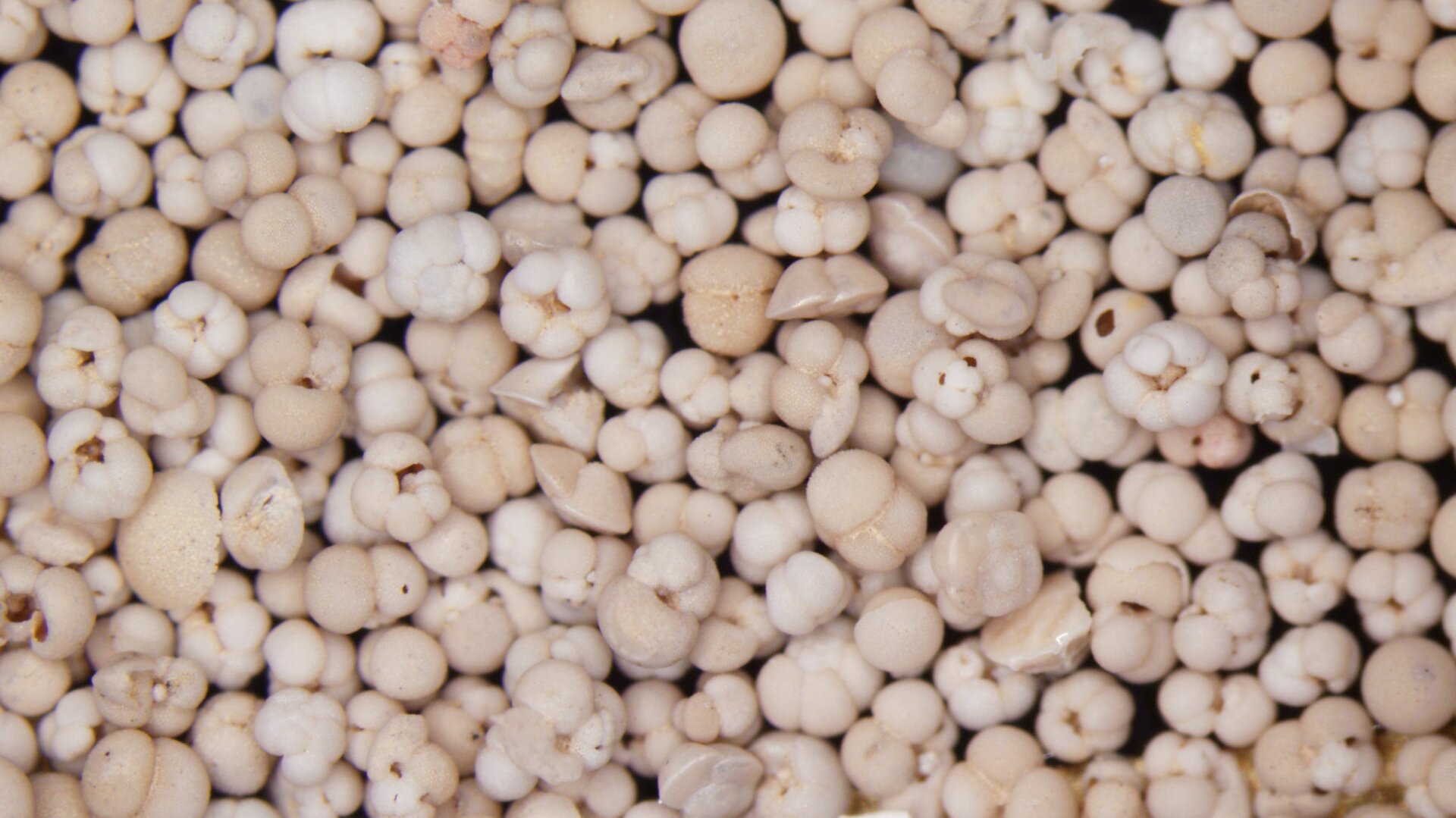
Forams are more than a just pretty face, though. They can tell scientists about the ocean. When forams grow their shells, they incorporate the chemistry of the water into them, which allows researchers to reconstruct the specific water conditions under which they lived. To do this, scientists analyze the shells of dead forams, which sink to the bottom of the ocean. Sediments there contain layers and layers of forams accumulated over eons, allowing researchers to create a timeline.
From planktic forams, which live at the sea surface where gases exchange between the atmosphere and surface seawater, scientists can learn about water temperature, precipitation, evaporation, and even the extent of ice sheets. Meanwhile, benthic forams, which live deeper in the water column on or within the seafloor sediments, tell scientists about how much carbon was stored in the ocean, how high the nutrient concentrations were in deep water, and what the water temperature was like.
Researchers don’t only use forams to study what happened in the oceans over the last hundreds or thousands of years; they also use them to analyze what they were like millions of years ago. That ancient history allow researchers to understand what’s happening to our climate today.