But How Do Scientists Study Them?
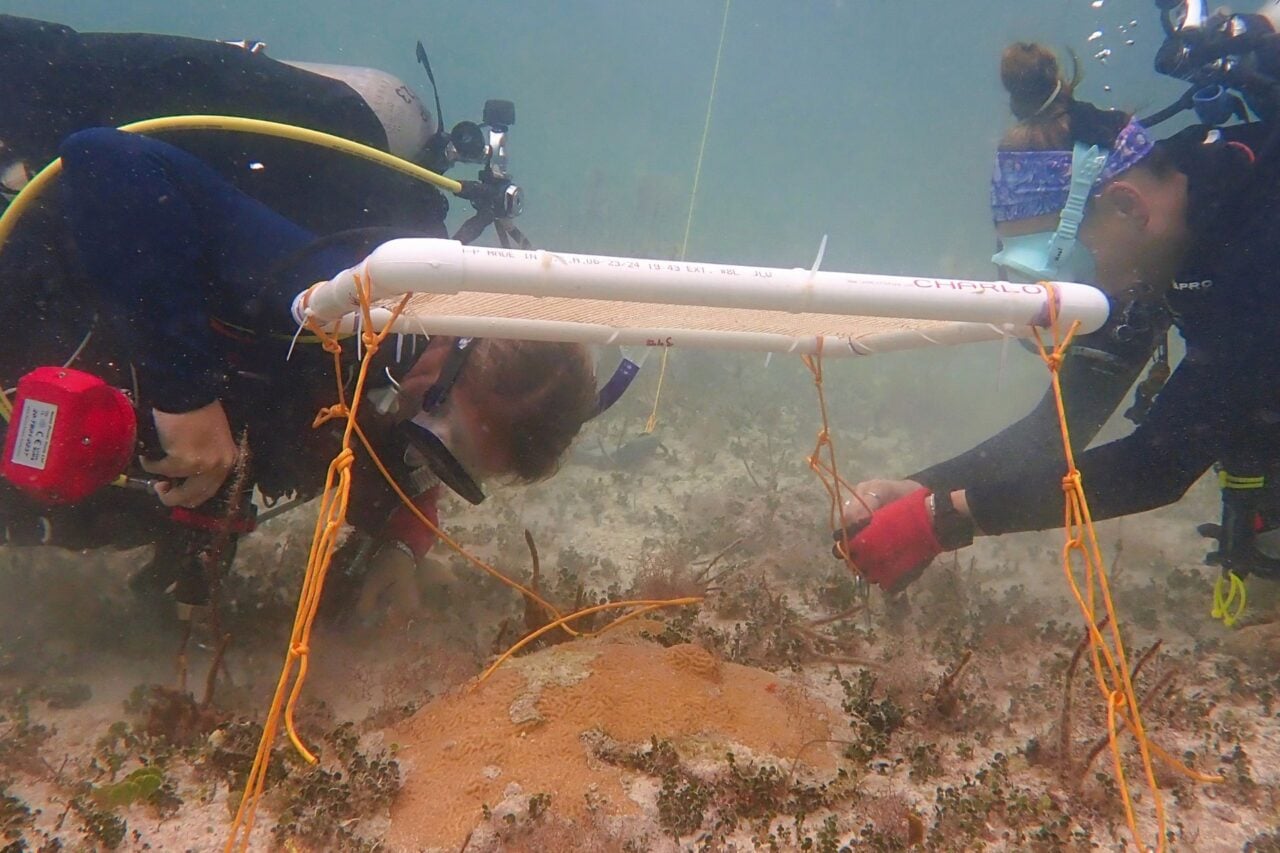
As far as how researchers study these little fellas and their shells—which, let us remember, are on the seafloor—Hönisch told us about the two things she does. For paleoclimate reconstruction, she relies on sediment cores drilled from the bottom of the ocean, which contain forams that died long ago.
She also works with live forams, which she collects from the surface ocean by scuba diving in places like California, Catalina Island, or Puerto Rico, and takes to the lab to grow under controlled conditions. There, Hönisch and her team can change a variety of variables, such as the temperature, seawater chemistry, food, and light. At the end of the forams’ lifecycle, Hönisch and her team collect the empty shells and analyze them. This allows them to make a direct connection between the chemistry of the forams’ shells and the chemistry and physical conditions under which they lived. Hönisch said that she and other researchers can then apply these relationships to reconstruct ancient environments from the fossil shells they find in sediment cores.
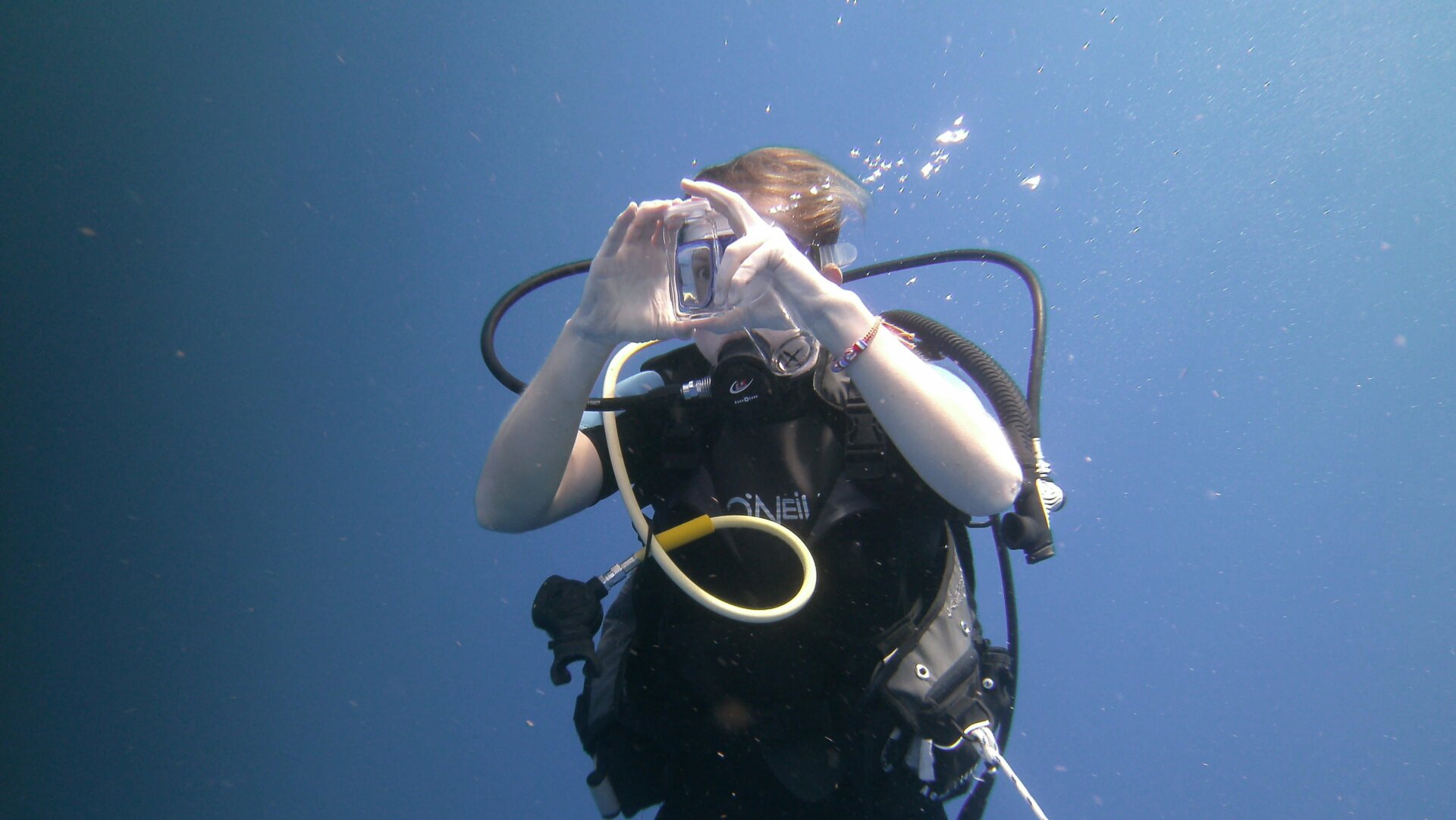
Hönisch said she and her students go blue-water diving, or scuba diving in places where they can’t see the bottom of the ocean, for forams. The group goes on a boat with a black bottom and mainly looks for forams under the bottom of the boat, because you can see them against the black background. Hönisch compared them to “little white fluff balls,” although that doesn’t mean they’re always easy to find, even against a black background. Some dives have resulted in success in 20 minutes, she said, while others have lasted for two hours.