Like Much of Our Planet, Forams Are Going to Be Affected by Climate Change
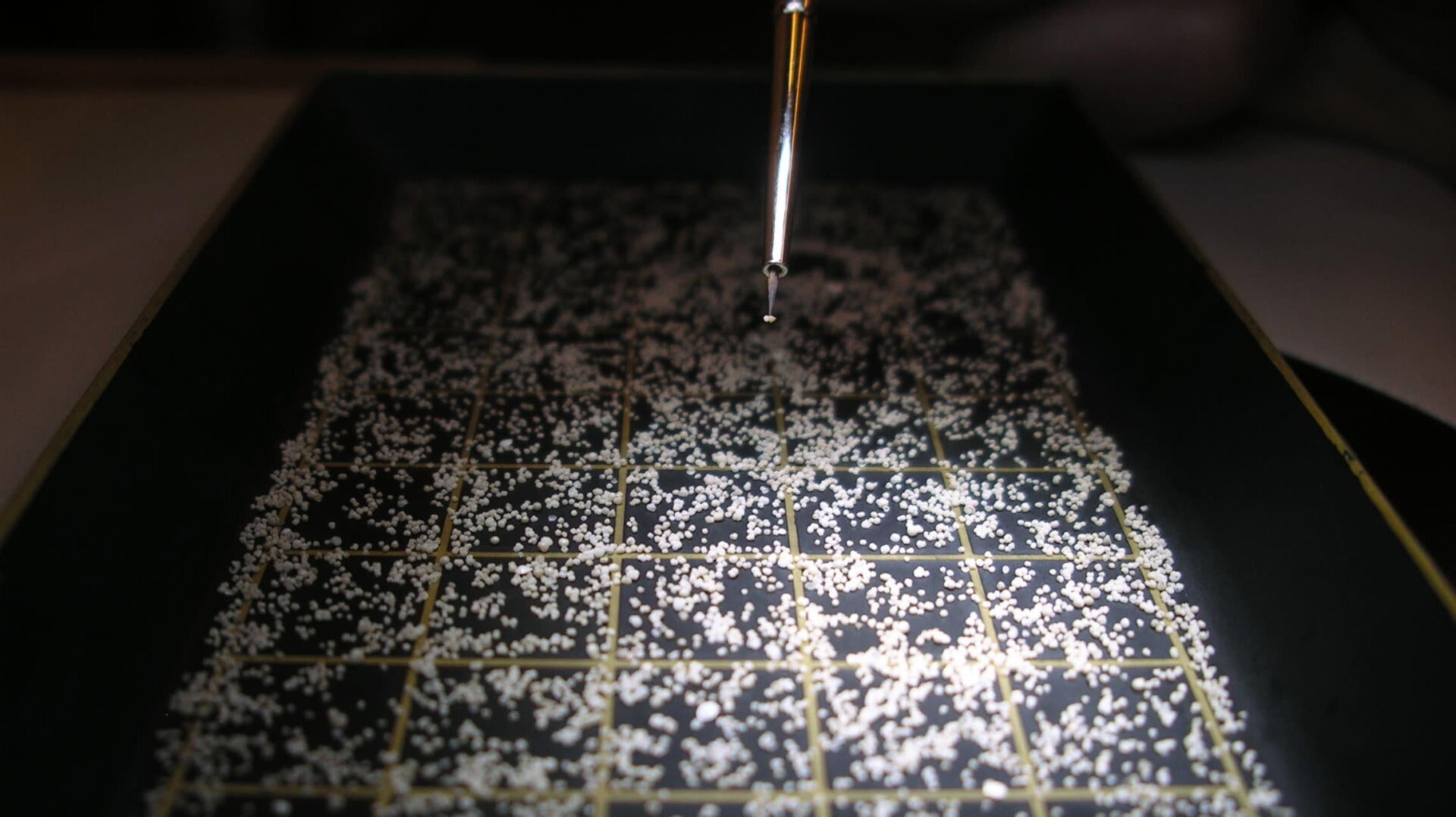
Even these tiny creatures can’t escape the climate crisis. According to Lam, their fate is directly tied to how much carbon dioxide humans pump into the atmosphere. When carbon dioxide interacts with seawater, it creates free hydrogen ions in marine waters, making it more acidic. Over the past roughly 200 years, Earth’s oceans have become 30% more acidic, Lam said, which is affecting marine protists, such as forams, and other animals that make their homes out of calcium carbonate.
Lab experiments where researchers grow these creatures under different pH conditions have found that this type of environment has negatively impacted planktic forams’ ability to create calcium carbonate, repair their damaged spines, and consume oxygen, Lam said.
“Foraminifera make their tests out of calcium carbonate, which dissolves in the presence of acid,” Lam said, referring to the term for foram shells. “In short, these marine plankton are having to expend more energy to create their shells because acidifying ocean waters are making it harder and harder for them.”