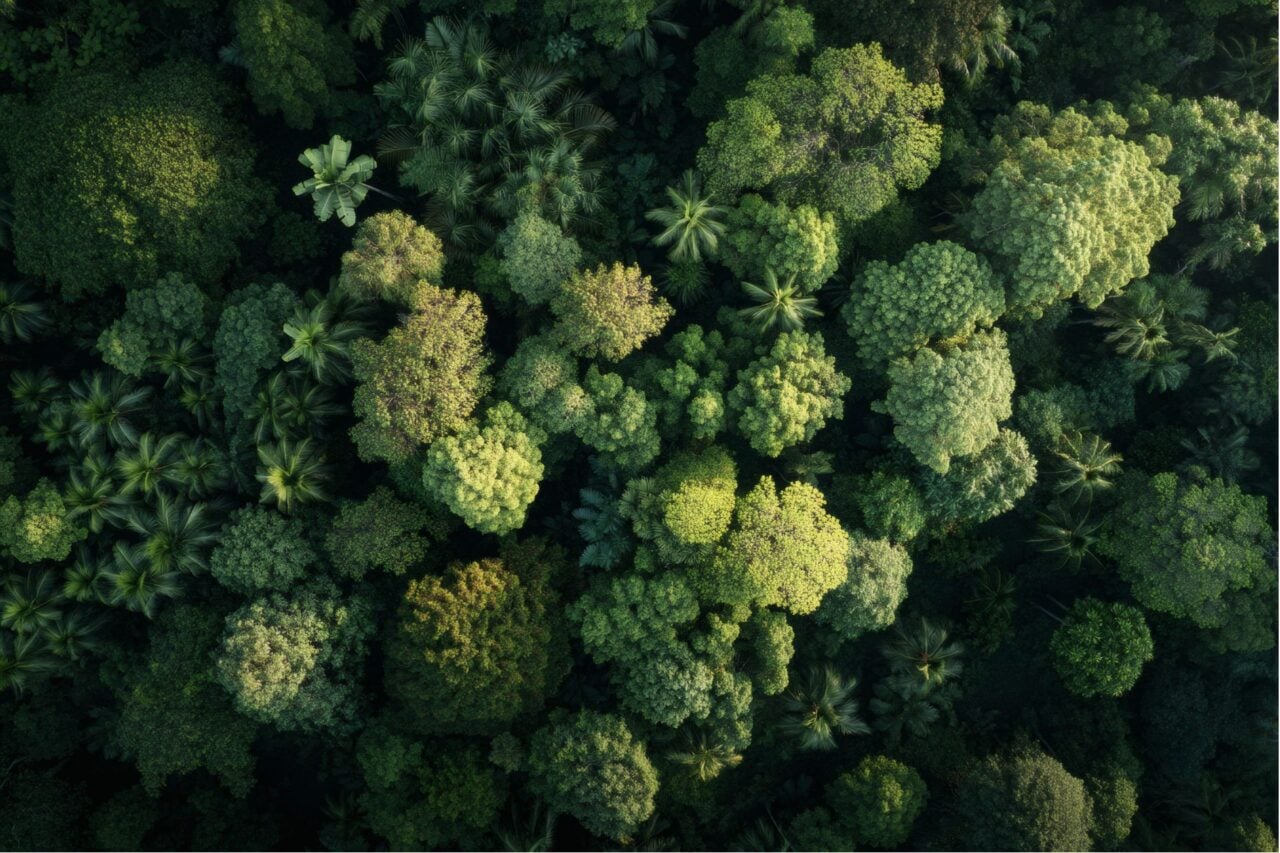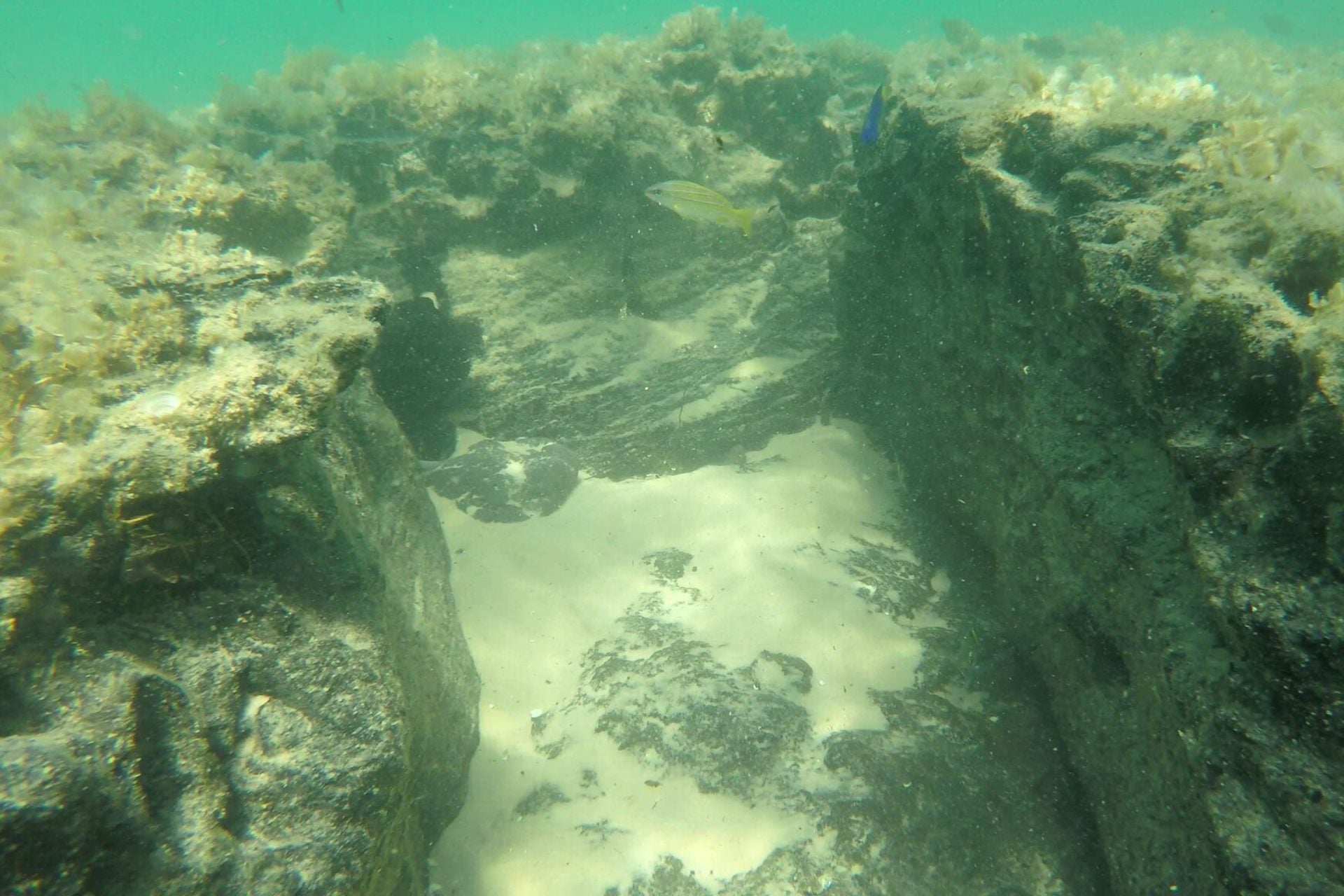
Beneath the shallow coastal waters of the Bazaruto Archipelago in Mozambique, researchers have discovered the remains of ancient forests that were submerged thousands of years ago—reborn as a thriving marine ecosystem.
The reefs had formed between 3,000 and 5,000 years ago from coastal land plants and trees and are primarily made of the compressed remains of coastal swamps and forests, according to researchers from the Bazaruto Center for Scientific Studies (BCSS) Ocean Observatory. The findings, detailed in a study published in Scientific Reports, suggest there may be more hidden reefs along the world’s coastlines that could serve as crucial carbon habitats.
Submerged habitat
Thousands of years ago, coastal forests grew on land that was later submerged as sea levels rose. The water washed away sediments and exposed a layer of peat, a type of soil made from partially decomposed plants that accumulates into carbon-rich deposits. This would later serve as a habitat for all types of marine life along sandy coastlines.
“This coastline has very little natural hard seabed, mostly shifting sand. When rising seas expose these old peat layers, they create rare, solid habitat where marine life can settle, hide and feed,” Mario Lebrato, chief scientist at BCSS and lead author of the study, said in a statement.
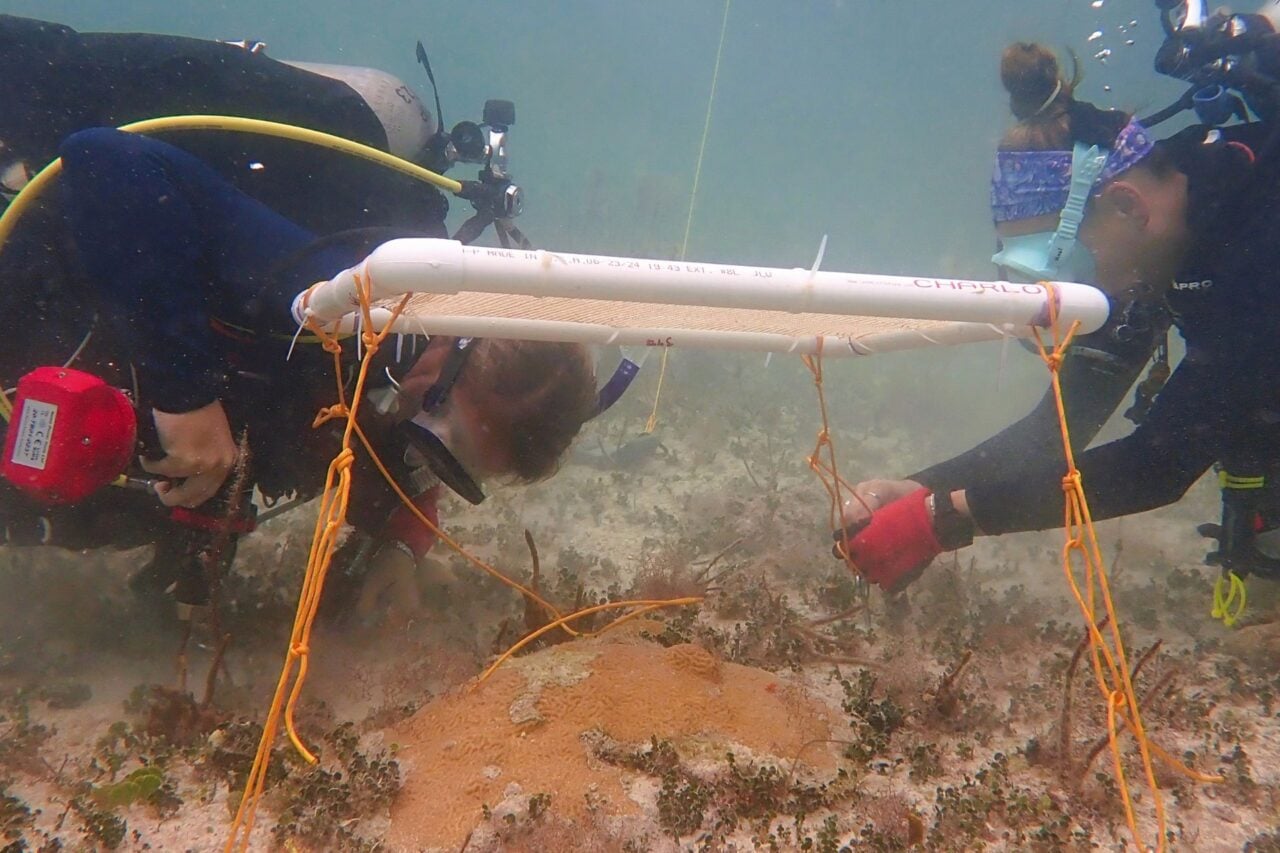
The team behind the recent discovery surveyed three peat reefs and a nearby true coral reef in the western Indian Ocean, comparing seabed cover, invertebrates, small fish, and larger animals such as sharks, rays, and turtles.
Although the peat reefs look nothing like coral reefs, they do share some wildlife and marine biodiversity. The peat reefs have no living corals, but they were still teeming with other forms of marine life like seagrass and seaweed. They also serve as a refuge for spiny lobsters, oysters, barnacles, and juvenile fish, including young snappers and grunts.
Each peat reef held 26 to 36 small fish species, a diverse mix comparable to the coral reef. Dozens of small fish species, as well as larger species like sharks, rays, and turtles were recorded on both reef types.
“What was once a forest floor is now a nursery for reef fish,” Lebrato said. “We were surprised by how much life these ancient peat deposits support, and how many species move between them and the coral reefs nearby.”
Alternative refuge
The authors behind the new study suggest that there could be undiscovered peat reefs across Southeast Asia, the Caribbean, and West Africa. These hidden habitats could serve as a crucial refuge for some species as coral reef cover continues to decline worldwide.
“The existence of tropical peat reefs underscores the resilience and adaptive reinvention potential of coastal ecosystems under pressure from sea-level rise and shoreline change,” Lebrato said. “Their contribution to biodiversity, fisheries habitat, and potential legacy-carbon preservation should be recognised in coastal management and conservation strategies, particularly in regions where coral reef health is declining.”
The researchers are hoping to be able to demonstrate the vitality of these habitats through continued observations, which could lead to conservation policies that protect similar regions around the world.